
Benefits of Equine Therapy for Individuals with Autism
Equine‑Assisted Therapy is a therapeutic approach that uses the horse as a medium to promote physical, emotional, and social growth in participants. In the context of autism, the horse’s rhythmic movement can provide sensory input that help…
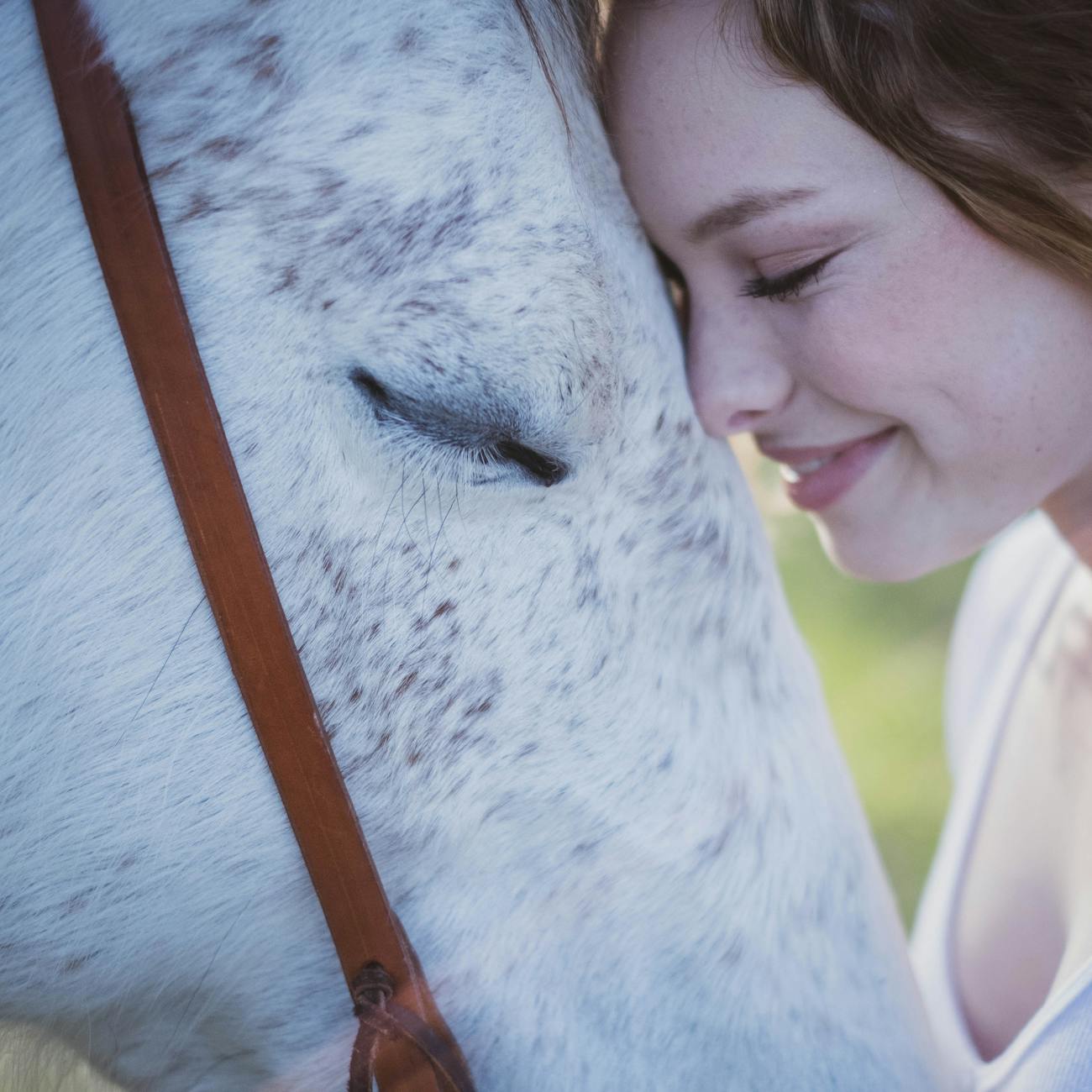
Equine‑Assisted Therapy is a therapeutic approach that uses the horse as a medium to promote physical, emotional, and social growth in participants. In the context of autism, the horse’s rhythmic movement can provide sensory input that helps regulate nervous system arousal, while the animal‑human bond encourages trust and communication. For example, a child with autism may initially be hesitant to approach a horse, but with guided exposure they learn to interpret non‑verbal cues, which can translate to improved interactions with people. Practically, sessions are often structured around grooming, leading, and riding activities, each offering distinct therapeutic targets. Challenges include ensuring the horse’s temperament matches the client’s needs and managing safety protocols in a public riding centre.
Neuro‑Sensory Integration refers to the brain’s ability to process and organise sensory information from the environment. Many autistic individuals experience dysregulation, leading to either hypersensitivity or hyposensitivity to stimuli such as sound, touch, or movement. Equine therapy provides a controlled, predictable sensory experience through the horse’s gait, which can be described as a “deep‑pressure” input. A practitioner might use a slow‑walking horse to calm a client who is overwhelmed by noisy classrooms, allowing the client to focus on the repetitive motion and gradually increase tolerance to external sounds. A key challenge is the variability of sensory profiles; a horse that soothes one client may overstimulate another, requiring careful assessment and individualised session planning.
Social‑Communication Skills encompass the ability to exchange information, interpret gestures, and engage in reciprocal interaction. In autism, deficits in these areas can manifest as limited eye contact, difficulty understanding figurative language, or challenges in initiating conversation. Working with a horse creates natural opportunities for joint attention: The client must watch the animal’s movements, listen to verbal cues from the therapist, and respond appropriately. For instance, a therapist may ask a client to “lead the horse to the water trough,” prompting the client to follow multi‑step instructions and use language to negotiate obstacles. Practical application includes role‑playing scenarios where the client practices greeting the horse, which can later be transferred to human social settings. The main challenge lies in generalising skills learned in the equine environment to everyday contexts, which often requires additional support from families and educators.
Motor Coordination involves the integration of muscular strength, balance, and timing to produce smooth, purposeful movements. Many autistic individuals display clumsiness or delayed motor milestones. The act of mounting, maintaining posture, and controlling the horse’s direction demands coordinated activation of core, leg, and upper‑body muscles. A therapist may use a “mount‑and‑stay” exercise, where the client sits on a stationary horse and practices shifting weight to maintain balance, thereby strengthening proprioceptive feedback. Over time, this can improve gait stability and reduce the risk of falls in daily life. Challenges include the physical demands on clients with limited strength or mobility, which may necessitate adaptive equipment such as supportive saddles or harnesses.
Proprioceptive Input is the sense of body position and movement, generated by receptors in muscles, tendons, and joints. Autistic individuals often seek strong proprioceptive experiences to achieve a sense of calm. The horse’s rhythmic motion provides continuous proprioceptive stimulation, akin to a “whole‑body massage.” When a client rides, the pelvis experiences alternating pressure as the horse’s legs move, which can help the client develop a better internal map of their body. For example, a child who frequently “flaps” their hands may find that the riding experience reduces the urge to self‑stimulate, as the proprioceptive input satisfies the sensory need. A practical consideration is the duration of the session; too long may lead to fatigue, while too short may not provide sufficient sensory integration. Therapists must monitor signs of overstimulation, such as increased anxiety or withdrawal.
Therapeutic Alliance describes the collaborative partnership between therapist, client, and often the horse. A strong alliance is built on trust, mutual respect, and clear communication of goals. In equine therapy, the horse itself becomes a co‑therapist, contributing non‑verbal feedback that can guide the therapeutic process. For instance, a horse may become more responsive to a client who maintains calm breathing, reinforcing the client’s self‑regulation skills. Establishing this alliance requires consistent routines, predictable schedules, and clear expectations for both the client and the animal. Challenges can arise when the horse’s behaviour changes due to health issues, weather, or fatigue, potentially disrupting the therapeutic flow and necessitating rapid adjustments by the therapist.
Attachment Theory posits that early relationships with caregivers shape emotional development and future relational patterns. Autistic individuals may experience atypical attachment styles, affecting their ability to form secure bonds. Interaction with a horse can serve as a “secure base,” offering unconditional acceptance and predictable responses. A client who feels anxious about social rejection may find solace in the horse’s consistent presence, which can reduce anxiety and promote exploratory behaviour. Practical applications include using the horse to model attachment behaviours, such as gentle touch and responsive vocalisation, which the client can then emulate in human relationships. However, transferring these attachment experiences to people requires deliberate bridging strategies, as the client may view the animal as fundamentally different from humans.
Sensory Processing Disorder (SPD) is a condition often co‑occurring with autism, characterised by atypical responses to sensory stimuli. While not all autistic individuals have SPD, many experience sensory challenges that impact daily functioning. Equine therapy targets multiple sensory modalities simultaneously: Tactile (grooming), vestibular (movement), auditory (horse sounds), and visual (watching the horse). A therapist might design a session that begins with gentle brushing to calm the client, followed by a slow ride to engage vestibular input, and ends with a quiet discussion to integrate auditory processing. The multi‑sensory nature of the activity can promote sensory integration, but it also raises the risk of sensory overload if not carefully paced. Therapists must conduct thorough sensory assessments and adapt the environment (e.G., Reducing ambient noise, using blindfolds for visual modulation) to meet individual thresholds.
Executive Function refers to cognitive processes that enable planning, problem‑solving, and flexible thinking. Autistic individuals often display difficulties with organising tasks, shifting attention, and inhibiting impulsive responses. Equine activities naturally embed executive function challenges: The client must plan a route, anticipate the horse’s reactions, and adjust actions in real time. A practical example is a “obstacle course” where the client must decide the best path to navigate a series of gates, requiring sequencing and decision‑making. Success in these tasks can reinforce neural pathways associated with executive control, leading to improvements in academic and daily living skills. Nevertheless, the dynamic nature of the horse’s behaviour can be unpredictable, which may frustrate clients who prefer highly structured environments. Therapists can mitigate this by providing clear, step‑by‑step instructions and visual supports.
Emotional Regulation is the ability to monitor, evaluate, and modify emotional responses. Autistic individuals may experience intense emotions that are difficult to modulate, resulting in meltdowns or shutdowns. The horse’s steady rhythm can act as a calming anchor, helping the client achieve a regulated physiological state. For instance, deep breathing synchronised with the horse’s trot can lower heart rate and reduce cortisol levels. Therapists can teach clients to use the horse as a “stress‑relief tool,” encouraging them to seek out the animal when feeling overwhelmed. Practical application includes a “calm‑down corner” near the stable where the client can observe the horse from a safe distance. Challenges include ensuring the client does not become overly reliant on the horse for regulation, which could limit the development of self‑regulation strategies in other settings.
Social Narrative is a visual or written story that explains a social situation, often used to teach autistic individuals appropriate behaviours. In equine therapy, a social narrative might depict the steps involved in approaching a horse, greeting it, and participating in a riding lesson. By reviewing the narrative before the session, the client gains a clear mental model of what to expect, reducing anxiety and increasing confidence. An example narrative could include pictures of a stable, a horse, the therapist, and captions such as “I will say hello to the horse” and “I will hold the reins gently.” The narrative can be customised for each client, incorporating personal interests (e.G., Favourite colours) to enhance engagement. A potential challenge is that the client may struggle to apply the narrative when unforeseen events occur, such as a sudden change in weather, requiring the therapist to provide on‑the‑spot guidance.
Adaptive Equipment encompasses tools and modifications that enable safe participation in equine activities for individuals with physical or sensory needs. Common examples include therapeutic saddles with extra padding, side‑walkers for balance support, and harnesses that provide gentle pressure for calming. When a client has limited trunk stability, a therapist may use a “stirrup‑less” saddle that distributes weight evenly, preventing the client from slipping. Adaptive equipment must be selected based on a thorough assessment of the client’s abilities, preferences, and the horse’s temperament. Maintenance of equipment is also critical; worn‑out padding can cause discomfort, while ill‑fitting harnesses may provoke anxiety. Challenges involve budgeting constraints, as specialised equipment can be costly, and ensuring that the equipment does not become a barrier to the therapeutic relationship.
Safety Protocols are a set of procedures designed to protect both participants and horses during therapy sessions. These protocols include pre‑session health checks for the horse, risk assessments of the riding area, and emergency response plans. For example, therapists must verify that the horse is free from injuries, that the tack is secure, and that the environment is free of hazards such as loose stones or water puddles. Additionally, clients should wear protective gear, such as helmets and boots, and be briefed on safe behaviours (e.G., No sudden movements, gentle handling of the horse). Documentation of incidents and regular staff training are essential components of a robust safety system. While strict protocols ensure safety, they can also create a perceived rigidity that may inhibit spontaneity, requiring therapists to balance structure with flexibility.
Therapeutic Goals are specific, measurable objectives that guide the planning and evaluation of equine therapy for autistic individuals. Goals may target areas such as “increase eye contact with the horse by 50 % over four weeks” or “improve tolerance of auditory stimuli during riding by reducing avoidance behaviours.” Effective goal‑setting follows the SMART criteria (Specific, Measurable, Achievable, Relevant, Time‑bound). For instance, a goal to “enhance fine‑motor skills through grooming” could be operationalised by counting the number of strokes the client completes independently. Regular progress monitoring, through observation logs and client self‑report, informs adjustments to the therapeutic plan. A challenge is ensuring that goals remain realistic and culturally appropriate, especially when families have differing expectations of therapy outcomes.
Inter‑Professional Collaboration involves coordinated efforts among therapists, educators, medical professionals, and equine specialists to deliver comprehensive care. In the UK, certification programmes often require practitioners to work with speech‑language therapists, occupational therapists, and veterinarians. Collaborative case meetings may discuss the client’s sensory profile, behavioural strategies, and health considerations, ensuring that equine therapy aligns with broader support plans. For example, an occupational therapist may recommend specific sensory integration techniques to be incorporated during riding, while a veterinarian ensures the horse’s health supports therapeutic use. Effective communication, shared documentation, and mutual respect are essential for successful collaboration. Barriers can include differing professional jargon, scheduling conflicts, and resource limitations, which must be addressed through clear protocols and regular interdisciplinary training.
Behavioural Observation is the systematic recording of a client’s actions, reactions, and interactions during equine therapy sessions. Observations provide objective data that inform assessment and treatment planning. A therapist might note the frequency of self‑stimulatory behaviours, the client’s response to verbal prompts, and the level of engagement with the horse. These observations can be quantified using rating scales or qualitative narrative notes. For instance, a therapist may record that a client initiated eye contact with the horse three times in a ten‑minute interval, indicating progress in social engagement. Challenges include observer bias, the need for inter‑rater reliability, and ensuring that observations are conducted discreetly so as not to interfere with the natural flow of the session.
Evidence‑Based Practice refers to the integration of research findings, clinical expertise, and client preferences to inform therapeutic decisions. In the context of autism equine therapy, evidence‑based practice involves reviewing peer‑reviewed studies that demonstrate the efficacy of horse‑based interventions on outcomes such as stress reduction, social skills, and motor function. Practitioners must stay current with emerging literature, critically appraise study quality, and apply findings appropriately to individual clients. For example, a meta‑analysis indicating moderate effect sizes for riding therapy on anxiety may guide a therapist to prioritise sensory regulation goals. Nonetheless, the field is still developing, and limited high‑quality research can pose challenges, requiring clinicians to balance empirical evidence with anecdotal experience and client values.
Therapeutic Boundaries establish the limits of the professional relationship, ensuring safety, ethical conduct, and clarity of purpose. In equine therapy, boundaries encompass both human‑horse interactions and therapist‑client dynamics. Therapists must maintain a professional stance, avoiding overly personal disclosures while still fostering a supportive environment. Clear boundaries also dictate the level of physical contact allowed, such as whether the client may hold the reins or touch the horse’s mane. Documentation of consent, session limits, and confidentiality agreements are part of maintaining these boundaries. A challenge arises when clients develop strong emotional attachments to the horse, potentially seeking contact outside scheduled sessions; therapists must navigate these situations with empathy while upholding policy.
Individualised Assessment is a comprehensive evaluation of a client’s strengths, needs, and preferences prior to commencing equine therapy. Assessment tools may include sensory questionnaires, motor skill tests, communication checklists, and observations of interaction with animals. The outcome informs the selection of appropriate horses, the design of session activities, and the setting of realistic goals. For example, a client with pronounced auditory hypersensitivity may be matched with a calm, quiet horse and a quiet indoor arena. The assessment process is collaborative, involving the client, family, and professionals, ensuring that the therapeutic plan reflects the client’s unique profile. Challenges include the time‑intensive nature of thorough assessments and the need for specialised training to interpret results accurately.
Therapeutic Environment describes the physical and emotional setting in which equine therapy occurs. Elements such as lighting, ground surface, ambient temperature, and visual distractions can influence a client’s sensory experience. A well‑designed environment might feature a shaded paddock with soft footing to reduce impact on joints, and minimal background noise to prevent auditory overload. Emotional atmosphere, including calm staff demeanor and predictable routines, contributes to a sense of safety. For instance, using consistent greeting rituals each session can help autistic clients anticipate what will happen, reducing anxiety. Modifying the environment to suit individual sensory profiles can be challenging, particularly in shared facilities where multiple clients with differing needs are present.
Motor Planning is the cognitive process that translates a movement intention into coordinated muscular actions. Autistic individuals often encounter difficulties in motor planning, leading to clumsy or hesitant movements. Riding a horse requires the client to anticipate the horse’s stride, shift weight appropriately, and maintain balance, thereby exercising motor planning pathways. A therapist can break down the riding sequence into discrete steps—“mount the horse,” “hold the reins gently,” “keep the back straight”—and use visual cues to reinforce each component. Repeated practice in a safe, supportive setting can improve the client’s ability to execute complex motor tasks outside the equine context, such as navigating stairs. However, fatigue and anxiety may interfere with motor planning during sessions, necessitating frequent breaks and reassurance.
Communication Modalities encompass the various ways in which information can be exchanged, including verbal speech, sign language, picture exchange communication systems (PECS), and augmentative and alternative communication (AAC) devices. In equine therapy, therapists may adapt communication to the client’s preferred modality, ensuring that instructions are understood and that the client can express needs. For example, a client using PECS might be taught to hand a picture card to indicate “stop” when they feel uncomfortable with the horse’s speed. Incorporating the client’s communication style respects autonomy and promotes engagement. A challenge is ensuring that the chosen modality is effectively integrated with the horse’s response, as some gestures may be misinterpreted by the animal, requiring careful training of both client and horse.
Therapeutic Riding specifically refers to the act of riding a horse for therapeutic benefit, distinct from recreational riding. The focus is on achieving therapeutic objectives rather than performance or competition. Sessions are typically shorter, with emphasis on sensory regulation, postural alignment, and social interaction. A therapist may employ “walk‑and‑talk” techniques, where the client rides at a walk while discussing personal experiences, thereby linking physical movement with emotional processing. The therapeutic riding context demands that the horse be calm, well‑trained, and responsive to subtle cues, as the client’s safety depends on the animal’s reliability. Challenges include limited availability of suitable horses, seasonal weather constraints, and the need for specialised instructor qualifications.
Equine Behaviour includes the natural reactions, body language, and temperament of horses, which are crucial for safe and effective therapy. Understanding equine signals such as ear position, tail swishing, and gait changes enables therapists to anticipate the horse’s responses and adjust client interactions accordingly. For instance, a horse that pins its ears back may be indicating discomfort, prompting the therapist to pause and assess the client’s actions. Knowledge of equine behaviour also informs the selection of horses that possess the calm, patient disposition required for working with autistic clients. Training the horse to tolerate atypical behaviours (e.G., Sudden movements) is part of the preparatory work. A challenge is that horses, like any animal, can experience stress, illness, or fatigue, which may affect their behaviour unpredictably.
Therapeutic Transfer describes the process by which skills acquired in the equine setting are applied to other areas of life. For autistic individuals, the goal is to generalise gains in communication, sensory regulation, and social interaction to home, school, or community contexts. A therapist may use “homework” assignments, asking the client to practice a greeting phrase learned while interacting with the horse when meeting a teacher. Monitoring transfer involves follow‑up assessments and collaboration with caregivers to reinforce new behaviours. Transfer can be hindered by contextual differences; the calm atmosphere of the stable may not replicate the complexity of a classroom, requiring additional supports. Successful transfer often depends on consistent reinforcement across environments and the involvement of a supportive network.
Therapeutic Boundaries (revisited) also encompass the delineation between therapeutic activities and recreational enjoyment. While clients may find joy in riding, the therapist must maintain focus on therapeutic intent, ensuring that each activity aligns with identified goals. For example, a “play‑time” segment with the horse may be used to reinforce a specific social skill, such as turn‑taking, rather than simply providing entertainment. Clear documentation of session objectives and outcomes helps preserve this distinction. Challenges arise when clients become overly enthusiastic about the fun aspects, potentially diverting attention from therapeutic tasks; the therapist must skillfully redirect energy toward goal‑oriented activities while preserving motivation.
Client‑Centered Approach places the preferences, choices, and autonomy of the autistic individual at the forefront of therapy planning. This approach respects the client’s interests, such as a fascination with horses, and integrates them into the therapeutic process. For instance, a client who enjoys feeding may be involved in preparing the horse’s feed, thereby fostering responsibility and routine. The therapist collaborates with the client to set priorities, ensuring that goals are meaningful and achievable. A client‑centered model also encourages self‑advocacy, as clients learn to express needs and negotiate session activities. Potential challenges include balancing client desires with safety considerations and therapeutic efficacy, which may require negotiation and compromise.
Physiological Measures such as heart rate, cortisol levels, and galvanic skin response can provide objective data on the client’s stress and arousal during equine therapy. Monitoring these measures before, during, and after a session can help quantify the calming effect of the horse’s movement. For example, a decrease in heart rate during a riding session may indicate successful sensory regulation. These data can be used to tailor interventions, demonstrating progress to families and stakeholders. However, collecting physiological data requires specialized equipment, trained personnel, and adherence to privacy regulations, which can pose logistical and ethical challenges.
Behavioural Intervention Plan (BIP) outlines strategies to address specific challenging behaviours identified in the client, integrating equine therapy as a component of the plan. The BIP may include antecedent modifications (e.G., Preparing the client for a session), teaching replacement behaviours (e.G., Using a calm voice to request assistance), and reinforcement schedules. For instance, a client who displays aggression when overwhelmed may be taught to request a “break” by holding a visual cue, and the therapist can reinforce this request with a calming horse interaction. Incorporating equine therapy into a BIP requires coordination with other support services to ensure consistency across settings. Challenges include maintaining fidelity to the plan when sessions are infrequent or when the client’s behaviour fluctuates.
Professional Ethics govern the conduct of practitioners in equine therapy, encompassing responsibilities to clients, animals, and the broader community. Ethical considerations include informed consent, confidentiality, competence, and welfare of the horse. Therapists must obtain clear consent from the client’s legal guardian, explaining the risks and benefits of therapy. Confidentiality of client records must be maintained, with data stored securely. Practitioners should only operate within the scope of their training, seeking supervision when encountering unfamiliar situations. Animal welfare standards require regular health checks, appropriate rest periods, and humane handling. Ethical dilemmas may arise when a client’s desire for a particular horse conflicts with the animal’s suitability, requiring the therapist to make decisions prioritising safety and wellbeing.
Therapeutic Documentation is the systematic recording of session details, client responses, progress notes, and any incidents. Accurate documentation supports continuity of care, facilitates communication among team members, and provides evidence for outcomes. A therapist might document the client’s level of engagement during a grooming activity, noting any increase in eye contact or verbalisation. Documentation should be clear, concise, and stored in accordance with data protection regulations. Challenges include balancing thoroughness with time constraints, ensuring that notes are objective rather than subjective, and protecting sensitive information in shared electronic systems.
Risk Management involves identifying, evaluating, and mitigating potential hazards associated with equine therapy. Risks may stem from the animal, the environment, or the client’s health status. A risk assessment might include evaluating the suitability of the riding surface, checking for protruding objects, and confirming that the client’s medical conditions (e.G., Epilepsy) are accounted for. Mitigation strategies could involve using a safety harness, having a first‑aid kit on site, and training staff in emergency response. Regular review of risk registers ensures that new hazards are addressed promptly. While robust risk management enhances safety, overly restrictive measures can limit therapeutic opportunities, necessitating a balanced approach.
Therapeutic Progress Monitoring tracks changes in client performance over time, using both qualitative observations and quantitative data. Tools such as goal‑attainment scaling, behaviour rating scales, and sensory checklists allow therapists to evaluate the effectiveness of equine interventions. For example, a therapist may chart the frequency of spontaneous speech during riding sessions across several weeks, noting trends. Regular progress reviews enable adjustments to the therapeutic plan, reinforcing successful strategies and revising those that are less effective. Challenges include the variability of day‑to‑day performance, which may be influenced by external factors such as sleep quality or mood, requiring careful interpretation of data.
Family Involvement recognizes the pivotal role that parents, siblings, and caregivers play in supporting the client’s therapeutic journey. Engaging families in goal‑setting, session planning, and home practice enhances generalisation of skills. Therapists may invite family members to observe a riding session, providing them with insights into the client’s strengths and strategies used during therapy. They may also deliver training for families on how to incorporate sensory regulation techniques learned in the equine setting into daily routines. Barriers to family involvement can include scheduling conflicts, transportation difficulties, and differing expectations about therapy outcomes, which need to be addressed through flexible communication and collaborative problem‑solving.
Legislative Framework in the United Kingdom governing equine therapy for autistic individuals includes regulations related to health and safety, animal welfare, and professional standards. Relevant legislation comprises the Health and Safety at Work Act, the Animal Welfare Act, and the Equality Act, which mandates reasonable adjustments for disabled persons. Therapists must ensure that their practice complies with these statutes, such as providing accessible facilities and safeguarding animal welfare. Understanding the legislative context helps practitioners navigate insurance requirements, obtain necessary certifications, and advocate for clients’ rights. Challenges may arise when interpreting complex legal language or when policy changes affect service delivery, necessitating ongoing professional development.
Therapeutic Outcome Measures are standardized instruments used to assess the impact of equine therapy on targeted domains such as social interaction, anxiety, and motor function. Examples include the Social Responsiveness Scale, the Sensory Profile, and the Gross Motor Function Measure. Administering these measures before and after a series of sessions provides evidence of change, supporting program evaluation and funding applications. Outcome data must be collected consistently, with appropriate training for assessors to ensure reliability. Limitations include the time required for administration and the potential for measurement fatigue in clients. Selecting outcome measures that are culturally relevant and age‑appropriate enhances the validity of findings.
Therapeutic Supervision provides a structured environment for practitioners to reflect on their practice, discuss challenges, and receive feedback. Supervision may be conducted by senior equine therapists, psychologists, or multidisciplinary team leaders. Topics may include case complexity, ethical dilemmas, and professional development goals. Regular supervision supports therapist wellbeing, reduces burnout, and promotes continuous improvement. In the context of autism equine therapy, supervision can address specific issues such as managing sensory overload in clients or adapting interventions for diverse communication styles. Barriers to effective supervision include limited availability of qualified supervisors and time constraints within busy service settings.
Continuing Professional Development (CPD) ensures that practitioners maintain and enhance their competence throughout their careers. CPD activities may involve attending workshops on autism spectrum disorders, completing advanced equine handling courses, or participating in research projects. Engaging in CPD enables therapists to stay abreast of emerging evidence, refine therapeutic techniques, and meet regulatory requirements for re‑registration. For example, a therapist might undertake a module on trauma‑informed care to better support autistic clients with adverse childhood experiences. Challenges include balancing CPD commitments with clinical workload and accessing affordable training opportunities, especially in rural areas where equine therapy is most common.
Therapeutic Session Structure outlines the sequence of activities within a typical equine therapy appointment. A common structure includes a welcome phase (greeting, grounding), a warm‑up (grooming, breathing exercises), the core therapeutic activity (riding, obstacle navigation), and a cool‑down (reflection, debrief). Each phase serves a specific purpose: The welcome phase establishes safety, the warm‑up prepares the sensory system, the core activity targets therapeutic goals, and the cool‑down consolidates learning. Consistency in structure supports predictability for autistic clients, reducing anxiety. Flexibility is also vital, as the therapist may need to adjust timing or content based on the client’s state. Managing transitions between phases can be challenging for clients who struggle with change, requiring visual schedules or verbal prompts.
Therapeutic Boundaries (final reiteration) also pertain to the legal limits of practice, ensuring that practitioners do not exceed their scope of competence. In the UK, equine therapy providers must adhere to registration requirements set by bodies such as the British Equestrian Federation and relevant health professions councils. Practitioners should clearly communicate their qualifications, disclose any conflicts of interest, and avoid offering services outside their expertise, such as diagnosing medical conditions. Maintaining clear boundaries protects clients from potential harm and upholds professional integrity. A persistent challenge is navigating client expectations for rapid improvement, which may lead to pressure on therapists to promise outcomes beyond evidence‑based capabilities; transparent communication mitigates this risk.
Key takeaways
- For example, a child with autism may initially be hesitant to approach a horse, but with guided exposure they learn to interpret non‑verbal cues, which can translate to improved interactions with people.
- A practitioner might use a slow‑walking horse to calm a client who is overwhelmed by noisy classrooms, allowing the client to focus on the repetitive motion and gradually increase tolerance to external sounds.
- Working with a horse creates natural opportunities for joint attention: The client must watch the animal’s movements, listen to verbal cues from the therapist, and respond appropriately.
- A therapist may use a “mount‑and‑stay” exercise, where the client sits on a stationary horse and practices shifting weight to maintain balance, thereby strengthening proprioceptive feedback.
- For example, a child who frequently “flaps” their hands may find that the riding experience reduces the urge to self‑stimulate, as the proprioceptive input satisfies the sensory need.
- Challenges can arise when the horse’s behaviour changes due to health issues, weather, or fatigue, potentially disrupting the therapeutic flow and necessitating rapid adjustments by the therapist.
- Practical applications include using the horse to model attachment behaviours, such as gentle touch and responsive vocalisation, which the client can then emulate in human relationships.