
Fire Risk Assessment
Fire risk assessment is the systematic process of identifying, analysing, and evaluating the potential for fire to occur within a given environment, and determining the appropriate measures to control or mitigate that risk. Understanding th…
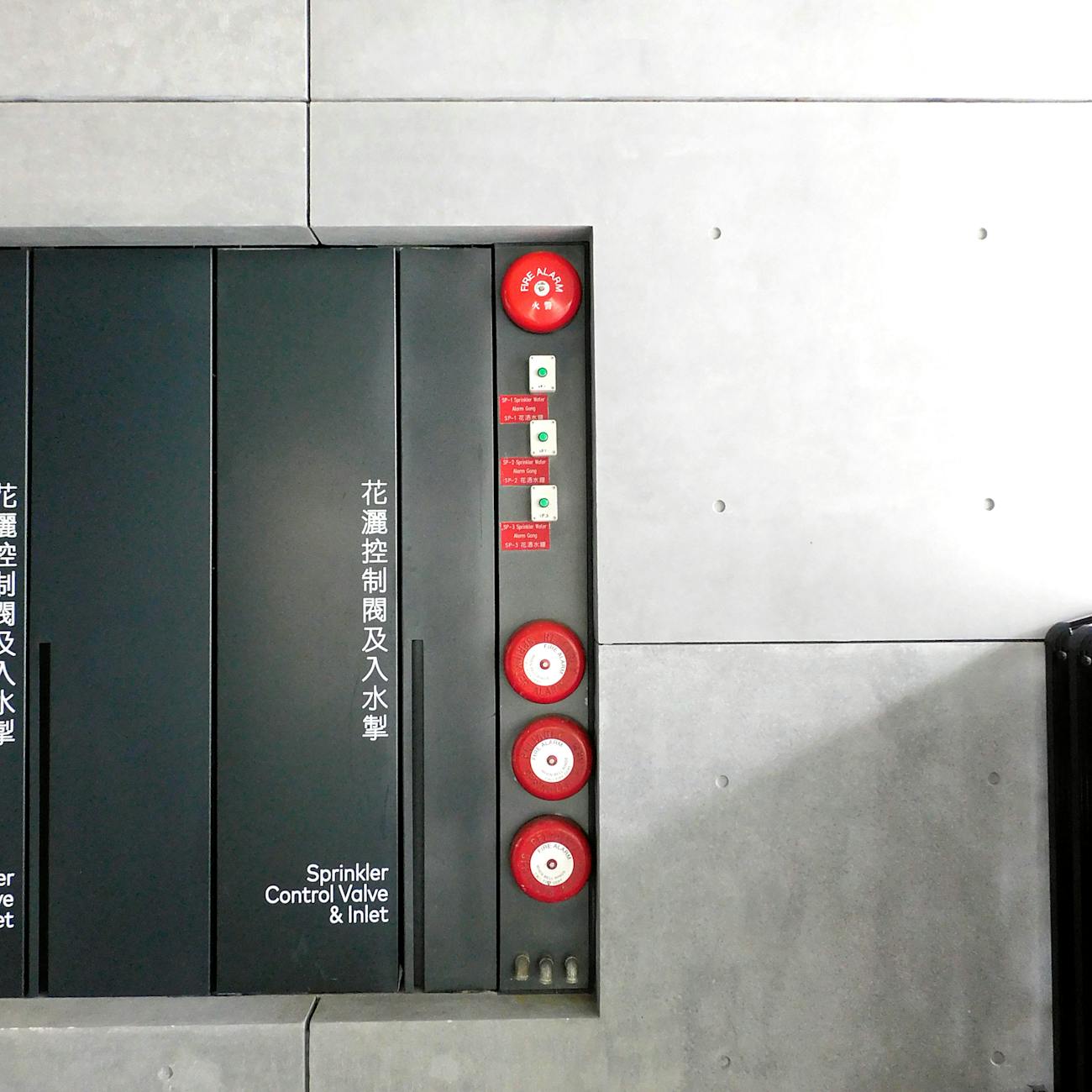
Fire risk assessment is the systematic process of identifying, analysing, and evaluating the potential for fire to occur within a given environment, and determining the appropriate measures to control or mitigate that risk. Understanding the terminology associated with fire risk assessment is essential for anyone involved in fire prevention, safety planning, or regulatory compliance. The following explanation provides a comprehensive glossary of key terms, illustrated with examples, practical applications, and common challenges encountered in the field.
Hazard – Any source of potential damage, injury, or loss. In fire safety, hazards are typically classified as ignition sources, combustible materials, or oxygen‑supplying elements. For example, an unattended candle in a conference room represents an ignition source, while a storage area filled with cardboard boxes constitutes a combustible material. Recognising hazards is the first step in any fire risk assessment.
Ignition source – Anything that can start a fire. Common ignition sources include open flames, electrical faults, hot surfaces, static electricity, and chemical reactions. A practical illustration: A faulty power strip that overheats can ignite nearby paper documents. The challenge lies in identifying hidden or intermittent ignition sources, such as a malfunctioning thermostat that cycles on and off without obvious signs of distress.
Combustible material – Substances that will burn when exposed to an ignition source. Materials are often classified by their fire class (A, B, C, D, or E) and by their fire rating (e.G., Low‑grade, medium‑grade, high‑grade). An example of a high‑grade combustible material is a stack of untreated timber pallets stored in a warehouse. Practical application: Reducing the amount of combustible material in high‑traffic areas can dramatically lower fire risk.
Fuel load – The total amount of combustible material present in a space, usually expressed in kilograms per square meter (kg/m²). A high fuel load increases both the likelihood of fire initiation and the potential fire growth rate. In a manufacturing plant, the presence of oil‑soaked rags, plastic components, and wooden crates can create a fuel load that exceeds recommended limits, prompting the need for stricter controls.
Oxygen source – Any element that supplies the oxygen required for combustion. While atmospheric oxygen is always present, additional sources such as compressed gas cylinders, chemical oxidisers, or even ventilation systems can accelerate fire development. For instance, a workshop that uses acetylene cylinders for welding provides an oxygen‑rich environment that can intensify a fire if an ignition source is present.
Fire risk – The combination of the likelihood that a fire will start and the severity of its consequences. Fire risk is expressed as a product of probability and impact, often visualised using a risk matrix. An example: A kitchen with a high probability of grease fires but low potential impact (due to limited occupancy) may be assessed as a moderate fire risk, whereas a chemical storage facility with a low probability but severe impact (e.G., Toxic smoke) could be classified as high risk.
Likelihood – The probability that a fire event will occur. Likelihood is usually rated on a scale (e.G., Rare, unlikely, possible, likely, almost certain). Determining likelihood requires data such as historical fire records, equipment maintenance logs, and observations of operational practices. In a data centre, the likelihood of a fire may be rated as low because of stringent electrical standards, yet the presence of high‑value equipment can still demand robust controls.
Severity – The potential consequences of a fire, measured in terms of injuries, loss of life, property damage, business interruption, and environmental impact. Severity is often categorised as minor, moderate, major, or catastrophic. A fire in a residential building could have a high severity due to the presence of occupants, whereas a fire in a vacant warehouse may be less severe but still cause significant property loss.
Risk matrix – A graphical tool that plots likelihood against severity to determine the overall risk rating. The matrix helps prioritise which hazards require immediate attention and which can be managed with routine controls. For example, a risk matrix may show that a “possible” likelihood combined with a “major” severity results in a “high” risk rating, prompting the implementation of additional safeguards.
Control measure – Any action taken to reduce fire risk, either by eliminating the hazard, reducing the likelihood of ignition, or limiting the severity of a fire. Controls can be administrative (e.G., Policies), engineering (e.G., Fire barriers), or personal (e.G., Protective equipment). An example of an engineering control is the installation of a fire‑resistant door that compartmentalises a high‑risk area, thereby limiting fire spread.
Hierarchy of controls – A prioritised approach to selecting control measures, ranging from most to least effective: Elimination, substitution, engineering controls, administrative controls, and personal protective equipment (PPE). The hierarchy encourages designers and managers to first consider removing the hazard entirely before resorting to less effective solutions. In practice, replacing a flammable solvent with a less hazardous alternative represents a substitution control, which ranks higher than merely posting “no smoking” signs (an administrative control).
Elimination – The most effective control, involving the complete removal of a fire hazard. For instance, eliminating the storage of combustible waste in a laboratory removes both the fuel load and part of the ignition risk. The challenge with elimination is that it may not always be feasible due to operational requirements.
Substitution – Replacing a hazardous material or process with a less hazardous one. A common substitution is using water‑based cleaning agents instead of solvent‑based products that have lower flash points. Substitution reduces the risk without compromising functionality, but it may introduce new hazards that must be evaluated.
Engineering control – Physical modifications to the environment that mitigate fire risk. Examples include fire doors, automatic sprinkler systems, smoke detection panels, and heat‑resistant barriers. Engineering controls are often mandated by building codes and standards. A practical application: Installing a heat‑sensing sprinkler head in a high‑temperature area, such as a furnace room, ensures that the system activates before the fire spreads.
Administrative control – Policies, procedures, training, and organisational measures designed to manage fire risk. These controls include regular inspection schedules, fire safety training, emergency response plans, and permit‑to‑work systems. For example, a weekly fire‑extinguisher inspection log is an administrative control that ensures equipment remains functional.
Personal protective equipment (PPE) – Gear worn by individuals to protect against fire hazards, such as flame‑resistant clothing, gloves, goggles, and respiratory protection. PPE is the least preferred control because it does not reduce the hazard itself; rather, it mitigates the impact on the user. In a fire‑fighting scenario, firefighters rely on PPE as a final line of defence after engineering and administrative controls have been applied.
Fire detection system – Devices that sense the presence of fire or its by‑products (heat, smoke, flame) and provide an alarm. Common types include smoke detectors, heat detectors, flame detectors, and multi‑sensor units. A practical example: Installing a combination smoke and heat detector in a storage room provides early warning for both smoldering and rapid‑growth fires. Challenges include false alarms caused by dust or steam, which can erode confidence in the system.
Fire alarm – The audible and/or visual signal that alerts occupants to a fire emergency. Fire alarms may be manual (pull stations) or automatic (triggered by detectors). In a large office building, a voice‑evacuation system may be used to give clear instructions, reducing panic and facilitating orderly escape.
Fire suppression system – Equipment that actively extinguishes or controls a fire. Types include water‑based sprinkler systems, foam systems, gaseous agents (e.G., CO₂, FM‑200), and dry‑chemical extinguishers. Selecting the appropriate suppression system depends on the fire class, the value of protected assets, and the potential for water damage. For example, a museum housing priceless artworks may opt for an inert gas system to avoid water‑related damage.
Sprinkler system – A network of pipes and sprinkler heads that discharge water when a fire‑induced temperature rise is detected. Sprinklers are among the most effective fire suppression methods, reducing fire growth and limiting damage. A common challenge is ensuring that sprinkler heads are not obstructed by stored items, which would impede water distribution.
Fire extinguisher – Portable devices used to combat small fires before they spread. Extinguishers are classified by the type of fire they are designed to tackle: Class A (ordinary combustibles), Class B (flammable liquids), Class C (electrical), Class D (metal), and Class K (cooking oils). Practical application: Placing a Class K extinguisher near a commercial kitchen ensures rapid response to grease fires, which are difficult to control with water.
Fire door – A door with a fire‑resistant rating (e.G., 30‑Minute, 60‑minute) that helps contain fire and smoke within a compartment. Fire doors must be self‑closing and free of obstructions. An example of a challenge: A fire door left open for convenience can compromise compartmentation, allowing fire to spread unchecked. Regular checks to confirm proper operation are essential.
Compartmentation – The subdivision of a building into fire‑resistant sections, limiting the spread of fire and smoke. Compartmentation is achieved through fire walls, fire doors, and fire‑rated ceilings. In a high‑rise office tower, compartmentation can provide vital time for occupants to evacuate and for fire services to gain control.
Means of escape – The routes available for occupants to leave a building safely during a fire, including corridors, stairwells, and exit doors. Means of escape must be unobstructed, clearly signed, and sufficiently wide to accommodate the maximum occupant load. A practical problem: Inadequate signage can cause confusion during an emergency, leading to delayed evacuation.
Emergency exit – A designated exit route that provides a direct path to safety, often equipped with panic hardware that allows doors to be opened from the inside without a key. Emergency exits should be distinct from regular doors to prevent misuse. For example, a laboratory may have a dedicated emergency exit that leads directly to an external fire‑rated stairwell.
Evacuation plan – A documented strategy that outlines how occupants will be alerted, assembled, and evacuated in the event of a fire. The plan includes roles and responsibilities, assembly points, and procedures for assisting vulnerable individuals. A well‑practised evacuation plan can reduce panic and ensure a swift, orderly exit.
Fire drill – A simulated fire emergency used to test the effectiveness of the evacuation plan, train occupants, and identify weaknesses. Drills should be conducted regularly (e.G., Quarterly) and involve all staff categories. An example of a challenge: Conducting drills without causing unnecessary disruption to critical operations, such as in a hospital, requires careful coordination.
Fire safety management system (FSMS) – An integrated set of policies, procedures, and resources designed to manage fire risk across an organisation. An FSMS typically includes risk assessment, training, maintenance, incident reporting, and continuous improvement processes. For a manufacturing plant, an FSMS may be aligned with ISO 45001, providing a framework for systematic fire risk management.
Fire safety policy – A written statement that outlines an organisation’s commitment to preventing fire, protecting people and assets, and complying with legislation. The policy sets the tone for the fire safety culture and should be endorsed by senior management. A practical illustration: A corporate fire safety policy may mandate monthly inspections of fire extinguishers and annual training for all staff.
Legislation – Laws and regulations governing fire safety, such as the Regulatory Reform (Fire Safety) Order in the United Kingdom, the NFPA codes in the United States, and the International Building Code (IBC) globally. Understanding applicable legislation is essential for compliance and for avoiding legal penalties.
Standard – Technical documents that provide specifications, guidelines, or procedures for fire safety measures. Examples include NFPA 13 (Standard for Sprinkler Systems), BS 9999 (Fire Safety in the Design, Management and Use of Buildings), and ISO 7240 (Fire Detection and Alarm Systems). Standards often form the basis for best‑practice implementation.
Code of practice – A document that offers practical advice on complying with legislation and standards. Codes of practice interpret legal requirements and provide examples of acceptable solutions. For instance, the UK’s Fire Safety – Risk Assessment guidance explains how to conduct a fire risk assessment in line with the law.
Fire risk assessment (FRA) methodology – The systematic approach used to identify hazards, evaluate risk, and implement controls. The methodology generally follows these steps: (1) Identify fire hazards, (2) assess the likelihood and severity, (3) determine risk rating, (4) select and implement control measures, (5) record findings, and (6) review and revise. Each step requires specific documentation and verification.
Risk register – A structured record of identified fire hazards, their assessed risk levels, and the controls in place. The register serves as a reference for management, auditors, and inspectors. An example entry might read: “Storage of oil‑filled drums in basement – Likelihood: Possible – Severity: Major – Risk rating: High – Control: Install fire‑resistant cabinets and conduct weekly inspections.”
Risk treatment – The process of selecting and applying controls to reduce fire risk to an acceptable level. Risk treatment may involve accepting the risk (if it is low and cost‑effective measures are unavailable), transferring the risk (through insurance), or mitigating it (through controls).
Residual risk – The level of risk that remains after controls have been applied. Residual risk must be evaluated to ensure it is within the organisation’s tolerance. For example, after installing a sprinkler system, the residual risk of fire spread may be low, but continuous monitoring is still required to confirm effectiveness.
Fire safety audit – A systematic examination of fire safety arrangements to verify compliance with legislation, standards, and internal policies. Audits may be internal or external and often result in recommendations for improvement.
Fire safety inspection – A routine visual check of fire protection equipment, escape routes, and other fire‑related components. Inspections are typically carried out on a scheduled basis (e.G., Quarterly) and documented using checklists.
Fire safety training – Educational programmes designed to equip occupants with knowledge and skills to prevent fires, use fire extinguishers, and evacuate safely. Training may be general (e.G., Awareness sessions) or specialised (e.G., Fire‑fighter training for high‑risk staff).
Fire safety culture – The shared attitudes, values, and behaviours that influence how fire safety is managed within an organisation. A strong safety culture encourages reporting of hazards, proactive maintenance, and continuous learning.
Fire scenario analysis – A detailed examination of potential fire incidents, considering ignition points, fuel loads, ventilation, and fire growth dynamics. Scenario analysis helps predict fire behaviour and informs the design of suppression and evacuation strategies.
Fire dynamics – The study of how fires develop, spread, and produce heat, smoke, and gases. Key concepts include the fire triangle (fuel, heat, oxygen), fire growth phases (ignition, growth, fully developed, decay), and the impact of ventilation on fire spread. Understanding fire dynamics is crucial for accurate risk assessment.
Fire load density – The measurement of the amount of combustible material per unit area, usually expressed in MJ/m² or kg/m². High fire load density indicates a greater potential for rapid fire development. For instance, a warehouse storing dense plastic pallets will have a higher fire load density than one storing empty cardboard boxes.
Flash point – The lowest temperature at which a liquid can produce enough vapour to ignite in the presence of an ignition source. Liquids with low flash points (e.G., Gasoline) are classified as high‑risk. Managing liquids with low flash points often involves using sealed containers and providing proper ventilation.
Auto‑ignition temperature – The temperature at which a material will spontaneously ignite without an external ignition source. Materials with low auto‑ignition temperatures (e.G., Some oils) require careful temperature monitoring.
Fire rating – The duration for which a building element (wall, floor, door) can withstand fire exposure while maintaining its structural integrity and limiting heat transmission. Ratings are typically expressed in minutes (e.G., 30‑Minute, 60‑minute). Selecting the correct fire rating is essential for compartmentation and overall building safety.
Fire‑resistant construction – Building elements designed to resist fire, often using materials such as concrete, fire‑treated timber, gypsum board, or fire‑resistant coatings. Fire‑resistant construction helps maintain stability during a fire and protects escape routes.
Fire‑stopping – Materials and methods used to seal penetrations (e.G., Pipe sleeves, cable trays) through fire‑rated walls or floors, preventing fire and smoke from spreading. Proper fire‑stopping is critical in maintaining the integrity of compartmentation.
Smoke control system – Mechanical or passive systems that manage the movement of smoke, typically using pressurisation, extraction fans, or smoke curtains. Effective smoke control improves visibility for occupants and reduces the risk of smoke inhalation.
Smoke detector – A device that senses smoke particles and triggers an alarm. Smoke detectors can be ionisation, photo‑electric, or combination types. Photo‑electric detectors are generally more sensitive to smoldering fires, while ionisation detectors respond quickly to flaming fires.
Heat detector – A device that senses temperature rise and activates an alarm. Heat detectors are often used in environments where smoke detectors may give false alarms, such as dusty workshops or kitchens.
Flame detector – A sensor that detects the presence of flame using infrared, ultraviolet, or combined technologies. Flame detectors are used in high‑risk areas like fuel storage tanks or petrochemical plants.
Fire alarm control panel (FACP) – The central hub that receives signals from detectors, processes them, and initiates alarms, notifications, and sometimes automatic suppression actions. Modern FACP units may integrate with building management systems for comprehensive monitoring.
Fire alarm addressable system – A system where each detector or device has a unique identifier, allowing precise location of the fault or fire source. Addressable systems improve response times and reduce the time spent investigating false alarms.
Manual call point (MCP) – A device that allows occupants to manually activate the fire alarm by breaking a glass or pressing a button. MCPs are strategically placed near exits and in high‑traffic areas.
Fire brigade interface – The point at which a building’s fire alarm system communicates with the local fire service, often via a dedicated line or wireless transmission. Proper interface ensures that the fire brigade is alerted promptly and can respond efficiently.
Fire safety signage – Visual symbols that convey fire‑related information, such as exit routes, fire extinguisher locations, and assembly points. Signage must meet standards (e.G., ISO 7010) for consistency and legibility.
Fire hydrant – An external water supply point used by fire brigades to connect hoses and draw water for firefighting. Hydrants must be accessible, clearly marked, and maintained to ensure operability.
Fire pump – A mechanical device that increases water pressure in fire sprinkler systems, ensuring adequate flow to the most remote sprinkler heads. Pumps may be powered by electric motors, diesel engines, or steam.
Fire water storage – Tanks or reservoirs that store water for fire protection purposes. The required volume depends on the building’s fire load, occupancy, and local fire codes.
Fire suppression agent – The substance used to extinguish a fire, such as water, foam, CO₂, or dry chemicals. Selection of the appropriate agent depends on the fire class and the assets being protected.
Fire protection engineering – The discipline that applies engineering principles to design, analyse, and optimise fire safety systems. Fire protection engineers work on modelling fire growth, assessing structural integrity, and specifying detection and suppression solutions.
Fire modelling software – Computer tools that simulate fire behaviour, smoke movement, and temperature distribution. Examples include FDS (Fire Dynamics Simulator) and PyroSim. These tools assist in scenario analysis and help validate design decisions.
Fire risk matrix – A tabular representation that aligns the probability of fire occurrence with the potential impact, producing a colour‑coded risk rating (e.G., Green, yellow, red). The matrix aids decision‑makers in prioritising actions.
Fire safety officer (FSO) – A designated individual responsible for overseeing fire safety compliance, conducting inspections, and coordinating training. The FSO often acts as the liaison between management, occupants, and regulatory authorities.
Fire safety committee – A group of representatives from various departments who collaborate on fire safety matters, review risk assessments, and monitor implementation of controls. The committee ensures that fire safety is integrated into everyday operations.
Fire incident report – A documented account of a fire event, detailing the cause, response actions, damages, and lessons learned. Incident reports are vital for continuous improvement and may be required for insurance or regulatory purposes.
Fire investigation – The systematic process of determining the origin, cause, and development of a fire. Investigators gather evidence, interview witnesses, and analyse physical clues to produce a conclusive report.
Fire cause – The underlying factor that initiated the fire, such as electrical failure, human error, or spontaneous combustion. Identifying the cause is essential for preventing recurrence.
Fire origin – The specific location where the fire started. Pinpointing the origin helps focus corrective actions on the most vulnerable area.
Fire spread – The movement of fire from its point of origin to adjacent spaces, driven by heat, flame, and smoke. Understanding spread pathways informs the design of barriers and ventilation controls.
Fire growth rate – The speed at which a fire increases in size and intensity, often expressed in kW/min. Growth rate is influenced by fuel type, ventilation, and heat release rate.
Fire load factor – A coefficient used to adjust fire load calculations based on the type of material, arrangement, and density. The factor helps refine risk assessments for mixed‑use spaces.
Fire protection plan – A comprehensive document that outlines fire safety strategies, system specifications, maintenance schedules, and emergency procedures. The plan serves as a reference for designers, contractors, and operators.
Fire safety audit checklist – A structured list of items to verify during an audit, covering equipment, documentation, training, and compliance. Checklists promote consistency and thoroughness.
Fire safety management software – Digital platforms that facilitate risk register maintenance, inspection scheduling, training tracking, and incident reporting. Examples include Gensuite, iAuditor, and SafetyCulture.
Fire evacuation drill – A practice exercise that tests the effectiveness of the evacuation plan, including alarm activation, occupant response, and assembly point verification. Drills should be varied (day, night, weekend) to assess different scenarios.
Fire safety signage compliance – The requirement that all signs meet regulatory standards for size, colour, symbol, and placement. Non‑compliant signage can lead to confusion and legal penalties.
Fire safety policy statement – A concise declaration of an organisation’s commitment to fire safety, typically signed by senior management. The statement sets the tone for the entire fire safety programme.
Fire safety training record – Documentation that confirms which individuals have completed required training, the content covered, and the dates of completion. Accurate records are essential for compliance verification.
Fire safety risk assessment report – The formal output of the risk assessment process, summarising findings, risk ratings, recommended controls, and action plans. The report is often reviewed by management and retained for audit purposes.
Fire safety maintenance schedule – A timetable that outlines routine checks, testing, and servicing of fire protection equipment. Maintenance schedules must align with manufacturer recommendations and statutory intervals.
Fire safety testing – The process of verifying that detection and alarm devices function correctly, typically involving functional tests, sensitivity checks, and integrated system trials.
Fire safety commissioning – The initial verification and documentation of fire protection systems before they are placed into service, ensuring they meet design intent and regulatory requirements.
Fire safety de‑commissioning – The systematic removal or isolation of fire protection systems that are no longer required, ensuring that the building remains safe and compliant during the transition.
Fire safety hazard identification – The activity of systematically locating potential fire sources, fuel, and oxygen supplies within a facility. Hazard identification often uses checklists, walk‑throughs, and consultation with staff.
Fire safety risk analysis – The quantitative or qualitative evaluation of identified hazards, determining the likelihood and potential impact, and assigning a risk rating.
Fire safety risk mitigation – The implementation of controls to lower risk to an acceptable level, following the hierarchy of controls.
Fire safety compliance audit – An external review that assesses whether an organisation meets statutory fire safety obligations, often conducted by accredited bodies.
Fire safety certification – Official recognition that a system or component complies with relevant standards, such as a sprinkler system certified to NFPA 13.
Fire safety engineering report – A technical document that presents the engineering analysis, design calculations, and justification for fire safety measures.
Fire safety cost‑benefit analysis – An evaluation that compares the expense of implementing controls with the anticipated reduction in fire loss, helping to prioritise investments.
Fire safety risk tolerance – The level of risk that an organisation is willing to accept, based on strategic objectives, legal requirements, and stakeholder expectations.
Fire safety incident command system (ICS) – A structured approach to managing emergency response, defining roles such as Incident Commander, Operations Section Chief, and Safety Officer.
Fire safety response time – The interval between fire detection and the initiation of suppression actions, critical for limiting fire growth.
Fire safety performance indicator (SPI) – Metrics used to monitor the effectiveness of fire safety programmes, such as the number of fire drills completed, inspection compliance rate, or average response time.
Fire safety audit finding – A specific observation identified during an audit, often accompanied by a recommendation for corrective action.
Fire safety corrective action – The steps taken to address audit findings, improve controls, and restore compliance.
Fire safety preventive maintenance – Routine upkeep activities designed to keep fire protection equipment in optimal working condition, reducing the likelihood of failure during an emergency.
Fire safety emergency response plan (ERP) – A detailed protocol that outlines how to manage fire emergencies, including communication, evacuation, and liaison with external responders.
Fire safety training curriculum – The structured content delivered during training sessions, covering topics such as fire fundamentals, equipment use, and evacuation procedures.
Fire safety awareness campaign – An initiative aimed at increasing knowledge and promoting fire‑safe behaviours among occupants, often using posters, newsletters, and digital media.
Fire safety behavioural observation – The practice of monitoring how individuals act in relation to fire safety, identifying unsafe practices such as propping open fire doors.
Fire safety incident log – A chronological record of all fire‑related events, near‑misses, and observations, providing valuable data for trend analysis.
Fire safety risk communication – The process of conveying risk information to stakeholders in a clear, understandable manner, fostering engagement and compliance.
Fire safety stakeholder engagement – Involving employees, contractors, occupants, and regulators in fire safety planning and decision‑making, enhancing ownership and effectiveness.
Fire safety continuous improvement – The ongoing cycle of reviewing performance, learning from incidents, and refining controls to achieve higher safety standards.
Fire safety benchmarking – Comparing an organisation’s fire safety performance against industry peers or best‑practice standards to identify gaps and opportunities.
Fire safety best practice – Proven methods that consistently achieve desirable outcomes, such as regular testing of fire alarm panels or the use of fire‑rated glazing in high‑rise windows.
Fire safety regulatory compliance – Adhering to all applicable laws, codes, and standards governing fire safety. Non‑compliance can result in fines, legal action, or shutdown orders.
Fire safety liability – The legal responsibility an organisation holds for fire‑related injuries, property loss, or environmental damage. Liability can stem from negligence, inadequate controls, or failure to maintain equipment.
Fire safety insurance – Policies that provide financial protection against fire loss, often requiring proof of adequate fire safety measures as a condition of coverage.
Fire safety risk transfer – Shifting the financial consequences of fire risk to a third party, typically through insurance or contractual arrangements.
Fire safety risk acceptance – The decision to retain a known risk when the cost of additional controls outweighs the benefit, accompanied by documented justification.
Fire safety risk sharing – Distributing risk among multiple parties, such as joint‑venture partners, through contractual agreements.
Fire safety documentation control – The systematic management of fire safety records, ensuring that documents are current, accessible, and protected from unauthorised alteration.
Fire safety record keeping – The practice of maintaining accurate logs for inspections, tests, training, incidents, and equipment maintenance.
Fire safety emergency communication system – The infrastructure used to alert occupants and external responders during a fire, including public address systems, SMS alerts, and digital signage.
Fire safety evacuation modelling – The use of software to simulate occupant movement during an evacuation, helping to identify bottlenecks and optimise exit design.
Fire safety smoke management – Strategies that control the movement of smoke, such as pressurised stairwells, smoke vents, and fire‑rated doors, to preserve egress routes.
Fire safety lighting – Emergency illumination that activates during a power loss, guiding occupants to exits. Lighting must be maintained and tested regularly.
Fire safety signage placement – The strategic location of signs to maximise visibility and comprehension, typically at eye level and near exit routes.
Fire safety door hardware – Components such as hinges, locks, and closers that ensure fire doors function correctly. Regular inspection of hardware prevents inadvertent door propping.
Fire safety door self‑closing mechanism – A device that automatically returns a fire door to the closed position after it has been opened, preserving compartmentation.
Fire safety door fire‑rating label – The marking indicating the door’s fire resistance duration, essential for verification during inspections.
Fire safety fire‑resistant glazing – Specialized glass that can withstand fire exposure for a specified period, used in windows and curtain walls to maintain compartmentation.
Fire safety fire‑rated floor assembly – A construction system that provides fire resistance between levels, often using concrete slabs or fire‑resistant decking.
Fire safety fire‑resistant wall assembly – Walls built with materials and configurations designed to resist fire penetration, such as masonry with fire‑rated plasterboard.
Fire safety fire‑stop sealant – A material applied around penetrations to prevent fire and smoke from passing through openings, crucial for maintaining fire‑rating integrity.
Fire safety fire‑resistant coating – A spray‑applied layer that enhances the fire performance of structural steel or other substrates, extending the time before structural failure.
Fire safety fire‑resistant cable tray – Cable management systems constructed from fire‑rated materials, preventing the spread of fire through electrical pathways.
Fire safety fire‑resistant ductwork – Air distribution components designed to resist fire, ensuring that ventilation systems do not act as conduits for fire spread.
Fire safety fire‑resistant insulation – Insulation products that maintain their integrity under fire exposure, helping to preserve the fire rating of walls and ceilings.
Fire safety fire‑rated curtain wall – External façade systems that meet fire resistance standards, preventing fire from propagating across the building envelope.
Fire safety fire‑resistance testing – Laboratory procedures that evaluate the performance of fire‑rated components under controlled fire conditions, providing certification for compliance.
Fire safety fire‑resistance certificate – Documentation that confirms a product’s fire rating, issued after successful testing according to recognised standards.
Fire safety fire‑resistance documentation – The collection of test reports, certificates, and technical data that support the fire rating claims of building elements.
Fire safety fire‑resistance maintenance – Ongoing activities to preserve the fire performance of components, such as repainting fire‑resistant coatings before they degrade.
Fire safety fire‑resistance verification – The process of confirming that installed fire‑rated assemblies meet design specifications, often performed during commissioning.
Fire safety fire‑resistance degradation – The loss of fire performance over time due to factors like corrosion, mechanical damage, or exposure to chemicals. Regular inspections help detect degradation early.
Fire safety fire‑resistance restoration – The remedial work required to reinstate the fire rating of an element, such as replacing damaged fire‑rated doors or re‑applying fire‑resistant paint.
Fire safety fire‑resistance compliance audit – An evaluation focused on verifying that fire‑rated assemblies remain in accordance with standards and regulatory requirements.
Fire safety fire‑resistance management plan – A structured approach to maintaining the fire performance of building components throughout their service life.
Fire safety fire‑resistance training – Instruction for maintenance personnel on the proper handling, inspection, and repair of fire‑rated elements.
Fire safety fire‑resistance best practice guide – A reference document that outlines recommended procedures for preserving fire‑rated assemblies, often produced by industry associations.
Fire safety emergency power supply – Backup generators or UPS systems that ensure fire detection, alarm, and evacuation lighting remain operational during a power outage.
Fire safety backup battery – Energy storage devices that provide short‑term power to critical fire safety equipment, such as alarm panels, during mains failure.
Fire safety fire‑fighter access route – Designated pathways that allow fire crews to reach fire‑affected areas quickly, free from obstacles and clearly marked.
Fire safety fire‑fighter equipment – Specialized tools and protective gear used by fire personnel, including breathing apparatus, thermal imaging cameras, and fire‑resistant helmets.
Fire safety fire‑fighter communication protocol – Standardised language and procedures that facilitate clear exchange of information among fire crews during an incident.
Fire safety fire‑fighter coordination – The collaborative effort between internal response teams and external fire services to manage a fire incident efficiently.
Fire safety fire‑fighter incident command post – The on‑site location where fire commanders direct operations, coordinate resources, and communicate with stakeholders.
Fire safety fire‑fighter decontamination – Procedures for cleaning equipment and personnel after exposure to hazardous substances, ensuring safety and readiness for subsequent incidents.
Fire safety fire‑fighter post‑incident review – A debriefing session that analyses the response, identifies successes and deficiencies, and captures lessons learned for future improvement.
Key takeaways
- Fire risk assessment is the systematic process of identifying, analysing, and evaluating the potential for fire to occur within a given environment, and determining the appropriate measures to control or mitigate that risk.
- For example, an unattended candle in a conference room represents an ignition source, while a storage area filled with cardboard boxes constitutes a combustible material.
- The challenge lies in identifying hidden or intermittent ignition sources, such as a malfunctioning thermostat that cycles on and off without obvious signs of distress.
- Practical application: Reducing the amount of combustible material in high‑traffic areas can dramatically lower fire risk.
- In a manufacturing plant, the presence of oil‑soaked rags, plastic components, and wooden crates can create a fuel load that exceeds recommended limits, prompting the need for stricter controls.
- While atmospheric oxygen is always present, additional sources such as compressed gas cylinders, chemical oxidisers, or even ventilation systems can accelerate fire development.
- An example: A kitchen with a high probability of grease fires but low potential impact (due to limited occupancy) may be assessed as a moderate fire risk, whereas a chemical storage facility with a low probability but severe impact (e.