
Freight And Demurrage
Freight is a critical component of the shipping industry, and it refers to the cost of transporting goods from one place to another. This cost is usually paid by the shipper or the consignee , depending on the terms of the sale or the agree…
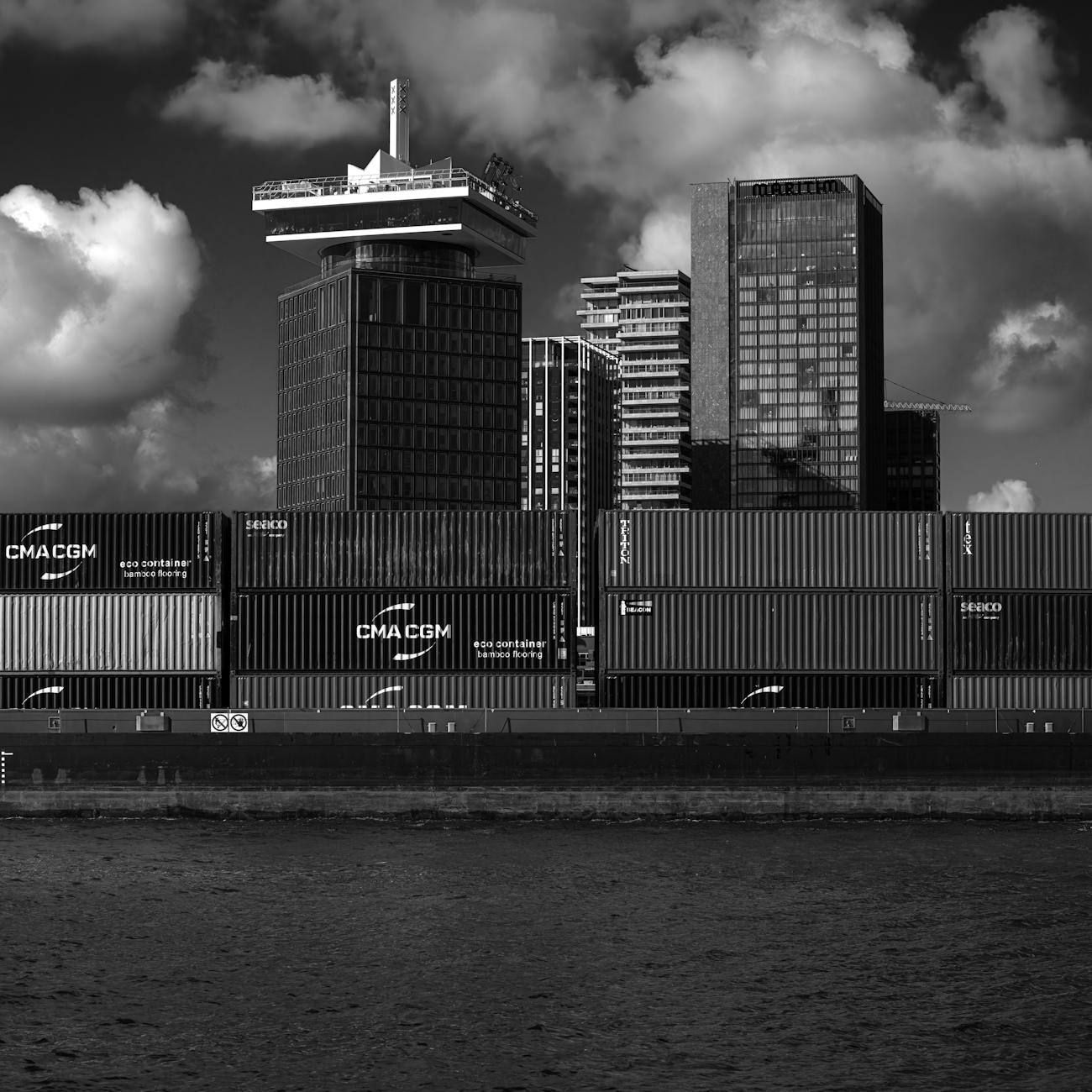
Freight is a critical component of the shipping industry, and it refers to the cost of transporting goods from one place to another. This cost is usually paid by the shipper or the consignee, depending on the terms of the sale or the agreement between the parties involved. Freight can be calculated in various ways, including by weight, volume, or a combination of both. For example, a shipper may pay a certain amount per ton of cargo, or a certain amount per cubic meter of cargo. The freight rate is usually determined by the carrier or the shipping line, and it can vary depending on a number of factors, including the type of cargo, the route, and the level of service required.
Demurrage, on the other hand, is a charge that is levied on the shipper or the consignee for delaying the loading or unloading of cargo beyond a certain period of time. This charge is usually calculated on a per-day basis, and it can be quite substantial. Demurrage is intended to encourage the shipper or consignee to load or unload the cargo as quickly as possible, in order to avoid incurring additional costs. For example, if a shipper is supposed to load a cargo of containers within three days, but they take five days to do so, they may be charged demurrage for the additional two days.
It is worth noting that demurrage is not the same as detention, although the two terms are often used interchangeably. Detention refers to the delay of a ship or a vehicle, usually due to circumstances beyond the control of the shipper or consignee. For example, if a ship is delayed due to bad weather, the shipper or consignee may not be charged demurrage, but they may be charged detention. However, if the delay is due to the fault of the shipper or consignee, such as not having the cargo ready on time, they may be charged demurrage.
In addition to freight and demurrage, there are several other charges that may be levied on the shipper or consignee, including terminal handling charges, documentation fees, and insurance premiums. Terminal handling charges refer to the cost of loading or unloading the cargo at the terminal, while documentation fees refer to the cost of preparing and processing the necessary documents, such as the bill of lading and the commercial invoice. Insurance premiums, on the other hand, refer to the cost of insuring the cargo against loss or damage during transit.
The incoterms are a set of rules that are used to define the responsibilities of the buyer and the seller in the sale of goods. They were developed by the ICC, or the International Chamber of Commerce, and they are widely used in international trade. The incoterms specify the point at which the risk of loss or damage passes from the seller to the buyer, as well as the point at which the cost of transportation is transferred from the seller to the buyer. For example, if the incoterm is CIF, or cost, insurance, and freight, the seller is responsible for paying the cost of transportation, as well as the cost of insurance, up to the point of delivery. On the other hand, if the incoterm is FOB, or free on board, the buyer is responsible for paying the cost of transportation, as well as the cost of insurance, from the point of loading.
The charter party is a contract between the shipowner and the charterer that specifies the terms and conditions of the charter. The charter party may include details such as the type of cargo to be carried, the route to be taken, and the level of service required. It may also specify the freight rate, as well as any additional charges that may be levied. For example, the charter party may specify that the charterer is responsible for paying a certain amount per ton of cargo, as well as any demurrage or detention charges that may be incurred.
The bill of lading is a document that serves as a receipt for the cargo, as well as a contract between the shipper and the carrier. The bill of lading specifies the type and quantity of cargo, as well as the point of loading and the point of delivery. It may also include details such as the freight rate, as well as any additional charges that may be levied. The bill of lading is usually issued by the carrier or the shipowner, and it is an important document in the shipping industry.
The commercial invoice is a document that specifies the value of the cargo, as well as any additional charges that may be levied. The commercial invoice is usually prepared by the shipper or the seller, and it is used to determine the amount of duty or tax that may be payable on the cargo. The commercial invoice may also be used to verify the value of the cargo, in case of loss or damage during transit.
The certificate of origin is a document that specifies the country of origin of the cargo. The certificate of origin is usually prepared by the shipper or the seller, and it is used to determine the amount of duty or tax that may be payable on the cargo. The certificate of origin may also be used to verify the quality or the standard of the cargo, in case of any disputes or claims.
In addition to these documents, there are several other forms and certificates that may be required in the shipping industry, including the packing list, the weight certificate, and the phytosanitary certificate. The packing list is a document that specifies the type and quantity of cargo, as well as the point of loading and the point of delivery. The weight certificate is a document that specifies the weight of the cargo, and it is usually required for customs clearance. The phytosanitary certificate is a document that specifies that the cargo is free from any pests or diseases, and it is usually required for the importation of agricultural products.
The shipping industry is a complex and regulatory industry, and it is subject to a wide range of laws and regulations. For example, the IMDG code, or the international maritime dangerous goods code, specifies the requirements for the transportation of dangerous goods by sea. The SOLAS convention, or the safety of life at sea convention, specifies the requirements for the safety of ships and crew. The MARPOL convention, or the marine pollution convention, specifies the requirements for the prevention of pollution from ships.
The shipowner or the carrier has a number of responsibilities in the shipping industry, including the safety of the ship and the crew, as well as the security of the cargo. The shipowner or the carrier must also comply with all applicable laws and regulations, including those related to customs, immigration, and quarantine. In addition, the shipowner or the carrier must have adequate insurance coverage, including hull and machinery insurance, as well as liability insurance.
The charterer also has a number of responsibilities in the shipping industry, including the payment of freight and any additional charges that may be levied. The charterer must also comply with all applicable laws and regulations, including those related to customs, immigration, and quarantine. In addition, the charterer must have adequate insurance coverage, including cargo insurance, as well as liability insurance.
The shipper or the consignee also has a number of responsibilities in the shipping industry, including the payment of freight and any additional charges that may be levied. The shipper or the consignee must also comply with all applicable laws and regulations, including those related to customs, immigration, and quarantine. In addition, the shipper or the consignee must have adequate insurance coverage, including cargo insurance, as well as liability insurance.
In terms of challenges and risks, the shipping industry is subject to a wide range of hazards and uncertainties, including weather conditions, mechanical failures, and human error. The shipping industry is also subject to a number of regulatory risks, including changes to laws and regulations, as well as the risk of non-compliance with applicable laws and regulations. In addition, the shipping industry is subject to a number of commercial risks, including the risk of non-payment of freight or other charges, as well as the risk of loss or damage to the cargo.
To mitigate these risks and challenges, the shipping industry uses a number of tools and techniques, including insurance coverage, hedging, and diversification. The shipping industry also uses a number of best practices and standards, including the ISM code, or the international safety management code, as well as the ISPS code, or the international ship and port facility security code. In addition, the shipping industry uses a number of technologies and systems, including GPS, or global positioning system, as well as AIS, or automatic identification system.
The future of the shipping industry is likely to be shaped by a number of trends and developments, including the increasing use of technology and automation, as well as the growing importance of sustainability and environmental concerns. The shipping industry is also likely to be affected by changes to laws and regulations, as well as by shifts in global trade patterns and economic trends. To remain competitive and successful in this environment, the shipping industry will need to be flexible and adaptable, as well as innovative and proactive.
In terms of careers and job opportunities, the shipping industry offers a wide range of roles and positions, including deck officers, engine officers, and shore-based staff. The shipping industry also offers a number of specialized careers, including chartering, brokerage, and ship management. To pursue a career in the shipping industry, individuals will typically need to have a strong background in mathematics and science, as well as good communication and problem-solving skills. They will also need to be flexible and adaptable, as well as willing to work in a fast-paced and dynamic environment.
The education and training requirements for a career in the shipping industry will vary depending on the specific role or position. However, most positions will require a degree or diploma in a relevant field, such as marine engineering, nautical science, or business administration. Many positions will also require certification or licensing, such as a master mariner's certificate or a chartered shipbroker's designation. In addition, many positions will require on-the-job training and experience, as well as continuing education and professional development.
In terms of salary and benefits, the shipping industry offers a wide range of compensation packages, depending on the specific role or position. However, most positions will offer a competitive salary, as well as benefits such as health insurance, retirement plans, and paid time off. Many positions will also offer opportunities for advancement and career development, as well as chances to work in a dynamic and global environment.
The shipping industry is a complex and global industry, and it plays a critical role in the movement of goods and commodities around the world. The industry is subject to a wide range of laws and regulations, as well as risks and challenges. However, the industry also offers a wide range of opportunities and rewards, including challenging and rewarding careers, as well as competitive salaries and benefits. As the industry continues to evolve and grow, it will be important for professionals and organizations to stay up-to-date with the latest trends and developments, as well as to adapt to the changing needs and requirements of the industry.
The global economy is becoming increasingly interconnected, and the shipping industry plays a critical role in the movement of goods and commodities around the world. The industry is subject to a wide range of influences and forces, including global trade agreements, economic trends, and regulatory requirements.
The shipping industry is a complex and multi-faceted industry, and it requires a wide range of skills and knowledge to navigate successfully. The industry is subject to a wide range of risks and challenges, including weather conditions, mechanical failures, and human error.
The shipping industry is a critical component of the global economy, and it plays a vital role in the movement of goods and commodities around the world.
In terms of future developments, the shipping industry is likely to be shaped by a number of trends and forces, including the increasing use of technology and automation, as well as the growing importance of sustainability and environmental concerns. The industry is also likely to be affected by changes to laws and regulations, as well as by shifts in global trade patterns and economic trends.
The shipping industry is a complex and dynamic industry, and it requires a wide range of skills and knowledge to navigate successfully.
Key takeaways
- The freight rate is usually determined by the carrier or the shipping line, and it can vary depending on a number of factors, including the type of cargo, the route, and the level of service required.
- Demurrage, on the other hand, is a charge that is levied on the shipper or the consignee for delaying the loading or unloading of cargo beyond a certain period of time.
- However, if the delay is due to the fault of the shipper or consignee, such as not having the cargo ready on time, they may be charged demurrage.
- In addition to freight and demurrage, there are several other charges that may be levied on the shipper or consignee, including terminal handling charges, documentation fees, and insurance premiums.
- The incoterms specify the point at which the risk of loss or damage passes from the seller to the buyer, as well as the point at which the cost of transportation is transferred from the seller to the buyer.
- For example, the charter party may specify that the charterer is responsible for paying a certain amount per ton of cargo, as well as any demurrage or detention charges that may be incurred.
- The bill of lading is a document that serves as a receipt for the cargo, as well as a contract between the shipper and the carrier.