
Decontamination Methods And Techniques
Decontamination is the overarching process of removing or destroying harmful microorganisms from medical equipment, surfaces, and environments to prevent infection transmission. In the NHS context, it includes all stages from initial cleani…
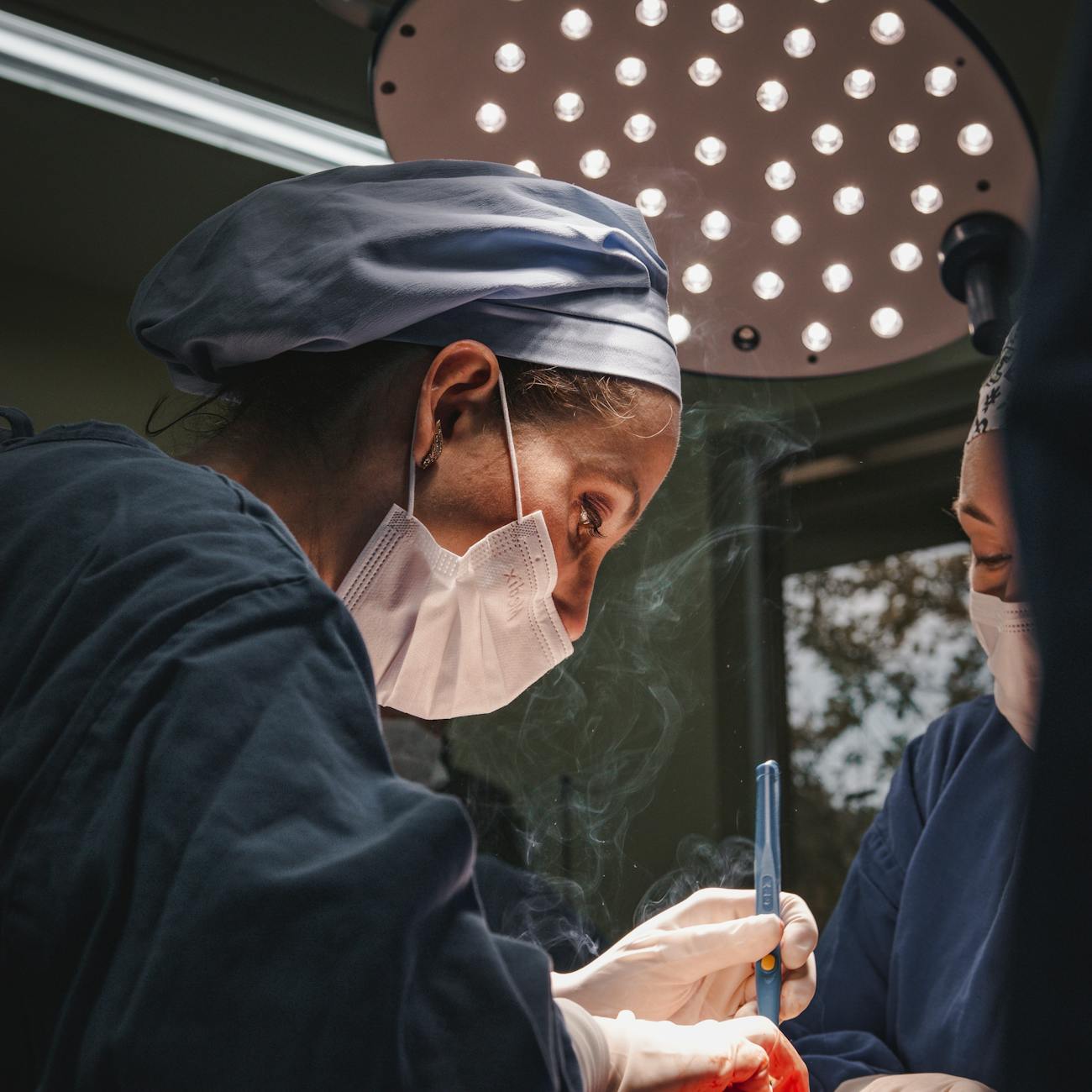
Decontamination is the overarching process of removing or destroying harmful microorganisms from medical equipment, surfaces, and environments to prevent infection transmission. In the NHS context, it includes all stages from initial cleaning to final sterilisation, ensuring that each instrument is safe for patient use. The term is often used interchangeably with “reprocessing,” but decontamination specifically refers to the actions that reduce microbial load, whereas reprocessing includes inspection, assembly, and packaging as well.
Cleaning is the first critical step in any decontamination cycle. It involves the physical removal of organic matter such as blood, tissue, and body fluids from the surface of instruments. Effective cleaning reduces the bioburden, which is the quantity of microorganisms present before disinfection or sterilisation. For example, a surgical scalpel used in a routine operation must be manually scrubbed with a soft brush and an enzymatic detergent to break down protein residues before it enters an automated washer‑disinfector. Challenges commonly arise when instruments have intricate hinges or lumens that trap debris, requiring specialised brushes or ultrasonic agitation to achieve thorough cleaning.
Detergent refers to a cleaning agent that lowers surface tension, allowing water to penetrate and remove soils. Detergents can be classified as alkaline, neutral, or acidic, each suited to different material types. Alkaline detergents, such as those containing sodium hydroxide, are effective for removing fatty residues but may corrode delicate optics. Neutral detergents are generally preferred for most stainless‑steel instruments because they preserve surface integrity while still providing sufficient cleaning power. When selecting a detergent, it is essential to consider the compatibility with the instrument’s material and the type of soil present.
Enzymatic Cleaner contains proteases, lipases, and amylases that catalyse the breakdown of proteins, fats, and carbohydrates. These cleaners are especially useful for instruments that have been heavily contaminated with organic tissue, such as endoscopes. By hydrolysing the organic material into smaller, more soluble fragments, enzymatic cleaners facilitate easier removal during the subsequent rinsing phase. A practical example is the use of a protease‑based solution for cleaning flexible bronchoscopes after a bronchoscopy, where mucus and secretions can be particularly tenacious.
Disinfection is a process that eliminates most pathogenic microorganisms, except for bacterial spores, from inanimate objects. Disinfection levels are categorised as low, intermediate, and high, each defined by the degree of microbial reduction achieved. Low‑level disinfection typically kills vegetative bacteria and some viruses but does not reliably inactivate mycobacteria or spores. Intermediate‑level disinfection adds efficacy against mycobacteria and certain resistant viruses, while high‑level disinfection (HLD) approaches sterilisation by destroying all microorganisms except spores. In practice, a reusable blood pressure cuff may undergo low‑level disinfection with a quaternary ammonium compound after each patient use, whereas a semi‑critical device like a laryngoscope blade requires HLD to meet safety standards.
High‑Level Disinfection (HLD) is commonly achieved using chemical agents such as glutaraldehyde, ortho‑phthalaldehyde (OPA), or peracetic acid. These agents are capable of penetrating biofilms and inactivating a broad spectrum of pathogens, including viruses, bacteria, fungi, and mycobacteria. For instance, a flexible fiberoptic endoscope is often immersed in a 0.55 % Glutaraldehyde solution for a minimum of 20 minutes to achieve HLD. However, challenges include the toxic vapour released by glutaraldehyde, which can cause respiratory irritation for staff, and the need for strict exposure time monitoring to ensure efficacy.
Low‑Level Disinfection (LLD) typically employs agents such as quaternary ammonium compounds, phenolics, or diluted alcohol solutions. These are suitable for non‑critical items that contact only intact skin, such as stethoscope diaphragms or bedside tables. An example of LLD in the NHS is the routine wiping of a patient’s bedside rail with a 0.1 % Quaternary ammonium solution after each patient discharge. The main limitation of LLD is its insufficient activity against resistant organisms, necessitating a higher level of disinfection for semi‑critical devices.
Intermediate‑Level Disinfection (ILD) is achieved with agents like chlorine dioxide or iodine‑based compounds, which provide broader antimicrobial activity than LLD but are less harsh than HLD chemicals. ILD is often applied to semi‑critical devices that cannot tolerate the corrosive nature of HLD agents. A practical scenario involves the use of a chlorine dioxide wipe on a reusable laryngoscope handle that is made of a polymer susceptible to glutaraldehyde damage. The challenge with ILD lies in ensuring adequate contact time and proper rinsing to prevent residual chemical irritation.
Sterilisation is the definitive decontamination step that destroys all forms of microbial life, including bacterial spores. Sterilisation methods can be physical, chemical, or a combination of both. In the NHS, the most common sterilisation modalities include steam sterilisation, low‑temperature hydrogen peroxide plasma, ethylene oxide gas, and peracetic acid immersion. Each method has specific indications based on instrument material, complexity, and intended use.
Steam Sterilisation (autoclaving) utilises saturated steam under pressure to achieve rapid heat penetration. The standard cycle for most surgical instruments is 121 °C for 15 minutes at 15 psi, providing a log reduction of 6 (a 10⁶‑fold decrease) in spore count. Steam sterilisation is highly effective for heat‑stable, non‑porous instruments such as stainless‑steel trays and metal clamps. However, instruments with electronic components or heat‑sensitive polymers cannot be processed in an autoclave, necessitating alternative low‑temperature methods.
Dry Heat Sterilisation employs hot air at temperatures typically ranging from 160 °C to 180 °C for extended periods (e.G., 2 Hours). This method is suitable for items that may corrode under moist heat, such as glassware, powders, and some metal instruments. A challenge with dry heat is the longer cycle time compared to steam, which can affect workflow in busy clinical environments.
Hydrogen Peroxide Plasma is a low‑temperature sterilisation technique that generates a plasma field from vaporised hydrogen peroxide, achieving sterilisation at temperatures below 55 °C. The process is rapid (often under 30 minutes) and compatible with delicate instruments like endoscopes, ophthalmic lenses, and certain polymeric devices. Practical application includes the use of a hydrogen peroxide plasma steriliser to process reusable surgical scissors after they have been manually cleaned. Limitations include the relatively small chamber capacity and the need for thorough drying to avoid residual moisture that could inhibit the plasma reaction.
Ethylene Oxide (EO) Sterilisation is a gas‑based method that penetrates complex device geometries and porous materials. EO is effective at low temperatures (30‑60 °C), making it ideal for heat‑sensitive items such as electronic components, silicone catheters, and certain plastic implants. A typical EO cycle may involve a 3‑hour exposure followed by a prolonged aeration phase to remove toxic residues. Challenges with EO include the lengthy cycle (often 12‑24 hours total), strict regulatory controls on residual EO levels, and the occupational health risks associated with EO vapour exposure.
Peracetic Acid (PAA) Sterilisation combines the oxidising power of peracetic acid with hydrogen peroxide to achieve rapid low‑temperature sterilisation. PAA is effective against a wide range of microorganisms, including spores, and is compatible with many plastic and metal instruments. An example of PAA use is the immersion of reusable endoscopic accessories in a 0.2 % PAA solution for 10 minutes. Challenges include the need for thorough rinsing to prevent chemical irritation and the potential for corrosion of certain alloys if exposure times exceed manufacturer recommendations.
Bioburden refers to the quantity of viable microorganisms present on an item before it undergoes disinfection or sterilisation. Accurate assessment of bioburden is essential for validating sterilisation cycles because it determines the required log reduction to achieve a desired sterility assurance level. In practice, bioburden is often estimated by visual inspection of the cleaning effectiveness and by using test strips that detect residual protein. High bioburden can compromise sterilisation efficacy, especially when using low‑temperature methods that rely on chemical penetration.
Log Reduction is a mathematical expression of the magnitude of microbial kill achieved by a decontamination process. A 1‑log reduction equates to a 90 % reduction, 2‑log to 99 %, and so on, with a 6‑log reduction representing a 99.9999 % Decrease. Sterilisation standards typically require a minimum 6‑log reduction of the most resistant spore‑forming bacteria (e.G., Geobacillus stearothermophilus). Understanding log reduction helps staff evaluate whether a chosen method meets the required safety threshold for a given instrument.
Biological Indicator (BI) is a test system containing a known quantity of highly resistant spores used to verify the efficacy of a sterilisation cycle. In the NHS, BIs are routinely placed in the most challenging location of a load (e.G., The centre of a packed tray) and processed alongside patient instruments. After the cycle, the BI is incubated, and the absence of growth confirms successful sterilisation. A common BI for steam cycles contains Geobacillus stearothermophilus spores, while hydrogen peroxide plasma cycles may use Bacillus atrophaeus spores. Challenges include ensuring proper placement of the BI and interpreting results promptly to avoid delays in instrument availability.
Chemical Indicator (CI) provides a visual cue that a specific sterilisation parameter (temperature, time, or chemical exposure) has been met. Unlike BIs, CIs do not assess microbial kill but are useful for rapid verification. For example, a color‑changing strip that turns blue after exposure to 121 °C for 15 minutes indicates that the steam cycle achieved the required temperature. CIs must be selected to match the specific sterilisation modality; using a steam CI in an EO cycle would be inappropriate and could give a false sense of security.
Sterility Assurance Level (SAL) is the probability that a single unit remains non‑sterile after processing. An SAL of 10⁻⁶ (one in a million) is the standard target for critical medical devices in the NHS. Achieving this level requires validated processes, appropriate BIs, and strict adherence to manufacturer guidelines. In practice, an SAL of 10⁻⁶ means that out of one million instruments processed, statistically only one may retain a viable spore. Maintaining this level demands rigorous quality control and continuous monitoring.
Validation is the documented evidence that a decontamination process consistently produces the intended outcome under defined conditions. Validation includes both prospective studies (e.G., Initial cycle development) and ongoing verification (e.G., Routine BI testing). For instance, when a department introduces a new washer‑disinfector, validation would involve mapping the cleaning efficacy across multiple load configurations, confirming that all instruments achieve the required log reduction. Validation challenges often arise when changes to the process—such as new detergents, altered load sizes, or equipment upgrades—necessitate re‑evaluation to ensure continued compliance.
Verification is the routine, day‑to‑day confirmation that a validated process remains effective. It typically involves regular BI testing, CI checks, and monitoring of critical parameters such as temperature, pressure, and exposure time. Verification is a continuous quality improvement activity; for example, a weekly BI run on a steam steriliser helps detect deviations before they affect patient safety. A common challenge is balancing the need for frequent verification with the operational pressures that limit instrument availability.
Reprocessing encompasses the entire workflow from post‑use handling, through cleaning, disinfection, inspection, assembly, sterilisation, to final storage. In the NHS, reprocessing is governed by strict protocols to ensure traceability, patient safety, and compliance with national standards. A typical reprocessing pathway for a reusable laparoscopic instrument includes: (1) Immediate bedside removal, (2) transport in a sealed container, (3) manual pre‑cleaning, (4) automated washer‑disinfector cycle, (5) visual inspection for damage, (6) assembly into a designated tray, (7) steam sterilisation, and (8) storage in a controlled environment. Each step presents its own set of challenges, such as preventing cross‑contamination during transport or ensuring that inspection does not damage delicate optics.
Single‑Use Device (SUD) refers to an instrument intended for one patient encounter and then discarded. SUDs eliminate the need for reprocessing but generate waste and may have higher procurement costs. In NHS practice, SUDs are employed where sterilisation is impractical, such as with certain high‑risk invasive devices (e.G., Biopsy needles) or when rapid turnover is essential. A challenge with SUDs is ensuring that staff correctly identify and segregate them from reusable items to avoid accidental reuse.
Reusable Instrument is any device designed to withstand multiple reprocessing cycles. The durability of reusable instruments depends on material composition, design, and adherence to proper cleaning protocols. Stainless‑steel surgical tools, for example, can endure thousands of autoclave cycles if handled correctly. However, repeated exposure to harsh chemicals or improper handling can lead to corrosion, wear, or loss of functionality, necessitating periodic performance testing and timely replacement.
Instrument Tray is a carrier that holds grouped instruments during transport, cleaning, and sterilisation. Trays are usually made of stainless steel or high‑temperature‑resistant polymer and are designed to maintain instrument orientation. Proper loading of trays is essential to ensure steam penetration and prevent shadowing. For instance, when loading a tray for steam sterilisation, instruments should be spaced to allow steam flow around each item; overlapping or stacking can create cold spots and compromise sterility. One practical challenge is training staff to recognise and correct improper tray loading before the cycle begins.
Pre‑Cleaning is the immediate action taken at the point of care to remove gross contamination before the instrument is transferred to the decontamination department. This step often involves rinsing with water, wiping with a disposable cloth, or immersing the device in a neutral detergent solution. Effective pre‑cleaning reduces the workload of downstream processes and protects equipment from damage. A typical pre‑cleaning scenario for a reusable suction catheter includes a bedside flush with sterile water followed by a quick dip in a neutral detergent before packaging. Failure to perform adequate pre‑cleaning can lead to biofilm formation, which is notoriously resistant to subsequent disinfection.
Manual Cleaning involves hand‑scrubbing instruments with brushes, sponges, or wipes, often supplemented by ultrasonic agitation. Manual cleaning is indispensable for items with complex geometry, such as the hinges of a surgical forceps or the lumen of a catheter. The process requires strict adherence to time, temperature, and detergent concentration guidelines. For example, a manual cleaning protocol may stipulate a minimum of 10 minutes of soak in a 0.5 % Alkaline detergent at 40 °C, followed by thorough brushing of all surfaces. Challenges include ensuring consistent technique across staff members and maintaining ergonomically safe working conditions.
Automated Washer‑Disinfector (AWD) is a machine that combines cleaning, rinsing, and high‑level disinfection in a single cycle. AWDs use high‑temperature water, detergent, and a disinfectant (often a chlorine‑based or peracetic acid solution) to achieve rapid decontamination. They are widely employed for reusable items such as ECG leads, anesthesia breathing circuits, and many types of surgical instruments. Practical application includes loading a tray of reusable forceps, selecting the appropriate cycle (e.G., “Standard HLD”), and initiating the process, which typically completes in 30‑45 minutes. Common challenges involve ensuring that the load does not exceed the machine’s capacity, preventing instrument damage from excessive agitation, and verifying that the disinfectant concentration remains within the validated range.
Thermal Inactivation describes the destruction of microorganisms through exposure to elevated temperatures. Different organisms have varying heat resistance; bacterial spores, for instance, require higher temperatures and longer exposure times than vegetative cells. Steam sterilisation relies on thermal inactivation, whereas dry heat and pasteurisation also utilise temperature to reduce microbial load. A practical illustration is the use of a 135 °C steam cycle for heat‑stable implants, achieving a rapid inactivation of spores within a 3‑minute exposure. Limitations of thermal methods include incompatibility with heat‑sensitive devices and the need for precise temperature monitoring to avoid under‑ or over‑processing.
Cold Sterilisation employs low‑temperature chemical agents such as glutaraldehyde, OPA, or peracetic acid to achieve sterilisation without heat. This method is essential for devices that contain electronics, delicate polymers, or optical components. An example is the immersion of a reusable fiberoptic bronchoscope in a 0.55 % OPA solution for 12 minutes to achieve sterilisation. Challenges include ensuring adequate contact time, managing chemical waste, and mitigating the risk of residual chemical exposure to patients or staff.
Log Reduction (re‑emphasised for clarity) quantifies the effectiveness of a decontamination step. Understanding log reduction enables staff to compare the efficacy of different methods. For example, a 3‑log reduction corresponds to a 99.9 % Decrease, which may be sufficient for intermediate‑level disinfection but not for sterilisation. By calculating the required log reduction based on the initial bioburden, departments can design appropriate cycles that meet the SAL target.
Spore Testing involves using known spore‑forming organisms to assess the killing power of a sterilisation process. Spore testing is a cornerstone of validation for both steam and low‑temperature sterilisation methods. In practice, a spore strip containing Bacillus subtilis spores is placed in the most challenging location of a load; after the cycle, the strip is incubated, and growth indicates a failure to achieve the required log reduction. Spore testing challenges include maintaining the viability of the test spores, preventing cross‑contamination, and ensuring consistent incubation conditions.
Biological Indicator (BI) Placement is critical to accurately assess sterilisation efficacy. BIs should be positioned where the most difficult sterilisation conditions exist, such as the centre of a densely packed tray or within the lumen of a long, narrow instrument. Poor placement can lead to false‑negative results, giving a misleading assurance of sterility. A practical tip is to use a “worst‑case” scenario map of the load to guide BI positioning, ensuring that the indicator experiences the same exposure as the most protected part of the instrument set.
Packaging protects sterile instruments from contamination after the sterilisation cycle until point of use. Packaging materials vary from paper wraps to Tyvek® pouches and rigid containers. The choice of packaging depends on the sterilisation method, the intended shelf life, and the storage environment. For example, steam‑sterilised instruments are often wrapped in a lint‑free paper with a sterilisation indicator, then placed in a sealed Tyvek pouch for added barrier protection. Challenges include ensuring that the packaging material does not impede steam penetration and that the seal remains intact during transport.
Barrier System refers to the combination of packaging and storage that maintains sterility. An effective barrier system must be impermeable to microorganisms, resistant to moisture, and compatible with the sterilisation modality. In NHS practice, a common barrier system for sterilised laparoscopic instruments is a double‑wrapped paper envelope placed inside a rigid, autoclavable container. A frequent challenge is the risk of puncture or tears during handling, which can compromise the barrier and necessitate re‑sterilisation.
Indicator Tape is a CI that changes colour when exposed to a specific temperature range, providing a visual confirmation that a sterilisation cycle reached the required parameters. Indicator tape is often affixed to the outside of a wrapped instrument set. For instance, an indicator tape that turns blue at 135 °C signals that the steam cycle achieved the target temperature. The main limitation is that indicator tape does not verify the internal temperature of the load; therefore, it must be used in conjunction with BIs for comprehensive assurance.
Instrument Inspection is the visual and functional assessment of each item after cleaning and before sterilisation. Inspection includes checking for visible damage, corrosion, residual soil, and proper function of moving parts. A practical example is the inspection of a reusable surgical scissors where the hinge must move smoothly; any resistance could indicate incomplete cleaning or mechanical wear. Inspection challenges include the subjective nature of visual assessment and the need for trained personnel to recognise subtle defects that could impact patient safety.
Functional Testing ensures that an instrument’s mechanical or electronic components operate as intended after reprocessing. For example, a pulse oximeter probe may undergo a bench test to confirm signal transmission after cleaning and sterilisation. Functional testing is essential for devices with safety‑critical functions, such as infusion pumps, where failure could have severe consequences. The challenge lies in establishing standardised testing protocols that are both time‑efficient and sufficiently rigorous.
Traceability is the ability to track an instrument from the point of use through reprocessing to its final storage location. Traceability is achieved through labeling, bar‑coding, or electronic tracking systems. In the NHS, a bar‑coded instrument tray may contain a unique identifier that links to a database recording the cleaning date, sterilisation batch number, and responsible staff. Effective traceability facilitates rapid recall of instruments in the event of a processing error and supports audit compliance. Challenges include maintaining accurate data entry, preventing label damage during cycles, and integrating legacy equipment into modern tracking systems.
Quality Assurance (QA) encompasses the systematic processes that ensure decontamination activities meet established standards. QA activities include routine monitoring of process parameters, documentation review, staff competency assessment, and corrective action implementation. For instance, a QA audit may review the temperature logs of a steam steriliser over the past month to confirm that all cycles remained within the validated range. Common QA challenges are resource constraints, staff turnover, and the need for continuous education to keep pace with evolving guidelines.
Risk Assessment identifies potential hazards associated with each decontamination step and determines mitigation strategies. In the NHS, a risk assessment for a new hydrogen peroxide plasma steriliser would examine risks such as residual gas exposure, equipment failure, and compatibility with existing instrument sets. The outcome of a risk assessment guides the development of standard operating procedures (SOPs) and training programs. A notable challenge is balancing thorough risk mitigation with operational efficiency, especially in high‑throughput environments.
Standard Operating Procedure (SOP) documents the detailed, step‑by‑step instructions for performing a specific decontamination task. SOPs are essential for consistency, compliance, and training. An SOP for manual cleaning of endoscopic accessories might include: (1) Donning appropriate PPE, (2) immersing the accessory in enzymatic detergent for 10 minutes, (3) brushing all surfaces, (4) rinsing with distilled water, (5) inspecting for residue, and (6) packaging for sterilisation. Challenges in SOP implementation include ensuring staff adherence, updating procedures when technology changes, and providing clear language that accommodates varying literacy levels.
Personal Protective Equipment (PPE) protects staff from chemical, biological, and physical hazards encountered during decontamination. PPE for chemical disinfection may include gloves resistant to glutaraldehyde, goggles, and a fluid‑repellent gown. For steam sterilisation, heat‑resistant gloves and aprons are appropriate. A practical challenge is ensuring that PPE is correctly fitted and replaced regularly; failure to do so can result in skin irritation, respiratory problems, or accidental exposure to toxic agents.
Environmental Controls refer to the management of temperature, humidity, and ventilation within decontamination areas. Proper environmental controls reduce the risk of condensation, microbial growth, and cross‑contamination. For example, a decontamination room maintained at 22 °C with 50 % relative humidity helps prevent condensation on instrument surfaces after washing, which could otherwise promote bacterial proliferation. Challenges include maintaining consistent conditions in older facilities and ensuring that HVAC systems meet the required standards for air changes per hour.
Chemical Residue Monitoring is the verification that no harmful chemicals remain on instruments after disinfection or sterilisation. Residual glutaraldehyde, for instance, can cause tissue irritation if not adequately rinsed. Monitoring may involve dip‑testing instruments in a neutralising solution and measuring pH changes or using colourimetric strips. A practical scenario is the routine testing of a batch of reprocessed endoscopes for residual OPA using a specific indicator strip; any positive result triggers an immediate re‑rinse and repeat processing. The challenge is establishing sensitive yet cost‑effective detection methods that fit within routine workflow.
Water Quality is critical for cleaning and rinsing processes. Water used in washer‑disinfectors must meet microbiological standards (e.G., <100 CFU/mL) and have appropriate conductivity to avoid mineral deposits. Poor water quality can lead to biofilm formation within equipment, reducing cleaning efficacy and potentially contaminating instruments. In practice, hospitals often install point‑of‑use filtration units and regularly test water samples to ensure compliance. A common challenge is maintaining filtration performance over time; filters must be replaced according to the manufacturer’s schedule to prevent breakthrough.
Drying after rinsing prevents water from acting as a growth medium for microorganisms. Effective drying can be achieved through forced air, heated cabinets, or the use of desiccants. For example, after a steam cycle, instrument trays may be placed in a drying cabinet set at 60 °C for 30 minutes to ensure complete moisture removal. Insufficient drying can result in bacterial proliferation during storage, compromising sterility. The challenge lies in balancing drying time with the need for rapid turnaround, especially in busy surgical suites.
Storage Conditions must maintain sterility until the point of use. Storage areas should be clean, dry, and temperature‑controlled, typically between 15‑25 °C. Instruments are often stored in sealed containers or wrapped in sterile barrier systems. A practical example is the use of a locked, climate‑controlled cabinet for sterile laparoscopic instrument sets, with access limited to authorised personnel. Challenges include space constraints, ensuring that storage does not become a source of contamination, and monitoring environmental parameters over extended storage periods.
Instrument Tracking Software integrates barcode or RFID technology with database management to streamline the decontamination workflow. The software logs each instrument’s journey, records cycle parameters, and alerts staff to any deviations. For instance, a scanner can read the RFID tag on a tray, automatically retrieve the last sterilisation date, and display any pending maintenance alerts. Implementation challenges include the cost of hardware, staff training, and ensuring system interoperability with existing hospital information systems.
Training and Competency are essential to guarantee that staff understand the principles and practical steps of each decontamination method. Competency assessments may involve written tests, observed practical examinations, and periodic refresher courses. An example of competency validation is a nurse demonstrating the correct preparation of a glutaraldehyde solution, including measuring concentration, pH, and exposure time, followed by a written quiz on safety precautions. Challenges include maintaining consistent training standards across multiple sites and accommodating shift work patterns.
Regulatory Standards such as the UK Health Technical Memorandum (HTM) 01‑05 and the European EN ISO 14937 provide guidance on the validation, performance, and documentation of decontamination processes. Compliance with these standards is mandatory for NHS trusts to meet legal and accreditation requirements. For example, HTM 01‑05 outlines the minimum BI testing frequency (monthly for steam sterilisers) and the required documentation for each sterilisation cycle. A practical challenge is keeping abreast of updates to standards and ensuring that existing SOPs are revised promptly to reflect new requirements.
Audit and Feedback involve systematic review of decontamination records, incident reports, and performance metrics to identify areas for improvement. Audits may examine trends in BI failures, compliance with PPE use, or adherence to cycle times. Feedback is then provided to staff through meetings, newsletters, or targeted training sessions. A typical audit might reveal that a particular washer‑disinfector consistently fails to reach the recommended temperature, prompting maintenance and retraining. Challenges include allocating sufficient time for thorough audits and ensuring that feedback leads to actionable change rather than simply documenting issues.
Continuous Improvement is the philosophy that decontamination processes should evolve based on evidence, technology advances, and feedback. Techniques such as Plan‑Do‑Study‑Act (PDSA) cycles enable systematic testing of changes, such as introducing a new enzymatic detergent or adjusting drying times. For instance, a PDSA project could assess whether extending the drying phase from 20 minutes to 30 minutes reduces post‑sterilisation contamination rates. The challenges of continuous improvement include securing leadership support, obtaining resources for pilot studies, and measuring outcomes reliably.
Cross‑Contamination occurs when microorganisms are transferred from a contaminated item to a clean one, potentially compromising sterility. In decontamination, cross‑contamination can happen during transport, loading, or storage if proper segregation is not maintained. A practical example is the accidental placement of a non‑sterile instrument into a sterile tray during assembly, leading to a breach in the barrier system. Preventative measures include clear colour‑coding of containers, strict adherence to “clean‑to‑dirty” workflows, and regular staff training. The challenge is maintaining vigilance in high‑pressure environments where shortcuts may be tempting.
Biofilm is a structured community of microorganisms encased in a protective extracellular matrix that adheres to surfaces. Biofilms are highly resistant to chemical disinfectants and can persist on instrument surfaces despite routine cleaning. For example, the inner lumen of a urinary catheter may develop biofilm if not adequately flushed and brushed during pre‑cleaning. Strategies to combat biofilm include the use of enzymatic cleaners, extended soak times, and ultrasonic agitation. The challenge lies in recognising biofilm presence, as it may not be visible to the naked eye, and ensuring that cleaning protocols are sufficiently robust to disrupt it.
Compatibility Testing determines whether a decontamination method or chemical agent will adversely affect an instrument’s material. Manufacturers provide compatibility charts, but testing may be required when new chemicals or processes are introduced. A practical scenario is evaluating whether a new peracetic acid formulation corrodes the alloy used in a specific type of surgical forceps. Compatibility testing typically involves exposing sample instruments to the agent for the recommended cycle and then assessing for corrosion, surface changes, or functional loss. Challenges include the time and resources required for thorough testing and the need to repeat testing when process parameters change.
Residual Moisture can compromise sterilisation outcomes, particularly for steam cycles where moisture may shield microbes. After washing, instruments must be thoroughly dried to eliminate pockets of water that could foster bacterial growth. For instance, a closed‐loop suction tubing set left with residual moisture may harbour microorganisms that survive the subsequent sterilisation cycle. Drying methods such as forced‑air cabinets or heated drying cycles are employed to mitigate this risk. Challenges include ensuring that all instrument geometries, especially long lumens, receive adequate air flow for complete drying.
Validation of New Devices is required when a hospital acquires a novel instrument that has not previously been processed through existing decontamination pathways. Validation involves testing cleaning efficacy, disinfection compatibility, and sterilisation cycle parameters to confirm that the device can be safely reprocessed. An example is the introduction of a 3‑D‑printed surgical guide, which may contain polymer blends not previously encountered. Validation would assess whether the guide withstands steam sterilisation without deformation and whether any residual chemicals from the printing process affect patient safety. Challenges include limited manufacturer data on reprocessing, the need for bespoke testing, and ensuring that validation results are documented comprehensively.
Documentation is the recorded evidence that each decontamination step has been performed according to protocol. Documentation includes logbooks for steriliser cycles, BI results, maintenance records, and staff competency registers. Accurate documentation supports traceability, regulatory compliance, and incident investigation. For example, a steriliser log may capture the date, operator, load number, temperature, pressure, and BI outcome for each cycle. Challenges include preventing incomplete entries, ensuring that electronic records are backed up securely, and maintaining confidentiality where patient identifiers are involved.
Maintenance and Calibration of decontamination equipment ensures that devices operate within validated specifications. Regular maintenance schedules, such as monthly cleaning of a steam steriliser’s pressure valve or quarterly calibration of temperature sensors, are essential. Calibration involves comparing instrument readings against a known standard and adjusting as needed. A practical illustration is the quarterly verification of a washer‑disinfector’s detergent concentration sensor using a calibrated solution. Failure to maintain and calibrate equipment can lead to undetected deviations, compromising the efficacy of the entire decontamination process. The challenge is coordinating maintenance activities without disrupting clinical services.
Incident Reporting provides a systematic method for capturing and analysing any deviation or failure in the decontamination workflow. Incidents may include BI failures, equipment breakdowns, or accidental exposure to chemicals. Reporting mechanisms should allow for prompt corrective action and root‑cause analysis. For example, a BI that shows growth after a steam cycle prompts an investigation into possible temperature sensor drift, leading to immediate recalibration and retraining of staff. Challenges include encouraging a culture of openness where staff feel comfortable reporting incidents without fear of punitive consequences.
Patient Safety remains the ultimate goal of all decontamination activities. Effective decontamination reduces the risk of healthcare‑associated infections (HAIs), which can have severe clinical and economic impacts. For instance, proper sterilisation of surgical instruments has been linked to lower rates of postoperative wound infections, directly improving patient outcomes and reducing hospital length of stay. The challenge is maintaining consistent, high‑quality decontamination practices across all shifts, departments, and facilities, especially in the face of staffing shortages and budgetary pressures.
Cost‑Effectiveness considerations balance the financial impact of decontamination methods with their clinical benefits. While single‑use devices eliminate reprocessing costs, they increase waste disposal expenses and may not be environmentally sustainable. Conversely, reusable instruments require upfront investment in cleaning and sterilisation infrastructure but can be more economical over the device’s lifespan. An NHS trust might conduct a cost‑analysis comparing the annual expense of a reusable laparoscopic instrument set (including cleaning, sterilisation, and maintenance) versus the cost of disposable equivalents. Challenges include accurately accounting for hidden costs such as staff time, equipment depreciation, and environmental impact.
Environmental Impact is increasingly recognised as a factor in decontamination decision‑making. Chemical disinfectants, energy consumption of sterilisation equipment, and waste from single‑use devices all contribute to the hospital’s carbon footprint. Strategies to mitigate impact include selecting low‑toxicity disinfectants, optimizing cycle times to reduce energy use, and implementing recycling programmes for packaging materials. For example, a hospital may switch from a chlorine‑based disinfectant to a peracetic acid system that degrades into harmless by‑products, thereby reducing hazardous waste. The challenge lies in aligning environmental goals with clinical safety requirements and regulatory compliance.
Regulatory Compliance encompasses adherence to national legislation, such as the NHS England Decontamination Services Standard, as well as international standards like ISO 13485 for medical device quality management. Compliance requires documented evidence of validated processes, staff training records, and regular audits. Failure to comply can result in sanctions, loss of accreditation, and potential legal liability. A practical compliance activity is the annual review of all decontamination SOPs against the latest HTM 01‑05 guidelines, ensuring any new recommendations are incorporated. Challenges include staying current with evolving regulations and integrating compliance activities into daily operations without overburdening staff.
Emergency Procedures address situations where standard decontamination processes are disrupted, such as power outages, equipment failure, or chemical spills.
Key takeaways
- The term is often used interchangeably with “reprocessing,” but decontamination specifically refers to the actions that reduce microbial load, whereas reprocessing includes inspection, assembly, and packaging as well.
- For example, a surgical scalpel used in a routine operation must be manually scrubbed with a soft brush and an enzymatic detergent to break down protein residues before it enters an automated washer‑disinfector.
- Neutral detergents are generally preferred for most stainless‑steel instruments because they preserve surface integrity while still providing sufficient cleaning power.
- A practical example is the use of a protease‑based solution for cleaning flexible bronchoscopes after a bronchoscopy, where mucus and secretions can be particularly tenacious.
- In practice, a reusable blood pressure cuff may undergo low‑level disinfection with a quaternary ammonium compound after each patient use, whereas a semi‑critical device like a laryngoscope blade requires HLD to meet safety standards.
- However, challenges include the toxic vapour released by glutaraldehyde, which can cause respiratory irritation for staff, and the need for strict exposure time monitoring to ensure efficacy.
- The main limitation of LLD is its insufficient activity against resistant organisms, necessitating a higher level of disinfection for semi‑critical devices.