
Cleaning And Disinfection
Decontamination is the overarching process of removing, inactivating, or destroying harmful microorganisms from surfaces, instruments, or environments. In the NHS setting, decontamination is a critical component of infection control, ensuri…
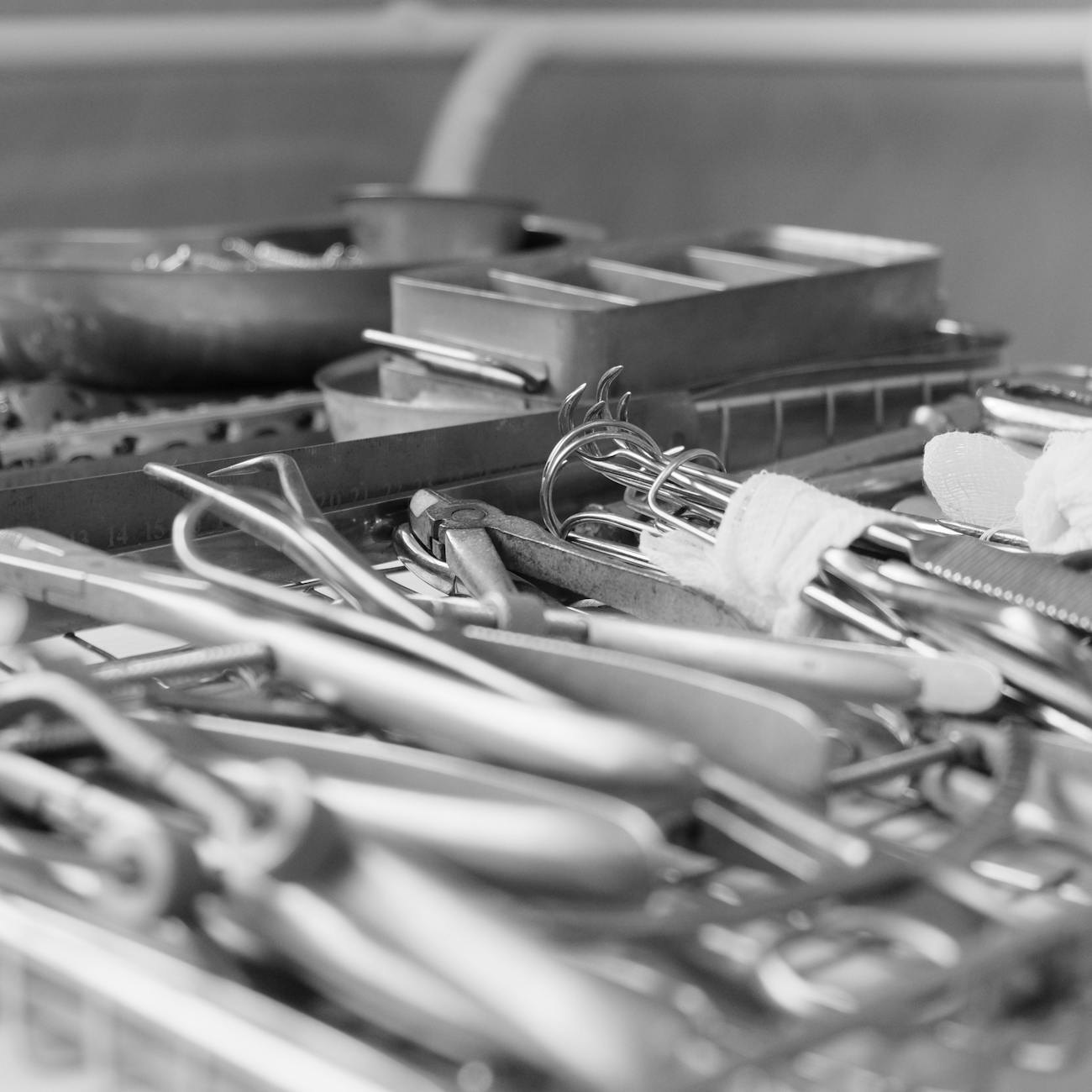
Decontamination is the overarching process of removing, inactivating, or destroying harmful microorganisms from surfaces, instruments, or environments. In the NHS setting, decontamination is a critical component of infection control, ensuring that equipment and clinical areas do not become reservoirs for pathogens. The process typically involves three sequential steps: Cleaning, disinfection, and, where required, sterilisation. For example, a surgical instrument that has been used in an operating theatre will first undergo thorough cleaning to remove visible soil, followed by high‑level disinfection to eliminate residual microorganisms, and finally sterilisation if it is classified as a critical item. The main challenge in achieving effective decontamination lies in maintaining consistency across diverse clinical areas, each with different levels of risk and varying types of equipment.
Cleaning refers to the physical removal of organic and inorganic material from a surface or instrument using water, detergents, and mechanical action such as brushing or wiping. Cleaning is the essential first step because any remaining soil can protect microorganisms from the action of disinfectants, reducing their efficacy. In practice, a ward nurse might use a neutral pH detergent to clean a bedside table, ensuring that all visible debris is removed before applying a disinfectant wipe. A common challenge is the time pressure on staff, which can lead to inadequate cleaning cycles or the use of insufficient concentrations of detergent, thereby compromising subsequent disinfection steps.
Disinfection is the process of applying chemical agents to inactivate or destroy microorganisms on surfaces or instruments, but it does not necessarily achieve the complete elimination of all spores. Disinfection is classified into three levels—low, intermediate, and high—based on the spectrum of activity required. For instance, a low‑level disinfectant such as a quaternary ammonium compound may be suitable for cleaning a non‑critical surface like a reception desk, whereas a high‑level disinfectant is needed for semi‑critical items like endoscopes. The primary challenge with disinfection is ensuring that the correct product, concentration, and contact time are adhered to, as deviations can result in sub‑optimal microbial kill rates.
Sterilisation is the highest level of microbial control, aiming to destroy all forms of microbial life, including bacterial spores. Sterilisation methods include steam under pressure (autoclaving), ethylene oxide gas, hydrogen peroxide plasma, and dry heat. Critical instruments such as scalpels, forceps, and implantable devices must be sterilised before use. In the NHS, sterilisation cycles are validated using biological indicators to confirm efficacy. A frequent challenge is the need to balance throughput with strict adherence to cycle parameters, as interruptions or deviations can compromise sterility assurance.
High‑level disinfectant (HLD) is a chemical agent capable of killing all vegetative microorganisms and most spores, though not necessarily all. Examples include glutaraldehyde, peracetic acid, and chlorine dioxide. HLDs are employed for semi‑critical devices that come into contact with mucous membranes, such as flexible endoscopes. Practical application requires meticulous preparation of the solution, often involving dilution from a concentrate, and strict monitoring of the required contact time, which may range from 10 to 30 minutes depending on the product. Challenges include the toxicity of some HLDs, which can pose risks to staff if proper ventilation and personal protective equipment (PPE) are not used.
Low‑level disinfectant (LLD) targets most vegetative bacteria, some enveloped viruses, and fungi, but it does not reliably inactivate spores. Common LLDs include quaternary ammonium compounds and phenolics. These are appropriate for non‑critical items such as bedside rails, bedside tables, and floor surfaces. In practical terms, a ward cleaning team may use LLD‑impregnated wipes for routine cleaning between patient admissions. The main challenge is ensuring that staff recognize the distinction between LLD and higher‑level agents, preventing the inadvertent use of an insufficiently potent disinfectant on a semi‑critical item.
Intermediate‑level disinfectant (ILD) offers a broader spectrum of activity than LLDs, covering most bacteria, many viruses, and some spores. Alkyl dimethyl benzyl ammonium chloride (ADBAC) and chlorhexidine are examples. ILDs are suitable for items that are not critical but require a higher level of control than non‑critical surfaces, such as certain reusable respiratory equipment. Practically, an ILD may be applied to a reusable nebuliser after thorough cleaning. A key challenge is the proper labeling and storage of ILDs to avoid confusion with LLDs, as well as ensuring that the recommended contact time is observed.
Contact time is the minimum duration that a disinfectant must remain wet on a surface to achieve the claimed level of microbial kill. Manufacturers specify contact times, which can range from 30 seconds for rapid‑acting agents to 20 minutes for high‑level products. In practice, a cleaning staff member must ensure that the disinfectant remains visibly wet for the full period; this may involve re‑wetting the surface or using a timer. Failure to meet contact time requirements is a common source of ineffective disinfection, especially in high‑throughput environments where staff may be pressured to move quickly to the next task.
Dilution refers to the process of mixing a concentrated disinfectant with water to achieve the required working concentration. Accurate dilution is critical because sub‑therapeutic concentrations can lead to inadequate microbial kill, while overly concentrated solutions may cause material damage or pose health hazards. In the NHS, dilution charts are provided for each disinfectant, and staff are trained to use calibrated measuring devices. Practical challenges include variations in water hardness, temperature, and the potential for human error in measurement, all of which can affect the final concentration.
Biocidal activity describes the ability of a chemical agent to destroy living organisms, including bacteria, viruses, fungi, and spores. The term is often used in regulatory contexts to assess the efficacy of disinfectants. For example, a disinfectant with high biocidal activity may be registered for use in critical care areas. In practice, biocidal activity is demonstrated through laboratory testing, such as quantitative suspension tests. A challenge for NHS decontamination teams is translating laboratory efficacy data into real‑world performance, where factors like organic load and surface type can influence outcomes.
Antimicrobial is a broad term encompassing agents that inhibit or kill microorganisms. Antimicrobials include antibiotics, antifungals, antivirals, and disinfectants. In the context of decontamination, antimicrobial refers specifically to the chemical agents applied to surfaces and instruments. For instance, a surface disinfectant containing benzalkonium chloride is an antimicrobial agent. The practical challenge is ensuring that antimicrobial agents are used appropriately to avoid the development of resistance, particularly with agents that have sub‑lethal concentrations due to incorrect dilution or insufficient contact time.
Nosocomial infection (also known as healthcare‑associated infection) is an infection acquired in a hospital or healthcare facility that was not present or incubating at the time of admission. Effective cleaning and disinfection are essential strategies for preventing nosocomial infections. For example, an outbreak of Clostridioides difficile in a ward can be traced back to inadequate cleaning of high‑touch surfaces. The challenge lies in the complex interplay of environmental contamination, patient susceptibility, and staff compliance, requiring coordinated infection control measures and ongoing surveillance.
Cross‑contamination occurs when pathogens are transferred from one surface, instrument, or person to another, potentially leading to infection. In the NHS, cross‑contamination can happen during the handling of reusable devices, between patient areas, or via staff hands. A common scenario involves a cleaning staff member moving from a contaminated isolation room to a clean ward without changing gloves or performing hand hygiene, thereby spreading organisms. Mitigating cross‑contamination requires strict adherence to hand hygiene protocols, proper use of PPE, and segregation of clean and dirty equipment.
Hand hygiene is the practice of cleaning hands to remove transient microorganisms and reduce the risk of infection transmission. Hand hygiene can be performed with soap and water or with alcohol‑based hand rubs (ABHR). In the NHS, the “5‑moments” model guides when hand hygiene should be performed, such as before patient contact and after removing gloves. Practical application includes installing ABHR dispensers at the point of care and providing staff training. Challenges include ensuring compliance, especially during busy periods, and addressing skin irritation that may arise from frequent hand washing.
Personal protective equipment (PPE) includes items such as gloves, gowns, masks, and eye protection that safeguard staff from exposure to hazardous substances and infectious agents. In decontamination, PPE is essential when handling chemical disinfectants, especially high‑level agents that can be corrosive or toxic. For example, a technician preparing a peracetic acid solution must wear chemical‑resistant gloves, a face shield, and an apron. Common challenges involve ensuring that PPE is readily available, correctly fitted, and that staff are trained in donning and doffing procedures to prevent self‑contamination.
Aseptic technique is a set of practices designed to prevent contamination of sterile fields, instruments, and solutions. While aseptic technique is most commonly associated with surgical procedures, it also applies to the preparation of disinfectant solutions and the handling of sterile instruments. For instance, when a sterile tray is being assembled for an operation, the technician must work within a laminar flow hood, using sterile gloves and maintaining a clean environment. The primary challenge is maintaining discipline and vigilance, as even minor breaches can introduce pathogens.
Environmental cleaning encompasses the routine cleaning of patient care areas, public spaces, and ancillary departments within a healthcare facility. It includes tasks such as wiping bedside tables, mopping floors, and cleaning bathroom fixtures. Environmental cleaning reduces the bioburden in the environment, thereby lowering the risk of pathogen transmission. In practice, environmental services staff follow cleaning schedules that prioritize high‑touch surfaces like door handles, call buttons, and light switches. Challenges include ensuring that cleaning frequency matches patient turnover and that staff are aware of the specific cleaning requirements for different areas.
Terminal cleaning refers to the thorough cleaning and disinfection of a patient area after discharge or transfer, aiming to achieve a high level of cleanliness before the next patient occupies the space. Terminal cleaning often involves the use of high‑level disinfectants, deep cleaning of upholstery, and sometimes the application of ultraviolet (UV) light for additional microbial reduction. For example, after a patient with a multidrug‑resistant organism is discharged, the ward will undergo terminal cleaning to eradicate residual contamination. The challenge is coordinating terminal cleaning with bed management to minimize downtime while ensuring comprehensive decontamination.
Pre‑cleaning is the initial removal of visible soil and debris from an instrument before it undergoes disinfection or sterilisation. Effective pre‑cleaning is essential because organic material can neutralise disinfectants and impede sterilisation processes. In practice, an endoscope is first flushed with a detergent solution and brushed to remove biofilm before being placed in a high‑level disinfectant bath. A frequent challenge is the variability in instrument design, which may create hard‑to‑reach areas that require specialised brushes or ultrasonic cleaning.
Validation is the documented process of proving that a decontamination method consistently produces the intended level of microbial reduction. Validation may involve physical, chemical, and biological indicators, such as spore strips, chemical indicator strips, and temperature logs. For instance, an autoclave cycle is validated by placing a biological indicator containing Geobacillus stearothermophilus spores; a successful cycle will result in no growth upon incubation. The main challenge is maintaining rigorous documentation and ensuring that validation procedures are performed regularly, as lapses can lead to undetected failures.
Quality assurance (QA) involves systematic activities and processes that ensure the reliability and effectiveness of decontamination practices. QA includes routine audits, staff competency assessments, equipment maintenance, and incident reporting. An example of QA in the NHS is the monthly review of disinfectant stock levels, expiration dates, and storage conditions to guarantee that only effective products are used. Challenges include integrating QA activities into busy clinical workflows and ensuring that staff understand the importance of continuous improvement.
Standard Operating Procedure (SOP) is a written, step‑by‑step instruction that describes how to perform a specific task safely and consistently. SOPs for cleaning and disinfection detail the required materials, concentrations, contact times, and safety precautions. For example, an SOP for cleaning a surgical instrument tray will specify the detergent type, the recommended rinsing method, and the subsequent disinfection step. The challenge lies in keeping SOPs up‑to‑date with evolving guidelines and ensuring that staff are trained and adhere to the documented procedures.
Risk assessment is the systematic process of identifying hazards, evaluating the likelihood of occurrence, and determining control measures to mitigate those hazards. In decontamination, risk assessment may involve evaluating the potential for chemical exposure, the likelihood of equipment failure, or the risk of pathogen transmission. For instance, before introducing a new high‑level disinfectant, a risk assessment will consider its toxicity, required ventilation, and compatibility with existing equipment. Challenges include balancing the need for thorough assessment with operational pressures and ensuring that risk assessments are reviewed periodically.
Microbial load denotes the quantity of microorganisms present on a surface or instrument, typically expressed as colony‑forming units (CFU) per unit area. Measuring microbial load helps determine the effectiveness of cleaning and disinfection protocols. In practice, a swab sample from a bedside table may be cultured to assess CFU counts before and after cleaning. A high residual microbial load indicates inadequate cleaning, prompting corrective actions. Challenges include the variability of sampling techniques and the time lag between sampling and results, which can delay interventions.
Colony‑forming unit (CFU) is a unit used to estimate the number of viable bacteria or fungi in a sample. One CFU represents a single organism capable of forming a colony on agar. In decontamination monitoring, CFU counts are used to verify that cleaning reduces bacterial numbers to acceptable levels. For example, environmental monitoring may set a target of fewer than 10 CFU per 100 cm² for high‑touch surfaces. The challenge is that CFU counts can be influenced by sampling method, incubation conditions, and the presence of fast‑growing organisms that may outcompete slower ones.
Biofilm is a structured community of microorganisms encased in a self‑produced polymeric matrix that adheres to surfaces. Biofilms are resistant to many disinfectants and can persist on medical devices, tubing, and even environmental surfaces. In the NHS, biofilm formation on endoscopes or urinary catheters can lead to persistent infections. Practical strategies to combat biofilm include mechanical disruption (scrubbing), enzymatic cleaners, and prolonged exposure to high‑level disinfectants. Challenges include the difficulty of completely removing biofilm from complex device geometries and the potential for biofilm to harbour resistant organisms.
Log reduction is a mathematical term used to describe the factor by which a microbial population is decreased. A 1‑log reduction equals a 90 % reduction, a 2‑log reduction equals 99 % reduction, and so on. Disinfectants are often rated by the log reduction they achieve under specified conditions. For instance, a high‑level disinfectant may be required to provide at least a 5‑log reduction of bacterial spores. In practice, understanding log reduction helps staff select appropriate disinfectants for the intended level of control. The challenge is translating laboratory log reduction data into real‑world effectiveness, where factors such as organic load and surface texture can affect outcomes.
Sterility assurance level (SAL) is the probability of a single viable organism remaining on a product after sterilisation. An SAL of 10⁻⁶, meaning one in a million, is commonly required for critical medical devices. Achieving this SAL involves validated sterilisation cycles, proper packaging, and rigorous monitoring. For example, a sterilised set of surgical instruments must be stored in a sealed container that maintains the SAL until use. A key challenge is maintaining the SAL during transport and storage, as breaches in packaging can introduce contaminants.
Barrier precaution refers to infection control measures that protect both healthcare workers and patients from exposure to pathogens. Barriers include gloves, gowns, masks, and eye protection. In decontamination, barrier precautions are essential when handling chemicals that may be irritant or toxic. For instance, when preparing a chlorine dioxide solution, staff must wear a chemical‑resistant apron and goggles. Challenges include ensuring that barriers are used consistently, replaced when soiled, and disposed of correctly to prevent secondary contamination.
Surface tension is the cohesive force at the surface of a liquid that causes it to behave as if covered by a thin elastic film. Surface tension affects how cleaning solutions spread over a surface and can influence the effectiveness of cleaning. Detergents lower surface tension, allowing the solution to penetrate pores and crevices more effectively. In practice, a low‑foaming detergent may be preferred for cleaning equipment with intricate parts, as it reduces the risk of residue buildup. Challenges arise when hard water increases surface tension, reducing the cleaning efficiency of standard detergents.
Compatibility in decontamination refers to the suitability of a disinfectant or sterilisation method for a particular material or device. Incompatible combinations can cause corrosion, degradation, or loss of functionality. For example, certain plastics may be damaged by high concentrations of glutaraldehyde, while stainless steel instruments may tolerate it. Practical application involves consulting manufacturer guidelines and performing compatibility testing before introducing a new disinfectant. A common challenge is the wide variety of materials used in modern medical devices, requiring comprehensive compatibility assessments.
Residue is any remaining chemical or material left on a surface after cleaning or disinfection. Residues can be harmful to patients, cause equipment malfunction, or interfere with subsequent sterilisation cycles. For instance, a residue of detergent left on an endoscope may inactivate a high‑level disinfectant, reducing its efficacy. In practice, thorough rinsing with clean water is essential to remove residues. Challenges include ensuring that rinsing steps are not rushed and that water quality is sufficient to avoid depositing additional contaminants.
Neutralisation is the process of deactivating a disinfectant after its intended contact time, often by rinsing with water or using a neutralising agent. Neutralisation prevents damage to equipment and reduces the risk of chemical exposure to staff. For example, after a high‑level disinfection cycle with peracetic acid, instruments are typically rinsed in sterile water to neutralise any remaining active agent. A challenge is that inadequate neutralisation can lead to equipment corrosion or residual toxicity, especially if the disinfectant is highly reactive.
Environmental monitoring involves the systematic sampling and analysis of surfaces, air, and water to assess microbial contamination levels. In the NHS, environmental monitoring helps identify hotspots of contamination, evaluate the effectiveness of cleaning protocols, and detect outbreaks early. Practical methods include surface swabs, contact plates, and air samplers. For example, a weekly surface swab of a ventilator control panel can reveal the presence of gram‑negative bacteria, prompting a targeted cleaning intervention. Challenges include selecting appropriate sampling sites, interpreting results in the context of clinical risk, and ensuring that monitoring does not become a tick‑box exercise without actionable outcomes.
Audit is a systematic review of processes, documentation, and performance against established standards or criteria. Audits in decontamination may focus on compliance with SOPs, correct use of PPE, or adherence to storage requirements. An audit might involve observing a cleaning team as they perform terminal cleaning and checking that the documented contact times are achieved. The primary challenge is ensuring that audits are constructive, providing feedback that leads to improvement rather than merely identifying non‑compliance.
Competency assessment evaluates an individual’s knowledge, skills, and attitudes required to perform decontamination tasks safely and effectively. Assessments may include written tests, practical demonstrations, and observation of routine work. For example, a new decontamination technician may be required to demonstrate the correct preparation of a high‑level disinfectant solution, including measuring, mixing, and verifying concentration. Challenges include maintaining consistent assessment standards across different sites and providing ongoing refresher training to address skill decay.
Incident reporting is the formal process of documenting any event that deviates from standard practice and may have impacted patient safety or staff health. In decontamination, incidents may include chemical spills, equipment failures, or breaches of sterility. Prompt reporting allows for root‑cause analysis and implementation of corrective actions. For instance, a spill of glutaraldehyde in a decontamination unit would be logged, investigated, and mitigated through improved storage protocols. Challenges include encouraging a culture of transparency where staff feel comfortable reporting incidents without fear of blame.
Personal safety data sheet (PSDS) provides detailed information about the hazards associated with a chemical product, including handling, storage, and emergency measures. In the NHS, every disinfectant used must have an up‑to‑date PSDS available to staff. For example, a PSDS for chlorine dioxide will outline its corrosive nature, required PPE, and first‑aid measures in case of exposure. The challenge is ensuring that staff not only have access to PSDS documents but also understand and apply the safety information in daily practice.
Ventilation is the process of supplying fresh air and removing contaminated air from a space, essential when using volatile or toxic disinfectants. Proper ventilation reduces inhalation risk and prevents accumulation of hazardous vapours. In practice, a decontamination room may be equipped with an exhaust system that maintains a negative pressure relative to adjoining areas when using peracetic acid. Challenges include maintaining ventilation systems, verifying airflow rates, and ensuring that doors remain closed to preserve the designed pressure differentials.
Temperature control is critical for both cleaning efficacy and the performance of sterilisation cycles. Many disinfectants have optimal activity ranges, and sterilisation processes such as steam autoclaving require precise temperature and pressure parameters. For example, an autoclave must reach at least 121 °C for a minimum of 15 minutes to achieve sterilisation. Practical challenges include monitoring temperature sensors for drift, calibrating equipment regularly, and responding to alarms promptly to avoid incomplete cycles.
pH influences the antimicrobial activity of many disinfectants and the stability of cleaning solutions. Some agents, such as hydrogen peroxide, are most effective at neutral pH, while others, like acidic cleaners, rely on low pH to break down mineral deposits. In practice, a technician may adjust the pH of a detergent solution using a buffer to ensure optimal performance. Challenges arise when water quality fluctuates, causing pH shifts that can diminish efficacy or increase corrosion risk.
Water quality affects cleaning and disinfection outcomes, as impurities can interfere with detergent action and leave mineral deposits on equipment. Hard water, containing high levels of calcium and magnesium, can reduce the effectiveness of soap and increase the risk of scale formation in autoclaves. In the NHS, water softening systems are often installed in decontamination units to mitigate these issues. Practical challenges include monitoring water hardness, maintaining softening equipment, and addressing occasional spikes in mineral content that may require temporary adjustments in cleaning protocols.
Material integrity refers to the preservation of the physical and functional properties of medical devices after cleaning and disinfection. Repeated exposure to harsh chemicals can cause corrosion, embrittlement, or loss of surface finish. For example, repeated cycles of glutaraldehyde exposure may degrade the silicone of a flexible endoscope, affecting its image quality. In practice, manufacturers provide guidance on the number of allowable cycles for each device type. Challenges include tracking device usage, implementing replacement schedules, and balancing cost considerations with patient safety.
Traceability is the ability to track a product or process through each step of the decontamination pathway, from receipt of the instrument to its final use. Traceability ensures that any issues can be linked back to specific batches, cycles, or personnel. In the NHS, bar‑coding systems are often employed to log instruments as they move through cleaning, disinfection, and sterilisation stages. Practical challenges include maintaining accurate data entry, integrating multiple IT systems, and ensuring that traceability records are retained for the required period.
Standardised testing involves using established methods and protocols to evaluate the performance of cleaning and disinfection processes. International standards such as EN 13727 for bactericidal activity and EN 14885 for chemical disinfectants provide benchmarks. In practice, a decontamination department may conduct routine standardised tests using carrier plates inoculated with test organisms to verify disinfectant efficacy. Challenges include allocating resources for testing, interpreting results within the clinical context, and updating procedures when standards evolve.
Regulatory compliance ensures that decontamination activities meet the legal and professional requirements set by bodies such as the Medicines and Healthcare products Regulatory Agency (MHRA) and the Care Quality Commission (CQC). Compliance involves adhering to legislation on chemical safety, waste disposal, and infection control. For example, the proper disposal of used disinfectant containers must follow hazardous waste regulations. Challenges include staying current with changing regulations, conducting regular internal reviews, and demonstrating compliance during external inspections.
Waste management pertains to the safe handling, segregation, and disposal of waste generated during cleaning and disinfection. This includes contaminated swabs, used PPE, and chemical containers. In the NHS, waste is classified into categories such as clinical waste, hazardous chemical waste, and general waste, each requiring specific disposal pathways. Practical steps include placing used wipes in designated biohazard bags and arranging for licensed waste contractors to collect hazardous chemicals. Challenges involve preventing accidental mixing of waste streams, ensuring staff are trained in correct segregation, and managing the costs associated with compliant disposal.
Supply chain refers to the network of manufacturers, distributors, and internal logistics that provide cleaning chemicals, equipment, and consumables. A reliable supply chain ensures that required items are available when needed, avoiding interruptions in decontamination processes. For example, a shortage of a high‑level disinfectant may force a department to switch to an alternative product, requiring re‑validation of protocols. Challenges include anticipating demand fluctuations, managing inventory levels, and responding to global shortages that can impact product availability.
Training curriculum outlines the educational content, learning objectives, and assessment methods for staff involved in decontamination. In the Certificate in NHS Decontamination Practices, the curriculum covers theory, practical skills, and safety considerations. Effective training includes classroom instruction, hands‑on demonstrations, and competency assessments. A practical example is a workshop where participants practice preparing disinfectant solutions under supervision. Challenges include delivering consistent training across multiple sites, updating content to reflect new guidelines, and ensuring that training translates into safe practice.
Continuous improvement is the ongoing effort to enhance decontamination processes, reduce errors, and increase efficiency. Techniques such as Plan‑Do‑Study‑Act (PDSA) cycles, root‑cause analysis, and feedback loops are employed to identify areas for refinement. For instance, after an audit reveals that contact times are frequently not met, a team may implement a visual timer system to remind staff. The challenge is fostering a culture where staff feel empowered to suggest changes and where improvements are systematically evaluated and embedded into routine practice.
Microbial resistance describes the ability of microorganisms to survive exposure to antimicrobial agents that would normally be lethal. Overuse or misuse of disinfectants can select for resistant strains, reducing the effectiveness of standard cleaning protocols. In the NHS, resistant organisms such as methicillin‑resistant Staphylococcus aureus (MRSA) may persist despite routine cleaning if disinfectant concentrations are sub‑optimal. Practical strategies to mitigate resistance include rotating disinfectants, adhering strictly to manufacturer‑specified concentrations, and performing regular efficacy testing. Challenges include balancing cost considerations with the need for potent agents and ensuring staff understand the implications of resistance.
Standardised terminology ensures clear communication among healthcare professionals, reducing the risk of misinterpretation. Terms such as “critical,” “semi‑critical,” and “non‑critical” devices classify equipment based on the level of infection control required. For example, a critical device like a cardiac catheter must be sterilised, whereas a non‑critical device such as a blood pressure cuff requires only low‑level disinfection. The challenge is maintaining uniform usage of terminology across diverse clinical settings and ensuring that all staff are familiar with the definitions.
Decontamination trolley is a mobile unit used to transport dirty and clean instruments between clinical areas and the decontamination department. Trolleys are typically designed with separate compartments to prevent cross‑contamination. In practice, a trolley may have a sealed lower drawer for contaminated items and an upper drawer for clean instruments awaiting distribution. Challenges include ensuring that trolleys are cleaned regularly, that compartments are clearly labelled, and that staff follow protocols for loading and unloading to prevent accidental mixing.
Instrument tracking system employs barcodes or RFID tags to monitor the movement and status of each instrument throughout the decontamination cycle. This system provides real‑time visibility, reduces the risk of lost items, and supports traceability. For example, when a set of surgical trays is loaded into an autoclave, the system records the start time, cycle parameters, and completion, updating the status to “sterilised.” Implementation challenges involve integrating the tracking software with existing hospital information systems, training staff to use handheld scanners, and maintaining the durability of tags on reusable devices.
Cleaning validation confirms that cleaning procedures consistently achieve acceptable levels of soil removal. Validation may involve visual inspection, residue testing, or quantitative swab analysis. For a high‑risk instrument such as a bronchoscope, a validation protocol might require a post‑cleaning swab that is cultured to confirm that bacterial counts are below a predefined threshold. The main challenge is developing validation methods that are both sensitive enough to detect residual contamination and practical for routine use without causing undue workload.
Disinfection efficacy measures how effectively a disinfectant reduces or eliminates microorganisms under defined conditions. Efficacy is typically expressed as a log reduction and is determined through laboratory testing. In practice, a hospital may select a disinfectant that demonstrates a 4‑log reduction of Staphylococcus aureus within 5 minutes, aligning with the required level for high‑touch surfaces. Challenges include ensuring that laboratory efficacy translates to real‑world conditions, accounting for factors such as organic load, surface texture, and temperature.
Equipment downtime refers to the period when instruments or devices are unavailable for clinical use due to cleaning, disinfection, or repair. Minimising downtime is essential for maintaining patient flow and operational efficiency. For example, a shortage of sterilised laparoscopic instruments can delay surgeries, prompting the department to review scheduling and increase cycle capacity. Managing downtime involves careful planning, inventory control, and rapid response to equipment failures. The challenge lies in balancing the need for thorough decontamination with the pressure to keep devices ready for use.
Standard operating temperature is the specific temperature at which a cleaning or disinfection process is designed to operate for optimal performance. Deviations can affect chemical activity and microbial kill rates. For instance, a detergent may require a temperature of 30 °C to achieve optimal surfactant action; operating at lower temperatures could result in inadequate cleaning. Practical measures include calibrating water heaters, monitoring temperature during cycles, and adjusting processes as needed. The challenge is maintaining consistent temperature in facilities with fluctuating water supply temperatures.
Chemical compatibility chart provides a quick reference for staff to determine whether a disinfectant can be safely used with specific materials or equipment. The chart lists disinfectants alongside compatible instrument types, highlighting any restrictions. In practice, staff may consult the chart before selecting a cleaning agent for a new piece of equipment, ensuring that the chemical will not degrade the device. Maintaining an up‑to‑date chart is challenging, especially when new products are introduced or when manufacturers update their recommendations.
Environmental sustainability in decontamination focuses on reducing the ecological impact of cleaning practices, such as minimizing chemical waste, conserving water, and using energy‑efficient equipment. Strategies include selecting biodegradable disinfectants, implementing water‑recycling systems for rinsing, and using low‑energy autoclaves. For example, a hospital may switch to a reusable microfiber cloth system that reduces disposable paper towel consumption. Challenges involve balancing sustainability goals with infection control priorities, ensuring that eco‑friendly products still meet stringent efficacy standards.
Incident investigation is a systematic approach to uncovering the root causes of a decontamination failure, such as a sterilisation cycle error or a chemical spill. The process involves gathering evidence, interviewing staff, and analysing data to identify contributing factors. Findings guide corrective and preventive actions. For instance, an investigation into a steriliser malfunction may reveal that a temperature sensor was overdue for calibration, prompting a review of maintenance schedules. Challenges include allocating time for thorough investigations and fostering an environment where staff feel comfortable participating without fear of blame.
Documentation control ensures that all records related to cleaning, disinfection, and sterilisation are accurate, up‑to‑date, and readily accessible. Controlled documents may include SOPs, training records, validation reports, and audit findings. In practice, a decontamination manager may maintain a central repository where each SOP version is logged with revision dates and approval signatures. Maintaining control is challenging due to the volume of documents, the need for regular reviews, and ensuring that outdated versions are removed from circulation.
Risk mitigation involves implementing measures to reduce the likelihood or impact of identified hazards in the decontamination process. Mitigation strategies may include engineering controls such as fume hoods, administrative controls like standardised procedures, and PPE. For example, to mitigate the risk of chemical exposure from peracetic acid, a facility may install local exhaust ventilation and enforce the use of double gloves. The difficulty lies in prioritising mitigation actions based on risk assessments, resource constraints, and operational feasibility.
Continuous monitoring utilizes real‑time sensors and data logging to track key parameters such as temperature, humidity, and chemical concentrations during decontamination cycles. Continuous monitoring provides immediate alerts when deviations occur, allowing for prompt corrective action. For instance, an autonomous monitoring system may trigger an alarm if an autoclave temperature falls below the required threshold, preventing a compromised sterilisation. Implementing such systems can be costly, and challenges include ensuring sensor accuracy, maintaining calibration, and integrating alerts into existing workflow platforms.
Standardised audit checklist provides a structured tool for reviewers to assess compliance with decontamination standards. Checklists may cover items such as correct PPE use, proper labeling of disinfectants, and verification of cycle parameters. In practice, an auditor may use the checklist during a quarterly review, marking each item as compliant, non‑compliant, or not applicable, and noting observations. The challenge is designing a checklist that is comprehensive yet concise, avoiding audit fatigue while still capturing critical safety information.
Process mapping visualises the sequence of steps involved in cleaning, disinfection, and sterilisation, identifying potential bottlenecks or failure points. By creating a flow diagram, teams can better understand the interdependencies of each activity. For example, mapping the decontamination workflow for reusable surgical instruments may reveal that the rinsing stage is a critical control point where residual detergent can affect downstream disinfection. Challenges include keeping the map current as processes evolve and ensuring that all stakeholders contribute to accurate representation.
Equipment calibration is the routine verification and adjustment of devices to ensure that they operate within specified tolerances. Calibration is essential for instruments such as autoclaves, temperature probes, and chemical dispensers. In practice, a calibration schedule may require that an autoclave’s pressure gauge be checked monthly, with adjustments made as needed. Failure to calibrate equipment can lead to inaccurate cycle parameters, compromising sterilisation outcomes. The challenge is maintaining a calibration programme that aligns with manufacturer recommendations and regulatory requirements.
Standardisation of procedures promotes uniformity across multiple sites, reducing variability in cleaning and disinfection outcomes. By adopting a common set of SOPs, a hospital network can ensure that all facilities meet the same quality standards. For example, a standardised protocol for cleaning operating theatres may include a specific sequence of wiping, disinfectant application, and drying.
Key takeaways
- The main challenge in achieving effective decontamination lies in maintaining consistency across diverse clinical areas, each with different levels of risk and varying types of equipment.
- A common challenge is the time pressure on staff, which can lead to inadequate cleaning cycles or the use of insufficient concentrations of detergent, thereby compromising subsequent disinfection steps.
- For instance, a low‑level disinfectant such as a quaternary ammonium compound may be suitable for cleaning a non‑critical surface like a reception desk, whereas a high‑level disinfectant is needed for semi‑critical items like endoscopes.
- A frequent challenge is the need to balance throughput with strict adherence to cycle parameters, as interruptions or deviations can compromise sterility assurance.
- Practical application requires meticulous preparation of the solution, often involving dilution from a concentrate, and strict monitoring of the required contact time, which may range from 10 to 30 minutes depending on the product.
- The main challenge is ensuring that staff recognize the distinction between LLD and higher‑level agents, preventing the inadvertent use of an insufficiently potent disinfectant on a semi‑critical item.
- ILDs are suitable for items that are not critical but require a higher level of control than non‑critical surfaces, such as certain reusable respiratory equipment.