
Decontamination In Dental Practices
Decontamination in dental practices is a critical process that involves the removal of contaminants from surfaces and equipment to prevent the spread of infections . This process is essential to ensure the safety of patients, dental staff, …
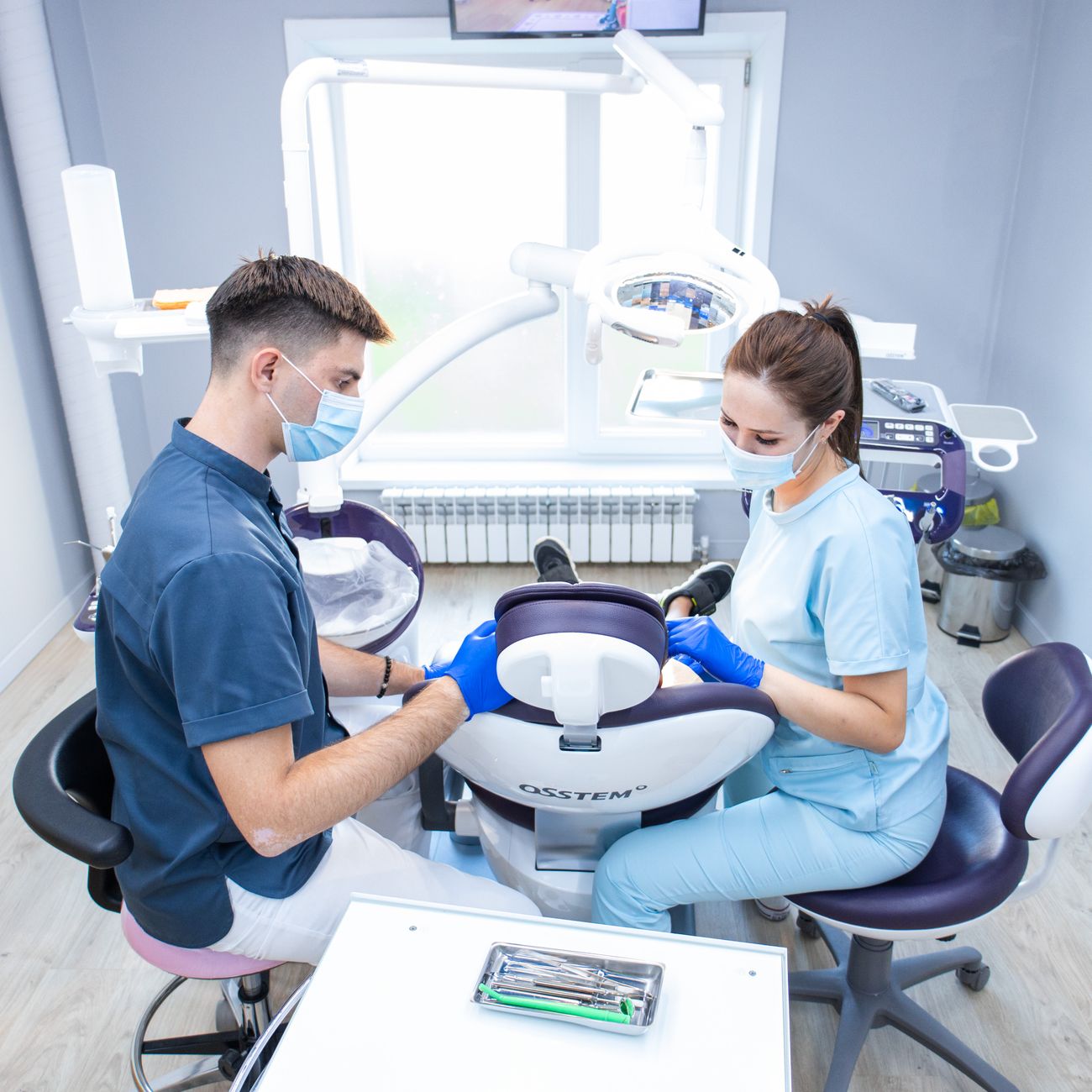
Decontamination in dental practices is a critical process that involves the removal of contaminants from surfaces and equipment to prevent the spread of infections. This process is essential to ensure the safety of patients, dental staff, and the community at large. In the context of the Certificate in NHS Decontamination Practices, it is essential to understand the key terms and vocabulary related to decontamination in dental practices.
Firstly, decontamination refers to the process of removing or reducing pathogens from surfaces and equipment. This can be achieved through various methods, including cleaning, disinfection, and sterilization. Cleaning involves the removal of visible debris and dirt from surfaces, while disinfection involves the use of chemicals to kill microorganisms. Sterilization, on the other hand, involves the use of heat or chemicals to kill all forms of microbial life.
In dental practices, infection control is a critical aspect of decontamination. This involves the use of personal protective equipment (PPE), such as gloves and masks, to prevent the spread of infections. Dental staff must also follow strict protocols for hand hygiene and surface cleaning to prevent the spread of pathogens.
The decontamination process in dental practices typically involves several steps. Firstly, the area or equipment to be decontaminated must be cleaned to remove any visible debris or dirt. This is followed by disinfection, which involves the use of chemicals to kill microorganisms. Finally, the area or equipment may be sterilized using heat or chemicals to kill all forms of microbial life.
One of the key challenges in decontamination is the validation of the process. This involves verifying that the decontamination process has been effective in removing or reducing pathogens. Validation can be achieved through various methods, including microbiological testing and chemical indicators.
In dental practices, chemical indicators are commonly used to validate the decontamination process. These indicators change color or form when exposed to certain chemicals or temperatures, indicating that the decontamination process has been effective. Microbiological testing, on the other hand, involves the use of cultures or other tests to detect the presence of microorganisms on surfaces or equipment.
Another key concept in decontamination is the classification of equipment and surfaces. This involves categorizing equipment and surfaces based on their risk of infection transmission. Critical equipment, such as surgical instruments, must be sterilized to kill all forms of microbial life. Semi-critical equipment, such as dental instruments, must be disinfected to kill microorganisms. Non-critical equipment, such as surfaces, must be cleaned to remove any visible debris or dirt.
In addition to equipment and surface classification, dental practices must also consider the environmental factors that can affect decontamination. These include temperature, humidity, and ventilation, which can all impact the effectiveness of the decontamination process.
The use of personal protective equipment (PPE) is also critical in decontamination. Dental staff must wear PPE, such as gloves and masks, to prevent the spread of infections. PPE must be used in conjunction with hand hygiene and surface cleaning to prevent the spread of pathogens.
In dental practices, waste management is also an essential aspect of decontamination. This involves the proper disposal of infectious waste, such as used needles and syringes, to prevent the spread of infections. Infectious waste must be disposed of in accordance with local regulations and guidelines.
The role of the decontamination team is critical in ensuring the effective decontamination of equipment and surfaces. The team must be trained in the use of PPE, hand hygiene, and surface cleaning to prevent the spread of pathogens. The team must also be responsible for validating the decontamination process and ensuring that all equipment and surfaces are properly classified and decontaminated.
Decontamination in dental practices is not without its challenges. One of the main challenges is the limited availability of resources, such as equipment and personnel. This can make it difficult to ensure the effective decontamination of equipment and surfaces. Another challenge is the lack of standardization in decontamination protocols, which can make it difficult to ensure consistency in the decontamination process.
Despite these challenges, decontamination is a critical aspect of dental practices. It is essential to prevent the spread of infections and ensure the safety of patients, dental staff, and the community at large. By understanding the key terms and vocabulary related to decontamination, dental practices can ensure the effective decontamination of equipment and surfaces and prevent the spread of pathogens.
In addition to the key terms and vocabulary, it is also essential to understand the practical applications of decontamination in dental practices. This includes the use of cleaning solutions, disinfectants, and sterilization equipment to decontaminate equipment and surfaces. It also includes the use of PPE, hand hygiene, and surface cleaning to prevent the spread of pathogens.
The use of technology is also an essential aspect of decontamination in dental practices. This includes the use of automated cleaning systems and sterilization equipment to decontaminate equipment and surfaces. Technology can also be used to validate the decontamination process and ensure that all equipment and surfaces are properly classified and decontaminated.
In conclusion, decontamination in dental practices is a critical process that involves the removal of contaminants from surfaces and equipment to prevent the spread of infections. The use of PPE, hand hygiene, and surface cleaning is critical in preventing the spread of infections, and the validation of the decontamination process is essential to ensure that all equipment and surfaces are properly decontaminated.
The importance of training cannot be overstated in decontamination. Dental staff must be trained in the use of PPE, hand hygiene, and surface cleaning to prevent the spread of pathogens. They must also be trained in the use of cleaning solutions, disinfectants, and sterilization equipment to decontaminate equipment and surfaces.
The role of the dentist is also critical in decontamination. The dentist must ensure that all equipment and surfaces are properly classified and decontaminated to prevent the spread of infections. The dentist must also ensure that all dental staff are trained in the use of PPE, hand hygiene, and surface cleaning to prevent the spread of pathogens.
The use of checklists is also an essential aspect of decontamination in dental practices. Checklists can be used to ensure that all equipment and surfaces are properly classified and decontaminated. They can also be used to ensure that all dental staff are trained in the use of PPE, hand hygiene, and surface cleaning to prevent the spread of pathogens.
In addition to checklists, audits are also an essential aspect of decontamination in dental practices. Audits can be used to ensure that all equipment and surfaces are properly classified and decontaminated.
The importance of record-keeping cannot be overstated in decontamination. Dental practices must keep accurate records of all decontamination activities, including the classification of equipment and surfaces, the use of PPE, and the validation of the decontamination process. These records can be used to ensure that all equipment and surfaces are properly decontaminated and to prevent the spread of pathogens.
The use of technology is also an essential aspect of record-keeping in decontamination. Technology can be used to keep accurate records of all decontamination activities, including the classification of equipment and surfaces, the use of PPE, and the validation of the decontamination process. Technology can also be used to ensure that all dental staff are trained in the use of PPE, hand hygiene, and surface cleaning to prevent the spread of pathogens.
In summary, decontamination in dental practices is a critical process that involves the removal of contaminants from surfaces and equipment to prevent the spread of infections.
The importance of training and record-keeping cannot be overstated in decontamination. Dental practices must also keep accurate records of all decontamination activities, including the classification of equipment and surfaces, the use of PPE, and the validation of the decontamination process.
Overall, decontamination in dental practices is a critical process that requires careful attention to detail and a commitment to preventing the spread of infections.
In dental practices, quality control is also an essential aspect of decontamination. This involves ensuring that all equipment and surfaces are properly classified and decontaminated to prevent the spread of pathogens. Quality control also involves ensuring that all dental staff are trained in the use of PPE, hand hygiene, and surface cleaning to prevent the spread of pathogens.
The importance of quality control cannot be overstated in decontamination. Quality control ensures that all equipment and surfaces are properly decontaminated to prevent the spread of pathogens. Quality control also ensures that all dental staff are trained in the use of PPE, hand hygiene, and surface cleaning to prevent the spread of pathogens.
In addition to quality control, continuous improvement is also an essential aspect of decontamination in dental practices. This involves continually monitoring and evaluating the decontamination process to ensure that it is effective in preventing the spread of pathogens. Continuous improvement also involves identifying areas for improvement and implementing changes to the decontamination process as needed.
The importance of continuous improvement cannot be overstated in decontamination. Continuous improvement ensures that the decontamination process is effective in preventing the spread of pathogens. Continuous improvement also ensures that all dental staff are trained in the use of PPE, hand hygiene, and surface cleaning to prevent the spread of pathogens.
The importance of training, record-keeping, and quality control cannot be overstated in decontamination.
Key takeaways
- Decontamination in dental practices is a critical process that involves the removal of contaminants from surfaces and equipment to prevent the spread of infections.
- Cleaning involves the removal of visible debris and dirt from surfaces, while disinfection involves the use of chemicals to kill microorganisms.
- Dental staff must also follow strict protocols for hand hygiene and surface cleaning to prevent the spread of pathogens.
- Finally, the area or equipment may be sterilized using heat or chemicals to kill all forms of microbial life.
- Validation can be achieved through various methods, including microbiological testing and chemical indicators.
- Microbiological testing, on the other hand, involves the use of cultures or other tests to detect the presence of microorganisms on surfaces or equipment.
- Critical equipment, such as surgical instruments, must be sterilized to kill all forms of microbial life.