
Food And Beverage Cost Control
Food Cost Percentage is the cornerstone metric in any hospitality operation. It expresses the ratio of the cost of raw food items used to the revenue generated from food sales. The formula is simple: Divide the total cost of food purchased …
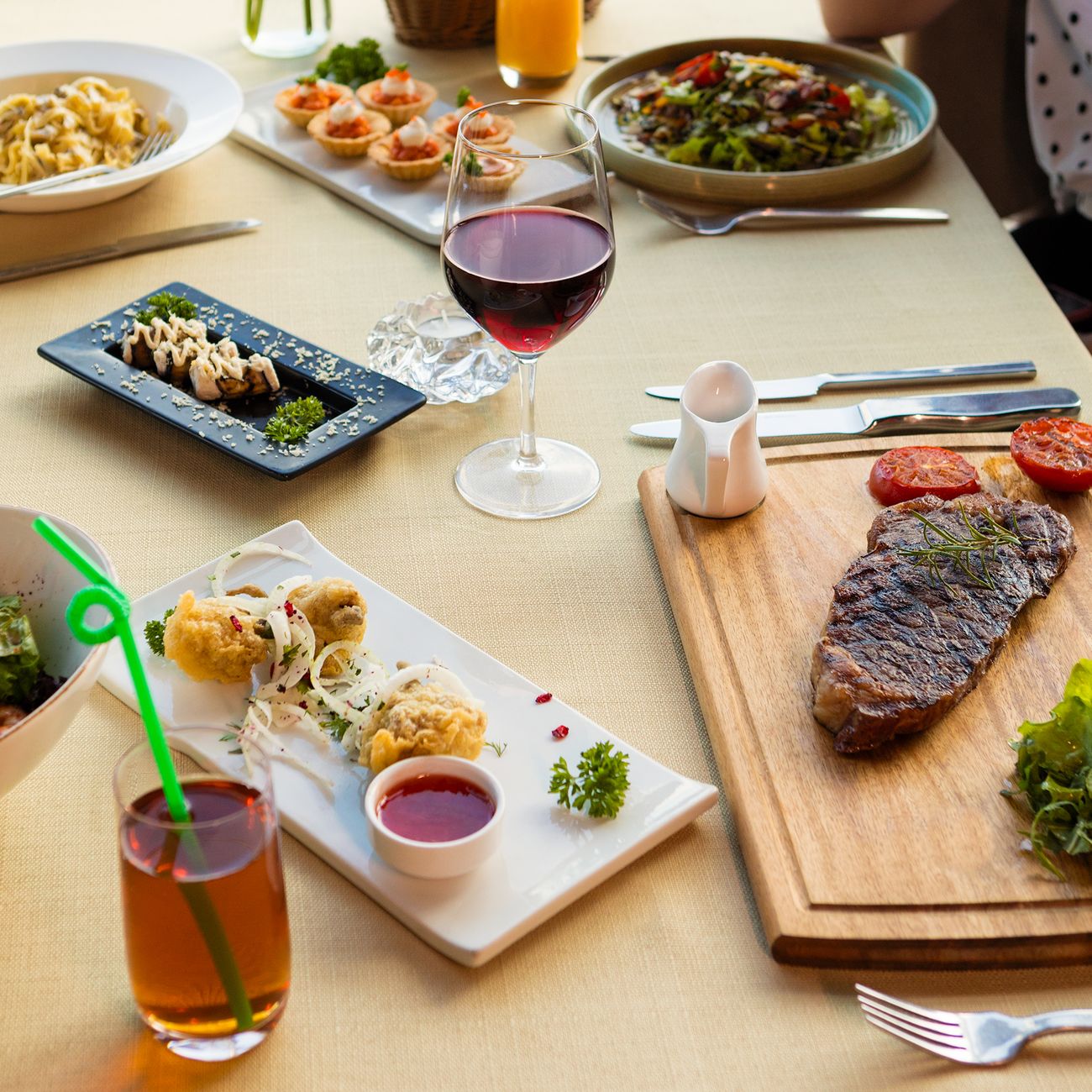
Food Cost Percentage is the cornerstone metric in any hospitality operation. It expresses the ratio of the cost of raw food items used to the revenue generated from food sales. The formula is simple: Divide the total cost of food purchased by the total food sales and multiply by one hundred. For example, if a hotel kitchen purchases ingredients worth €15,000 in a month and generates €45,000 in food sales, the food cost percentage is (€15,000 / €45,000) × 100 = 33 %. Maintaining this figure within the target range, often between 28 % and 32 % for upscale hotels, is essential for profitability. The challenge lies in the constant fluctuation of ingredient prices, especially for seasonal produce, which can cause the percentage to drift upward if not monitored closely.
Prime Cost combines both food cost and labor cost, providing an overall view of the two most significant expense categories in a hotel’s F&B department. It is calculated by adding the total cost of goods sold (COGS) to total labor expenses and dividing the sum by total F&B sales. A typical benchmark for prime cost in the hotel industry is 60 % to 65 % of total revenue. For instance, if a hotel records €80,000 in food and beverage sales, €30,000 in food cost, and €20,000 in labor cost, the prime cost is (€30,000 + €20,000) / €80,000 = 62.5 %. Managing prime cost requires coordination between the culinary team, the purchasing department, and the human resources manager, as each area influences the other.
Cost of Goods Sold (COGS) refers specifically to the direct costs associated with producing the menu items that are sold. In the context of a hotel kitchen, COGS includes the purchase price of raw materials, the cost of any sub‑ingredients, and the direct labor required for preparation, but excludes overhead such as utilities or rent. Accurate COGS calculation depends on precise inventory records and a reliable method of allocating ingredient costs to each dish. A common pitfall is to include indirect costs in COGS, which inflates the figure and leads to misguided pricing decisions.
Portion Control is the practice of ensuring each serving of a menu item contains the exact amount of ingredients specified in the recipe. This is achieved through standardized measuring tools such as portion scales, ladles, and measuring cups, as well as through staff training. For example, a steak entrée that calls for a 250‑gram fillet must be weighed before cooking to guarantee consistency. Failure to enforce portion control often results in over‑portioning, which directly raises the food cost percentage and erodes profit margins. Moreover, inconsistent portions can damage the hotel’s brand reputation for quality.
Yield describes the amount of usable product obtained after processing raw ingredients. Yield is expressed as a percentage of the original weight. For example, a whole chicken weighing 1,200 g may yield 800 g of usable meat after removing bones, skin, and excess fat, resulting in a yield of (800 / 1,200) × 100 = 66.7 %. Understanding yields is essential for accurate recipe costing; if a chef assumes a 100 % yield, the calculated cost per plate will be underestimated, leading to higher actual food cost percentages.
Recipe Costing involves calculating the total cost of all ingredients required to produce a single serving of a menu item. The process begins with the recipe’s ingredient list, each item’s purchase price, and the yield factor. The cost of each ingredient is then multiplied by the quantity used, and the sum of these costs yields the total recipe cost. For instance, a pasta dish that uses 100 g of dried pasta (cost €0.30), 50 G of tomato sauce (€0.20), And 20 g of cheese (€0.40) Will have a recipe cost of €0.90 Per plate before labor and overhead are added. This figure serves as the foundation for setting menu prices that achieve the desired food cost percentage.
Menu Engineering is a strategic approach that classifies menu items based on their profitability and popularity, often using a four‑quadrant matrix: High‑profit/high‑popularity (Stars), low‑profit/high‑popularity (Plow‑horses), high‑profit/low‑popularity (Puzzles), and low‑profit/low‑popularity (Dogs). By identifying which dishes fall into each quadrant, hotel managers can make informed decisions about promotion, removal, or recipe revision. For example, a “Star” dish may be highlighted with a special plating or a chef’s table presentation, while a “Dog” might be re‑priced, re‑engineered, or eliminated from the menu entirely.
Gross Profit Margin measures the proportion of revenue that remains after subtracting COGS but before accounting for labor and overhead. It is calculated as (Revenue – COGS) / Revenue × 100. Continuing the earlier example, if the hotel’s food sales are €45,000 and COGS is €15,000, the gross profit margin is (45,000 – 15,000) / 45,000 × 100 = 66.7 %. A high gross profit margin indicates efficient control over ingredient costs, but it does not reflect labor efficiency, which is why it must be evaluated alongside prime cost.
Waste Management encompasses the systematic identification, reduction, and proper disposal of food that is discarded or rendered unusable. Waste can arise from over‑production, spoilage, preparation errors, or customer plate waste. Hotels often conduct waste audits, recording the type and quantity of waste generated over a set period. Data from these audits are then used to adjust production levels, improve storage practices, and train staff on proper handling. For instance, if an audit reveals that 5 % of purchased vegetables are discarded due to bruising, the purchasing manager might switch to a supplier with better packaging or tighten the receiving inspection process.
Inventory Management refers to the ongoing process of tracking, ordering, and controlling the stock of food and beverage items. Effective inventory management balances the need to have sufficient supplies on hand with the desire to minimize holding costs and waste. Techniques such as periodic stocktakes, perpetual inventory systems, and the use of inventory software help maintain accuracy. A common challenge is the “stock‑out” situation, where a key ingredient is unavailable, forcing the kitchen to substitute or remove a menu item, potentially upsetting guests and affecting revenue.
Par Stock is the predetermined minimum quantity of each inventory item that should be on hand to meet expected demand without excessive over‑stocking. The par level is calculated based on historical usage, lead time from suppliers, and safety stock considerations. For example, if a hotel uses 20 kg of cheese per week and the supplier delivers in three‑day intervals, a par stock of 30 kg (one week’s usage plus a safety buffer) may be set. Maintaining par stock helps avoid stock‑outs while reducing the likelihood of spoilage.
FIFO (First‑In, First‑Out) is an inventory rotation method that ensures older stock is used before newer deliveries. By placing the newest items at the back of the storage area and moving older items to the front, kitchens minimize the risk of spoilage and waste. For perishable goods like fresh fish, strict adherence to FIFO can significantly lower waste percentages. The challenge lies in staff discipline; without clear labeling and regular checks, newer items may inadvertently be used first, compromising the system.
LIFO (Last‑In, First‑Out) is less common in foodservice but may be applied to non‑perishable items where price fluctuations are a concern. In a LIFO system, the most recent purchase is used first, which can be advantageous when prices are rising, as it reduces the cost of goods sold on the financial statements. However, it is rarely recommended for fresh produce because it increases the risk of waste.
Stocktake (or physical inventory) is the process of counting all inventory items at a specific point in time to verify the accuracy of the recorded inventory levels. Stocktakes are usually performed monthly or quarterly and are essential for identifying shrinkage, theft, or miscounts. The results of a stocktake are compared to the perpetual inventory records; any variance is investigated and corrected. For example, a discrepancy of €500 in cheese inventory might indicate either an error in recording or an unnoticed spoilage event.
Standard Portion defines the exact quantity of each ingredient that should be used in a single serving of a menu item. This standard is derived from recipe costing and is critical for consistent quality and cost control. In practice, a standard portion for a sauce may be 30 ml, measured with a calibrated spoon. Deviations from the standard portion, whether larger or smaller, affect both the cost per plate and the guest experience.
Portion Size differs from standard portion in that it reflects the amount of finished product presented to the guest. While the standard portion governs the ingredient quantities, the portion size may be adjusted for presentation or to meet market expectations. For example, a hotel may serve a larger portion of a signature pasta dish during a weekend brunch to create a perception of value, while maintaining the same ingredient cost per plate.
Menu Mix represents the proportion of each menu item sold relative to the total number of items sold. Understanding menu mix helps managers identify which dishes drive revenue and which contribute little. If a high‑margin item accounts for only 5 % of sales, its impact on overall profitability may be limited. Adjusting the menu mix by promoting high‑margin items through table‑side suggestions or special promotions can improve overall financial performance.
Menu Item is any individual dish or beverage offered on the hotel’s menu. Each menu item must be individually analyzed for cost, popularity, and contribution to profit. Detailed cost sheets for each menu item include ingredient cost, labor cost, and overhead allocation, providing the data needed for strategic pricing and positioning.
Costing Sheet is a document that records all the cost components of a menu item, from raw ingredient prices to labor time and overhead. A typical costing sheet lists the ingredient, purchase price per unit, quantity used, yield factor, and calculated cost for the recipe. Labor is often expressed in minutes per plate, multiplied by the hourly wage rate. Overhead may be allocated as a percentage of labor or as a fixed amount per dish. The final cost per plate is then compared to the desired selling price to determine the target food cost percentage.
Food Cost Variance measures the difference between the actual food cost incurred and the budgeted or standard food cost. It is expressed as a monetary amount or as a percentage. A positive variance indicates that actual costs exceeded the budget, while a negative variance suggests cost savings. For example, if the budgeted food cost for a month is €12,000 but the actual cost is €13,200, the variance is €1,200 unfavorable. Analyzing the causes—such as price increases, waste, or portion drift—allows managers to take corrective action.
Beverage Cost Percentage functions similarly to food cost percentage but focuses on the cost of drinks relative to beverage sales. Because alcoholic beverages often have higher profit margins, maintaining a beverage cost percentage between 18 % and 22 % is typical for upscale hotels. Calculating this metric requires careful tracking of wine, spirits, and non‑alcoholic drink purchases, as well as accounting for waste from spillage or over‑pours.
Mixology is the art and science of creating cocktails, a discipline that has grown in importance for hotel bars seeking differentiation. From a cost control perspective, mixology demands precise measurement of spirits, liqueurs, and mixers, as well as knowledge of the cost per ounce of each component. A well‑crafted cocktail that uses premium ingredients must be priced to reflect its higher cost while still delivering a desirable profit margin.
Gross Margin is another term for gross profit margin, but it is sometimes expressed in monetary terms rather than as a percentage. For instance, a dish that sells for €30 with a food cost of €9 yields a gross margin of €21. Understanding gross margin per dish helps chefs and managers assess which items contribute most to overall profitability.
Contribution Margin isolates the profit generated by a menu item after subtracting only variable costs, such as ingredients and direct labor, while excluding fixed costs like rent and utilities. The contribution margin per unit is calculated as selling price minus variable cost. This figure is crucial when making decisions about menu redesign, as it indicates the amount each sale adds toward covering fixed costs and generating profit.
Break‑Even Point is the sales volume at which total revenue equals total costs, resulting in zero profit. In the context of a hotel restaurant, the break‑even point can be expressed in terms of covers (guests served) or monetary sales. Calculating the break‑even point requires knowledge of fixed costs, variable costs per cover, and average check size. For example, if fixed costs are €20,000 per month, variable costs per cover are €15, and the average check is €45, the break‑even covers are €20,000 / (€45 – €15) = 667 covers. Knowing this figure helps managers set realistic sales targets.
Sales Forecast predicts future revenue based on historical data, market trends, and upcoming events. Accurate forecasting enables the purchasing department to order the right quantities, thus avoiding both over‑stocking and stock‑outs. Seasonal tourism patterns in Italy, such as increased arrivals during the summer months or during major festivals, must be incorporated into the forecast to align inventory levels with expected demand.
Cost Control Cycle describes the continuous process of planning, monitoring, analyzing, and adjusting costs. The cycle begins with budgeting and menu design, proceeds to purchasing and inventory control, moves on to production and portion control, and ends with performance analysis through cost reports. Each stage feeds back into the next, creating a loop of improvement. For hotels, the cost control cycle is particularly important because it must align with the broader revenue management strategies that govern room pricing and occupancy.
Purchasing Power refers to the ability of a hotel to negotiate favorable terms with suppliers, often achieved through bulk buying, long‑term contracts, or participation in group purchasing organizations. Strong purchasing power can reduce the cost of raw materials, directly improving food cost percentages. However, reliance on a single supplier may increase risk if that supplier experiences disruptions; therefore, diversification strategies are also considered.
Supplier Evaluation is the systematic assessment of vendors based on criteria such as price, quality, reliability, delivery timeliness, and service. Hotels typically assign scores to each supplier and review them periodically. A supplier that consistently delivers high‑quality produce on time may be rewarded with larger orders, while a supplier with frequent delays may be penalized or replaced. The evaluation process supports cost control by ensuring that the hotel receives the best value for money.
Backorder occurs when a requested item is temporarily unavailable from the supplier, causing a delay in delivery. In a hotel kitchen, backorders can disrupt menu planning, especially for specialty items that rely on specific ingredients. Managers must have contingency plans, such as alternative suppliers or menu substitutions, to mitigate the impact on guest satisfaction and revenue.
Stockout is the opposite of backorder: It is a situation where the hotel’s inventory is depleted, and the item cannot be supplied from any source. Stockouts can lead to lost sales, negative guest feedback, and a damaged brand image. Preventing stockouts involves accurate forecasting, safety stock calculations, and real‑time inventory monitoring.
Shrinkage denotes the loss of inventory due to theft, pilferage, or administrative errors. In the food and beverage context, shrinkage may also include undocumented waste. Hotels often conduct random spot checks and implement strict access controls to reduce shrinkage. For example, limiting the number of staff authorized to open the wine cellar can help protect high‑value inventory.
Spoilage is the deterioration of perishable goods caused by microbial growth, oxidation, or physical damage. Spoiled items must be discarded, representing a direct cost to the hotel. Proper storage temperature, humidity control, and first‑in, first‑out rotation are key practices to limit spoilage. A practical example is the use of blast chillers for cooked proteins, which reduce the time food spends in the temperature danger zone.
Overrun occurs when the actual cost of a menu item exceeds the budgeted cost, often due to price increases, waste, or portion drift. Overruns can be identified through variance analysis. If a pasta dish’s actual cost per plate rises from €5.00 To €5.80, The overrun of €0.80 Must be investigated. Potential causes include a higher price for imported durum wheat or increased waste during preparation.
Under‑run is the converse of overrun, indicating that the actual cost is lower than expected. While under‑runs may seem beneficial, they can also signal under‑portioning or quality compromises. For instance, a chef might reduce the amount of a premium ingredient to save costs, potentially affecting the dish’s taste and guest perception.
Menu Pricing is the strategic determination of the selling price for each menu item, taking into account food cost, labor cost, overhead, target profit margin, and market positioning. A common approach is to set the menu price so that the food cost percentage aligns with the hotel’s target, typically by dividing the recipe cost by the desired food cost percentage. For example, a dish with a recipe cost of €8.00 And a target food cost of 30 % would be priced at €8.00 / 0.30 = €26.67.
Price Elasticity measures the responsiveness of demand to changes in price. In the hotel industry, certain menu items may have high elasticity, meaning a small price increase could lead to a significant drop in sales. Understanding elasticity helps managers decide when to adjust prices without sacrificing volume. For a luxury hotel restaurant, a premium steak may have low elasticity, allowing for higher margins, whereas a standard sandwich may be highly elastic.
Competitive Set refers to a group of comparable hotels or restaurants used as a benchmark for performance analysis. By comparing food cost percentages, prime cost, and average check size with the competitive set, a hotel can gauge its relative efficiency. If the hotel’s food cost percentage is higher than the average of the set, it signals a need for corrective action.
Market Basket is a collection of items used to track price changes over time, similar to a consumer price index. Hotels may monitor the market basket for key ingredients such as olive oil, cheese, and wine to anticipate cost fluctuations and adjust menus proactively.
Yield Loss is the amount of product lost during processing, expressed as a percentage of the original weight. Yield loss differs from spoilage because it includes inevitable trimming, bone removal, and cooking shrinkage. Accurate yield loss calculations are essential for precise recipe costing. For instance, if trimming a cut of beef results in a 10 % loss, the recipe should be based on the usable weight, not the original purchase weight.
Par Level (often used interchangeably with par stock) defines the optimal quantity of an item that should be on hand to meet expected demand without excessive excess. Par levels are recalculated periodically, taking into account changes in menu offerings, seasonal demand, and supplier lead times. Setting an appropriate par level for a high‑volume item like coffee beans can reduce both stock‑outs and waste.
Turnover Ratio measures how quickly inventory is used and replenished. It is calculated by dividing the cost of goods sold by the average inventory value. A high turnover ratio indicates efficient inventory management, while a low ratio may signal over‑stocking. For example, if a hotel’s food COGS is €120,000 and the average inventory value is €30,000, the turnover ratio is 4, meaning inventory turns over four times per year.
Dead Stock refers to inventory that has been sitting for an extended period without movement, often approaching the end of its shelf life. Dead stock ties up capital and increases the risk of spoilage. Regular inventory reviews can identify dead stock, allowing managers to discount or repurpose items before they become waste.
Cross‑Utilization is the practice of using the same ingredient across multiple menu items to maximize efficiency and reduce waste. For example, a herb blend used in both a sauce and a garnish can be purchased in larger quantities, achieving economies of scale. Cross‑utilization also simplifies inventory tracking and reduces the number of SKUs the kitchen must manage.
Standard Cost is a predetermined cost for each ingredient based on average purchase price, used as a benchmark for variance analysis. When actual purchase prices deviate from the standard cost, the difference is recorded as a price variance. Maintaining up‑to‑date standard costs helps ensure that cost reports reflect current market conditions.
Price Variance occurs when the actual purchase price of an ingredient differs from the standard cost. A positive price variance indicates higher than expected purchase price, while a negative variance indicates a discount or lower cost. For instance, if the standard cost of a kilogram of truffle is €120 but the hotel pays €130 due to a limited‑time promotion, the price variance is €10 unfavorable.
Quantity Variance measures the difference between the expected quantity of an ingredient used (based on standard portion) and the actual quantity consumed. If a recipe calls for 200 g of salmon per plate but the kitchen consistently uses 210 g, the quantity variance is 10 g per plate, which accumulates into a significant cost over time.
Labor Efficiency evaluates how effectively staff time is utilized in food preparation. It is often expressed as the ratio of actual labor hours to standard labor hours required for a given level of production. Improving labor efficiency may involve cross‑training staff, optimizing prep schedules, or introducing automation such as sous‑vide equipment.
Overhead Allocation distributes indirect costs—such as utilities, rent, and equipment depreciation—across menu items. Various methods exist, including allocating a fixed percentage of labor cost, using square footage of kitchen space, or applying a per‑plate overhead charge. Accurate overhead allocation ensures that menu pricing reflects the true cost of delivering each dish.
Cost per Cover is the average cost incurred to serve a single guest, calculated by dividing total food and beverage costs by the number of covers served. For example, if a hotel’s total F&B cost for a month is €60,000 and the restaurant served 2,000 covers, the cost per cover is €30. Monitoring cost per cover helps managers identify trends and opportunities for improvement.
Average Check (or average ticket) is the average amount spent by each guest on food and beverage. It is derived by dividing total sales by the number of covers. A higher average check can offset a higher food cost percentage, but it must be balanced against guest expectations and market positioning. For a luxury hotel, an average check of €120 may be appropriate, whereas a business‑travel focused property might target €70.
Upselling is a service technique that encourages guests to purchase higher‑margin items, such as premium wines, specialty desserts, or added side dishes. Effective upselling can improve the overall contribution margin without increasing food cost. Training front‑of‑house staff in suggestive selling and equipping them with knowledge of profit‑driving items are essential components.
Cross‑Training involves teaching staff to perform multiple roles within the F&B operation. Cross‑trained employees can fill gaps during peak periods, reducing the need for overtime and improving labor efficiency. For example, a line cook who also knows basic pastry techniques can assist in the dessert station during a banquet rush.
Banquet Costing is a specialized form of recipe costing that addresses large‑scale events, where menu items are prepared in bulk. Banquet costing must account for economies of scale, labor scheduling, and potential waste from over‑production. Accurate banquet costing enables the hotel to price events competitively while protecting profit margins.
All‑You‑Can‑Eat (AYCE) pricing models require careful control of portion sizes and waste, as the cost per guest can increase dramatically if consumption exceeds expectations. Hotels offering AYCE breakfast buffets often use a “cost per pound” approach, calculating the total cost of food prepared and dividing it by the total weight of food served to guests. Monitoring consumption patterns and adjusting buffet layouts can help contain costs.
Food Safety Regulations intersect with cost control because compliance can affect inventory turnover, waste, and labor scheduling. Regulations such as HACCP (Hazard Analysis Critical Control Point) mandate strict temperature controls, which may require investment in refrigeration equipment. While compliance adds cost, failure to adhere can result in fines, product loss, and reputational damage.
Menu Item Lifecycle describes the stages a dish goes through from concept to removal. The typical phases include development, launch, growth, maturity, and decline. Throughout the lifecycle, cost control measures such as periodic recipe reviews, price adjustments, and promotional strategies are applied to maintain profitability.
Seasonality influences the availability and price of many ingredients, especially in Italy where local produce varies throughout the year. Seasonal menus can capitalize on lower prices and higher quality, but they also require flexible purchasing and staff training to adapt to new recipes. For example, a summer menu featuring tomatoes, basil, and zucchini may have a lower food cost percentage than a winter menu reliant on imported greens.
Supplier Consolidation is the practice of reducing the number of vendors to achieve better pricing and streamlined logistics. While consolidation can improve purchasing power, it also raises the risk of supply disruptions if a single supplier experiences problems. Hotels must weigh the benefits of volume discounts against the need for supply resilience.
Contractual Pricing involves negotiating fixed prices for a set period, protecting the hotel from market volatility. Contracts are common for staple items such as rice, flour, and certain meats. However, contractual pricing may lock the hotel into higher rates if market prices fall, so clauses for price adjustments or volume rebates are often included.
Dynamic Pricing is increasingly used in hotel restaurants, where menu prices are adjusted in real time based on demand, occupancy, or time of day. While dynamic pricing can boost revenue during peak periods, it requires robust data analytics and careful communication to avoid confusing guests.
Technology Integration includes the use of point‑of‑sale (POS) systems that capture sales data, inventory management software that tracks stock levels, and analytics platforms that generate cost reports. Automation reduces manual errors, speeds up variance analysis, and provides actionable insights. For example, a POS system that automatically updates inventory when a dish is sold can alert the purchasing manager to low stock before a stock‑out occurs.
Key Performance Indicators (KPIs) for food and beverage cost control typically include food cost percentage, beverage cost percentage, prime cost, waste percentage, inventory turnover, and contribution margin. Tracking these KPIs on a weekly or monthly basis enables managers to identify trends and intervene promptly.
Variance Analysis is the systematic investigation of differences between actual and budgeted figures. The analysis separates variances into price, quantity, and mix components, allowing managers to pinpoint the root causes. For instance, a variance in the cost of olive oil may be broken down into a price variance (higher market price) and a quantity variance (over‑use per dish).
Root‑Cause Analysis goes beyond variance analysis by exploring underlying factors such as inadequate training, equipment failure, or supplier reliability. Techniques such as the “5 Whys” or fishbone diagrams help teams uncover systemic issues that contribute to cost overruns.
Continuous Improvement (often expressed as Kaizen) encourages incremental enhancements in processes, from receiving to plating. In a hotel kitchen, continuous improvement might involve refining the receiving checklist to reduce errors, optimizing prep line layout to minimize movement, or standardizing cleaning schedules to extend equipment life.
Benchmarking compares the hotel’s cost metrics against industry standards or peer properties. Benchmarking data can be obtained from hospitality consulting firms, regional hotel associations, or internal corporate groups. By identifying gaps, hotels can set realistic targets for cost reduction.
Profit and Loss (P&L) Statement presents the overall financial performance of the F&B department, showing revenue, COGS, labor, overhead, and net profit. Managers use the P&L to assess whether cost control initiatives are translating into improved profitability.
Return on Investment (ROI) evaluates the financial benefit of cost control projects, such as implementing a new inventory system or purchasing energy‑efficient kitchen equipment. ROI is calculated by dividing the net gain from the investment by the initial cost, expressed as a percentage. A high ROI justifies further investment in similar initiatives.
Cost Reduction Initiative may involve renegotiating supplier contracts, introducing portion control tools, or adopting waste‑reduction programs. Successful initiatives are documented, measured, and communicated across the organization to foster a culture of cost awareness.
Food Waste Audits are systematic examinations of waste streams, often conducted over a week to capture typical patterns. Audits categorize waste by type (e.G., Preparation waste, plate waste, spoilage) and quantify the volume or cost associated with each category. The results guide targeted waste‑reduction strategies.
Plate Waste refers to food left uneaten by guests. While some plate waste is inevitable, excessive plate waste can indicate menu items that are too large, unappealing, or poorly balanced. Restaurants may reduce plate waste by offering smaller portion options, redesigning plating, or providing “half‑portion” choices.
Leftover Management addresses the handling of surplus food that remains after service. Strategies include repurposing leftovers into new menu items (e.G., Using roasted vegetables in a soup), donating safely prepared food to charitable organizations, or employing controlled‑temperature storage to extend shelf life.
Food Cost Forecasting projects future food costs based on anticipated menu changes, supplier price trends, and expected volume. Accurate forecasting supports budgeting and helps avoid surprises that could push the food cost percentage beyond target levels.
Margin Protection involves safeguarding the profit margin of menu items through measures such as price adjustments, portion control, and waste reduction. For high‑margin items, hotels may be more tolerant of occasional over‑runs, while low‑margin items require stricter control.
Guest Satisfaction is intrinsically linked to cost control. While the primary goal of cost control is profitability, maintaining quality, consistency, and value perception is essential for guest loyalty. Over‑emphasis on cost reduction that compromises food quality can lead to negative reviews and decreased repeat business.
Training Programs are vital for embedding cost control principles in daily operations. Training may cover topics such as accurate portion measurement, proper storage techniques, waste identification, and the use of POS and inventory systems. Ongoing refresher courses help sustain competence.
Standard Operating Procedures (SOPs) document the agreed‑upon methods for tasks such as receiving, storing, preparing, and serving food. SOPs provide a reference for staff and ensure consistency, which is critical for reliable cost control.
Audit Trail refers to the documented record of all transactions, from purchase orders to inventory adjustments. An audit trail enables traceability, supporting investigations of discrepancies and ensuring compliance with internal controls and external regulations.
Cost Allocation distributes indirect expenses across menu items or departments. Various allocation bases, such as labor hours, square footage, or sales volume, can be used. Accurate cost allocation helps managers understand the true cost of each menu item and make informed pricing decisions.
Profit Center is a business unit within the hotel, such as the main restaurant, bar, or banquet department, that is responsible for its own revenue and expenses. Treating each outlet as a profit center encourages accountability for cost control and performance.
Revenue Management in the hotel context typically focuses on room pricing, but the same principles apply to F&B. Dynamic pricing, demand forecasting, and segmentation can be used to maximize revenue from the restaurant and bar, aligning with overall hotel profitability goals.
Seasonal Menu leverages the availability of local ingredients at their peak, often resulting in lower purchase costs and higher perceived value. Introducing a seasonal menu requires coordination between the culinary team, purchasing, and marketing to ensure smooth rollout.
Menu Re‑engineering involves revisiting the entire menu structure to improve profitability. This may include removing low‑performing items, redesigning descriptions to influence perception, and re‑pricing based on updated cost data. Successful menu re‑engineering can increase overall contribution margin without altering the overall guest experience.
Pricing Psychology uses techniques such as “charm pricing” (e.G., €49.90 Instead of €50) or anchoring (placing a high‑priced item near the top of the menu) to influence guest purchasing behavior. While these techniques affect perceived value, they must be balanced with actual cost considerations.
Supply Chain Risk Management identifies potential disruptions in the flow of ingredients, such as natural disasters, political instability, or transportation strikes. Hotels develop contingency plans, maintain safety stock, and diversify suppliers to mitigate these risks, ensuring continuity of service.
Energy Efficiency in the kitchen can reduce overhead costs. Investing in high‑efficiency ovens, induction cooktops, and LED lighting lowers utility bills, contributing to a lower overall cost structure. Energy savings can be quantified and incorporated into the cost model.
Equipment Depreciation spreads the cost of kitchen appliances over their useful life. Accurate depreciation accounting ensures that the true cost of using equipment is reflected in menu pricing and profitability analysis.
Food Service Technology includes emerging tools such as AI‑driven demand forecasting, automated portioning machines, and waste‑tracking sensors. Adoption of these technologies can enhance accuracy, reduce labor, and provide real‑time insights for cost control.
Regulatory Compliance encompasses food labeling laws, allergen disclosures, and taxation requirements. Non‑compliance can result in fines and product recalls, which directly impact the cost structure. Maintaining up‑to‑date knowledge of regulations is therefore a cost control imperative.
Guest Feedback Loop gathers input from diners regarding portion size, price perception, and overall satisfaction. Analyzing this feedback helps refine menu pricing, portion standards, and service practices, aligning cost control with guest expectations.
Strategic Sourcing goes beyond simple price comparison; it evaluates suppliers based on quality, reliability, sustainability, and alignment with the hotel’s brand values. Strategic sourcing can lead to long‑term cost savings and brand differentiation.
Inventory Accuracy is the degree to which recorded stock levels match physical counts. High accuracy reduces the likelihood of stock‑outs, over‑stocking, and waste. Regular cycle counts, barcode scanning, and staff accountability contribute to accuracy.
Cost of Capital reflects the financial cost of investing in inventory and equipment. While not often included in day‑to‑day cost calculations, understanding the cost of capital helps assess the financial impact of holding large inventory balances.
Financial Controls such as approval hierarchies for purchase orders, segregation of duties between ordering and receiving, and regular audit reviews create a framework that minimizes fraud and errors, protecting the hotel’s bottom line.
Gross Operating Profit (GOP) measures the profitability of the entire hotel operation after deducting operational expenses but before interest, taxes, depreciation, and amortization. Effective food and beverage cost control contributes significantly to a healthy GOP.
Cost Recovery mechanisms, such as surcharges for special events or premium ingredients, help recoup higher costs incurred during peak seasons or for unique menu offerings. Transparent communication about these surcharges can preserve guest trust.
Key takeaways
- For example, if a hotel kitchen purchases ingredients worth €15,000 in a month and generates €45,000 in food sales, the food cost percentage is (€15,000 / €45,000) × 100 = 33 %.
- For instance, if a hotel records €80,000 in food and beverage sales, €30,000 in food cost, and €20,000 in labor cost, the prime cost is (€30,000 + €20,000) / €80,000 = 62.
- In the context of a hotel kitchen, COGS includes the purchase price of raw materials, the cost of any sub‑ingredients, and the direct labor required for preparation, but excludes overhead such as utilities or rent.
- Portion Control is the practice of ensuring each serving of a menu item contains the exact amount of ingredients specified in the recipe.
- Understanding yields is essential for accurate recipe costing; if a chef assumes a 100 % yield, the calculated cost per plate will be underestimated, leading to higher actual food cost percentages.
- Recipe Costing involves calculating the total cost of all ingredients required to produce a single serving of a menu item.
- For example, a “Star” dish may be highlighted with a special plating or a chef’s table presentation, while a “Dog” might be re‑priced, re‑engineered, or eliminated from the menu entirely.