
Menu Engineering And Pricing
Menu Engineering is the systematic analysis of a restaurant’s menu to determine which items generate the highest profit and which items need to be re‑priced, repositioned, or removed. It combines data on the cost of each dish, its selling p…
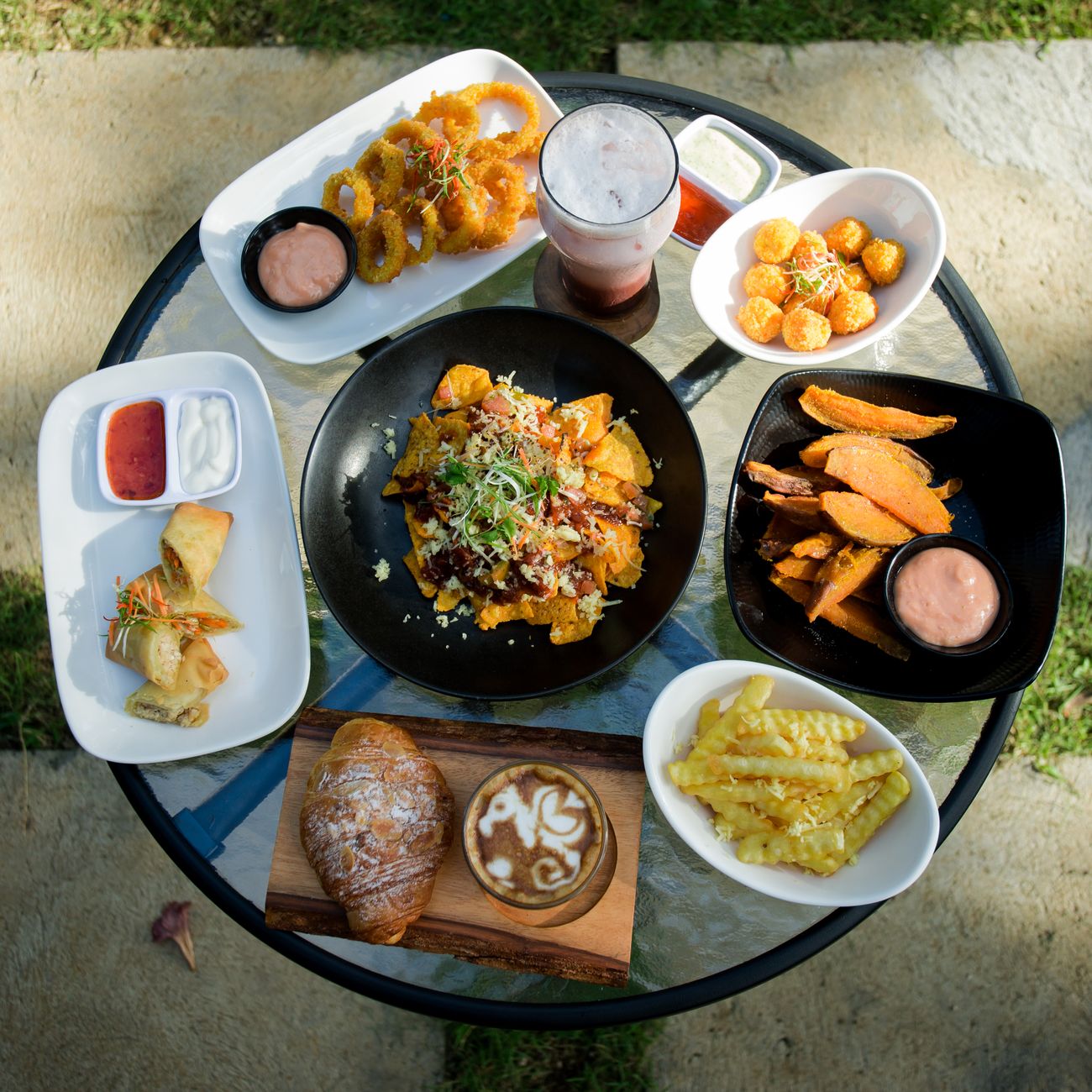
Menu Engineering is the systematic analysis of a restaurant’s menu to determine which items generate the highest profit and which items need to be re‑priced, repositioned, or removed. It combines data on the cost of each dish, its selling price, and the frequency with which it is ordered. By plotting items on a matrix that compares profitability (contribution margin) with popularity (sales volume), managers can make informed decisions that optimise both revenue and operational efficiency.
Contribution Margin is the amount of money that remains after the direct cost of a menu item – typically the food cost – has been subtracted from its selling price. It is expressed either as a monetary value per portion or as a percentage of the selling price. The formula is: Contribution Margin = Selling Price – Food Cost. This figure is crucial because it shows how much each dish contributes to covering fixed costs such as labour, rent, and utilities, and ultimately to the profit of the establishment.
Food Cost Percentage (often abbreviated as FC%) is the ratio of the cost of the ingredients used in a dish to its selling price, expressed as a percentage. It is calculated by dividing the total cost of the raw materials by the menu price and multiplying by 100. For example, if a pasta dish costs €4 in ingredients and is sold for €12, the food cost percentage is (4/12) × 100 = 33 %. Maintaining food cost percentages within target ranges – commonly 25‑35 % for most hotel restaurants – is a key performance indicator for cost control.
Prime Cost is the sum of the total labour cost and the total food cost. In the hospitality industry, prime cost is a critical metric because it directly reflects the two largest controllable expense categories. Many industry standards suggest that prime cost should not exceed 60‑65 % of total sales. Monitoring prime cost helps managers balance staffing levels with menu pricing strategies.
Menu Item Classification refers to the categorisation of dishes based on their placement within the Menu Engineering Matrix. The matrix is divided into four quadrants: Stars, Plow‑horses, Puzzles, and Dogs.
- Stars are high‑profit, high‑popularity items. They should be prominently featured and may even be used as anchor points for menu design. - Plow‑horses generate solid profit but have lower sales volumes. Strategies for these items include improving visibility or adjusting the price to boost turnover. - Puzzles are popular but have low profitability, often because the food cost is too high. These require cost‑reduction measures, portion adjustments, or price increases. - Dogs are low‑profit, low‑popularity items. They are candidates for removal or replacement with more attractive alternatives.
Menu Mix is the proportion of each menu item’s sales relative to the total sales of the menu. Analysing menu mix helps identify which dishes dominate revenue and which are under‑performing. For instance, a hotel’s breakfast buffet may show that eggs and coffee together account for 55 % of total sales, indicating a reliance on a narrow set of items. Adjusting the mix by promoting new or higher‑margin dishes can improve overall profitability.
Menu Layout concerns the visual arrangement of items on the menu. Strategic placement can influence ordering behaviour. Items placed in the upper‑right corner of a page, or highlighted with a box or a different font, tend to attract more attention. The use of “golden triangles” – the visual pathways that a reader’s eye naturally follows – can be leveraged to draw focus to profitable dishes.
Cost‑Plus Pricing is a straightforward method where a fixed markup is added to the food cost to determine the selling price. For example, if a dish’s ingredient cost is €5 and the desired markup is 60 %, the selling price would be €5 ÷ (1 – 0.60) = €12.50. This approach ensures that each dish meets a predetermined profit margin, but it does not account for market demand or competitor pricing.
Perceived Value Pricing sets the price based on the customer’s perception of the dish’s worth rather than strictly on its cost. Luxury hotels often employ this strategy for signature dishes, where the ambience, brand reputation, and exclusivity justify a premium price. Market research, guest surveys, and competitor benchmarking are essential tools to gauge perceived value accurately.
Psychological Pricing exploits consumer psychology to influence purchasing decisions. Common techniques include pricing items just below a round number (e.G., €19.90 Instead of €20) and using “anchor pricing” where a high‑priced item is placed next to a moderately priced one, making the latter appear more reasonable. The term “price ending in 9” is a classic example of psychological pricing that can increase perceived affordability.
Bundling involves offering a set of menu items together at a single price that is lower than the sum of the individual prices. Breakfast buffets that include coffee, juice, and a pastry are typical examples. Bundling can increase average check size, improve table turnover, and encourage guests to try items they might otherwise overlook.
Dynamic Pricing is the practice of adjusting menu prices in response to changes in demand, seasonality, or cost fluctuations. Hotel restaurants may increase prices during peak tourist seasons or major local events, and lower them during off‑peak periods to stimulate demand. Implementing dynamic pricing requires a robust data collection system and real‑time analysis capabilities.
Menu Item Turnover measures the frequency with which a particular dish is ordered over a defined period, often expressed as the number of portions sold per day or per week. High turnover indicates popularity, but when combined with a low contribution margin, it may still result in sub‑optimal profitability. Managers must balance turnover with margin to optimise the menu.
Demand Elasticity reflects how sensitive the quantity demanded of a menu item is to changes in its price. If a small price increase leads to a large drop in sales, the item is considered price‑elastic. Conversely, a price‑inelastic item will see little change in sales despite price adjustments. Understanding elasticity helps determine whether a price hike will increase overall revenue or cause a detrimental loss of volume.
Menu Item Cannibalisation occurs when the introduction of a new dish draws sales away from existing, profitable items rather than attracting new customers. For example, adding a cheaper pasta variant may reduce orders for a more expensive seafood plate, thereby lowering overall profit. Cannibalisation analysis is essential when expanding a menu.
Menu Item Life Cycle describes the stages a dish goes through from introduction to decline. The typical phases are: Introduction, Growth, Maturity, and Decline. During the introduction phase, marketing efforts are high and sales are low. In the growth phase, sales accelerate, and profit margins often improve. Maturity sees stable sales but may require promotional support, while decline signals the need for removal or reinvention.
Menu Rationalisation is the systematic process of reviewing the entire menu to eliminate under‑performing items, streamline operations, and focus on high‑margin dishes. Rationalisation can reduce kitchen complexity, lower inventory costs, and improve service speed. It is a key component of menu engineering projects, especially in large hotel chains where consistency and cost control are paramount.
Menu Positioning refers to the strategic placement of a dish within the menu hierarchy to influence perception and ordering behaviour. Positioning a premium dish at the top of a section can signal its importance, while placing a value‑oriented dish near the bottom may attract price‑sensitive guests. Positioning also involves the wording of the description to enhance appeal.
Menu Description is the textual narrative that accompanies each dish. Well‑crafted descriptions can increase perceived value and encourage upselling. For example, “Free‑range organic eggs, lightly sautéed with fresh herbs” conveys quality and justifies a higher price than a plain “Eggs”. Descriptions should be concise, vivid, and highlight unique selling points.
Standard Recipe is a documented set of instructions that defines the exact quantities of each ingredient, preparation steps, cooking times, and plating methods for a menu item. Standard recipes ensure consistency across shifts and locations, facilitate accurate costing, and provide a basis for training staff. They are the foundation for calculating the food cost of each dish.
Recipe Costing involves adding up the cost of all ingredients listed in the standard recipe, including a proportionate share of garnish, sauces, and waste. The total is then compared to the menu price to determine the food cost percentage. Accurate recipe costing requires up‑to‑date ingredient prices, which are often sourced from the hotel’s purchasing department or supplier price lists.
Ingredient Cost is the monetary value of each component used in a recipe. It includes the purchase price, freight, taxes, and any handling fees. Seasonal fluctuations, bulk purchase discounts, and supplier negotiations can cause ingredient costs to vary, which in turn affects the profitability of menu items.
Yield Factor accounts for the loss of weight or volume that occurs during preparation. For example, a whole chicken may weigh 1.5 Kg when purchased but yield only 1.2 Kg of usable meat after trimming and cooking. The yield factor is expressed as a percentage: Yield = (Usable Weight ÷ Purchase Weight) × 100. Properly applying yield factors prevents under‑costing of dishes.
Waste Factor represents the proportion of ingredients that are discarded due to spoilage, over‑preparation, or trimming. A waste factor of 5 % means that for every €100 of raw material purchased, €5 is lost. Incorporating waste factors into recipe costing helps ensure that the true cost of a dish is captured, reducing unexpected profit erosion.
Portion Control is the practice of measuring and serving exact quantities of each component in a dish. Using scales, portioning tools, and standardised plating guidelines helps maintain consistency, control food costs, and comply with health regulations. Poor portion control can lead to inflated food cost percentages and guest dissatisfaction.
Gross Profit is the difference between total sales revenue and the direct cost of goods sold (COGS), which includes food and beverage costs. In the context of menu engineering, gross profit is often expressed as a percentage of sales and serves as an indicator of how efficiently the kitchen converts ingredients into revenue.
Net Profit is the amount remaining after all operating expenses – including labour, utilities, marketing, and administrative costs – have been deducted from the gross profit. Net profit reflects the overall financial health of the restaurant operation and is the ultimate goal of menu engineering and pricing strategies.
Operating Expense encompasses all costs that are not directly tied to the production of food, such as salaries for front‑of‑house staff, utilities, insurance, and maintenance. Monitoring operating expenses in relation to revenue helps managers assess the feasibility of price adjustments and cost‑saving initiatives.
Break‑Even Point is the level of sales at which total revenue equals total costs, resulting in zero profit. For a specific menu item, the break‑even point can be calculated by dividing the fixed costs allocated to that dish by its contribution margin per unit. Understanding break‑even points assists in setting realistic sales targets.
Menu Profitability Index (MPI) is a numerical value that ranks menu items based on their combined contribution margin and sales volume. An MPI can be derived by multiplying the contribution margin percentage by the sales frequency, providing a single figure that highlights the most valuable dishes. Items with low MPI scores are candidates for improvement or removal.
Menu Item Performance Metrics include a suite of data points such as food cost percentage, contribution margin, sales volume, turnover rate, and customer rating. By tracking these metrics over time, managers can detect trends, assess the impact of pricing changes, and make evidence‑based decisions.
Menu Analysis Report is a comprehensive document that summarises the findings of a menu engineering study. It typically contains tables of each dish’s cost, price, margin, popularity, classification, and recommendations for action. The report serves as a roadmap for the culinary and finance teams to implement changes.
Menu Mix Analysis focuses specifically on the proportion of revenue generated by each category (e.G., Appetizers, main courses, desserts, beverages). For a hotel restaurant, a typical desirable mix might be 20 % appetizers, 55 % mains, 15 % desserts, and 10 % beverages. Deviations from the target mix can signal opportunities for cross‑selling or menu redesign.
Menu Engineering Software is a digital tool that automates the calculation of food costs, contribution margins, and classification matrices. Modern solutions often integrate with point‑of‑sale (POS) systems, inventory management, and supplier databases, providing real‑time insights. Examples include Menufy, Plate IQ, and specialized modules within hotel property management systems.
Menu Testing involves trialling a new dish or price change on a limited basis before full rollout. Methods include pop‑up events, focus groups, and soft launches during off‑peak hours. Data collected during testing – such as guest feedback, sales numbers, and kitchen efficiency – informs final decisions.
Menu Piloting is a structured version of menu testing where a new menu is introduced in a single outlet or a single service period (e.G., Lunch) for a predetermined duration. Piloting allows for controlled observation of operational impact, staff adaptation, and guest acceptance, reducing the risk associated with a full‑scale launch.
Menu Redesign is the comprehensive overhaul of a menu’s visual appearance, layout, item selection, and pricing structure. Redesigns are often undertaken after a menu engineering exercise to align the physical menu with strategic objectives, such as highlighting high‑margin items or reinforcing brand identity.
Menu Item Profitability is assessed by analysing the contribution margin relative to the dish’s sales frequency. A high‑profit dish that sells rarely may contribute less overall than a moderate‑profit dish with high turnover. Managers therefore examine both absolute profit per dish and aggregate profit generated by each item.
Menu Item Price Elasticity measures the responsiveness of demand for a specific dish to changes in its price. It is calculated by dividing the percentage change in quantity demanded by the percentage change in price. For example, if a 10 % price increase leads to a 5 % drop in orders, the price elasticity is –0.5, Indicating inelastic demand.
Menu Item Contribution per Unit is the monetary amount each portion adds to covering fixed costs after variable costs have been deducted. It is derived by subtracting the food cost from the selling price. This figure is critical when evaluating the impact of a price adjustment on overall profitability.
Menu Item Gross Margin is the ratio of contribution margin to the selling price, expressed as a percentage. Gross margin provides a quick reference for how efficiently a dish converts revenue into profit. A gross margin of 70 % means that €0.70 Of every €1 of sales contributes to covering fixed costs and profit.
Menu Item Net Margin goes a step further by factoring in allocated labour and overhead costs, delivering a more realistic picture of the profit a dish generates after all expenses. Net margin is often lower than gross margin and is a valuable metric for strategic pricing decisions.
Menu Item Lifecycle Management is the ongoing process of monitoring each dish’s performance, updating recipes, adjusting prices, and eventually retiring items that no longer meet profitability criteria. Effective lifecycle management ensures that the menu remains fresh, relevant, and financially sound.
Menu Item Cannibalisation Analysis employs statistical techniques to determine whether a new menu addition is eroding sales of existing items. By comparing pre‑ and post‑introduction sales data, analysts can isolate the impact of the new dish and decide whether to retain, modify, or discontinue it.
Menu Item Segmentation groups dishes according to target guest profiles, such as business travellers, families, or luxury diners. Segmentation allows hotels to tailor menus to specific market segments, applying differentiated pricing and positioning strategies to maximise appeal and revenue.
Menu Item Upselling is a technique used by servers to suggest higher‑priced alternatives or add‑ons, such as premium sauces, upgraded protein options, or wine pairings. Training staff in effective upselling can boost average check size without altering menu prices.
Menu Item Cross‑Selling encourages guests to purchase complementary items, for example, pairing a starter with a recommended wine or suggesting a dessert after the main course. Cross‑selling relies on strategic menu layout, server prompts, and well‑designed combo offers.
Menu Item Promotional Pricing involves temporary reductions or special offers to stimulate demand for specific dishes. Common tactics include “happy hour” discounts, “buy one get one free” deals, or limited‑time seasonal specials. Promotional pricing must be carefully timed to avoid eroding long‑term brand value.
Menu Item Seasonal Pricing adjusts prices according to the availability and cost of key ingredients. For instance, a seafood risotto may be priced higher in winter when certain fish are scarce, and lower in summer when supply is abundant. Seasonal pricing aligns menu profitability with market realities.
Menu Item Cost Variance tracks the difference between the standard cost of a recipe and the actual cost incurred. Variance analysis highlights deviations caused by price fluctuations, waste, or portion inconsistencies, enabling corrective actions to restore target margins.
Menu Item Forecasting uses historical sales data, reservation trends, and external factors (e.G., Holidays, events) to predict future demand for each dish. Accurate forecasting supports inventory planning, staffing decisions, and pricing adjustments.
Menu Item Inventory Turnover measures how quickly the ingredients for a specific dish are used up relative to the inventory held. A high turnover indicates efficient use of stock, while a low turnover may signal over‑stocking or under‑utilisation, potentially leading to waste.
Menu Item Waste Management encompasses procedures to minimise ingredient loss, such as using trim for stocks, implementing first‑in‑first‑out (FIFO) rotation, and training staff on proper portioning. Effective waste management directly improves food cost percentages.
Menu Item Brand Alignment ensures that each dish reflects the hotel’s overall brand identity and culinary concept. A luxury resort may feature locally sourced, artisanal dishes, while a business‑focused hotel might prioritise quick, high‑energy meals. Alignment reinforces brand consistency and guest expectations.
Menu Item Regulatory Compliance addresses food safety standards, allergen labeling, and nutritional disclosure requirements. In Italy, hotels must adhere to EU Regulation 1169/2011 on nutrition information, which can affect menu wording, ingredient listing, and pricing strategies.
Menu Item Sensory Evaluation involves systematic tasting panels to assess flavour, texture, aroma, and visual appeal. Sensory data informs recipe refinement, ensuring that high‑margin dishes also meet guest satisfaction criteria.
Menu Item Guest Feedback Loop collects and analyses comments from diners through surveys, comment cards, and digital platforms. Feedback is crucial for identifying perceived value gaps, taste preferences, and service issues that may impact profitability.
Menu Item Competitive Benchmarking compares a hotel’s menu prices and offerings with those of nearby competitors. Benchmarking helps determine whether pricing is aligned with market expectations and can reveal opportunities for differentiation.
Menu Item Cost Allocation distributes shared expenses, such as kitchen overhead or garnish supplies, across multiple dishes. Accurate allocation prevents over‑ or under‑costing of individual items and supports fair profitability analysis.
Menu Item Break‑Even Analysis calculates the number of portions that must be sold to cover the fixed costs allocated to the dish. The formula is: Break‑Even Quantity = Fixed Cost Allocation ÷ Contribution Margin per Portion. This analysis guides pricing and sales targets.
Menu Item Price Sensitivity Survey asks guests how likely they would be to purchase a dish at various price points. The resulting data creates a demand curve that assists in setting optimal prices that maximise revenue without alienating customers.
Menu Item Revenue Management integrates pricing, inventory control, and demand forecasting to optimise income. In hotel restaurants, revenue management may involve adjusting menu prices in real time based on occupancy levels, event calendars, and competitor actions.
Menu Item Strategic Pricing aligns the price of each dish with broader business objectives, such as positioning the hotel as a premium destination, driving ancillary revenue (e.G., Wine sales), or supporting a loyalty program. Strategic pricing may deviate from pure cost‑plus calculations to achieve brand goals.
Menu Item Price Point Optimization uses statistical techniques, such as regression analysis and profit curve modelling, to identify the price that yields the highest contribution margin while maintaining acceptable sales volume. Software tools can simulate multiple scenarios to aid decision‑making.
Menu Item Value Proposition articulates the unique benefits a dish offers to the guest, combining quality, portion size, presentation, and price. Communicating a clear value proposition in the menu description can justify higher prices and enhance perceived value.
Menu Item Seasonal Menu is a dedicated menu that features dishes created from seasonal produce, often rotated quarterly. Seasonal menus can command premium pricing due to the freshness and exclusivity of ingredients, and they help manage cost fluctuations.
Menu Item Allergen Management requires clear identification of common allergens (e.G., Nuts, gluten, dairy) in each dish. Proper allergen labeling not only complies with regulations but also builds trust with guests, influencing their willingness to pay for safe options.
Menu Item Nutritional Labelling provides information on calories, macronutrients, and other nutritional facts. In some markets, displaying this data can affect pricing decisions, as health‑conscious guests may be willing to pay more for transparent, nutritious options.
Menu Item Price Anchoring places a high‑priced item near a target dish to make the latter appear more reasonable. For example, listing a €45 tasting menu before a €30 three‑course option can increase the perceived affordability of the €30 choice.
Menu Item Price Tiering creates multiple versions of a dish at different price points, such as a basic, premium, and deluxe option. Tiering allows guests to select the level of experience that matches their budget, while the restaurant captures additional revenue from upselling.
Menu Item Cost Benchmarking compares the ingredient cost of a dish against industry standards or internal historical data. Benchmarking helps identify outliers where a dish’s cost is unusually high, prompting a review of supplier contracts or recipe adjustments.
Menu Item Portion Standardisation defines exact portion sizes using weight or volume measurements. Standardisation eliminates variability caused by individual chef interpretation, ensuring consistent cost calculations and guest experience.
Menu Item Price Rounding involves adjusting final prices to round numbers that are psychologically appealing (e.G., €24 Instead of €23.70). While rounding can simplify transactions, it must be balanced against the impact on contribution margins.
Menu Item Cost‑Volume‑Profit (CVP) Analysis evaluates how changes in sales volume, cost structure, and price affect profitability. CVP charts can illustrate the break‑even point and the impact of different pricing scenarios on the bottom line.
Menu Item Labor Cost Allocation assigns a portion of staff wages to each dish based on preparation time and complexity. Including labor cost in the dish’s overall cost provides a more accurate picture of true profitability.
Menu Item Time‑to‑Market measures the speed at which a new dish can be developed, tested, and launched. Faster time‑to‑market can give a hotel a competitive edge, especially when responding to emerging food trends.
Menu Item Brand Storytelling incorporates the history, origin, or cultural significance of a dish into its description. Storytelling can elevate perceived value and justify premium pricing, particularly in boutique hotels that emphasize local heritage.
Menu Item Sustainability Index assesses the environmental impact of a dish, considering factors such as carbon footprint, sourcing locality, and waste generated. Sustainable dishes may attract eco‑conscious guests and command higher prices in certain markets.
Menu Item Price Elasticity Modelling uses advanced analytics to predict how variations in price will affect demand across different guest segments. Models may incorporate variables such as room rates, occupancy, and external events to refine pricing strategies.
Menu Item Forecast Error quantifies the deviation between predicted and actual sales for a dish. Tracking forecast error helps improve the accuracy of future demand projections and informs adjustments to inventory and pricing.
Menu Item Profit Maximisation is the overarching objective of menu engineering: To structure the menu, set prices, and manage costs so that total profit is maximised while maintaining guest satisfaction. Achieving this requires a balance of data‑driven analysis and creative culinary execution.
Menu Item Competitive Advantage is achieved when a dish offers something unique – be it a signature flavour, exclusive ingredient, or exceptional presentation – that competitors cannot easily replicate. Leveraging this advantage can support higher pricing and stronger brand positioning.
Menu Item Guest Segmentation groups diners based on demographics, spending habits, and preferences. Segment‑specific pricing can be applied, such as offering a business travel package that includes a quick lunch at a set price, versus a la carte pricing for leisure guests.
Menu Item Price Testing involves experimenting with different price points for the same dish in controlled environments to observe the impact on sales and profit. A/B testing can be conducted by rotating prices across days or across similar outlet locations.
Menu Item Revenue per Available Seat Hour (RevPASH) extends the concept of RevPAR (Revenue per Available Room) to the restaurant setting, measuring revenue generated per seat per hour of operation. High RevPASH indicates efficient use of dining space and pricing strategy.
Menu Item Contribution Margin Ratio expresses the contribution margin as a proportion of total sales, providing a quick reference for the profitability of each dish relative to overall revenue. Managers often set target contribution margin ratios for each menu category.
Menu Item Price Sensitivity Analysis examines how changes in external factors – such as ingredient price spikes or competitor promotions – affect the optimal price of a dish. Sensitivity analysis helps identify price points that are resilient to market volatility.
Menu Item Cost Control Loop is a continuous process that includes monitoring ingredient prices, updating recipe costs, analysing variances, and implementing corrective actions. The loop ensures that cost control remains dynamic and responsive to market changes.
Menu Item Strategic Menu Placement uses visual hierarchy, such as bold fonts, boxed sections, or colour contrast, to draw attention to high‑margin dishes. Strategic placement can increase the likelihood that guests will select profitable items without overtly influencing their choice.
Menu Item Price Communication involves how the price is presented to guests – whether the currency symbol is placed before or after the amount, whether the price is listed in a separate column, or whether it is integrated within the description. Clear communication reduces confusion and can affect perceived fairness.
Menu Item Guest Loyalty Incentives reward repeat diners with discounts, complimentary upgrades, or exclusive dishes. Loyalty incentives can be tied to menu pricing, encouraging guests to spend more to achieve the reward threshold.
Menu Item Revenue Forecasting Model incorporates historical sales data, seasonality patterns, and external variables to predict future revenue for each dish. Accurate forecasting supports budgeting, staffing, and procurement planning.
Menu Item Price Positioning Matrix maps dishes based on price level (low, medium, high) against perceived quality (basic, premium, luxury). The matrix helps identify gaps where a hotel can introduce a new offering to capture unmet demand.
Menu Item Cost Reduction Strategies include negotiating better supplier terms, substituting high‑cost ingredients with comparable lower‑cost alternatives, reducing waste, and streamlining preparation processes. Cost reductions must be balanced against maintaining quality and brand standards.
Menu Item Revenue Management Dashboard visualises key performance indicators such as contribution margin, sales volume, food cost percentage, and RevPASH. Real‑time dashboards enable managers to react quickly to deviations and implement pricing adjustments.
Menu Item Guest Satisfaction Index aggregates guest ratings, comments, and repeat purchase rates for each dish. A high satisfaction index combined with strong profitability signals a well‑balanced menu item.
Menu Item Price Optimization Algorithm uses machine learning to analyse large datasets of sales, pricing, and external factors, recommending optimal price points that maximise expected profit. Algorithms can be integrated with POS systems for automated price updates.
Menu Item Strategic Alliances involve collaborations with local producers, wineries, or chefs to create exclusive dishes that differentiate the hotel’s offering. Such alliances can justify premium pricing and enhance the restaurant’s reputation.
Menu Item Multi‑Channel Pricing addresses the need to set consistent prices across different sales channels – in‑house dining, room service, online delivery platforms, and catering. Uniform pricing helps avoid guest confusion and protects profit margins.
Menu Item Cost‑Benefit Analysis evaluates the financial impact of introducing a new dish versus the expected revenue increase. The analysis includes direct costs, marketing expenses, and potential cannibalisation effects.
Menu Item Guest Perception Study surveys guests on their attitudes towards price, quality, and value for specific dishes. Understanding perception informs how to position and price items to meet expectations.
Menu Item Operational Feasibility assesses whether a dish can be prepared efficiently with existing kitchen equipment, staff skills, and workflow. Feasibility constraints may limit the inclusion of certain high‑margin but complex dishes.
Menu Item Pricing Governance establishes policies, approval processes, and accountability for setting and adjusting menu prices. Governance ensures that pricing decisions align with corporate financial targets and brand guidelines.
Menu Item Cross‑Cultural Adaptation modifies dishes to suit the tastes and dietary preferences of international guests while preserving profitability. For example, offering a halal‑certified version of a popular meat dish can open new revenue streams.
Menu Item Seasonal Cost Forecast predicts ingredient price trends based on harvest cycles, market reports, and supplier contracts. Accurate forecasts enable proactive price adjustments and menu planning.
Menu Item Price Segmentation divides the menu into price bands that cater to different spending levels, ensuring that every guest segment finds an appropriate option. Proper segmentation can increase overall check size by offering both value and premium choices.
Menu Item Yield Management applies techniques from the airline industry – such as controlling the availability of high‑margin dishes during peak demand – to maximise revenue per seat. Yield management may involve limiting the number of portions sold at a particular price.
Menu Item Data Integrity ensures that the cost, sales, and inventory data used for analysis are accurate and reliable. Data integrity is essential for credible menu engineering outcomes and for maintaining stakeholder confidence.
Menu Item Guest Journey Mapping traces the steps a guest takes from reservation to ordering, identifying touchpoints where menu influence can be exercised. Understanding the journey helps optimise timing of upselling, menu presentation, and pricing cues.
Menu Item Price Transparency reflects the practice of clearly displaying prices, taxes, and service charges. Transparent pricing builds trust, reduces disputes, and can enhance the perceived fairness of higher‑priced items.
Menu Item Financial Modeling builds a spreadsheet or software model that simulates the financial impact of various pricing and cost scenarios for each dish. Models incorporate assumptions about sales growth, inflation, and market trends.
Menu Item Strategic Price Review Cycle sets a regular timetable – quarterly or semi‑annual – for reviewing menu prices in line with cost changes, market conditions, and performance metrics. A disciplined review cycle prevents price stagnation.
Menu Item Guest Loyalty Program Integration links menu pricing with point accrual systems, allowing guests to earn or redeem points on specific dishes. Integration can drive repeat business and increase average spend.
Menu Item Menu Engineering Workshop brings together chefs, finance managers, and marketing staff to collaboratively analyse menu data, brainstorm improvements, and agree on action plans. Workshops foster cross‑functional alignment and ownership of pricing decisions.
Menu Item Profitability Dashboard provides a visual snapshot of each dish’s contribution margin, sales volume, and trend over time. Dashboards can be customised for executive, culinary, and operational audiences, ensuring relevant insights are communicated.
Menu Item Pricing Sensitivity Heatmap visualises the impact of price changes across different dishes, highlighting those that are most responsive. Heatmaps guide managers on where price adjustments will yield the greatest profit lift.
Menu Item Cost Allocation Methodology defines the rules for distributing shared costs – such as kitchen utilities, cleaning supplies, and equipment depreciation – among menu items. Consistent methodology ensures fairness and comparability.
Menu Item Revenue Optimisation Framework combines menu engineering, pricing strategy, and operational efficiency into a cohesive system. The framework outlines steps for data collection, analysis, decision making, implementation, and review.
Menu Item Guest Experience Alignment ensures that the price, quality, and service of a dish meet or exceed guest expectations. Alignment reduces the risk of negative reviews that can erode brand equity and future revenue.
Menu Item Demand Forecast Accuracy measures the precision of sales predictions, often expressed as a percentage error. High accuracy enables better inventory control, reduces waste, and supports confident pricing decisions.
Menu Item Pricing Elasticity Curve plots the relationship between price and quantity demanded, illustrating the point at which revenue is maximised. The curve assists in identifying the optimal price that balances volume and margin.
Menu Item Revenue Leakage Identification detects areas where potential income is lost – for example, through under‑priced specials, untracked off‑the‑record sales, or excessive complimentary items. Addressing leakage can improve overall profitability.
Menu Item Cost‑Control Dashboard tracks real‑time ingredient prices, waste levels, and portion deviations, providing early warnings of cost overruns. Dashboards enable swift corrective actions before margins are compromised.
Menu Item Strategic Price Differentiation varies prices for the same dish across different service times – such as a lower lunch price and a higher dinner price – to reflect demand elasticity and maximise revenue throughout the day.
Menu Item Guest Value Perception Survey asks diners to rate the perceived value of a dish relative to its price. Survey results guide adjustments to both pricing and presentation to better align with guest expectations.
Menu Item Cost‑Benefit Ratio compares the cost of implementing a pricing change (e.G., Marketing expense, staff training) to the expected benefit in terms of increased contribution margin. Ratios above 1 indicate a favourable return on investment.
Menu Item Profit Driver Analysis identifies the primary factors that influence a dish’s profitability, such as ingredient cost volatility, preparation time, or popularity spikes during events. Understanding drivers helps prioritise improvement efforts.
Menu Item Pricing Discipline enforces adherence to established pricing policies, preventing ad‑hoc discounts that erode margins. Discipline is maintained through regular audits, approval hierarchies, and performance incentives.
Menu Item Revenue Forecast Model Validation tests the predictive accuracy of forecasting models against actual sales data, refining assumptions and improving future reliability. Validation is an essential step before relying on model outputs for pricing decisions.
Menu Item Guest Preference Segmentation clusters diners based on their preferred flavours, dietary restrictions, and spending habits, enabling targeted menu design and pricing that resonates with each segment.
Key takeaways
- By plotting items on a matrix that compares profitability (contribution margin) with popularity (sales volume), managers can make informed decisions that optimise both revenue and operational efficiency.
- This figure is crucial because it shows how much each dish contributes to covering fixed costs such as labour, rent, and utilities, and ultimately to the profit of the establishment.
- Food Cost Percentage (often abbreviated as FC%) is the ratio of the cost of the ingredients used in a dish to its selling price, expressed as a percentage.
- In the hospitality industry, prime cost is a critical metric because it directly reflects the two largest controllable expense categories.
- Menu Item Classification refers to the categorisation of dishes based on their placement within the Menu Engineering Matrix.
- Strategies for these items include improving visibility or adjusting the price to boost turnover.
- For instance, a hotel’s breakfast buffet may show that eggs and coffee together account for 55 % of total sales, indicating a reliance on a narrow set of items.