
Legal and Regulatory Framework for Entertainment Safety (United Kingdom)
Health and Safety at Work etc. Act 1974 – The cornerstone of occupational health and safety legislation in the United Kingdom. It imposes a general duty on employers, including film production companies, to ensure, so far as is reasonably p…
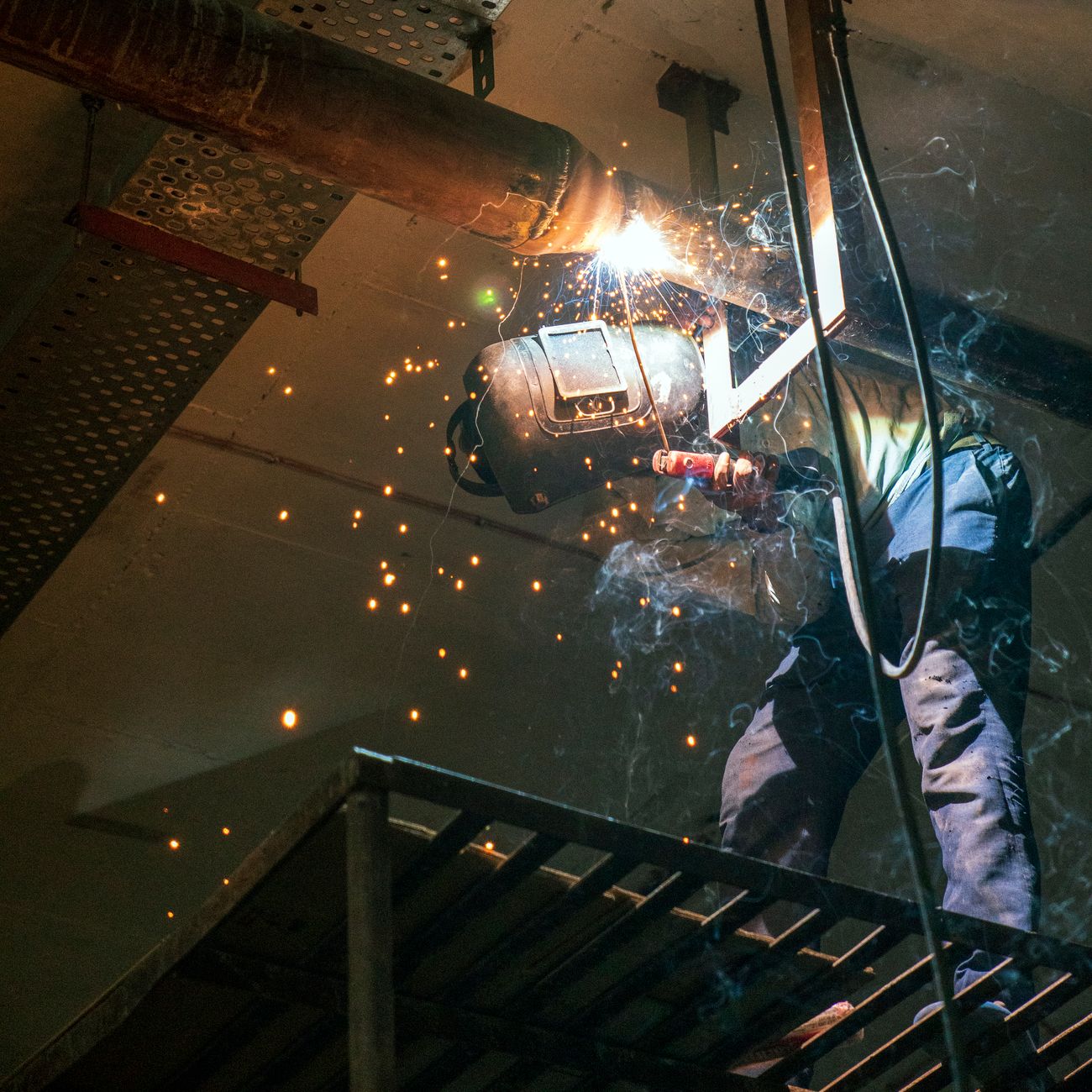
Health and Safety at Work etc. Act 1974 – The cornerstone of occupational health and safety legislation in the United Kingdom. It imposes a general duty on employers, including film production companies, to ensure, so far as is reasonably practicable, the health, safety and welfare of all persons who may be affected by their undertaking. In the context of entertainment, the Act underpins every specific regulation that follows, meaning that any breach may lead to prosecution, fines, or even imprisonment.
Management of Health and Safety at Work Regulations 1999 – These regulations require employers to carry out systematic risk assessments, appoint competent persons, and make arrangements for effective planning, organisation, control, monitoring and review of health and safety. For a film set, this translates into a documented safety plan that covers everything from stunt coordination to electrical safety on location.
Entertainment Industry Safety Regulations (EISR) – A suite of sector‑specific rules that have been developed in consultation with industry bodies such as the British Film Institute (BFI) and the Association of British Film and Television Arts (ABFTA). The EISR cover topics including pyrotechnics, rigging, aerial work, and the use of drones. Although not a standalone act, the EISR are incorporated into the broader legal framework through references in the Health and Safety at Work Regulations.
Construction (Design and Management) Regulations 2015 (CDM 2015) – Although originally aimed at construction, CDM 2015 applies wherever temporary structures are erected, such as sets, scaffolding, and stages. The regulations introduce the roles of Client, Principal Designer and Principal Contractor, each with distinct duties. In a film production, the Producer often acts as the Client, the Production Designer may be the Principal Designer, and the Site Manager becomes the Principal Contractor.
Workplace (Health, Safety and Welfare) Regulations 1992 – These regulations set out basic standards for the physical working environment: lighting, temperature, ventilation, sanitation, and welfare facilities. On a remote location shoot, compliance may require portable toilets, hand‑washing stations, and adequate rest areas to prevent fatigue‑related incidents.
Control of Substances Hazardous to Health Regulations 2002 (COSHH) – COSHH requires identification, assessment, and control of hazardous substances such as paints, solvents, fog machines, and battery acid. A film production must maintain a chemicals register, provide Safety Data Sheets (SDS) for each product, and ensure that employees receive appropriate training and personal protective equipment (PPE).
Reporting of Injuries, Diseases and Dangerous Occurrences Regulations 2013 (RIDDOR) – RIDDOR mandates the reporting of work‑related deaths, serious injuries, occupational diseases and dangerous occurrences to the Health and Safety Executive (HSE). For entertainment safety, this includes any on‑set accidents involving stunt performers, falls from heights, or electrical shocks. Prompt reporting triggers investigations that may lead to enforcement action.
Personal Protective Equipment at Work Regulations 1992 – These regulations require employers to provide suitable PPE where risks cannot be eliminated or sufficiently reduced by other means. In a film setting, PPE may include helmets, safety harnesses, fire‑resistant clothing, ear defenders, and respirators. Employers must also ensure that PPE is maintained, inspected, and replaced when necessary.
Electricity at Work Regulations 1989 – These regulations govern the safe installation, maintenance and use of electrical systems. On a set, this means that all electrical equipment must be regularly inspected, that Qualified Electrical Persons (QEPs) are engaged for high‑risk tasks, and that portable generators are correctly earthing and protected by Residual Current Devices (RCDs).
Provision and Use of Work Equipment Regulations 1998 (PUWER) – PUWER requires that all work equipment, from camera cranes to rigging gear, be suitable for its intended purpose, maintained in a safe condition and used only by persons who have received adequate training. Regular inspection logs and test certificates are essential documentation.
Construction (Design and Management) Regulations 2007 (CDM 2007) – Although superseded by CDM 2015, many legacy contracts still reference CDM 2007. Understanding the differences – particularly the removal of the “CDM Co‑ordinator” role – helps avoid confusion when working with older production companies.
Health and Safety (Display Screen Equipment) Regulations 1992 – These regulations address the ergonomic risks associated with prolonged use of computer screens, such as editing suites or visual effects workstations. Employers must provide adjustable chairs, monitor stands, and regular breaks to mitigate musculoskeletal disorders.
Fire Safety (Regulatory Reform) Act 2005 and Regulatory Reform (Fire Safety) Order 2005 – This legislation places the responsibility for fire safety on the “responsible person”, typically the production company or venue owner. It requires a fire risk assessment, means of escape, fire detection and alarm systems, and appropriate fire‑fighting equipment. For outdoor shoots, temporary fire‑watch services may be required when using pyrotechnics.
Control of Noise at Work Regulations 2005 – Noise exposure limits are set to protect workers from hearing loss. In a film environment, loud equipment such as generators, boom mics, and explosions can exceed permissible levels. Measures include engineering controls, hearing protection, and regular audiometric testing for high‑risk staff.
Work at Height Regulations 2005 – These regulations apply to any work performed above 2 metres where a fall could cause injury. The film industry frequently involves work at height for set construction, lighting rigs, and aerial stunts. A “Safe System of Work” must be devised, including risk assessments, fall protection equipment, and competent personnel.
Manual Handling Operations Regulations 1992 – Manual handling of heavy set pieces, props, and equipment can lead to back injuries. The regulations require risk assessments that consider load weight, frequency, and posture, and they encourage mechanical aids such as dollies, hoists, and pallet trucks.
Electrical Equipment (Safety) Regulations 2016 (Low Voltage Directive) – These regulations ensure that electrical equipment placed on the market meets safety standards. Production companies importing or purchasing lighting rigs and power tools must verify CE marking or UKCA marking and retain conformity certificates.
Electricity (Safety) Act 1995 – This act provides the legal basis for the Electricity at Work Regulations and criminalises reckless conduct that endangers life or property. In practice, a serious electrical incident on set could lead to prosecution under this act.
Health and Safety (First‑Aid) Regulations 1981 – Requires employers to provide adequate first‑aid equipment, facilities and trained personnel. On a film set, a designated First‑Aid Officer (FAO) is often appointed, and a first‑aid kit is stocked with items specific to the risks present, such as burn dressings for fire work.
Health and Safety (Display Screen Equipment) Regulations 1992 – (Repeated for emphasis) The focus on ergonomic safety for editors and visual effects artists is essential because prolonged screen time can cause eye strain and repetitive‑strain injuries. Employers must provide regular breaks, adjustable workstations, and training on correct posture.
Occupational Safety and Health Act 1974 – (Alternative name for the Health and Safety at Work etc. Act) Reinforces the duty of care and establishes the Health and Safety Executive (HSE) as the regulatory authority. Understanding the HSE’s enforcement powers – from improvement notices to prohibition notices – is critical for compliance.
Health and Safety (Enforcing Authority) Regulations 1999 – These regulations define the powers of enforcement officers, including the ability to enter premises, inspect records, and issue notices. Film productions must be prepared for HSE inspections at any stage of the production cycle.
Statutory Instruments (SIs) – Secondary legislation that provides detailed provisions for specific hazards. Examples include the “Construction (Design and Management) (Amendment) Regulations 2018” and “The Health and Safety (Safety Signs and Signals) Regulations 1995”. Production companies must keep abreast of relevant SIs that affect their operations.
Health and Safety (Safety Signs and Signals) Regulations 1995 – Requires the use of standardized safety signs to warn of hazards such as high voltage, flammable materials, or restricted areas. Effective signage is vital on large sets where multiple crews operate simultaneously.
Health and Safety (Display Screen Equipment) Regulations 1992 – (Third mention) The repetition underscores that DSE compliance is often overlooked in post‑production environments, yet it remains a legal requirement.
Health and Safety (Control of Major Accident Hazards) Regulations 1999 (COMAH) – Applies where large quantities of dangerous substances are stored, such as fuel for generators or pyrotechnic chemicals. A COMAH “Safety Report” may be required, detailing prevention measures and emergency response plans.
Health and Safety (Risk Assessment) Regulations 1999 – Central to the legal framework, these regulations obligate employers to identify hazards, decide on control measures, record findings, and review them regularly. The risk assessment must be written, kept up‑to‑date, and communicated to all workers.
Health and Safety (Training) Regulations 1999 – Requires employers to provide suitable training for all employees. In the film context, this includes induction training for all crew, specialized training for stunt coordinators, riggers, and hazardous‑materials handlers.
Health and Safety (Consultation) Regulations 1999 – Mandates that employers consult with recognised health and safety representatives (RHSRs) or safety committees. A production may establish a Safety Committee comprising department heads to discuss and resolve safety concerns.
Health and Safety (Reporting of Injuries, Diseases and Dangerous Occurrences) Regulations 2013 (RIDDOR) – (Repeated for emphasis) The importance of timely reporting cannot be overstated; failure to report can result in criminal liability.
Health and Safety (General) Regulations 2007 – Covers miscellaneous aspects such as the provision of clean drinking water, welfare facilities, and the prohibition of smoking in certain areas. On a set, this may translate to designated non‑smoking zones and adequate hydration stations.
Film and Television Production Safety Guidelines (FTPSG) – Published by industry bodies, these guidelines are not statutory law but are often referenced in contracts and insurance policies. They provide best‑practice recommendations for the safe execution of stunts, special effects, and location work.
Insurance Requirements – Public Liability and Employers’ Liability – While not a statutory regulation, insurance is a contractual necessity. Public liability covers third‑party claims for injury or property damage, whereas employers’ liability covers employee claims. Insurance policies often require proof of compliance with the aforementioned legislation.
Safety Management System (SMS) – A structured approach that integrates all health and safety processes, from planning to monitoring. An SMS for a film production includes a safety policy, risk assessment register, incident reporting system, audit schedule, and continuous improvement procedures.
Site Safe – The industry‑wide safety accreditation scheme that provides a framework for safe working on film locations. Achieving Site Safe status demonstrates adherence to a set of core safety standards and can be a prerequisite for obtaining location permits.
Location Permits and Licences – Local authorities may issue permits that incorporate health and safety conditions, especially for outdoor shoots involving road closures, crowd control, or the use of fireworks. Failure to comply with permit conditions can result in fines or revocation of filming rights.
Stunt Safety Protocols – Specific procedures developed for the planning and execution of stunts, including pre‑stunt meetings, risk assessments, rehearsals, and the presence of medical personnel. Stunt protocols must align with the Health and Safety at Work Act and industry guidelines.
Special Effects (SFX) and Visual Effects (VFX) Safety – SFX involves physical hazards such as explosions, fire, and mechanical rigs, while VFX may involve prolonged screen time and repetitive motions. Both require separate risk assessments and control measures, often overseen by a dedicated SFX Safety Officer.
Pyrotechnics Licensing – The use of fireworks and explosive effects is regulated by the Health and Safety Executive’s explosives licensing scheme. A licensed pyrotechnician must be employed, and a detailed “Fireworks Safety Plan” must be submitted to the HSE and local fire authority.
Drone Operation Regulations (CAA) – Part 107 – The Civil Aviation Authority governs the commercial use of Unmanned Aerial Vehicles (UAVs) for aerial filming. Operators must hold a Permission for Commercial Operations (PfCO) or a General Visual Line‑Of‑Sight (VLOS) certificate, and they must conduct a risk assessment for each flight.
Data Protection Act 2018 (GDPR) – Health and Safety Records – While primarily concerned with personal data, the DPA requires that employee health records, incident reports, and medical information be stored securely. Film productions must ensure compliance when handling such data.
Equality Act 2010 – Reasonable Adjustments – The Act mandates that employers make reasonable adjustments for disabled employees. In a film set, this could involve providing accessible changing facilities, adapting equipment for wheelchair users, or ensuring clear communication for hearing‑impaired crew.
Health and Safety (Control of Exposure to Asbestos) Regulations 2012 – If a location contains asbestos‑containing materials, a licensed asbestos survey must be carried out before work begins. The findings dictate safe work practices, containment measures, and disposal procedures.
Health and Safety (Control of Lead at Work) Regulations 2002 – Applies to the use of lead‑based paints or solder. Production teams must ensure that lead exposure is minimised, that appropriate PPE is provided, and that waste is disposed of in accordance with hazardous waste regulations.
Health and Safety (Control of Dangerous Substances) Regulations 2015 (COSHH) – Revised – The updated COSHH regulations introduced tighter controls on exposure limits and mandated exposure monitoring for certain substances. Film productions using fog machines or theatrical smoke must now conduct periodic exposure assessments.
Health and Safety (Workplace Exposure Limits) Regulations 1999 – Sets legal limits for exposure to hazardous substances such as solvents, dust, and fumes. Compliance requires regular monitoring, engineering controls, and, where necessary, personal protective equipment.
Health and Safety (Control of Noise at Work) Regulations 2005 – Revised – The revisions introduced lower exposure limits for impulse noise, which is relevant for explosions and gunfire effects. Production teams must provide hearing protection and may need to conduct noise surveys before filming.
Health and Safety (Control of Vibration) Regulations 2005 – Addresses risks from hand‑arm and whole‑body vibration caused by equipment such as power tools and winches. Stunt crews using vibration‑intensive devices must be provided with appropriate equipment and scheduled breaks.
Health and Safety (Control of Substances Hazardous to Children) Regulations 2011 – Although primarily aimed at products for children, it also applies to workplaces where children may be present, such as on‑set tutoring or child actors. Hazardous substances must be stored securely and inaccessible to minors.
Health and Safety (Display Screen Equipment) Regulations 1992 – Reiteration – Emphasises that even post‑production staff are covered by DSE regulations, reinforcing the need for ergonomic assessments across the entire production lifecycle.
Health and Safety (Working Time) Regulations 1998 – Limits the average weekly working time to 48 hours, unless an employee has voluntarily opted out. Long shooting days can lead to fatigue, reduced concentration and higher accident risk. Production schedules must incorporate rest periods and monitor overtime.
Health and Safety (Control of Legionella) Regulations 2013 – Requires risk assessments for water systems that could harbour Legionella bacteria, such as showers and cooling towers on large sets. Preventative measures include regular cleaning, temperature control and system flushing.
Health and Safety (Control of Asbestos) Regulations 2012 – Reiteration – Highlights that any disturbance of asbestos‑containing materials during set construction must be managed by licensed contractors, with appropriate containment and disposal plans.
Health and Safety (Control of Noise at Work) Regulations 2005 – Further Detail – The regulations define “action levels” at which employers must provide hearing protection and conduct health surveillance. For film crews, these action levels often trigger the use of earmuffs during high‑decibel effects.
Health and Safety (Control of Dangerous Substances) Regulations 2015 – Practical Example – A production using aerosol fog machines must record the type of fog fluid, its composition, the quantity used per day, and ventilation measures. This information feeds into a COSHH assessment that determines whether additional controls such as extraction fans are required.
Health and Safety (Fire Safety) Regulations – Practical Application – When filming a fire scene, the production must develop a “Fire Safety Method Statement” that details the fuel type, ignition source, flame height, extinguishing equipment, and the qualifications of the fire‑watch crew. The statement must be approved by the responsible person and the fire authority.
Health and Safety (Risk Assessment) – Example of a Structured Template – 1. Identify hazard (e.g., falling from a lighting rig). 2. Identify persons at risk (e.g., lighting crew, actors). 3. Evaluate risk (likelihood and severity). 4. Determine existing controls (safety harness, guardrails). 5. Identify additional measures (additional training, pre‑task briefing). 6. Record findings and assign responsibility. 7. Review after any incident or change in work method.
Health and Safety (Consultation) – Example of a Safety Committee Meeting – The meeting agenda includes review of incident reports, updates on upcoming stunts, inspection of PPE inventory, and discussion of any changes to legislation. Minutes are recorded, actions assigned, and follow‑up dates set.
Health and Safety (First‑Aid) – Example of a First‑Aid Kit Contents List – Sterile gauze, adhesive bandages, burn dressings, scissors, tweezers, antiseptic wipes, disposable gloves, eye wash solution, and a trauma kit for severe injuries. For productions involving pyrotechnics, the kit must also contain fire‑retardant blankets and burn‑treatment ointments.
Health and Safety (Training) – Example of a Training Matrix – Columns list job roles (e.g., Camera Operator, Stunt Performer, Grip). Rows list required training items (e.g., Induction, Manual Handling, COSHH, Working at Height, Fire Safety, First‑Aid). The matrix is used to track completion and schedule refresher courses.
Health and Safety (PPE) – Example of Selecting Appropriate PPE – For a stunt performer working with high‑speed vehicles, the required PPE may include a full‑face helmet, flame‑resistant jumpsuit, impact‑resistant gloves, and a harness compatible with the vehicle’s safety system. The selection process must reference risk assessment outcomes.
Health and Safety (Incident Reporting) – Example of an Incident Report Form – Sections include date and time, location, description of incident, persons involved, immediate actions taken, root‑cause analysis, and recommendations for prevention. The form must be signed by the person completing it and the supervising manager.
Health and Safety (Audit) – Example of an Internal Audit Checklist – Items include verification of risk assessments, inspection of fire‑extinguishers, review of training records, examination of equipment maintenance logs, and confirmation of compliance with site‑specific permits. Findings are documented and actioned.
Health and Safety (Legal Terminology) – Key Definitions – “Reasonably practicable” – A legal standard that balances the level of risk against the time, cost and effort required to control it. “Duty of care” – The legal obligation to avoid acts or omissions that could reasonably be expected to cause harm. “Negligence” – Failure to take reasonable care to avoid causing injury or loss to another.
Health and Safety (Enforcement) – Types of Notices – Improvement Notice – Requires the employer to fix a breach within a specified time. Prohibition Notice – Requires the immediate cessation of a dangerous activity. Notification of Prosecution – Informs the employer that legal proceedings have been initiated.
Health and Safety (Case Law) – Illustrative Examples – The case of “R v. HSE” (2006) where the HSE prosecuted a production company for failing to provide adequate fall protection, resulting in a fine of £50,000. The judgement reinforced the principle that “risk assessment alone is insufficient; control measures must be effectively implemented.”
Health and Safety (Insurance) – Example of Insurance Clause – “The insurer shall not be liable for any claim arising from the failure of the insured to comply with the Health and Safety at Work Act 1974, CDM 2015 regulations, or any other applicable legislation.” This clause underscores the importance of legal compliance for maintaining coverage.
Health and Safety (Regulatory Bodies) – Overview – Health and Safety Executive (HSE) – The national regulator responsible for enforcing health and safety law. Local Authority Environmental Health Departments – Often responsible for fire safety and building regulations on location. Civil Aviation Authority (CAA) – Oversees drone operations and aerial filming. British Standards Institution (BSI) – Publishes standards such as BS 7971 for the safe use of pyrotechnics.
Health and Safety (International Standards) – Relevance to UK Productions – ISO 45001 – International standard for occupational health and safety management systems. While not mandatory in the UK, many multinational productions adopt ISO 45001 to demonstrate a robust safety culture and to align with global partners.
Health and Safety (Emerging Risks) – New Technologies – Virtual Reality (VR) and Augmented Reality (AR) – Use of head‑mounted displays can introduce new ergonomic hazards, such as motion sickness and eye strain. Risk assessments must consider session length, break frequency, and the provision of anti‑glare screens.
Health and Safety (Emerging Risks) – Autonomous Vehicles – Test rigs and driverless camera cars may be employed for complex tracking shots. The legal framework requires that operators ensure the vehicle’s software is validated, that a safety driver is present, and that a contingency plan exists for loss of control.
Health and Safety (Environmental Considerations) – Sustainability and Waste Management – While not a core legal requirement, many productions adopt “green” policies that reduce hazardous waste, recycle set materials, and minimise carbon emissions. Compliance with the Environmental Protection Act 1990 may be required when disposing of chemicals or fuel.
Health and Safety (Cultural Competence) – Working with International Talent – Different jurisdictions may have varying safety expectations. Production managers must ensure that foreign crew members receive briefings that explain UK legal obligations, signage, and emergency procedures in a language they understand.
Health and Safety (Communication) – Toolbox Talks – Short, focused meetings that address specific hazards such as “Working with high‑voltage equipment” or “Fire‑watch procedures”. Toolbox talks reinforce risk awareness, provide an opportunity for questions, and are documented for audit purposes.
Health and Safety (Documentation) – Safety File – Under CDM 2015, the Principal Contractor must compile a “Health and Safety File” that contains all project‑specific health and safety information. The file is handed over to the client at project completion and must be retained for future reference, especially for any subsequent works on the same set.
Health and Safety (Emergency Planning) – Example of an Emergency Response Plan – 1. Identify potential emergencies (fire, electrical shock, chemical spill, medical emergency). 2. Assign roles (Incident Commander, First‑Aid Officer, Fire‑Watch, Evacuation Leader). 3. Define evacuation routes and assembly points. 4. List emergency contact numbers (HSE, local fire service, ambulance). 5. Provide procedures for reporting and recording incidents. 6. Conduct regular drills to test the plan.
Health and Safety (Legal Compliance) – Checklist for Pre‑Production – • Verify that all key personnel hold relevant licences (e.g., pyrotechnician, drone operator). • Confirm that a comprehensive risk assessment has been completed for each department. • Ensure that the site has obtained all necessary permits and that conditions are documented. • Review insurance policies to confirm coverage for identified hazards. • Conduct a pre‑start meeting with the Safety Committee to review the Safety Management System.
Health and Safety (Legal Compliance) – Checklist for Production – • Monitor compliance with the Health and Safety at Work Act on a daily basis. • Perform site inspections at least weekly, focusing on high‑risk activities. • Maintain an up‑to‑date incident register and review trends. • Ensure that PPE is available, correctly fitted, and inspected before each use. • Keep records of training, equipment maintenance, and safety meetings readily accessible for HSE inspections.
Health and Safety (Legal Compliance) – Checklist for Post‑Production – • Conduct a final health and safety audit to verify that all temporary structures have been dismantled safely. • Update the Health and Safety File with any modifications made during filming. • Review any incidents that occurred and implement lessons‑learned into future productions. • Ensure that waste, especially hazardous waste, has been disposed of in accordance with the Environmental Protection Act. • Archive all safety documentation for the statutory retention period (typically three years, or six years for certain records).
Health and Safety (Practical Challenges) – Managing Multiple Contractors – Film productions often involve a mosaic of subcontractors (e.g., lighting, sound, special effects). Coordination can be difficult, as each contractor may have its own safety procedures. A unified Safety Management System, overseen by the Production Safety Officer, helps to harmonise standards and avoid gaps in protection.
Health and Safety (Practical Challenges) – Time Pressure and Budget Constraints – Tight shooting schedules may tempt producers to cut corners on safety. The legal duty of care mandates that risk assessments and control measures cannot be compromised. Effective planning, realistic budgeting for safety resources, and senior management commitment are essential to overcome this pressure.
Health and Safety (Practical Challenges) – Remote Locations – Shooting in remote or inaccessible areas raises issues of emergency response, medical support, and provision of welfare facilities. Productions must arrange for on‑site medical personnel, ensure reliable communication (satellite phones), and develop contingency evacuation plans.
Health and Safety (Practical Challenges) – Weather Conditions – Unpredictable weather can increase the risk of slips, trips and falls, as well as affect the stability of set structures. Real‑time weather monitoring, flexible scheduling, and the use of weather‑resistant materials mitigate these hazards.
Health and Safety (Practical Challenges) – Stunt Coordination – Stunts involve a high level of inherent risk. The Stunt Coordinator must work closely with the Health and Safety Officer to develop detailed stunt contracts, conduct rehearsals, and ensure that all participants have appropriate medical clearance and insurance coverage.
Health and Safety (Practical Challenges) – Use of Animals – When animals are included in a production, the Animal Welfare Act 2006 imposes duties to ensure their safety and humane treatment. In addition, the Health and Safety at Work Act requires that the presence of animals does not create hazards for crew members.
Health and Safety (Practical Challenges) – Child Actors – Legislation such as the Children and Young Persons Act 1963 and the Working Time Regulations impose restrictions on working hours, rest periods, and the types of work children may perform. A child welfare officer is often appointed to oversee compliance and to ensure that risk assessments specifically address the needs of minors.
Health and Safety (Practical Challenges) – Language Barriers – International crews may have limited proficiency in English, which can affect the understanding of safety signs, briefings, and emergency instructions. Use of multilingual signage, visual aids, and interpreter services helps to bridge this gap.
Health and Safety (Practical Challenges) – Technological Change – Rapid advancements in lighting, camera equipment, and special effects introduce new hazards that may not yet be covered by existing regulations. Continuous professional development, engagement with industry forums, and proactive risk assessment are required to stay ahead of emerging risks.
Health and Safety (Practical Applications) – Example of a Set‑Up for a Fire Scene – 1. Conduct a COSHH assessment for the fuel used (e.g., liquid propane). 2. Obtain a pyrotechnics licence and submit a fire‑watch plan to the local fire authority. 3. Install fire‑resistant barriers around the burn area. 4. Provide fire‑retardant clothing to all crew in the vicinity. 5. Position fire extinguishers and a dedicated fire‑watch team with communication radios. 6. Conduct a pre‑shoot safety briefing, covering evacuation routes and emergency contacts. 7. Record the entire process in the Safety File.
Health and Safety (Practical Applications) – Example of a Rigging Operation – 1. Perform a risk assessment for the load, height, and ground conditions. 2. Verify that all rigging equipment (slings, shackles, hoists) is certified and inspected. 3. Assign a competent rigger to supervise the lift. 4. Use a spotter to monitor the area for personnel intrusion. 5. Implement a clear communication protocol using hand signals and radio checks. 6. Document the lift plan, including load charts and emergency procedures. 7. Review the operation after completion to capture any lessons learned.
Health and Safety (Practical Applications) – Example of a Drone Flight for Aerial Shots – 1. Secure a CAA‑approved drone licence and ensure the operator holds a Part 107 certification. 2. Conduct a site‑specific risk assessment, considering crowds, nearby aircraft, and weather. 3. Establish a “No‑Fly” zone around the shoot location and mark it with visible signage. 4. Appoint a safety observer on the ground to maintain visual line‑of‑sight with the drone. 5. Draft a flight plan that includes altitude limits, flight path, and emergency landing procedures. 6. Record the flight in a logbook and report any near‑misses to the Safety Committee.
Health and Safety (Practical Applications) – Example of Managing a Pandemic Situation – 1. Develop a COVID‑19 risk assessment that includes risk mitigation measures such as staggered shifts, mandatory mask‑wearing, and hand‑sanitising stations. 2. Implement a health screening protocol for all personnel entering the set. 3. Provide training on hygiene practices and symptom reporting. 4. Maintain records of vaccination status where legally permissible. 5. Establish a response plan for any confirmed case, including isolation, contact tracing, and communication with health authorities.
Health and Safety (Practical Applications) – Example of a Night Shoot – 1. Conduct a lighting safety assessment to ensure that all fixtures are properly grounded and that cables are protected with cable covers. 2. Provide high‑visibility clothing for crew working in low‑light conditions. 3. Install temporary lighting towers with adequate illumination of walkways and access points. 4. Implement a fatigue management plan that limits consecutive night‑time hours and includes scheduled rest breaks. 5. Verify that fire‑watch personnel are present for any pyrotechnic or flame‑based effects.
Health and Safety (Practical Applications) – Example of a Multi‑Location Production – 1. Assign a dedicated Health and Safety Manager for each location, reporting to the central Safety Officer. 2. Standardise safety documentation across locations using a common template for risk assessments, incident reports and training records. 3. Conduct a site‑specific induction for all crew arriving at each location, covering local hazards, emergency routes, and contact details. 4. Perform regular cross‑location audits to ensure consistency and to share best practices. 5. Consolidate all location safety files into a master Safety File for final hand‑over.
Health and Safety (Practical Applications) – Example of a High‑Speed Vehicle Chase – 1. Prepare a detailed stunt plan that outlines vehicle specifications, speed limits, and safety barriers. 2. Engage a qualified stunt coordinator and ensure that all drivers hold appropriate licences and medical clearance. 3. Install crash‑pads and safety nets along the chase route. 4. Provide a medical team equipped with trauma kits and a rapid‑response vehicle. 5. Conduct multiple rehearsals at reduced speed before the full‑speed run. 6. Review the incident report after the stunt to identify any near‑misses and to refine future procedures.
Health and Safety (Practical Applications) – Example of a Special Effects Water Tank – 1. Conduct a structural integrity assessment of the tank, including load calculations for actors and equipment. 2. Ensure that the tank is equipped with a rescue rope system and that a qualified lifeguard is on standby. 3. Verify that all electrical equipment used near the water is rated for wet environments (IP rating). 4. Provide actors with appropriate flotation devices and brief them on emergency procedures. 5. Keep a record of water temperature and chemical treatment to prevent skin irritation or infection.
Health and Safety (Practical Applications) – Example of an On‑Set Medical Facility – 1. Designate a medical tent with a clear signage indicating “First‑Aid”. 2. Stock the facility with a comprehensive medical kit, including splints, wound care supplies, and emergency medication. 3. Assign a qualified first‑aid officer and ensure that they have a current certification. 4. Display emergency contact numbers and a map of evacuation routes inside the medical area. 5. Conduct regular drills to test the response time of medical staff and to verify the accessibility of the facility.
Health and Safety (Practical Applications) – Example of Managing Electrical Power Distribution – 1. Use a single‑phase or three‑phase distribution board that complies with BS 7671 (IET Wiring Regulations). 2. Install Residual Current Devices (RCDs) on all circuits supplying portable equipment. 3. Label all circuits clearly and provide a circuit diagram at the distribution board. 4. Conduct daily visual inspections of cables for damage, especially in high‑traffic areas. 5. Ensure that only qualified electricians perform connections, modifications and maintenance.
Health and Safety (Practical Applications) – Example of a Controlled Access Area – 1. Define the perimeter of the area using barriers and signage that indicate “Authorized Personnel Only”. 2. Implement a sign‑in sheet for all individuals entering the zone, noting the time and purpose of entry. 3. Provide a brief safety orientation to each entrant, highlighting specific hazards such as moving machinery or high voltage. 4. Appoint a zone supervisor to monitor compliance and to coordinate any emergency response. 5. Review access logs daily to detect any unauthorized entry attempts.
Health and Safety (Practical Applications) – Example of a Multi‑Camera Live Broadcast – 1. Conduct a risk assessment for the camera rigging, cabling, and power distribution. 2. Use cable management solutions (cable trays, conduit) to prevent trip hazards. 3. Provide a dedicated technical crew trained in live‑broadcast safety protocols. 4. Ensure that all broadcast equipment is grounded and that surge protectors are in place. 5. Document the live‑broadcast plan, including contingency procedures for equipment failure.
Health and Safety (Practical Applications) – Example of a Set with Elevated Platforms – 1. Perform a work‑at‑height assessment covering platform height, load capacity, and fall‑arrest systems. 2. Install guardrails, toe‑boards and safety nets where appropriate. 3. Provide harnesses and lanyards that meet BS EN 361 standards. 4. Conduct pre‑use inspections of all height‑related equipment. 5. Require that only trained personnel may access the platforms, and that they are supervised by a competent person.
Health and Safety (Practical Applications) – Example of a Prop Handling Procedure – 1. Catalogue all props, noting their weight, dimensions and any hazardous features (sharp edges, chemicals). 2. Develop a handling protocol that includes lifting techniques, storage location and transport methods. 3. Provide training on safe prop handling to all crew members who will move or use the items. 4. Conduct periodic audits of prop storage areas to ensure that they remain organised and free of obstruction. 5. Record any incidents involving props
Key takeaways
- It imposes a general duty on employers, including film production companies, to ensure, so far as is reasonably practicable, the health, safety and welfare of all persons who may be affected by their undertaking.
- For a film set, this translates into a documented safety plan that covers everything from stunt coordination to electrical safety on location.
- Although not a standalone act, the EISR are incorporated into the broader legal framework through references in the Health and Safety at Work Regulations.
- Construction (Design and Management) Regulations 2015 (CDM 2015) – Although originally aimed at construction, CDM 2015 applies wherever temporary structures are erected, such as sets, scaffolding, and stages.
- Workplace (Health, Safety and Welfare) Regulations 1992 – These regulations set out basic standards for the physical working environment: lighting, temperature, ventilation, sanitation, and welfare facilities.
- Control of Substances Hazardous to Health Regulations 2002 (COSHH) – COSHH requires identification, assessment, and control of hazardous substances such as paints, solvents, fog machines, and battery acid.
- For entertainment safety, this includes any on‑set accidents involving stunt performers, falls from heights, or electrical shocks.