
Ergonomics and Physical Demands in Filming (United Kingdom)
Ergonomics in the film industry refers to the scientific discipline that studies how people interact with equipment, tasks, and environments on set. The aim is to design workstations, tools and processes that fit the physical capabilities o…
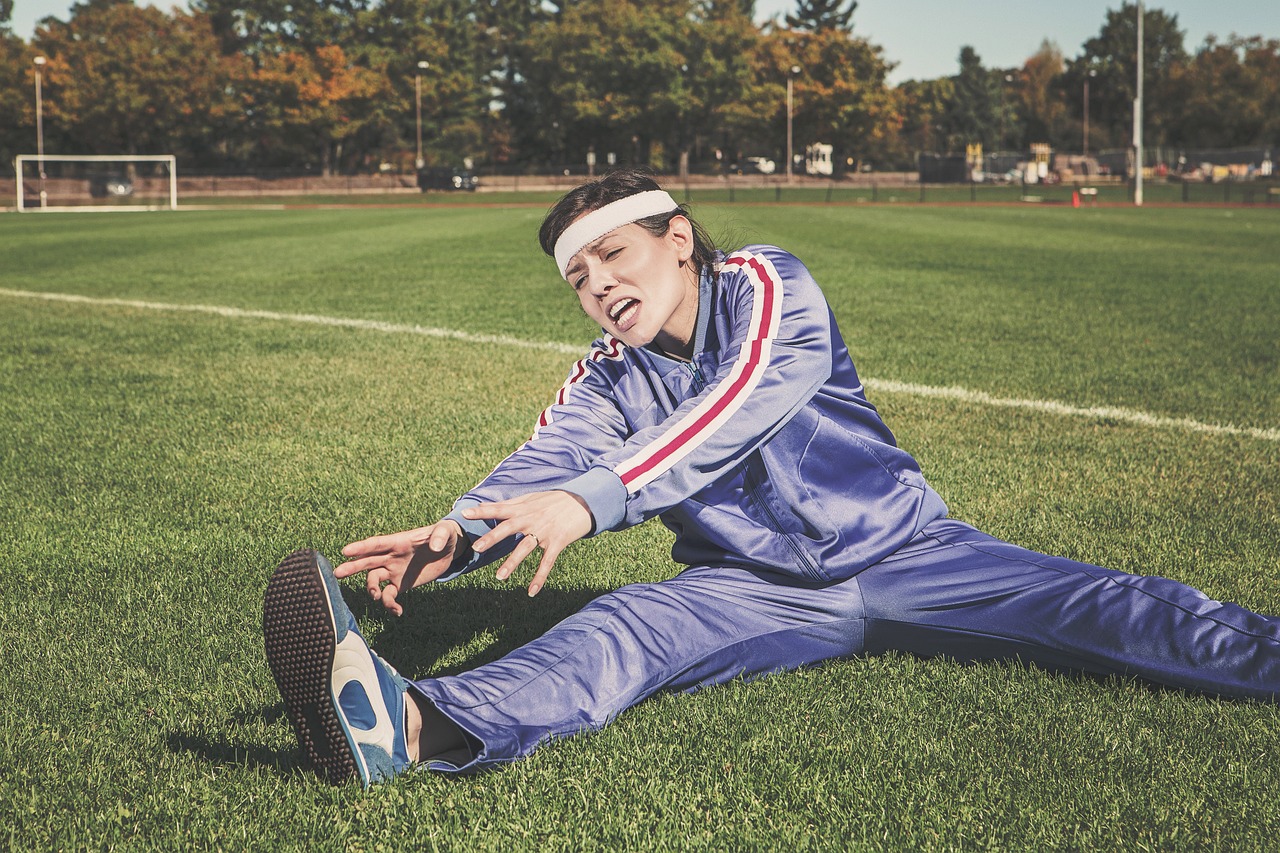
Ergonomics in the film industry refers to the scientific discipline that studies how people interact with equipment, tasks, and environments on set. The aim is to design workstations, tools and processes that fit the physical capabilities of crew members, reducing the risk of injury and improving efficiency. In a typical UK production, ergonomics is applied to everything from camera rigs to makeup stations, ensuring that each task respects the limits of the human body.
Physical Demands describe the bodily requirements of a job, including the forces exerted, the postures adopted, the frequency of movements, and the duration of activity. In filming, physical demands can be highly variable: a grip may spend a day lifting heavy rigging, while a focus puller may maintain a static seated posture for long periods. Understanding these demands is essential for risk assessment and for developing appropriate control measures.
Risk Assessment is a systematic process required by the Management of Health and Safety at Work Regulations 1999. It involves identifying hazards, evaluating the likelihood and severity of harm, and deciding on suitable controls. For ergonomics, the risk assessment must consider biomechanical load, repetitive motions, awkward postures, and the cumulative effect of fatigue. An example is assessing the risk of musculoskeletal injury when crew members repeatedly set up a 40‑kg camera dolly on uneven terrain.
Manual Handling is the act of lifting, lowering, pushing, pulling, or carrying loads by hand or bodily force. The UK Health and Safety Executive (HSE) provides guidance on safe manual handling, emphasizing the importance of assessing load weight, centre of gravity, and the distance from the body. In film, manual handling is common when moving lighting arrays, scaffolding, or set pieces. The Health and Safety at Work etc. Act 1974 obliges employers to provide training and equipment that minimise manual handling risks.
Load Limits are quantitative thresholds that define the maximum safe weight that can be lifted or carried by an individual without undue strain. The HSE recommends a generic limit of 25 kg for a single lift, but this can be adjusted based on the worker’s height, strength, and the nature of the task. For example, a grip handling a 120 kg lighting rig should use mechanical aids such as a winch or a trolley rather than relying on pure manual lifting.
Repetitive Strain Injury (RSI) is a collective term for disorders caused by repetitive motions, sustained force, or awkward postures. In the context of filming, RSI may arise from prolonged use of a handheld camera, repetitive tightening of bolts, or continuous operation of a sound mixing console. Early symptoms include tingling, aching, or loss of strength, and they can progress to chronic conditions if not addressed promptly.
Posture refers to the alignment of the body while performing a task. Good posture reduces stress on muscles, joints and ligaments. On set, crew members often adopt non‑neutral postures, such as bending over a low lighting platform or reaching overhead to adjust a boom microphone. Ergonomic interventions may include adjustable platforms, stool extensions, or height‑adjustable work tables to promote a more neutral spine position.
Biomechanics is the study of the forces acting on the body and the body’s response to those forces. In film production, biomechanics informs the design of equipment such as camera stabilisers, which must transmit forces in a way that does not overload the operator’s shoulders or wrists. Understanding the biomechanics of lifting helps in selecting appropriate techniques, such as keeping the load close to the body and using the legs rather than the back.
Fatigue Management addresses the decline in performance that occurs after prolonged physical or mental activity. Fatigue increases the likelihood of accidents, especially when crew members are required to operate heavy equipment at night or after long shooting days. Effective fatigue management includes scheduled breaks, rotating tasks, and monitoring for signs of exhaustion. The Working Time Regulations 1998 set maximum working hours, but productions often require flexibility; therefore, proactive fatigue monitoring becomes essential.
Tool Design influences the ergonomic risk profile of a task. Tools that are lightweight, have ergonomic handles, and allow for neutral wrist positions reduce the chance of strain. For example, a grip using a battery‑powered screwdriver with a padded grip will experience less hand fatigue than one using a heavy, non‑ergonomic hand‑driven model. The selection of tools should therefore consider both functionality and the health of the user.
Set Layout refers to the spatial arrangement of equipment, workstations, and pathways on a film set. A well‑planned layout minimises unnecessary reaching, twisting, and walking. In a typical UK studio, set layout is guided by the Workplace (Health, Safety and Welfare) Regulations 1992, which require sufficient space for safe movement and clear access to emergency exits. By locating lighting rigs close to power sources and placing props on rolling platforms, the set layout can dramatically reduce physical strain.
Lighting Rigs are assemblies of lights, stands, clamps, and cables used to illuminate scenes. They can be heavy and require careful assembly. The ergonomic principles for lighting rigs include using lightweight aluminium stands, employing quick‑release clamps, and ensuring that the rig can be assembled from the ground up without excessive overhead work. When a lighting rig exceeds 30 kg, mechanical aids such as a cherry picker or a lift should be employed.
Camera Rigs encompass the support structures that hold cameras, including tripods, dollies, cranes, and handheld stabilisers. The ergonomic design of camera rigs focuses on weight distribution, adjustability, and operator comfort. For instance, a shoulder‑mounted stabiliser with a balanced centre of gravity reduces the load on the operator’s arms and shoulders, allowing for longer shooting periods without fatigue. Training on proper set‑up and tear‑down procedures is also vital to prevent injury.
Grip Equipment includes a wide range of devices such as clamps, dollies, and rigging hardware. Grips are responsible for the physical manipulation of these items, often under time pressure. Ergonomic considerations for grip equipment involve choosing items with ergonomic handles, ensuring that clamps have a maximum opening width that does not require excessive force, and providing tools that can be operated with one hand when possible.
Cable Management is the systematic organisation of power, data, and signal cables on set. Poor cable management can lead to trips, falls, and awkward bending to reach connectors. An ergonomic cable plan uses cable trays, floor covers, and colour‑coded bundles to keep walkways clear and reduce the need for crew to crouch or kneel while routing cables. Routine inspections should verify that cables are not stretched or damaged, which could otherwise force workers into unsafe postures.
Breaks and Recovery are essential components of any ergonomic programme. The HSE recommends a 10‑minute break for every hour of continuous physical activity. Breaks allow muscles to relax, blood flow to normalise, and mental focus to be restored. In a film environment, breaks may be scheduled around scene changes, allowing crew to hydrate, stretch, and perform brief exercises that counteract static postures.
Occupational Health Surveillance involves regular health checks to detect early signs of work‑related illness. For film crews, surveillance may include musculoskeletal health questionnaires, vision testing for camera operators, and hearing assessments for sound technicians exposed to high decibel levels. Early detection enables timely intervention, such as physiotherapy or equipment adjustments, reducing the risk of long‑term disability.
Personal Protective Equipment (PPE) is the last line of defence when hazards cannot be eliminated through design. In ergonomics, PPE includes items such as supportive back belts, anti‑vibration gloves, and ergonomic footwear with adequate arch support. While PPE does not replace engineering controls, it can mitigate the impact of unavoidable physical demands, such as when a grip must manually lift a heavy rig in a confined space.
Adjustable Workstations allow workers to modify the height and angle of their work surface to suit their individual needs. On a film set, an adjustable workstation might be a rolling table used by the script supervisor to write notes while seated or standing. By enabling the supervisor to switch between sitting and standing, the workstation reduces static load on the lower back and promotes better circulation.
Heightened Risk Activities are tasks that pose a greater likelihood of injury due to the nature of the work. Examples include operating a crane to move a camera crane arm, climbing scaffolding to install lighting, and loading heavy equipment onto a van. These activities require additional controls such as competent supervision, specialised training, and the use of fall‑arrest systems where appropriate.
Lifting Techniques are the methods used to move loads safely. The recommended technique is to keep the back straight, bend at the knees, keep the load close to the body, and avoid twisting. In film, lifts often involve irregularly shaped objects, so crew should use mechanical aids wherever possible, such as pallet jacks, hand trucks, or hoists. Training sessions on proper lifting should be part of the induction for all crew members.
Forceful Exertions describe actions that require high levels of muscular effort, such as tightening a large clamp or pulling a heavy cable. The HSE defines forceful exertions as any activity that exceeds 30 N of force for more than a few seconds. To reduce forceful exertions, equipment can be fitted with power‑assist devices, and work practices can be altered to spread the load among multiple workers.
Repetitive Motions occur when a task requires the same movement to be performed many times in succession. In the film environment, repetitive motions are common when operating a boom pole, adjusting focus rings, or operating a sound mixer’s sliders. The risk of RSI increases when the same motion is repeated for more than four hours per day without variation. Rotating duties and introducing micro‑breaks can help mitigate this risk.
Static Loading refers to maintaining a posture or holding a load without movement for an extended period. A grip holding a lighting fixture overhead for several minutes experiences static loading of the shoulder muscles. Static loading can lead to muscle fatigue and reduced circulation. Solutions include the use of lift‑assist devices, alternating tasks among crew, and providing supportive braces where necessary.
Dynamic Loading involves moving loads or the body while carrying a load, such as walking while holding a camera rig. Dynamic loading places additional stress on joints and can increase the risk of slips, trips, and falls. Proper footwear with slip‑resistant soles, clear pathways, and load‑distribution aids help reduce the hazards associated with dynamic loading.
Work‑Station Height is a critical factor in ergonomic design. The optimal height for a standing workstation is typically at elbow level when the arms are relaxed, while a seated workstation should allow forearms to rest comfortably on the surface with shoulders relaxed. For film crews, adjustable platforms and stools enable quick adaptation to different tasks, ensuring that crew members do not develop strain from working at inappropriate heights.
Neutral Spine Position is the natural curvature of the spine when the body is in a relaxed, upright posture. Maintaining a neutral spine reduces stress on intervertebral discs and surrounding musculature. Crew members should be trained to recognise when they are slouching or arching their backs, particularly when lifting heavy equipment or setting up a set piece. Using visual cues, such as floor markings, can aid in maintaining neutral posture.
Joint Angles describe the degree of bend at the elbow, knee, or hip during a task. Ergonomic guidelines suggest keeping joint angles within a comfortable range: elbows close to 90°, knees between 70° and 100°, and hips no more than 30° from neutral. When a grip must work with a low‑lying lighting rig, a knee pad and a low platform can keep joint angles within safe limits, reducing strain on the lower back.
Force Limits are the maximum forces that can be safely applied by a worker during a task. The HSE provides tables of acceptable force levels based on the duration of the exertion. For short bursts, a higher force may be acceptable, but for sustained effort, forces should be limited to around 15 N. Using power tools with torque‑limiting features helps keep forces within prescribed limits.
Work‑Related Musculoskeletal Disorders (WMSDs) encompass a range of conditions affecting muscles, tendons, nerves, and joints caused by workplace activities. In film production, common WMSDs include lower back pain, shoulder tendonitis, and carpal tunnel syndrome. Early reporting and intervention are crucial; productions should have a clear protocol for crew to report symptoms and receive medical assessment promptly.
ISO 45001 is an international standard for occupational health and safety management systems. While not legislation, many UK film companies adopt ISO 45001 to demonstrate a systematic approach to risk management, including ergonomic hazards. The standard requires identification of hazards, establishment of objectives, and continuous improvement, all of which support a robust ergonomic programme.
British Film Institute (BFI) Safety Guidelines provide industry‑specific recommendations on set safety, including ergonomics. The BFI advises that all equipment be selected with consideration for weight, balance, and ease of use. It also recommends that production schedules incorporate realistic time for set‑up and tear‑down, allowing crew to perform tasks without rushing, which can lead to unsafe manual handling.
Film Industry Safety Group (FISG) publishes best‑practice documents that address ergonomic concerns such as the design of camera harnesses, the use of ergonomic tools for grip work, and the implementation of fatigue‑management policies. The FISG’s “Ergonomics in Production” guide outlines a step‑by‑step risk assessment process tailored to the fast‑paced nature of film work.
Risk Matrix is a tool used to visualise the level of risk by plotting likelihood against severity. In ergonomics, a risk matrix helps prioritise which tasks need immediate control. For example, a high‑likelihood, severe‑consequence activity such as lifting a 70 kg lighting rig without assistance would be placed in the highest risk category, prompting urgent remedial action.
Hierarchy of Controls is a framework for selecting the most effective risk‑reduction measures. The hierarchy places elimination of the hazard at the top, followed by substitution, engineering controls, administrative controls, and finally PPE. In an ergonomic context, the hierarchy might lead to eliminating a heavy manual lift by using a motorised trolley (engineering control), then adding training on proper lifting techniques (administrative control), and finally providing supportive gloves (PPE).
Engineering Controls involve physical modifications to the workplace to reduce ergonomic hazards. Examples include installing height‑adjustable lighting stands, using motorised camera dollies, and providing ergonomic hand‑grips on tools. Engineering controls are preferred because they do not rely on individual behaviour and therefore provide a more reliable reduction in risk.
Administrative Controls are policies and procedures that influence how work is performed. In film production, administrative controls may consist of rotating crew members between high‑load and low‑load tasks, limiting the number of consecutive hours spent on a physically demanding activity, and scheduling regular stretch breaks. These measures complement engineering controls by addressing aspects of work organisation.
Fatigue Monitoring Tools such as wearable devices and self‑assessment questionnaires can help identify early signs of exhaustion. Wearable accelerometers can track movement patterns and detect prolonged static postures. Self‑assessment tools, like the Karolinska Sleepiness Scale, allow crew to rate their alertness before undertaking demanding tasks. Data from these tools can be used to adjust shift patterns and workload distribution.
Job Rotation is an administrative control that reduces exposure to repetitive or high‑load tasks by moving workers between different roles. On a film set, a grip may spend a morning lifting heavy rigging and an afternoon assisting with cable management, thereby varying the physical demands placed on the individual. Effective job rotation requires clear communication and cross‑training of crew members.
Training and Competence are fundamental to maintaining ergonomic safety. All crew should receive induction training covering basic manual handling, correct posture, and the use of ergonomic tools. Specialized training is required for tasks such as operating a crane, performing a high‑rise lighting install, or using a camera stabiliser. Competence should be documented and refreshed regularly, especially when new equipment is introduced.
Incident Reporting is mandated by the Reporting of Injuries, Diseases and Dangerous Occurrences Regulations (RIDDOR). When an ergonomic injury occurs, such as a back strain from lifting a set piece, it must be reported in a timely manner. Accurate reporting allows for trend analysis, identification of systemic issues, and the development of preventive strategies.
Ergonomic Audits are systematic reviews of workplace practices, tools, and layouts to ensure compliance with ergonomic standards. Audits may involve walkthroughs, interviews with crew, and measurement of forces using dynamometers. Findings from an audit can lead to recommendations such as redesigning a camera rig, adding anti‑fatigue mats, or revising the set‑up schedule.
Anti‑Fatigue Mats are floor coverings designed to reduce the strain on workers who stand for long periods, such as sound mixers and lighting technicians. The mats provide cushioning and promote subtle movement, which improves circulation. Placement of anti‑fatigue mats in high‑traffic zones, like the control booth or lighting grid, can diminish lower‑back discomfort.
Ergonomic Assessment Tools include checklists, observation forms, and software that calculate ergonomic risk scores. Tools such as the Rapid Upper Limb Assessment (RULA) or the Revised NIOSH Lifting Equation can be adapted for film contexts. By assigning numerical values to postures, forces, and repetitions, these tools help prioritise interventions.
Stretching Protocols are simple exercise routines designed to prepare muscles for activity and to relieve tension after work. A typical protocol for a grip might include shoulder rolls, hamstring stretches, and wrist flexor extensions before a day of rigging. Incorporating stretching into daily briefings normalises the practice and promotes a culture of health.
Micro‑Breaks are short pauses, often lasting 30 seconds to two minutes, taken every 20‑30 minutes of continuous work. Micro‑breaks can involve standing up, walking around, or performing a quick stretch. Research shows that micro‑breaks reduce the build‑up of muscle fatigue and improve concentration, making them valuable on long shooting days.
Ergonomic Design of Props ensures that objects used on set do not impose unnecessary physical strain. For instance, a prop sword that is excessively heavy can cause shoulder fatigue for an actor during a fight scene. Designers should consider weight distribution, balance, and the use of lightweight materials such as aluminum or foam core where appropriate.
Ergonomic Design of Costumes takes into account the comfort and mobility of performers. Heavy fabrics, restrictive seams, or ill‑fitting shoes can lead to fatigue and injury. Costume departments should collaborate with health and safety officers to test garments for ease of movement, especially for stunts or dance sequences.
Ergonomic Considerations for Stunts are critical due to the high physical demands involved. Stunt coordinators must assess the load on the performer’s musculoskeletal system, ensure that safety harnesses are correctly fitted, and that rehearsal spaces are equipped with appropriate padding. Detailed risk assessments should also account for cumulative fatigue over multiple takes.
Use of Mechanical Aids such as dollies, trolleys, and hoists reduces the need for manual lifting. When a lighting crew needs to move a 60 kg LED panel, a motorised dolly can be employed to transport the panel across the set with minimal human effort. Regular maintenance of mechanical aids ensures they operate safely and efficiently.
Ergonomic Lighting Controls include wireless remote dimmers and programmable lighting consoles that allow operators to adjust levels without having to climb ladders repeatedly. By reducing the frequency of high‑reach tasks, these controls lower the risk of falls and shoulder strain.
Camera Operator Seat Design is an ergonomic issue for long‑duration shoots. Seats should provide lumbar support, adjustable height, and a swivel base to allow the operator to maintain a neutral posture while tracking a moving subject. Some productions use custom‑built rigs that integrate the seat with the camera platform, reducing the need for the operator to stand for extended periods.
Ergonomic Evaluation of Sound Booths involves ensuring that sound mixers have adjustable desks, comfortable chairs, and sufficient space to move. Acoustic panels should be mounted at heights that avoid the need for frequent reaching. By designing the booth with ergonomics in mind, the risk of neck and shoulder injuries is minimized.
Ergonomic Signage uses visual cues to remind crew of safe practices. For example, floor markings indicating the safe height for lifting, or posters illustrating proper posture, can reinforce learning. Signs should be placed at eye level and use clear, concise language to be effective.
Health Surveillance Programs may include baseline assessments of flexibility, strength, and posture. Periodic re‑assessment can detect changes that may indicate emerging ergonomic problems. For example, a decline in grip strength could signal over‑use of hand tools, prompting a review of tool selection and usage patterns.
Ergonomic Incident Case Studies provide valuable learning opportunities. A documented case where a grip suffered a rotator‑cuff injury after repeatedly loading a 45 kg lighting bar highlights the importance of using a mechanical lift and rotating duties. Analysing such incidents helps develop targeted corrective actions and training modules.
Legislation Compliance Audits verify that the production adheres to relevant UK statutes, such as the Construction (Design and Management) Regulations 2015 when sets involve temporary structures. Compliance audits assess whether ergonomic controls have been implemented, whether risk assessments are up‑to‑date, and whether training records are complete.
Ergonomic Cost‑Benefit Analysis weighs the expense of implementing controls against the potential reduction in injury costs, lost productivity, and reputational damage. Investing in adjustable lighting rigs may have an upfront cost, but the reduction in manual handling injuries can result in significant savings over the life of a production.
Continuous Improvement is a core principle of occupational health and safety management. By regularly reviewing ergonomic performance metrics, soliciting feedback from crew, and updating risk assessments, productions can adapt to new challenges, such as emerging technologies like drone cinematography, which introduce novel physical demands.
Ergonomic Integration with Project Planning ensures that health and safety considerations are embedded from pre‑production through post‑production. Early involvement of ergonomics specialists during script breakdown, location scouting, and equipment procurement helps identify potential hazards before they become entrenched in the workflow.
Collaborative Approach between departments—such as production, art, lighting, grip, and health and safety—facilitates a holistic view of ergonomic risk. Regular safety meetings that include representatives from each team promote shared responsibility for maintaining a safe and ergonomically sound working environment.
Future Trends in Film Ergonomics include the adoption of virtual production stages, where crew interacts with large LED walls and motion‑capture rigs. These environments present new ergonomic challenges, such as prolonged standing in front of expansive screens and the need for adjustable control stations. Anticipating these trends allows the industry to develop proactive ergonomic solutions.
Key takeaways
- In a typical UK production, ergonomics is applied to everything from camera rigs to makeup stations, ensuring that each task respects the limits of the human body.
- Physical Demands describe the bodily requirements of a job, including the forces exerted, the postures adopted, the frequency of movements, and the duration of activity.
- For ergonomics, the risk assessment must consider biomechanical load, repetitive motions, awkward postures, and the cumulative effect of fatigue.
- The UK Health and Safety Executive (HSE) provides guidance on safe manual handling, emphasizing the importance of assessing load weight, centre of gravity, and the distance from the body.
- The HSE recommends a generic limit of 25 kg for a single lift, but this can be adjusted based on the worker’s height, strength, and the nature of the task.
- In the context of filming, RSI may arise from prolonged use of a handheld camera, repetitive tightening of bolts, or continuous operation of a sound mixing console.
- Ergonomic interventions may include adjustable platforms, stool extensions, or height‑adjustable work tables to promote a more neutral spine position.