
Facility Hazard Identification
Hazard Identification is the systematic process of recognizing conditions, actions, or substances that have the potential to cause injury, illness, or damage to property within a gym environment. In practice, staff walk through the facility…
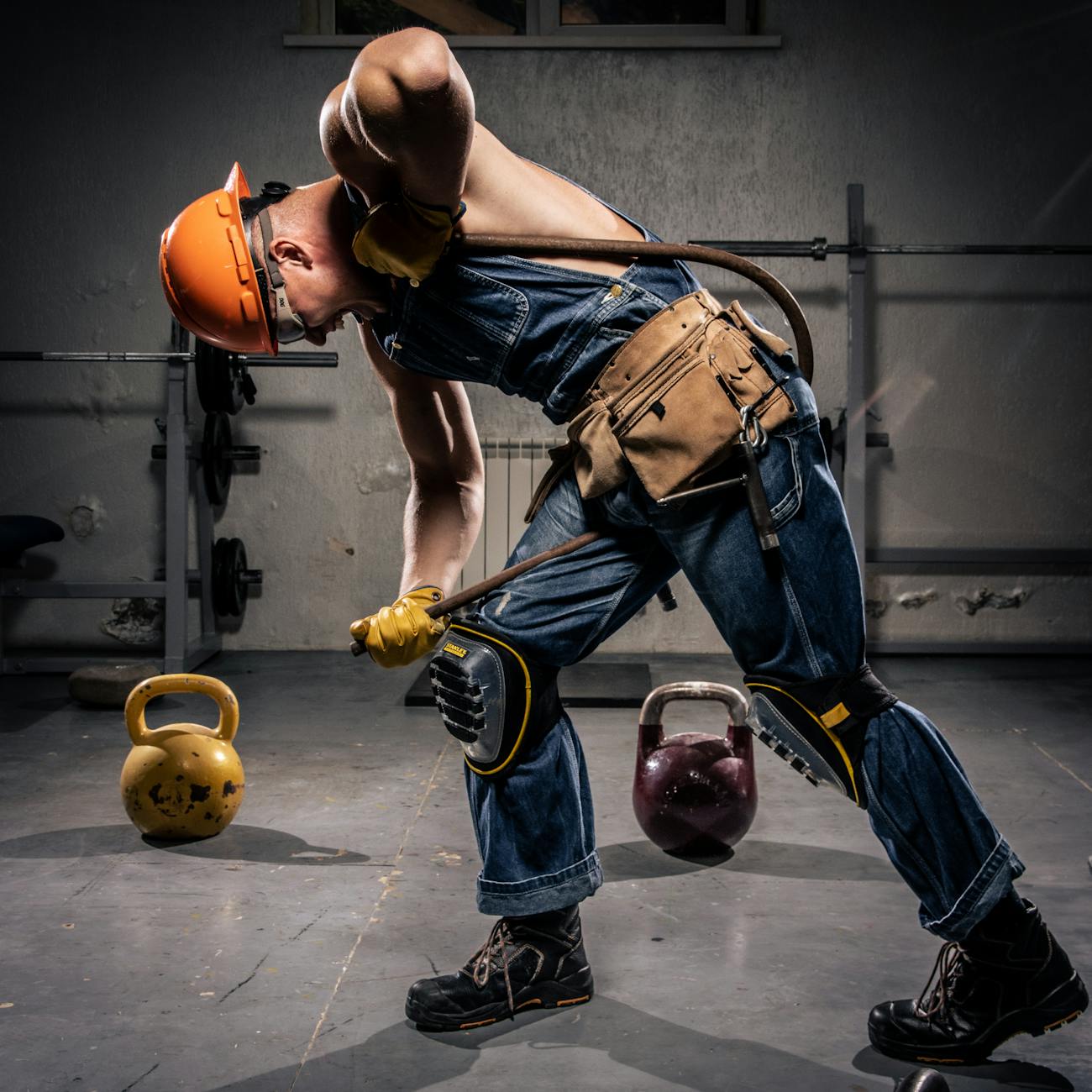
Hazard Identification is the systematic process of recognizing conditions, actions, or substances that have the potential to cause injury, illness, or damage to property within a gym environment. In practice, staff walk through the facility, review equipment manuals, and consult incident reports to spot anything that could lead to a negative outcome. A common example is the discovery of a loose treadmill belt that could cause a user to trip. The challenge lies in maintaining vigilance over a wide variety of equipment and activities, each with its own risk profile, while also accounting for seasonal variations such as increased foot traffic during a summer fitness challenge.
Hazard refers to any source of potential damage, injury, or adverse health effect. In a gym setting, hazards can be physical (e.g., uneven flooring), chemical (e.g., cleaning solvents), biological (e.g., mold on mats), ergonomic (e.g., poorly designed weight‑lifting stations), or psychosocial (e.g., workplace bullying). For instance, a chemical hazard may arise when a staff member uses a strong disinfectant without proper ventilation, leading to respiratory irritation. The difficulty in managing hazards stems from their often hidden nature; a surface may look clean yet harbor a slip‑inducing film of sweat that is invisible to the naked eye.
Risk is the combination of the probability that a hazard will cause harm and the severity of the resulting outcome. It is usually expressed as a numerical value or a qualitative category such as “low,” “medium,” or “high.” A practical calculation might involve estimating the likelihood that a user will lose balance on a wet floor (likelihood) and the potential injuries from a fall (severity). The resulting risk rating informs the selection of control measures. The main challenge is that both likelihood and severity can be subjective; a trainer may underestimate the danger of a heavy barbell drop, while a novice user may overestimate it.
Likelihood describes how often a particular hazard is expected to result in an incident. It can be expressed as “rare,” “unlikely,” “possible,” “likely,” or “almost certain.” For example, a cracked weight plate may have a low likelihood of causing injury if it is rarely used, but the likelihood rises sharply after a busy weekend when many members lift heavy weights. Determining accurate likelihood requires historical data, which may be sparse for newer facilities.
Severity measures the potential impact of an incident, ranging from minor bruises to fatal injuries. In a gym, the severity of a slip on a wet floor might be “moderate” if it typically results in sprains, but it could be “severe” if the floor is adjacent to a set of free‑weight racks where a fall could cause a crushing injury. The difficulty in assigning severity lies in anticipating worst‑case scenarios while avoiding overly conservative estimates that could divert resources from more pressing hazards.
Control Measures are actions taken to eliminate or reduce risk to an acceptable level. They are categorized into three hierarchical levels: engineering controls, administrative controls, and personal protective equipment (PPE). A practical application includes installing non‑slip mats (engineering), posting signage reminding users to wipe down equipment (administrative), and providing gloves for staff handling chemicals (PPE). Selecting the appropriate control measure often involves balancing cost, effectiveness, and user compliance.
Engineering Controls involve physical modifications to equipment or the environment that remove or isolate hazards. Examples in a gym include replacing wooden benches with steel frames that have rounded edges, installing automatic shut‑off switches on treadmills, and adding guardrails around elevated platforms. Challenges include the need for capital investment, potential disruption during installation, and ensuring that modifications do not create new hazards (for instance, a guardrail that is too low may become a tripping obstacle).
Administrative Controls are policies, procedures, and training designed to change behavior and reduce exposure. Typical administrative controls in a fitness center include scheduling regular equipment inspections, implementing a “no shoes on the cardio floor” rule, and establishing a cleaning rotation schedule. While these controls are often less costly than engineering solutions, they rely heavily on consistent enforcement and staff awareness, which can be difficult to sustain during periods of high member turnover.
Personal Protective Equipment (PPE) is the last line of defense and includes items such as gloves, safety glasses, and hearing protectors. In a gym, staff may wear slip‑resistant shoes when mopping floors, and cleaning crews may use goggles when applying aerosolized disinfectants. PPE is only effective when properly fitted, maintained, and used, and it does not address the underlying hazard. Over‑reliance on PPE can lead to complacency, where underlying risks are ignored because users feel “protected.”
Unsafe Condition refers to a physical state that increases the likelihood of an incident. Examples include a cracked rubber mat, a frayed electrical cord on a treadmill, or a broken lock on a storage cabinet. Identifying unsafe conditions requires routine visual inspections and a culture that encourages reporting. The main challenge is that some unsafe conditions develop gradually, such as wear on a weight‑lifting platform, making them harder to detect without systematic checks.
Unsafe Act describes a behavior that deviates from established safety procedures and increases risk. Examples include a trainer lifting a barbell without a spotter, a member ignoring a “wet floor” sign, or a staff member bypassing lockout/tagout procedures when servicing equipment. Addressing unsafe acts often involves retraining, supervision, and disciplinary policies. However, changing human behavior is inherently complex; even well‑trained staff may revert to unsafe habits under time pressure.
Risk Assessment is the process of evaluating identified hazards to determine the appropriate level of risk and prioritize control actions. It typically involves assigning numeric values to likelihood and severity, then multiplying them to produce a risk score. For example, a risk assessment might rate a loose cable on a treadmill as “high” (likelihood = 3, severity = 4, risk = 12) and therefore schedule immediate corrective action. The difficulty lies in maintaining consistency across assessors and ensuring that risk scores remain current as conditions evolve.
Hazard Register is a documented list of all identified hazards, their associated risks, control measures, and status of corrective actions. It serves as a central reference for safety managers, auditors, and senior leadership. An entry might read: “Hazard – Wet floor near entrance; Risk – Medium; Control – Immediate mopping, signage; Status – Resolved.” Keeping the register up‑to‑date requires disciplined record‑keeping and clear responsibility assignments. In large facilities, the register can become unwieldy if not properly organized, leading to missed follow‑ups.
Incident denotes an event in which a hazard actually results in injury, illness, or property damage. In a gym, an incident could be a member spraining an ankle after slipping on a water‑logged floor, or a staff member receiving a minor electrical shock while repairing a treadmill. Detailed incident reporting helps uncover root causes and informs future preventive strategies. A common challenge is under‑reporting; members may not seek medical attention for minor injuries, and staff may view small incidents as “just part of the job,” leading to incomplete data.
Near Miss is an event that could have resulted in injury or damage but did not, either by chance or timely intervention. An example is a trainer catching a falling weight plate before it hits a member’s foot. Near‑miss reporting is valuable because it highlights hidden hazards before they cause actual harm. The difficulty is encouraging honest reporting; some employees fear blame or think near‑misses are not “serious enough” to document.
Safety Audit is a systematic, independent examination of safety processes, records, and performance to verify compliance with internal policies and external regulations. Audits may be scheduled quarterly or triggered by a significant incident. During a gym safety audit, auditors might review inspection logs, interview staff, and observe cleaning procedures. Audits provide objective feedback but can be time‑consuming and may cause staff to temporarily “clean up” only for the auditor’s presence, masking everyday practices.
Inspection refers to routine checks of equipment, facilities, and work practices to identify unsafe conditions before they lead to incidents. Inspections can be daily (e.g., checking treadmill emergency stop buttons), weekly (e.g., testing fire extinguishers), or monthly (e.g., reviewing ventilation systems). A practical inspection checklist might include items such as “floor is free of debris,” “weight plates are properly stacked,” and “electrical panels are unobstructed.” The main challenge is ensuring that inspections are thorough, not merely cursory, especially during peak operating hours.
Maintenance encompasses scheduled and unscheduled activities aimed at keeping equipment in safe operating condition. Preventive maintenance might involve lubricating treadmill belts every 500 cycles, while corrective maintenance addresses unexpected failures like a broken rowing machine chain. A well‑structured maintenance program reduces the likelihood of equipment‑related hazards. However, balancing maintenance downtime with member demand can be difficult; too much downtime frustrates users, while too little maintenance increases risk.
Ergonomic Hazard arises from poorly designed workstations, equipment, or tasks that cause musculoskeletal strain. In a gym, examples include weight stations positioned too low for tall users, or cardio machines with non‑adjustable hand grips that force users into awkward postures. Ergonomic hazards often manifest as chronic injuries such as lower‑back pain or shoulder tendinitis. Addressing them may involve redesigning equipment layout, providing adjustable benches, or offering ergonomic training. The challenge is that ergonomic solutions must accommodate a wide range of body sizes and fitness levels.
Electrical Hazard involves exposure to live electrical components that can cause shock, burns, or arc‑flash injuries. Treadmills, ellipticals, and lighting systems all contain high‑voltage parts. A common electrical hazard is a damaged power cord on a treadmill that exposes the conductor, creating a shock risk for users. Mitigation strategies include regular inspection of cords, implementing lockout/tagout procedures during repairs, and ensuring all staff are trained in basic electrical safety. The difficulty lies in the invisible nature of electrical faults; a cord may appear intact while internal insulation has degraded.
Mechanical Hazard relates to moving parts, stored energy, or structural components that can cause crush, shear, or entanglement injuries. Examples include the rotating drum of a treadmill, the flywheel of a stationary bike, and the weight stack of a resistance machine. A mechanical hazard may be evident when a treadmill’s emergency stop button fails to disengage the belt, leaving the user at risk of a fall. Engineering controls such as guardrails, safety interlocks, and proper guarding are essential. A major challenge is that mechanical hazards often evolve with wear, requiring ongoing monitoring.
Chemical Hazard involves exposure to substances that can cause burns, respiratory irritation, or long‑term health effects. In a gym, cleaning agents, floor waxes, and aerosolized disinfectants constitute common chemical hazards. For instance, a staff member may experience eye irritation after spraying a chlorine‑based cleaner without proper ventilation. Control measures include substituting less hazardous chemicals, providing adequate ventilation, and training staff in correct handling procedures. The challenge is balancing effective sanitation with minimizing health risks, especially during heightened cleaning periods such as after a pandemic surge.
Biological Hazard includes microorganisms, mold, or allergens that may cause illness. Damp flooring or improperly cleaned mats can foster fungal growth, leading to skin infections among members. A practical mitigation involves regular deep cleaning of mats, using antimicrobial treatments, and ensuring proper drying after use. The difficulty is that biological hazards can be intermittent; a mold outbreak may go unnoticed until several members report respiratory symptoms.
Fire Hazard comprises any condition that could ignite a fire or accelerate its spread. Electrical overloads, flammable cleaning solvents, and improperly stored paper towels are typical gym fire hazards. Installing smoke detectors, maintaining clear fire‑exits, and conducting regular fire drills are essential components of fire safety. A common challenge is that gyms often have high electrical loads due to multiple cardio machines, increasing the risk of circuit overload if not properly managed.
Slip, Trip, and Fall Hazard is a broad category encompassing any condition that can cause a person to lose balance. Wet floors, uneven tiles, and cluttered aisles are frequent contributors. An example is a spilled water bottle left near a weight rack, creating a slip risk for both members and staff. Mitigation strategies include prompt clean‑up protocols, non‑slip flooring, and clear signage. The challenge is that slip‑trip‑fall hazards are dynamic; a clean floor can become hazardous within minutes after a workout session ends.
Lockout/Tagout (LOTO) is a safety procedure used to ensure that machinery is properly shut down and cannot be started up again before the completion of maintenance or repair work. In a gym, LOTO may be applied when a technician services a treadmill’s motor. The technician attaches a lock to the power switch and posts a tag indicating “Do not operate.” Failure to follow LOTO can result in unexpected machine start‑up, potentially causing severe injury. The difficulty is ensuring that all staff understand and consistently apply LOTO, especially when multiple technicians are involved.
Emergency Action Plan (EAP) outlines the steps to be taken during emergencies such as fires, severe injuries, or natural disasters. An EAP for a gym includes evacuation routes, designated assembly points, and roles for staff members (e.g., first‑aid responder, fire warden). Practicing the EAP through drills helps embed the procedures in staff memory. A challenge arises when the gym layout changes due to renovation; evacuation routes must be updated promptly to avoid confusion.
Standard Operating Procedure (SOP) is a documented set of instructions that describes how to perform routine tasks safely and efficiently. Examples include SOPs for cleaning cardio machines, for conducting equipment inspections, and for handling member injuries. SOPs provide consistency and serve as training material for new employees. However, SOPs can become outdated if not reviewed regularly, leading to gaps in safety practice.
Corrective Action refers to steps taken to eliminate the cause of a detected hazard or non‑conformance. If an inspection reveals that a weight‑lifting platform is cracked, the corrective action may involve removing the platform, repairing the substructure, and retesting for stability. Corrective actions must be documented, assigned to responsible personnel, and tracked to completion. The difficulty lies in ensuring that corrective actions are not merely “paper‑ticked” but fully implemented and verified.
Preventive Maintenance is scheduled maintenance intended to avert equipment failure before it occurs. In a gym, preventive maintenance may include monthly lubrication of treadmill rollers, quarterly inspection of hydraulic resistance systems, and annual calibration of heart‑rate monitors. By reducing the likelihood of equipment breakdown, preventive maintenance lowers the associated hazards. The challenge is allocating sufficient time and resources for maintenance without disrupting peak member usage periods.
Compliance denotes adherence to applicable laws, regulations, and standards governing safety in fitness facilities. This may involve meeting requirements set by the Occupational Safety and Health Administration (OSHA), local building codes, or industry‑specific guidelines such as those from the International Health, Racquet & Sportsclub Association (IHRSA). Non‑compliance can result in fines, legal liability, and reputational damage. Maintaining compliance requires ongoing monitoring of regulatory changes and updating policies accordingly, which can be resource‑intensive.
Regulatory Standards are formal documents that define minimum safety requirements. For gyms, standards may cover electrical safety (National Electrical Code), fire protection (National Fire Protection Association), and ergonomics (ANSI/ASSE). Understanding and applying these standards ensures that the facility meets the baseline for safe operation. The challenge is that standards can be technical and dense, requiring specialized knowledge to interpret and implement correctly.
Occupational Safety and Health Administration (OSHA) is the U.S. federal agency responsible for enforcing workplace safety regulations. While OSHA primarily focuses on general industry, many of its provisions—such as hazard communication, machine guarding, and record‑keeping—apply directly to gyms. For example, OSHA’s Hazard Communication Standard requires labeling of all chemical cleaning agents used on equipment. The difficulty for gym managers is that OSHA inspections may be sporadic, so proactive compliance relies on internal safety programs rather than external enforcement alone.
Incident Investigation is a systematic inquiry into the causes of an incident, with the goal of preventing recurrence. The process typically involves gathering evidence, interviewing witnesses, and analyzing the sequence of events. In a gym, an incident investigation might examine why a member fell on a treadmill, looking at factors such as floor condition, equipment settings, and staff response. The investigation concludes with recommendations for corrective actions and may feed into broader risk‑assessment updates. A major challenge is avoiding the “blame culture” that discourages honest reporting and cooperation.
Root Cause Analysis (RCA) is a method used during incident investigation to identify the fundamental underlying reasons for a failure. Techniques such as the “5 Whys” or fishbone diagrams help peel back layers of symptoms to reveal core issues. For instance, a root cause analysis of a broken weight‑lifting bar might uncover inadequate inspection frequency, insufficient staff training on load limits, and a lack of clear signage as contributing factors. Implementing RCA findings often requires cross‑departmental collaboration, which can be hindered by siloed communication structures.
Facility Layout describes the physical arrangement of equipment, circulation pathways, and support spaces within the gym. An optimal layout minimizes congestion, provides clear sightlines for staff monitoring, and separates high‑risk areas (e.g., free‑weight zones) from low‑risk spaces (e.g., stretching areas). Poor layout can create hidden hazards such as obstructed emergency exits or cramped spaces that increase the likelihood of collisions. Redesigning layout is a complex task that must balance member experience, safety, and operational efficiency.
Equipment Placement is the strategic positioning of machines, racks, and accessories to reduce risk of injury and improve workflow. For example, placing cardio machines near the entrance can funnel traffic away from the weight area, reducing the chance of accidental collisions. Improper placement, such as locating a heavy squat rack near a glass wall, can lead to catastrophic damage if a barbell falls. The challenge is that equipment placement decisions are often driven by marketing or aesthetic considerations rather than safety analysis.
Crowding refers to excessive concentration of people in a limited space, which can elevate slip‑trip‑fall risk, impede emergency evacuation, and increase stress on staff monitoring capabilities. Peak hours in a gym often see high crowding, especially in group‑class rooms. Mitigation strategies include scheduling staggered class times, limiting class size, and using occupancy sensors to monitor real‑time density. The difficulty lies in balancing revenue goals with safety limits on occupancy.
User Capacity is the maximum number of members allowed in a specific area at any given time, based on safety codes and fire regulations. Exceeding user capacity can block exits, overload electrical circuits, and create hazardous conditions. For instance, a weight‑lifting area designed for 20 users may become unsafe if 30 members attempt to use it simultaneously. Enforcing capacity limits requires signage, staff vigilance, and possibly automated entry control systems. The challenge is that members may resist restrictions, especially during promotional events.
Training encompasses all instructional activities aimed at equipping staff and members with the knowledge and skills necessary to operate safely. Training topics include equipment operation, emergency response, hazard recognition, and proper lifting techniques. Effective training uses a blend of classroom instruction, hands‑on demonstrations, and periodic refresher sessions. The primary challenge is ensuring that training content remains relevant, engaging, and retained over time, especially when staff turnover is high.
Signage is visual communication used to convey safety information, warnings, and instructions. Examples include “Wet Floor” signs, “No Running” decals, and emergency exit arrows. Good signage follows principles of visibility, legibility, and placement at eye level. Poor signage can be ignored or misunderstood, reducing its effectiveness. A common challenge is sign fatigue; excessive signage can overwhelm users, causing them to disregard important messages.
Barrier refers to any physical obstruction designed to prevent access to a hazardous area. In a gym, barriers may include rope lines around a weight‑lifting platform, gate‑controlled access to a maintenance room, or plexiglass shields around high‑intensity cardio machines. Barriers must be sturdy enough to stop accidental entry but also allow quick egress in emergencies. The difficulty is achieving the right balance between restriction and accessibility.
Guardrail is a protective barrier installed along edges of elevated surfaces to prevent falls. Guardrails are common on mezzanines, stairwells, and platforms used for equipment maintenance. They must meet height and load specifications set by building codes. Improperly installed guardrails can become trip hazards themselves. Regular inspection of guardrails is essential, especially in high‑traffic areas where they may be bumped or damaged.
Inspection Log is a record that documents the date, inspector, items examined, findings, and corrective actions taken during each inspection. Maintaining an accurate inspection log provides traceability and demonstrates compliance during audits. A typical entry might read: “06/12/2026 – John Doe – Treadmill safety check – Emergency stop button functional – No action required.” The challenge is ensuring that logs are completed promptly and not merely signed off without thorough observation.
Cleaning Protocol outlines the steps, frequency, and responsible parties for maintaining a hygienic environment. In a gym, cleaning protocols may specify that cardio machines be wiped down after each use, mats be disinfected nightly, and locker rooms be deep‑cleaned weekly. Proper cleaning reduces biological hazards and slip‑trip‑fall risks. However, overly aggressive cleaning chemicals can introduce chemical hazards, and insufficient cleaning time during busy periods can compromise effectiveness.
Ventilation is the process of supplying fresh air and removing contaminants from indoor spaces. Adequate ventilation mitigates chemical exposure from cleaning agents and reduces aerosolized pathogens. Gym ventilation systems must handle high occupancy loads, especially during group classes that generate heavy breathing. A common challenge is that older facilities may have inadequate HVAC capacity, leading to stale air, increased humidity, and potential mold growth.
Lighting plays a crucial role in hazard identification by ensuring that work areas are well‑illuminated. Insufficient lighting can hide uneven flooring, obstruct signage, and increase the likelihood of trips. For example, a dimly lit stairwell may cause a staff member to miss a step, resulting in a fall. Upgrading to LED lighting improves visibility and reduces energy consumption, but the installation must be coordinated to avoid creating glare that could impair vision.
Noise Control addresses the acoustic environment to prevent hearing damage and improve communication. Gyms can generate high noise levels from weight plates, music systems, and cardio machines. Exceeding occupational exposure limits can cause temporary or permanent hearing loss. Controls include installing acoustic panels, providing ear protection for staff, and limiting volume levels. The difficulty is balancing a motivating atmosphere with a safe acoustic environment.
Ergonomic Assessment is a systematic evaluation of workstations, tools, and tasks to identify ergonomic risks. In a gym, an ergonomic assessment may examine the height of a bench press station relative to the average user’s arm length, or the reach distance to weight plates. Recommendations from an ergonomic assessment might include adjustable benches, repositioned weight racks, and training on proper lifting mechanics. Implementing these changes requires budget allocation and may encounter resistance from members accustomed to existing setups.
Risk Matrix is a visual tool that plots likelihood against severity to categorize risk levels. A typical matrix uses color coding (green, yellow, orange, red) to indicate low to high risk. When a hazard such as a broken treadmill handrail is identified, the risk matrix helps decide whether immediate shutdown (red) is required or if a scheduled repair (orange) suffices. The challenge is that subjective judgments can shift risk ratings, so consistency in matrix use is essential.
Safety Culture refers to the shared values, attitudes, and behaviors that determine the commitment to safety within an organization. A strong safety culture in a gym is evident when staff proactively report hazards, members follow posted rules, and management allocates resources for safety improvements. Cultivating such a culture involves leadership endorsement, regular communication, and recognition of safe practices. The difficulty lies in sustaining momentum over time, especially when operational pressures increase.
Hazard Communication (HazCom) is the process of informing employees and contractors about the hazards of chemicals they may encounter. In a gym, HazCom includes labeling cleaning agents, providing safety data sheets (SDS), and training staff on proper handling. Effective HazCom reduces chemical exposure incidents. A common obstacle is ensuring that all temporary staff, such as seasonal cleaners, receive the same level of HazCom training as permanent employees.
Safety Data Sheet (SDS) is a document that provides detailed information about a chemical’s properties, hazards, handling procedures, and emergency measures. An SDS for a floor‑cleaning solvent will list its flammability rating, recommended PPE, and first‑aid steps. Access to up‑to‑date SDSs is mandatory under HazCom regulations. The challenge is maintaining an organized repository that staff can quickly reference during emergencies.
Personal Hygiene in a gym context includes practices that reduce the spread of pathogens, such as hand washing, using hand sanitizers, and showering after intense workouts. Encouraging personal hygiene helps control biological hazards. Signage, provision of sanitizer stations, and member education campaigns are practical tools. The difficulty is achieving compliance, as some members may neglect hygiene practices despite reminders.
First‑Aid Response outlines the immediate actions to be taken when an injury occurs, before professional medical care is available. A gym’s first‑aid plan may designate a staff member as the primary responder, specify locations of first‑aid kits, and detail procedures for common injuries like sprains, cuts, or heat exhaustion. Regular drills and kit inspections are essential. Challenges include ensuring that all staff retain the knowledge to apply first‑aid correctly under pressure.
Emergency Evacuation is the organized removal of occupants from the facility in response to a fire, structural collapse, or other imminent danger. An evacuation plan includes clear routes, assembly points, and designated roles for staff. Conducting quarterly evacuation drills helps identify bottlenecks and improve response times. However, changes in layout due to equipment relocation can render existing evacuation diagrams obsolete if not promptly updated.
Fire Suppression System comprises devices such as sprinklers, extinguishers, and fire alarms designed to control or extinguish fires. In a gym, fire extinguishers must be readily accessible near high‑risk zones like the equipment maintenance room. Sprinkler heads should be protected from accidental activation by foot traffic. Maintaining these systems requires periodic testing and certification, which can be disruptive to daily operations.
Electrical Grounding ensures that stray electrical currents have a safe path to earth, preventing shock hazards. Treadmills and other cardio equipment must be properly grounded to avoid voltage leakage that could affect users. Grounding checks are part of routine electrical inspections. A common pitfall is assuming that all equipment is grounded simply because it is plugged into a three‑prong outlet; improper wiring can still create hazardous conditions.
Load Capacity denotes the maximum weight or force a piece of equipment can safely support. For example, a squat rack may have a load capacity of 500 kg. Exceeding this capacity can cause structural failure, leading to severe injuries. Signage indicating load limits, regular capacity verification, and staff enforcement are key controls. The challenge is that members may not be aware of these limits, especially when using equipment with adjustable settings.
Weight Stack is a collection of plates used in resistance machines to provide adjustable load. Improperly secured weight stacks can detach, posing a mechanical hazard. Regular inspection of locking pins, guide rails, and plate alignment prevents such incidents. The difficulty is that weight stacks are often hidden behind panels, making visual inspection less frequent unless a dedicated check is scheduled.
Cable Management refers to organizing and securing electrical and data cables to prevent tripping hazards and accidental unplugging. In a gym, cables from audio‑visual equipment, treadmill consoles, and charging stations must be routed through cable trays or covered with conduit. Poor cable management leads to cluttered walkways and increased slip‑trip‑fall risk. Implementing a systematic cable‑routing plan requires coordination between facilities and IT staff.
Surface Finish describes the texture and material of flooring, influencing slip resistance. Rubber flooring in weight areas provides cushioning and traction, while hardwood in group‑class spaces offers durability. Selecting the appropriate surface finish reduces the likelihood of falls and joint stress. However, over‑time wear may degrade surface properties, necessitating periodic testing for slip resistance.
Protective Barrier can also refer to non‑physical measures such as policies that limit access to hazardous zones. For example, a policy that only certified staff may enter the equipment maintenance workshop acts as a protective barrier. Enforcement of such policies requires clear communication and monitoring. The challenge is balancing access needs with safety restrictions, especially when staff shortages arise.
Inspection Frequency determines how often a particular item or area is examined. High‑risk equipment like treadmills may be inspected daily, whereas low‑risk items like decorative signage may be checked quarterly. Establishing appropriate frequencies involves risk assessment, manufacturer recommendations, and regulatory guidance. Inadequate frequency can allow hazards to persist, while excessive frequency may strain resources.
Documentation encompasses all records related to safety activities, including inspection reports, training logs, incident investigations, and corrective‑action follow‑ups. Proper documentation provides evidence of compliance, supports trend analysis, and facilitates continuous improvement. The main obstacle is ensuring that documentation is accurate, complete, and stored in a manner that allows easy retrieval during audits.
Trend Analysis involves reviewing historical safety data to identify patterns, such as increasing slip incidents during certain months. By analyzing trends, managers can implement targeted interventions, like increasing floor‑drying staff during humid seasons. Conducting meaningful trend analysis requires reliable data collection and statistical competence.
Audit Trail is a chronological record that shows who performed what action and when, particularly for modifications to safety procedures or equipment. An audit trail for a treadmill repair would list the technician, date of service, parts replaced, and test results. Maintaining an audit trail enhances accountability and facilitates investigations. The challenge is integrating audit‑trail functionality into existing maintenance management software without adding excessive complexity.
Safety Committee is a cross‑functional group that meets regularly to discuss safety performance, review incidents, and propose improvements. A gym safety committee may include managers, trainers, cleaning staff, and member representatives. The committee’s role is to foster communication, prioritize hazards, and allocate resources. Difficulties arise when committee meetings become perfunctory, lacking clear action items or follow‑through.
Risk Transfer involves shifting the financial burden of a hazard to another party, typically through insurance. Purchasing liability insurance for a gym transfers the risk of costly lawsuits arising from member injuries. While insurance does not eliminate the hazard, it provides financial protection. The challenge is that insurance premiums can increase if the facility’s loss history shows frequent claims, incentivizing proactive risk reduction.
Hazard Reporting System is a formal mechanism for staff and members to report identified hazards or unsafe acts. This may be a paper form, an online portal, or a mobile app. An effective reporting system encourages prompt identification and resolution of hazards. Barriers to effective reporting include fear of retaliation, lack of anonymity, and cumbersome reporting procedures.
Behavior‑Based Safety (BBS) focuses on observing and influencing employee actions to reduce unsafe behaviors. In a gym, BBS may involve supervisors watching trainers for proper spotting techniques and providing immediate feedback. The goal is to reinforce safe habits and correct risky actions before they lead to incidents. Implementing BBS requires trained observers and a supportive environment that views feedback as constructive rather than punitive.
Safety Training Matrix is a tool that maps required training topics to job roles, ensuring that each employee receives the appropriate instruction. For example, a cleaning technician’s matrix would include chemical handling, while a personal trainer’s matrix would cover equipment operation and emergency response. Maintaining the matrix ensures compliance and highlights training gaps. The difficulty is updating the matrix as roles evolve or new hazards emerge.
Standardized Checklist provides a consistent format for inspections, ensuring that all critical items are evaluated each time. A checklist for cardio machines might include items such as “Emergency stop functional,” “Console display legible,” and “Cable free of damage.” Using a standardized checklist reduces the chance of omitting important points. However, checklists can become overly prescriptive, discouraging inspectors from noting observations that fall outside the predefined items.
Corrective‑Action Plan outlines the steps, responsible parties, and timelines for addressing identified hazards. After discovering a cracked weight‑lifting platform, a corrective‑action plan would assign the maintenance team to replace the platform within five business days, schedule a post‑repair inspection, and update the hazard register. The plan should be monitored for progress, with escalation procedures if deadlines are missed. The main challenge is ensuring that corrective actions are not delayed due to competing priorities.
Preventive‑Action Review is a periodic assessment of the effectiveness of previously implemented preventive measures. For instance, after installing anti‑slip flooring, a review may compare slip‑trip‑fall incident rates before and after installation. If rates have not decreased, additional measures may be required. Conducting such reviews demands consistent data collection and willingness to adjust strategies based on findings.
Safety Performance Indicators (SPIs) are quantifiable metrics used to evaluate safety program effectiveness. Common SPIs for gyms include number of injuries per 1,000 member visits, percentage of completed inspections, and average time to close corrective actions. Tracking SPIs enables management to set targets, monitor progress, and benchmark against industry standards. The difficulty lies in selecting meaningful indicators that reflect true safety performance rather than superficial compliance.
Incident Reporting Form captures essential details of an event, such as date, time, persons involved, description of what happened, and immediate actions taken. A well‑designed form prompts the reporter to include contributing factors, which aids in root‑cause analysis. Ensuring that the form is user‑friendly and readily accessible encourages timely reporting. A common obstacle is that staff may view the form as bureaucratic, leading to incomplete submissions.
Safety Management System (SMS) is an integrated framework that combines policies, procedures, training, and continuous improvement processes to manage safety risks. In a gym, an SMS would encompass hazard identification, risk assessment, control implementation, monitoring, and review. The SMS aligns with standards such as ISO 45001, providing a systematic approach to safety. Implementing an SMS requires commitment from senior leadership, adequate resources, and cultural change.
Regulatory Inspection is an official visit by government or industry inspectors to verify compliance with safety laws and standards. During a regulatory inspection, auditors may examine equipment maintenance records, employee training certificates, and fire‑safety systems. Successful inspections demonstrate adherence and can prevent fines. The challenge is that inspections may uncover previously unnoticed deficiencies, requiring rapid corrective action.
Compliance Audit differs from a regulatory inspection in
Key takeaways
- The challenge lies in maintaining vigilance over a wide variety of equipment and activities, each with its own risk profile, while also accounting for seasonal variations such as increased foot traffic during a summer fitness challenge.
- The difficulty in managing hazards stems from their often hidden nature; a surface may look clean yet harbor a slip‑inducing film of sweat that is invisible to the naked eye.
- The main challenge is that both likelihood and severity can be subjective; a trainer may underestimate the danger of a heavy barbell drop, while a novice user may overestimate it.
- ” For example, a cracked weight plate may have a low likelihood of causing injury if it is rarely used, but the likelihood rises sharply after a busy weekend when many members lift heavy weights.
- In a gym, the severity of a slip on a wet floor might be “moderate” if it typically results in sprains, but it could be “severe” if the floor is adjacent to a set of free‑weight racks where a fall could cause a crushing injury.
- A practical application includes installing non‑slip mats (engineering), posting signage reminding users to wipe down equipment (administrative), and providing gloves for staff handling chemicals (PPE).
- Challenges include the need for capital investment, potential disruption during installation, and ensuring that modifications do not create new hazards (for instance, a guardrail that is too low may become a tripping obstacle).