
Member Safety Training Programs
Personal Protective Equipment (PPE) refers to the clothing and gear that protect members and staff from injury while using gym facilities. Typical items include gloves, safety glasses, and non‑slip footwear. In a weight‑training area, a mem…
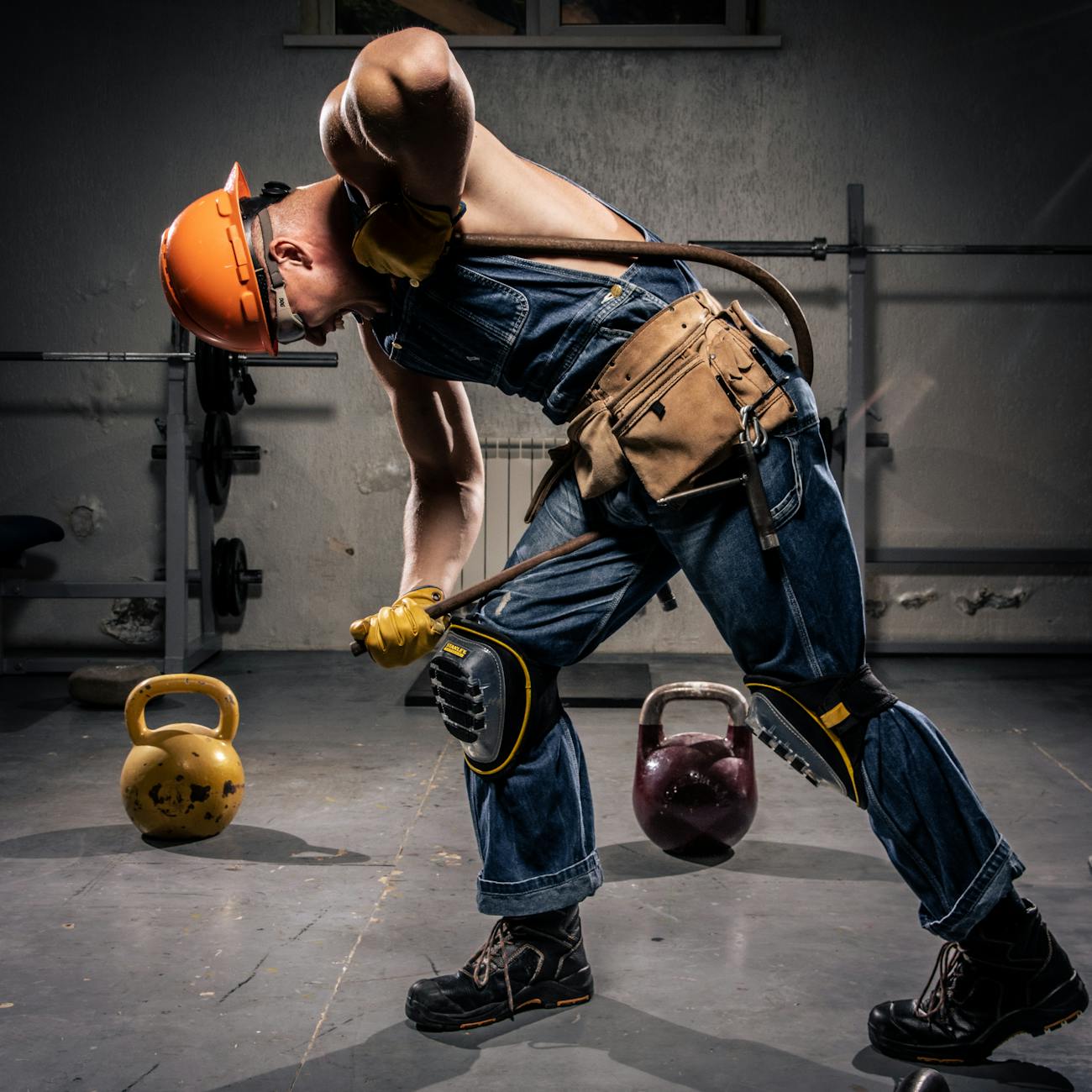
Personal Protective Equipment (PPE) refers to the clothing and gear that protect members and staff from injury while using gym facilities. Typical items include gloves, safety glasses, and non‑slip footwear. In a weight‑training area, a member may wear non‑slip shoes to reduce the chance of a slip on a polished floor. The practical application of PPE is evident when a member lifts heavy dumbbells; the gloves protect the hands from calluses and blisters, while the shoes provide traction. A common challenge is ensuring compliance; many members view PPE as optional, so trainers must reinforce its importance through verbal reminders and signage.
Emergency Action Plan (EAP) is a documented set of procedures that outlines how to respond to emergencies such as fire, severe injury, or power outage. The EAP includes designated assembly points, evacuation routes, and roles for staff members. For example, when a fire alarm sounds, the front‑desk staff must activate the fire alarm, guide members to the nearest exit, and account for all individuals at the assembly area. A challenge in implementing an EAP is maintaining up‑to‑date contact information for emergency services and ensuring all staff complete annual drills without disruption to regular programming.
Incident Report is a formal record that captures details of an accident, injury, or near‑miss event within the gym. The report typically includes date, time, location, description of the incident, individuals involved, and corrective actions taken. If a member sustains a sprained ankle on a treadmill, the staff must complete an incident report documenting the treadmill model, speed setting, and any hazards observed. The challenge lies in encouraging prompt reporting; staff may hesitate to document incidents for fear of liability, so a culture of transparency must be cultivated.
Hazard denotes any source of potential damage, injury, or adverse health effect. Hazards in a gym can be physical (e.g., a loose bolt on a weight stack), chemical (e.g., cleaning solvent spills), biological (e.g., mold on a ventilation duct), or ergonomic (e.g., repetitive motion from using a rowing machine). Identifying hazards requires regular inspection; for instance, a trainer noticing a cracked rubber mat near the squat rack should flag it as a hazard. The difficulty often arises from the sheer number of equipment pieces, making systematic identification a logistical task.
Risk is the likelihood that a hazard will cause harm combined with the severity of that harm. Risk assessment involves evaluating both probability and impact. A high‑risk scenario might be a malfunctioning cable on a cable machine that could cause a sudden drop of weight, potentially resulting in severe injury. Conversely, a low‑risk scenario could be a minor water spill that, while inconvenient, poses little danger if promptly addressed. The challenge in risk analysis is avoiding subjective bias; objective criteria and scoring systems help standardize evaluations.
Risk Assessment is a systematic process used to identify hazards, evaluate associated risks, and determine appropriate control measures. The process typically follows four steps: identify hazards, assess the level of risk, implement controls, and monitor effectiveness. In a cardio area, a risk assessment may reveal that the high‑intensity interval training (HIIT) class schedule creates crowding on the floor, increasing collision risk. Controls could involve limiting class size or rearranging equipment. A practical difficulty is ensuring assessments are revisited after equipment upgrades or layout changes.
Standard Operating Procedure (SOP) provides detailed, step‑by‑step instructions for routine tasks to maintain consistency and safety. An SOP for cleaning the weight room might specify the order of equipment cleaning, the type of disinfectant to use, and the frequency of floor mopping. SOPs also cover emergency procedures, such as how to operate a fire extinguisher. The major challenge is keeping SOPs current; as new equipment is introduced, SOPs must be revised, and staff must be retrained.
Training Matrix is a visual tool that tracks the competency and certification status of staff members across various safety domains. It lists staff names on one axis and required qualifications (e.g., CPR, AED, equipment maintenance) on the other. The matrix helps managers quickly identify who is qualified to lead a member safety session or respond to an emergency. Maintaining an accurate matrix can be challenging when staff turnover is high, requiring regular updates and verification.
Member Induction is an orientation session that familiarizes new members with gym policies, equipment usage, and safety expectations. During induction, staff demonstrate proper technique on key machines, explain the location of first‑aid kits, and review the emergency evacuation plan. A practical example includes showing a member how to adjust the seat height on a leg press to avoid lower‑back strain. The challenge is balancing thoroughness with time constraints, especially during peak enrollment periods.
Facility Inspection involves a systematic walk‑through of the gym to verify that all areas meet safety standards. Inspectors check for worn equipment, proper signage, clear egress routes, and functional safety devices. A quarterly inspection may uncover that a set of kettlebells has rusted handles, requiring immediate removal. The main difficulty is ensuring inspections are not treated as a checkbox exercise; they must be comprehensive and documented with actionable findings.
Lockout/Tagout (LOTO) is a safety protocol that isolates hazardous energy sources during equipment maintenance or repair. For example, before servicing a treadmill motor, a technician must lock the power switch and attach a tag indicating that maintenance is in progress. This prevents accidental energization that could cause injury. Implementing LOTO in a gym environment can be challenging because many pieces of equipment are frequently used, requiring coordinated scheduling to avoid disruption.
First Aid refers to the immediate care provided to an injured or ill person before professional medical treatment is available. Gym staff are often trained to perform basic first‑aid measures such as controlling bleeding, splinting fractures, and treating minor burns. A practical scenario might involve a member who experiences a nosebleed after a boxing class; staff would apply pressure, elevate the head, and monitor until the bleeding stops. The challenge lies in maintaining skill proficiency; regular refresher courses are essential.
Automated External Defibrillator (AED) is a portable device that delivers an electric shock to restore a normal heart rhythm in cases of sudden cardiac arrest. AEDs are strategically placed near high‑traffic areas such as the main entrance and cardio floor. Staff must be trained to recognize cardiac arrest signs, retrieve the AED, and follow voice prompts. A real‑world example includes a member collapsing during a high‑intensity spin class; a quick AED response can be life‑saving. One obstacle is ensuring that the device remains charged and that staff turnover does not lead to gaps in AED proficiency.
Personal Training Certification is a credential that validates a trainer’s knowledge of exercise science, program design, and safety protocols. Certified trainers are authorized to conduct individualized member safety assessments, demonstrate proper equipment use, and modify exercises for special populations. For instance, a trainer with a certification may adapt a squat routine for a member with limited ankle mobility by using a supported box squat. The challenge is verifying the authenticity of certifications and ensuring ongoing professional development.
Ergonomic Assessment evaluates the interaction between members and equipment to minimize strain and overuse injuries. An ergonomic assessment might examine the alignment of a rowing machine’s foot straps and handle height to ensure a neutral spine posture during use. Recommendations could include adjusting seat sliders or providing instructional cues on proper grip. A common challenge is that members often ignore ergonomic advice in favor of personal comfort, requiring persistent education.
Safety Signage encompasses visual cues that communicate hazards, rules, and emergency information. Signs such as “No Running,” “Wet Floor – Caution,” and “Emergency Exit” help guide member behavior. Effective signage uses universal symbols, high‑contrast colors, and concise wording. For example, a sign placed near the free‑weight area reminding members to re‑rack weights reduces the risk of dropped plates. The difficulty is maintaining sign visibility; signs can become obscured by equipment or wear over time.
Maintenance Log records all service activities performed on gym equipment, including routine inspections, repairs, and parts replacement. A detailed log might note that on March 10, the incline motor on a treadmill was serviced, with the part number and technician name recorded. This documentation supports preventive maintenance schedules and helps identify recurring issues. The challenge is ensuring that all staff consistently complete the log after each maintenance event, as omissions can lead to undetected equipment failures.
Safety Culture is the collective attitude, values, and practices that prioritize health and well‑being within the gym. A strong safety culture encourages members to report hazards, staff to follow SOPs, and management to allocate resources for safety improvements. For example, a gym that celebrates “Safety Week” with workshops and incentives fosters a proactive environment. Cultivating such a culture can be difficult when operational pressures prioritize revenue over safety; leadership must model and reinforce safety commitments.
Conflict Resolution involves strategies to address disputes that may arise between members, staff, or management regarding safety concerns. A typical scenario might involve a member questioning the necessity of a weight limit on a bench press station. Effective resolution includes listening, explaining the rationale based on risk assessment, and offering alternatives. Training staff in de‑escalation techniques helps prevent conflicts from escalating into unsafe situations. The challenge is balancing empathy with firm enforcement of safety policies.
Incident Command System (ICS) is a standardized approach to command, control, and coordination of emergency response. In a gym setting, the front‑desk manager may assume the role of Incident Commander, coordinating with first‑aid responders, security, and external emergency services. The system outlines clear roles such as Operations, Planning, and Logistics, ensuring an organized response. Implementing ICS requires training and practice drills; the difficulty lies in adapting a framework originally designed for larger incidents to the scale of a fitness facility.
Protective Barrier refers to physical or procedural safeguards that separate members from hazards. Examples include safety cages around free‑weight platforms, rubberized flooring to absorb impact, and guardrails on elevated platforms. A protective barrier on a plyometric box prevents a member from falling off during jumps. Challenges include ensuring barriers do not impede legitimate use of equipment while still providing adequate protection.
Occupational Health and Safety (OHS) Regulations are legal requirements that govern workplace safety, including gyms. These regulations may dictate minimum staffing levels for emergency response, required safety equipment, and record‑keeping obligations. Compliance with OHS laws protects the organization from penalties and enhances member trust. A practical implication is the need to display the latest OHS compliance certificates in a visible location. Keeping abreast of regulatory changes is an ongoing challenge for gym managers.
Safety Data Sheet (SDS) provides detailed information about hazardous chemicals used in cleaning, maintenance, or pool treatment. The SDS outlines hazards, handling procedures, personal protective equipment requirements, and emergency measures. For instance, an SDS for a floor‑cleaning solvent will specify the need for gloves and ventilation. Staff must be trained to locate and interpret SDS documents. The difficulty is that SDSs are often technical; simplifying key points for everyday staff use is essential.
Safe Work Practices are prescribed methods for performing tasks in a manner that reduces risk. In a gym, safe work practices may include using a spotter when lifting heavy weights, positioning a first‑aid kit within arm’s reach, and conducting a visual check of equipment before each use. Demonstrating these practices during member induction reinforces safe habits. A common obstacle is that members may develop shortcuts, so continual reinforcement is necessary.
Hazard Communication (HazCom) involves informing staff and members about the presence and nature of hazards. This includes labeling chemicals, posting warning signs, and providing training on hazard recognition. An effective HazCom program might use color‑coded tags to indicate equipment that requires maintenance. The challenge is ensuring that communication remains clear and does not become background noise; regular updates and targeted briefings help maintain awareness.
Near‑Miss Reporting captures incidents that could have resulted in injury but did not. Recording near‑misses allows the gym to identify patterns and implement preventative measures before an actual injury occurs. For example, a member narrowly avoids a collision on a crowded spin bike; documenting this near‑miss prompts a review of class capacity limits. Encouraging staff and members to report near‑misses requires a non‑punitive environment; fear of blame can suppress valuable information.
Preventive Maintenance is scheduled servicing intended to keep equipment operating safely and efficiently. Tasks may include lubricating moving parts, tightening bolts, and calibrating resistance settings. A preventive maintenance schedule for a multi‑station cable machine might specify monthly inspections, quarterly part replacements, and annual safety testing. The challenge is balancing maintenance downtime with member access; planning maintenance during off‑peak hours minimizes disruption.
Control Measures are actions taken to eliminate or reduce hazards. Controls are prioritized according to the hierarchy: elimination, substitution, engineering controls, administrative controls, and personal protective equipment. For a treadmill with a worn belt, the preferred control is replacement (elimination of the hazard). If replacement is not immediately possible, an engineering control such as a temporary speed limit may be applied. Determining appropriate controls requires thorough risk assessment and cost‑benefit analysis.
Emergency Evacuation Route is a pre‑planned path that members and staff follow to exit the building safely during an emergency. Routes must be clearly marked, unobstructed, and communicated to all occupants. In a gym with multiple levels, each floor may have its own evacuation route converging at a designated assembly point. Challenges include ensuring routes remain clear of equipment and that members are aware of them during peak hours; regular drills and signage are essential.
Safety Committee is a group of representatives from management, staff, and sometimes members tasked with overseeing safety initiatives. The committee reviews incident reports, monitors compliance, and recommends improvements. A safety committee might meet monthly to discuss trends in injury data and propose new training modules. One difficulty is maintaining active participation; committee members must have allocated time and clear responsibilities.
Training Evaluation assesses the effectiveness of safety training programs through methods such as quizzes, practical demonstrations, and post‑training surveys. An evaluation might measure how well members retain knowledge of proper equipment setup after an induction session. Results inform revisions to the curriculum. The challenge is designing evaluation tools that accurately reflect real‑world competence without being overly burdensome.
Behavioral Safety focuses on influencing the actions and attitudes of individuals to promote safe practices. Techniques include positive reinforcement, peer observation, and safety briefings before classes. For example, a trainer may commend a member for using a spotter, reinforcing the desired behavior. Implementing behavioral safety can be difficult when ingrained habits conflict with safety recommendations; consistent leadership modeling is key.
Workplace Violence Prevention addresses the risk of aggressive or violent incidents within the gym environment. Policies may include clear codes of conduct, reporting procedures, and staff training on de‑escalation. A scenario could involve a disgruntled member shouting at staff; a trained employee would use verbal techniques to calm the situation and, if necessary, involve security. Challenges include balancing a welcoming atmosphere with firm enforcement of zero‑tolerance policies.
Accessibility Standards ensure that gym facilities are usable by individuals with disabilities, meeting legal requirements such as the Americans with Disabilities Act (ADA). This includes providing wheelchair‑accessible routes, equipment with adjustable height, and tactile signage. An accessible cardio area might feature treadmills with side rails and lower step‑up heights. The challenge is retrofitting older facilities to meet standards while maintaining overall functionality.
Environmental Sustainability in a gym context involves practices that reduce waste and conserve resources, while also supporting safety. Examples include using eco‑friendly cleaning agents (with appropriate SDS documentation), recycling water from showers, and selecting equipment with energy‑efficient motors. Sustainable choices can also improve indoor air quality, contributing to member health. Implementing these initiatives may face budget constraints and require staff education.
Incident Investigation is a systematic inquiry into the causes of an accident or near‑miss, aiming to prevent recurrence. Investigators gather evidence, interview witnesses, and analyze equipment logs. For a weight‑plate drop incident, the investigation might reveal that the loading plate was not secured due to a missing latch. Findings lead to corrective actions such as installing a new latch and updating the SOP. A challenge is conducting investigations promptly while maintaining objectivity.
Safety Training Modules are structured learning units covering specific topics such as equipment operation, emergency response, and injury prevention. Modules can be delivered in person, via e‑learning platforms, or through blended approaches. A module on “Safe Use of Free Weights” might combine a video demonstration with a hands‑on practice session. Ensuring that modules are engaging and relevant requires periodic content updates and feedback loops.
Compliance Audit is an independent review that verifies adherence to internal policies, industry standards, and regulatory requirements. Audits may examine documentation, observe operational practices, and test emergency equipment. A compliance audit might discover that fire extinguishers have not been inspected within the required twelve‑month period, prompting corrective action. Audits can be resource‑intensive; scheduling them during low‑traffic periods helps minimize disruption.
Safety Incident Trends refer to patterns observed over time in the frequency or type of safety events. Analyzing trends helps prioritize interventions. For instance, a rising trend in shoulder injuries during bench press may indicate a need for additional education on proper technique. Data visualization tools can aid in interpreting trends. A challenge is ensuring data accuracy; incomplete incident reporting can skew analysis.
Training Record is an official log that documents each member’s or staff’s participation in safety training, including dates, topics covered, and competency assessments. Accurate records are essential for certification verification and legal compliance. For example, a staff member’s training record may show completion of CPR certification on a specific date, with an upcoming renewal reminder. Maintaining these records electronically can streamline retrieval but requires secure data management.
Safety Protocol is a defined set of procedures designed to protect health and prevent accidents. Protocols cover diverse areas such as equipment inspection, emergency response, and sanitation. A safety protocol for cleaning cardio machines may specify using a microfiber cloth, applying a disinfectant, and allowing a dwell time of at least thirty seconds before wiping. The difficulty lies in ensuring that all staff consistently follow the protocol, especially during busy periods.
Risk Mitigation involves implementing strategies to lower the probability or impact of identified risks. Mitigation actions may include engineering controls, administrative policies, or training enhancements. For a risk of electrical shock from a faulty treadmill, mitigation could involve installing ground‑fault circuit interrupters (GFCIs) and scheduling quarterly electrical inspections. Effective mitigation requires collaboration across departments and ongoing monitoring.
Safety Officer is a designated individual responsible for overseeing all aspects of safety within the gym, including policy development, training, and incident response. The safety officer may conduct regular inspections, lead emergency drills, and serve as the primary point of contact for regulatory agencies. Challenges for the safety officer include balancing administrative duties with proactive safety initiatives and gaining authority across multiple departments.
Member Feedback Loop is a mechanism that allows members to provide input on safety concerns, training effectiveness, and facility conditions. Feedback can be collected through surveys, suggestion boxes, or digital platforms. Positive feedback, such as members appreciating clear signage, reinforces successful practices, while negative feedback, like complaints about slippery floors, highlights areas for improvement. The challenge is ensuring that feedback is acted upon promptly and communicated back to members.
Safety Drill is a simulated exercise designed to test the readiness of staff and members to respond to emergencies. Drills may focus on fire evacuation, AED use, or active‑shooter scenarios. Conducting a fire drill involves activating the alarm, guiding members to exits, and accounting for everyone at the assembly point. Debriefing after the drill identifies strengths and gaps. Scheduling drills without interrupting regular programming requires careful planning.
Protective Zone defines an area around equipment where hazards are minimized through barriers, signage, or restricted access. For example, a protective zone around a heavy‑weight platform may include a marked perimeter that members should not cross while a lift is in progress. Maintaining these zones requires clear communication and enforcement by staff. Challenges arise when space is limited, requiring creative layout solutions.
Safety Signage Standards dictate the design, color, and placement of signs to ensure they are universally understood. Standards may require the use of specific pictograms for fire exits or the inclusion of reflective material for visibility in low‑light conditions. Adhering to these standards helps meet regulatory compliance and enhances member comprehension. Updating signs to reflect changes in layout or policy must be done promptly to avoid confusion.
Medical Clearance is a formal document from a qualified healthcare professional indicating that a member is fit to engage in physical activity. Requiring medical clearance for high‑intensity programs helps mitigate health‑related risks. For example, a member with a history of cardiovascular disease may need a physician’s approval before participating in a boot‑camp class. The challenge is balancing the need for clearance with member privacy concerns and ensuring that clearance documents are securely stored.
Safety Incentive Program rewards members and staff for demonstrating safe behaviors, such as reporting hazards or completing safety training. Incentives may include discounts, recognition certificates, or small merchandise items. An incentive program can boost engagement and reinforce a positive safety culture. However, designing fair and motivating rewards requires careful consideration to avoid perceived favoritism.
Equipment Load Capacity specifies the maximum weight a piece of equipment can safely support. Understanding load capacity is essential to prevent structural failure. For instance, a squat rack rated for 600 kg should not be overloaded beyond that limit. Signage indicating load limits near equipment helps members make informed choices. The difficulty lies in communicating these limits effectively, especially for members unfamiliar with weight terminology.
Safety Data Management involves the systematic collection, storage, and analysis of safety‑related information, including incident reports, inspection results, and training records. Robust data management enables trend analysis, compliance reporting, and continuous improvement. Implementing a digital safety management system can streamline processes, but data security and user training become critical considerations.
Hazard Identification Checklist is a tool that guides staff through a systematic review of potential hazards in a specific area or equipment type. The checklist may include items such as “Check for frayed cables,” “Verify that safety pins are in place,” and “Confirm that emergency stop buttons are functional.” Using a checklist ensures consistency and reduces the likelihood of overlooking hazards. The challenge is keeping the checklist up‑to‑date with evolving equipment and standards.
Safety Communication Plan outlines how safety information is disseminated to staff and members, including the channels, frequency, and responsible parties. The plan may incorporate email alerts, posted notices, and briefings at the start of each class. A clear communication plan ensures that critical updates, such as temporary equipment closures, reach the intended audience promptly. Maintaining the plan’s relevance requires regular review and adaptation to new communication technologies.
Risk Register is a documented list of identified risks, their assessed severity, likelihood, and the controls in place or planned. The register serves as a living document for tracking risk management activities. For example, a risk entry may note “Loose weight plate on bench press” with a high probability rating, and the mitigation action “Install plate‑locking mechanism.” Keeping the register updated demands disciplined record‑keeping and periodic review.
Safety Training Delivery Methods encompass various approaches such as classroom instruction, hands‑on workshops, e‑learning modules, and on‑the‑job coaching. Selecting the appropriate method depends on the complexity of the content, learner preferences, and resource availability. A hands‑on workshop may be ideal for demonstrating proper use of a new resistance machine, while an e‑learning module could efficiently cover the basics of emergency evacuation. Balancing cost, effectiveness, and learner engagement is a continual challenge.
Safety Documentation includes all written records that support safety activities, such as SOPs, inspection reports, incident logs, and training certificates. Proper documentation demonstrates compliance, facilitates audits, and provides a reference for future improvements. Organizing safety documentation in a centralized repository improves accessibility. The challenge is ensuring that documents are both comprehensive and concise, avoiding unnecessary bureaucracy.
Member Safety Orientation is a focused session that introduces new members to the gym’s safety expectations, equipment usage policies, and emergency procedures. Orientation may include a brief tour, demonstration of proper form on key machines, and a quiz to confirm understanding. Effective orientation reduces the likelihood of accidents caused by unfamiliarity. Time constraints during busy periods can limit the depth of orientation, necessitating concise yet thorough delivery.
Safety Responsibility Matrix defines who is accountable for specific safety tasks across different roles, such as manager, trainer, or maintenance staff. The matrix clarifies expectations, for instance assigning “Inspect equipment daily” to the lead trainer, while “Maintain fire extinguisher service records” falls under the facilities manager. Clear delineation of responsibilities prevents gaps and overlaps. Updating the matrix when roles change is essential to maintain relevance.
Emergency Communication System includes tools such as public address (PA) systems, alarms, and mobile alerts used to notify occupants of an emergency. A well‑functioning system ensures that all members receive timely instructions during a fire or medical emergency. Testing the system regularly is required to verify audibility and functionality. Integrating modern technologies, such as push notifications to member smartphones, can enhance reach but also introduces technical maintenance demands.
Safety Performance Indicators (SPIs) are measurable metrics used to assess the effectiveness of safety programs. Examples include the number of incidents per 1,000 member visits, average time to close safety gaps, and percentage of staff certified in first aid. Monitoring SPIs enables data‑driven decision‑making and continuous improvement. Selecting meaningful indicators that reflect true safety performance, rather than merely compliance, can be complex.
Safety Awareness Campaign is a coordinated effort to promote safety knowledge and behaviors among members and staff. Campaigns may feature themed weeks, posters, social‑media posts, and interactive quizzes. A campaign on “Proper Use of Resistance Bands” could include demonstrations, printed guides, and a challenge where members share safe usage videos. Maintaining momentum and ensuring the campaign reaches diverse audiences requires strategic planning.
Training Needs Analysis (TNA) identifies gaps between current competencies and required safety skills. Conducting a TNA may involve surveys, interviews, and observation of daily operations. If the analysis reveals that staff lack confidence in operating the AED, a targeted training session can be scheduled. The challenge is allocating resources for training while maintaining regular service delivery.
Safety Incident Classification categorizes incidents based on severity, type, and cause. Classification levels may range from minor (first‑aid treated) to major (requiring hospitalization). Accurate classification assists in prioritizing investigations and allocating resources. Misclassification can lead to underestimation of risk and insufficient corrective actions. Standardized classification criteria help ensure consistency.
Personal Emergency Response Plan (PERP) outlines steps an individual should follow during a personal health crisis, such as a known allergy or chronic condition. Members with specific medical needs may provide a PERP to staff, indicating medication, emergency contacts, and preferred response actions. Incorporating PERPs into the overall safety framework enhances individualized care. Managing and updating PERPs for a large member base can be administratively demanding.
Safety Training Refreshers are periodic sessions that reinforce previously taught safety concepts, ensuring knowledge retention over time. Refresher courses may be required annually for certifications like CPR. Conducting refreshers during low‑traffic periods or as part of regular staff meetings maximizes participation. The challenge is preventing fatigue and maintaining engagement, which can be addressed through varied delivery formats.
Safety Compliance Checklist is a tool used to verify that all required safety standards are met during inspections or audits. The checklist may include items such as “Fire extinguishers inspected within six months,” “Emergency exits clearly marked,” and “First‑aid kits fully stocked.” Using a checklist streamlines the verification process and provides documentation of compliance. Keeping the checklist aligned with evolving regulations requires ongoing review.
Safety Incident Follow‑Up involves actions taken after an incident to ensure that corrective measures are implemented and effective. Follow‑up may include verifying that repaired equipment is functional, confirming that staff have received additional training, and reviewing the incident log for completeness. A systematic follow‑up process prevents recurrence and demonstrates organizational commitment to safety. Tracking follow‑up tasks across multiple incidents can become complex without a dedicated management system.
Safety Culture Survey gauges perceptions of safety among members and staff, identifying strengths and areas for improvement. Survey questions might address confidence in emergency response, perceived adequacy of training, and willingness to report hazards. Analyzing survey results informs targeted interventions, such as additional training or communication enhancements. Encouraging honest feedback requires anonymity and assurance that responses will not lead to punitive actions.
Risk Transfer involves shifting the financial burden of a risk to another party, often through insurance. Purchasing liability insurance for the gym transfers some risk associated with member injuries. While insurance does not eliminate the underlying hazard, it provides financial protection. Selecting appropriate coverage and understanding policy limits are essential steps. Over‑reliance on insurance can lead to complacency, underscoring the need for active risk mitigation.
Safety Audit Trail is a chronological record of safety‑related activities, decisions, and changes. The audit trail may include dates of equipment inspections, revisions to SOPs, and outcomes of incident investigations. Maintaining an audit trail supports accountability and facilitates regulatory inspections. Managing extensive audit trails demands organized documentation practices and potentially digital archiving solutions.
Safety Training Curriculum outlines the sequence and content of training modules required for staff and members. The curriculum may be divided into foundational topics (e.g., basic first aid) and advanced subjects (e.g., advanced emergency response). Aligning the curriculum with industry standards ensures relevance and compliance. Updating the curriculum to incorporate new equipment or emerging hazards requires continuous curriculum development.
Member Safety Contract is a written agreement where members acknowledge understanding of safety rules and accept responsibility for adhering to them. The contract may include clauses about proper equipment use, reporting hazards, and complying with staff instructions. Having members sign a safety contract reinforces accountability and provides legal protection. Ensuring that contracts are clear, concise, and understandable to all members, regardless of language proficiency, is a key consideration.
Safety Incident Trending Tool is software that aggregates incident data and visualizes trends over time, such as heat maps of injury locations. Using a trending tool, managers can quickly identify high‑risk zones, like a cardio area with frequent slip incidents, and allocate resources accordingly. Implementing such tools may require integration with existing management systems and staff training on data interpretation.
Safety Training Accreditation signifies that a training program meets recognized standards set by an external body, such as a national safety institute. Accreditation adds credibility, assures quality, and may be required for certain certifications. Pursuing accreditation involves submitting curriculum documentation, instructor qualifications, and assessment methods for review. The process can be resource‑intensive but yields long‑term benefits in program reputation.
Safety Incident Reporting Hotline provides a dedicated phone line or digital portal for members and staff to report safety concerns promptly. A hotline encourages immediate reporting of hazards, such as a broken treadmill, allowing rapid response. Ensuring the hotline is staffed or monitored 24/7 enhances effectiveness. Managing the volume of reports and preventing false alarms requires clear guidelines and triage procedures.
Safety Risk Workshop is an interactive session where staff collaboratively identify hazards, assess risks, and develop control strategies. Workshops foster ownership and leverage diverse perspectives. For example, a workshop might focus on improving the safety of group fitness classes by reviewing instructor techniques and floor layout. Facilitating productive discussions and translating ideas into actionable plans can be challenging without skilled moderation.
Safety Training Evaluation Metrics assess the impact of training initiatives using quantitative and qualitative indicators. Metrics may include pre‑ and post‑test scores, observed behavior changes, and incident rate reductions. Tracking these metrics helps justify training investments and guide future improvements. Selecting appropriate metrics that directly reflect safety outcomes, rather than merely attendance, enhances the relevance of evaluation.
Safety Communication Board is a physical or digital display where safety updates, reminders, and incident summaries are posted. Placing the board near the entrance ensures high visibility. Content may rotate weekly to cover topics such as “Proper Form for Deadlifts” or “Fire Drill Schedule.” Maintaining an up‑to‑date board requires regular content creation and oversight.
Safety Risk Matrix visually represents the relationship between likelihood and severity, often using color coding (e.g., green for low risk, red for high risk). The matrix assists decision‑makers in prioritizing hazards for remediation. When evaluating a malfunctioning elliptical, the matrix may place it in the “moderate‑high” category, prompting immediate repair. Over‑reliance on the matrix without contextual judgment can lead to misprioritization; expert input remains essential.
Safety Training Feedback Loop captures participant reactions to training sessions, enabling continuous improvement. Feedback may be collected via short surveys asking about clarity, relevance, and applicability. Analyzing feedback identifies areas where trainers can adjust pacing, incorporate more hands‑on practice, or clarify complex concepts. The challenge is achieving a high response rate; incentivizing feedback can improve participation.
Safety Incident Documentation Standards define the required elements and formatting for incident reports to ensure consistency and completeness. Standards may specify fields such as “Incident Description,” “Witness Statements,” “Root Cause Analysis,” and “Corrective Action.” Adhering to standards facilitates easier data aggregation and comparison across incidents. Training staff on proper documentation techniques helps meet these standards.
Safety Maintenance Schedule outlines the timing and scope of routine upkeep tasks for equipment and facilities. The schedule may assign weekly checks of treadmill belts, monthly calibration of weight stacks, and quarterly testing of fire alarms. A well‑structured schedule prevents equipment degradation and enhances member safety. Balancing maintenance activities with member access, particularly during peak hours, requires strategic planning.
Safety Risk Communication involves conveying risk information to stakeholders in a clear, understandable manner. Effective communication uses plain language, visual aids, and contextual examples. Explaining the risk of over‑loading a squat rack may involve a simple diagram showing load limits versus actual usage. Communicating risk without causing undue alarm is a delicate balance that requires careful message framing.
Safety Incident Root Cause Analysis (RCA) delves beyond immediate causes to uncover underlying systemic issues. Techniques such as the “5 Whys” or fishbone diagrams help identify root causes. For a recurring issue with a faulty cable, RCA might reveal inadequate maintenance procedures or insufficient staff training on inspection. Addressing root causes leads to lasting improvements. Conducting thorough RCA can be time‑consuming but yields significant safety benefits.
Safety Leadership Development focuses on cultivating managerial skills that promote a proactive safety environment. Training may cover topics like leading by example, coaching for safety, and fostering open communication. Leaders who prioritize safety set the tone for the entire organization, influencing compliance and morale. Developing these competencies requires ongoing mentorship and performance evaluation.
Safety Incident Escalation Protocol defines the hierarchy and timing for reporting incidents of varying severity. Minor incidents may be logged by frontline staff, while major incidents trigger immediate notification of senior management and external emergency services. Clear escalation pathways ensure timely response and appropriate resource allocation. Maintaining awareness of the protocol among all staff members is essential to prevent delays.
Safety Data Privacy addresses the protection of personal information collected during safety activities, such as medical histories or incident details. Compliance with privacy regulations, like GDPR or HIPAA, requires secure storage, limited access, and transparent data handling policies. Ensuring data privacy builds trust with members and staff. Implementing robust security measures, such as encryption and access controls, can be technically demanding.
Safety Incident Learning Platform is an online system where incident reports, lessons learned, and best
Key takeaways
- The practical application of PPE is evident when a member lifts heavy dumbbells; the gloves protect the hands from calluses and blisters, while the shoes provide traction.
- A challenge in implementing an EAP is maintaining up‑to‑date contact information for emergency services and ensuring all staff complete annual drills without disruption to regular programming.
- If a member sustains a sprained ankle on a treadmill, the staff must complete an incident report documenting the treadmill model, speed setting, and any hazards observed.
- Identifying hazards requires regular inspection; for instance, a trainer noticing a cracked rubber mat near the squat rack should flag it as a hazard.
- A high‑risk scenario might be a malfunctioning cable on a cable machine that could cause a sudden drop of weight, potentially resulting in severe injury.
- In a cardio area, a risk assessment may reveal that the high‑intensity interval training (HIIT) class schedule creates crowding on the floor, increasing collision risk.
- An SOP for cleaning the weight room might specify the order of equipment cleaning, the type of disinfectant to use, and the frequency of floor mopping.