
Poultry Disease Epidemiology
Agent – The biological entity that causes disease, which may be a virus, bacterium, fungus, protozoan, or parasite. In poultry epidemiology the term is used to identify the specific pathogen responsible for an outbreak, such as Avian influe…
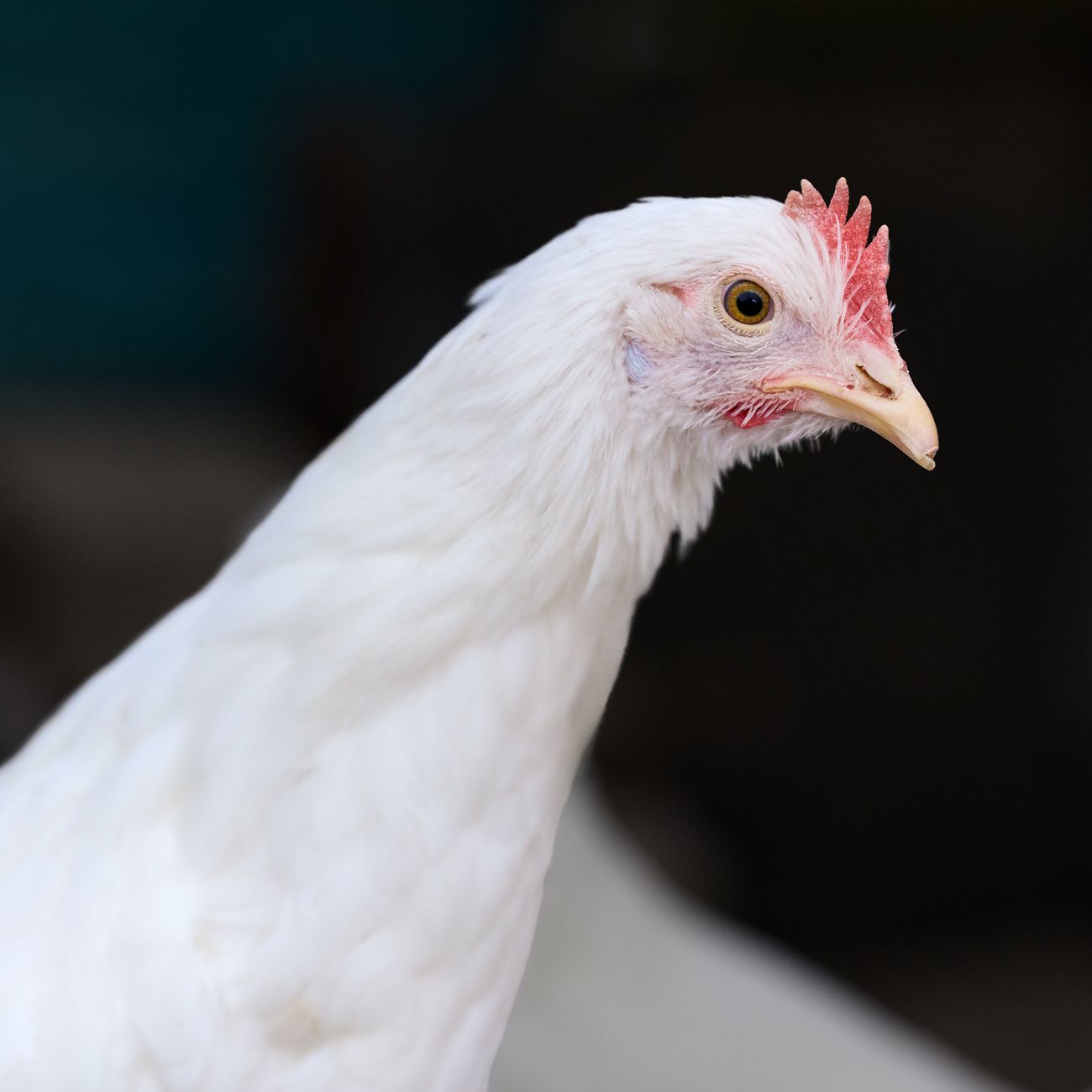
Agent – The biological entity that causes disease, which may be a virus, bacterium, fungus, protozoan, or parasite. In poultry epidemiology the term is used to identify the specific pathogen responsible for an outbreak, such as Avian influenza virus or Salmonella enterica. Recognising the agent is the first step in tracing transmission routes and implementing control measures.
Reservoir – Any species, environment, or object in which a disease‑causing agent lives, multiplies, and persists over time. Wild waterfowl often serve as reservoirs for low‑pathogenic avian influenza, while contaminated litter can act as a reservoir for bacterial agents like Campylobacter jejuni. Understanding reservoirs helps epidemiologists predict where disease may re‑emerge after an outbreak has been cleared.
Host – The organism that harbours the infectious agent and can develop disease. In the context of commercial poultry, the primary hosts are chickens, turkeys, ducks, and geese. Some agents have a broad host range, infecting both poultry and non‑avian species, which complicates control strategies.
Susceptibility – The degree to which a host is vulnerable to infection. Factors influencing susceptibility include age, breed, nutritional status, and immunological history. For example, broiler chicks under two weeks of age are highly susceptible to Newcastle disease virus because their immune system is still developing.
Incidence – The number of new cases of a disease occurring in a defined population during a specified time period. Incidence is expressed as a rate, such as new cases per 1,000 birds per month, and is essential for measuring the speed of an outbreak’s spread.
Prevalence – The total number of existing cases (both new and pre‑existing) of a disease in a population at a particular point in time. Point prevalence provides a snapshot, while period prevalence captures cases over a defined interval, aiding in the assessment of disease burden on a flock.
Case fatality rate (CFR) – The proportion of diagnosed cases that result in death, calculated by dividing the number of deaths by the number of confirmed cases. A high CFR in a flock with infectious bronchitis may indicate a particularly virulent strain or inadequate supportive care.
Mortality rate – The proportion of the entire population that dies from a disease over a given period. Unlike CFR, mortality includes all deaths, not just those among confirmed cases, and is useful for evaluating the overall impact of an epidemic on production.
Basic reproduction number (R₀) – The average number of secondary infections generated by one infected individual in a wholly susceptible population. An R₀ greater than 1 suggests that an infection will spread, whereas an R₀ less than 1 indicates it will eventually die out. For highly contagious agents such as infectious laryngotracheitis, R₀ can exceed 5, highlighting the need for rapid intervention.
Effective reproduction number (Rₑ) – Similar to R₀ but adjusted for the current level of immunity or control measures in the population. When vaccination reduces the number of susceptible birds, Rₑ may fall below 1 even if the pathogen’s intrinsic transmissibility remains high.
Endemic – A disease that is constantly present at a baseline level within a specific geographic area or population. Marek’s disease is considered endemic in many commercial poultry operations, persisting despite routine vaccination because the virus establishes lifelong infection.
Epidemic – An increase in disease incidence that exceeds the expected baseline within a defined area or population. An outbreak of highly pathogenic avian influenza (HPAI) affecting multiple farms in a county would be classified as an epidemic.
Pandemic – The worldwide spread of a new disease. While true pandemics are rare in poultry, the global spread of H5N1 HPAI in the early 2000s serves as an example of a pandemic‑scale event affecting both animal and human health.
Outbreak – A sudden rise in disease cases in a specific flock or farm, often prompting immediate investigation. Outbreak investigations focus on identifying the source, transmission pathways, and implementing control actions to limit spread.
Surveillance – Systematic collection, analysis, and interpretation of health data to detect disease trends and guide public‑health action. In poultry, surveillance may involve routine testing of hatcheries for Salmonella, serological monitoring for avian influenza, or on‑farm observation for clinical signs.
Passive surveillance – Relies on reports of disease occurrences submitted voluntarily by producers, veterinarians, or diagnostic laboratories. While cost‑effective, it may miss subclinical infections that do not generate reports.
Active surveillance – Involves proactive sampling and testing of birds regardless of clinical status. For example, a national program that collects cloacal swabs from a random sample of laying hens each month is an active surveillance system, providing more reliable prevalence data.
Sentinel flock – A group of birds maintained specifically for disease monitoring. Sentinel flocks are regularly sampled for seroconversion to emerging pathogens, acting as early warning systems for regional disease incursions.
Zoonosis – A disease that can be transmitted from animals to humans. Campylobacter, Salmonella, and certain avian influenza strains are zoonotic, making poultry disease epidemiology relevant to public health.
Biosecurity – The set of preventive measures designed to reduce the risk of introduction or spread of infectious agents. Biosecurity practices include controlling visitor access, disinfecting equipment, and managing feed and water sources.
All-in/all-out (AIAO) – A production system where an entire house is stocked, reared, and then completely emptied before the next batch is introduced. AIAO helps break disease cycles by allowing thorough cleaning and disinfection between groups.
Partial depopulation – The removal of a portion of a flock, often for market, while the remaining birds stay on‑site. This practice can increase disease transmission risk if not managed with strict biosecurity, as pathogens may spread between age groups.
Vertical transmission – Transfer of a pathogen from parent to offspring, typically through the egg. Marek’s disease virus can be transmitted vertically, necessitating breeder‑level vaccination to protect progeny.
Horizontal transmission – Spread of disease between individuals of the same generation, via direct contact, aerosols, vectors, or contaminated fomites. Most respiratory viruses in poultry, such as infectious bronchitis, spread horizontally.
Fomite – An inanimate object that can carry infectious agents. Boots, crates, and feeding equipment are common fomites in poultry houses; regular disinfection reduces their role in disease spread.
Vector – A living organism that transmits a pathogen between hosts. The red mite Dermanyssus gallinae can act as a mechanical vector for Salmonella, while insects such as flies may spread bacterial agents between houses.
Incubation period – The interval between exposure to an infectious agent and the appearance of clinical signs. For Newcastle disease, the incubation period ranges from 2 to 15 days, influencing quarantine duration decisions.
Latent period – The time between infection and when the host becomes infectious, which may differ from the incubation period if clinical signs appear later. In avian influenza, birds can shed virus before showing signs, creating a latent infectious window.
Carrier – An individual that harbours the pathogen without showing clinical disease but can transmit it to others. Carrier states are important for diseases like Salmonella pullorum, where infected birds may appear healthy yet shed bacteria.
Shedding – Release of infectious agents from a host into the environment. Shedding routes include respiratory secretions, feces, and skin lesions. Quantifying shedding intensity assists in risk assessment for disease spread.
Pathogenicity – The ability of an agent to cause disease. Highly pathogenic avian influenza (HPAI) has greater pathogenicity than low‑pathogenic strains, leading to rapid mortality and severe lesions.
Virulence – The degree of damage caused by a pathogen, often expressed relative to a standard strain. Virulence factors such as haemagglutinin cleavage sites in influenza viruses determine the severity of infection.
Antigenic drift – Small, gradual genetic changes in a pathogen’s surface proteins that alter antigenicity. Influenza viruses undergo antigenic drift, necessitating periodic updates to vaccine strains.
Antigenic shift – An abrupt, major change in a virus’s antigenic makeup, typically resulting from reassortment of gene segments. The emergence of H5N8 HPAI in 2014 involved antigenic shift, creating a novel virus against which existing immunity was limited.
Serotype – A classification of a microorganism based on its surface antigens. Salmonella serotyping (e.G., S. Enteritidis, S. Typhimurium) informs epidemiological tracing and source attribution.
Genotype – The genetic constitution of an organism. Molecular typing methods such as multilocus sequence typing (MLST) identify genotypes that can be linked to specific outbreaks.
Phylogeny – The evolutionary relationship among organisms. Phylogenetic analysis of avian influenza isolates helps track virus migration between regions and species.
Cluster – A group of cases occurring in a defined space and time that exceeds expected levels. Detecting clusters prompts targeted investigations to uncover common exposure sources.
Risk factor – Any attribute, exposure, or condition that increases the likelihood of disease occurrence. Examples include high stocking density, poor ventilation, and use of contaminated water sources.
Risk assessment – The systematic process of evaluating the probability and consequences of disease introduction and spread. It combines hazard identification, exposure analysis, and consequence estimation to guide mitigation.
Hazard – A potential source of harm. In poultry epidemiology, hazards include specific pathogens, chemical contaminants, and environmental stressors that can predispose birds to disease.
Exposure – Contact between a host and a hazard sufficient to cause infection. Measuring exposure may involve quantifying virus particles in air samples or bacterial load in feed.
Mitigation – Actions taken to reduce risk. Mitigation strategies for avian influenza include vaccination, movement controls, and enhanced biosecurity.
Control – Measures aimed at reducing disease incidence to acceptable levels. Control can be preventive (vaccination) or reactive (culling infected flocks).
Eradication – Permanent reduction to zero of the worldwide incidence of a disease caused by deliberate efforts. The global eradication of rinderpest serves as a model, though eradication of most poultry diseases remains unrealistic due to wildlife reservoirs.
Elimination – Reduction of disease incidence to zero in a defined geographic area, with continued measures required to prevent re‑introduction. Successful elimination of Mycoplasma gallisepticum in certain European regions illustrates the concept.
Vaccination – Administration of antigenic material to stimulate protective immunity. Types include live attenuated, inactivated, recombinant, and vectored vaccines. Vaccine efficacy is evaluated by seroconversion rates and field protection studies.
Seroconversion – Development of detectable specific antibodies in the blood following infection or vaccination. Seroconversion testing is a core component of monitoring programmes for diseases such as infectious bursal disease.
Herd immunity – The indirect protection conferred to susceptible individuals when a sufficient proportion of the population is immune. In densely stocked poultry houses, achieving herd immunity through vaccination can dramatically reduce outbreak potential.
Diagnostic sensitivity – The ability of a test to correctly identify infected birds (true positives). High sensitivity is crucial for early detection of low‑prevalence diseases.
Diagnostic specificity – The ability of a test to correctly identify non‑infected birds (true negatives). High specificity reduces false‑positive results that could lead to unnecessary culling.
Polymerase chain reaction (PCR) – A molecular technique that amplifies specific DNA or RNA sequences, allowing rapid detection of pathogens such as avian influenza virus. Real‑time PCR provides quantitative data on viral load.
Enzyme‑linked immunosorbent assay (ELISA) – An immunological test that detects antibodies or antigens. ELISA is widely used for serological surveillance of diseases like Newcastle disease and infectious bronchitis.
Virus isolation – The process of cultivating a virus in cell culture or embryonated eggs to confirm its presence and obtain material for further characterization. Virus isolation remains the gold standard for confirming avian influenza infection.
Culture – Growth of bacteria on selective media to identify and quantify bacterial agents. For Salmonella detection, pre‑enrichment, selective enrichment, and plating on XLD agar are standard steps.
Antimicrobial susceptibility testing – Determines the effectiveness of antibiotics against bacterial isolates. Disc diffusion and broth microdilution are common methods, guiding therapeutic decisions for bacterial infections.
One Health – An integrated approach recognising the interconnection between animal health, human health, and the environment. Poultry disease epidemiology contributes to One Health by monitoring zoonotic pathogens and assessing risks to public health.
Bio‑indicator – A species or biological parameter that reflects the health of an ecosystem. The prevalence of avian influenza antibodies in wild waterfowl serves as a bio‑indicator of viral activity in the environment.
Spillover – Transmission of a pathogen from its natural reservoir to a new host species. The jump of H5N1 from wild birds to domestic poultry exemplifies spillover events that can precipitate large‑scale outbreaks.
Reverse zoonosis – Transmission of pathogens from domestic animals to wildlife. In some cases, vaccinated poultry can shed vaccine strains that infect wild birds, raising concerns about viral evolution.
Latency – A dormant phase during which a pathogen persists in the host without causing disease, but can reactivate later. Marek’s disease virus establishes latency in lymphoid tissue, leading to tumour development months after infection.
Re‑infection – Occurrence of a new infection by the same or a different strain of a pathogen after recovery. In the case of infectious bronchitis, antigenic drift can lead to re‑infection despite prior exposure.
Cross‑protection – Immunological protection conferred against one strain by exposure to a different, but related, strain. Certain live vaccines for avian influenza provide cross‑protection against multiple subtypes.
Herd breakdown – An event where disease is detected in a flock that had previously been disease‑free, often triggering mandatory reporting and control actions. A breakdown of a Salmonella‑free status requires thorough investigation and possible depopulation.
Stochastic model – A mathematical model that incorporates random variation to simulate disease spread. Stochastic models are useful for small flock sizes where chance events heavily influence outcomes.
Deterministic model – A model that predicts disease dynamics using fixed parameters, providing average behaviour of an epidemic. The classic SIR (susceptible‑infectious‑recovered) model is deterministic.
SIR model – A compartmental framework dividing the population into susceptible, infectious, and recovered groups. Modifying the SIR model to include vaccination or culling parameters helps evaluate control strategies.
Force of infection – The rate at which susceptible individuals acquire infection, often expressed as a function of the number of infectious birds and contact patterns. High force of infection in dense broiler houses necessitates rapid intervention.
Latency period – The time between infection and the host becoming infectious, distinct from the incubation period when signs appear. For Mycoplasma gallisepticum, the latency period can be several weeks, during which birds appear normal.
Contact rate – Frequency of interactions that can lead to transmission. In poultry houses, contact rate is influenced by stocking density, ventilation, and litter management.
Transmission coefficient (β) – Parameter quantifying the probability of transmission per contact between a susceptible and an infectious bird. Estimating β for different pathogens assists in designing biosecurity thresholds.
Threshold density – The bird density at which disease transmission becomes self‑sustaining (R₀ = 1). Maintaining stocking below the threshold density for highly contagious diseases reduces outbreak risk.
Environmental persistence – The ability of a pathogen to survive outside the host. Avian influenza virus can persist in water for weeks at low temperatures, influencing farm proximity to water bodies as a risk factor.
Disinfectant efficacy – Measure of a chemical’s ability to inactivate a pathogen under specific conditions. Parameters include concentration, contact time, temperature, and presence of organic matter. Validation of disinfectants is essential for effective sanitation protocols.
Quarantine – Restriction of movement of birds, equipment, or personnel for a defined period after exposure to prevent disease spread. Standard quarantine periods are based on incubation periods; for Newcastle disease, a 21‑day quarantine is common.
Isolation – Separation of clinically ill birds from the rest of the flock to limit transmission. Isolation facilities should have dedicated ventilation and waste handling to avoid cross‑contamination.
Depopulation – Complete removal of birds from an affected premises, often followed by disposal of carcasses. Depopulation is a last‑resort control measure for highly virulent outbreaks such as HPAI.
Culling – Selective removal of infected or high‑risk birds, sometimes combined with vaccination of the remaining population. Targeted culling can limit economic loss while preserving part of the flock.
Compensation – Financial reimbursement provided to producers for losses incurred due to mandatory disease control actions. Compensation schemes encourage timely reporting and compliance with eradication programmes.
Traceability – Ability to track the movement of birds, eggs, feed, and equipment through the production chain. Robust traceability facilitates rapid source identification during an outbreak.
Phylodynamic – Integration of phylogenetics with epidemiological data to understand how pathogen evolution influences transmission dynamics. Phylodynamic studies of H5N1 have revealed how viral reassortment drives geographic spread.
Serosurveillance – Systematic testing of serum samples for antibodies, providing indirect evidence of exposure. Serosurveillance for avian influenza is performed annually in many European countries to monitor virus circulation.
Sentinel surveillance – Use of specific sites or flocks to detect early changes in disease prevalence. Sentinel farms positioned near high‑risk areas (e.G., Wetlands) can provide early warnings of emerging avian influenza strains.
Case definition – Set of standard criteria for classifying an individual as a case. A strict case definition for HPAI may require laboratory confirmation plus clinical signs, ensuring consistency in reporting.
Standard operating procedure (SOP) – Written instructions detailing how to perform specific tasks, such as sample collection or disinfection. SOPs ensure uniformity across laboratories and field teams, reducing variability in data.
Chain of custody – Documentation that tracks the handling of samples from collection to analysis, preserving sample integrity and legal admissibility. Proper chain of custody is vital when test results may trigger trade restrictions.
Epidemiological triad – Framework comprising agent, host, and environment, used to analyse disease causation. Understanding how each component interacts helps design comprehensive control programmes.
Ecological niche – The set of environmental conditions that allow a pathogen to survive and reproduce. Modelling the niche of H5N1 can predict regions at risk based on climate, bird migration routes, and poultry density.
Spatial analysis – Techniques that incorporate geographic information to examine disease patterns. GIS mapping of outbreak locations can reveal clusters related to water bodies, markets, or transportation corridors.
Temporal analysis – Examination of disease data over time to detect trends, seasonality, or periodicity. Seasonal peaks of infectious bronchitis often coincide with periods of high humidity and temperature fluctuations.
Cluster analysis – Statistical methods to identify groups of similar cases, often used to detect outbreaks. SaTScan software applies spatial‑temporal cluster detection to poultry disease data.
Risk mapping – Creation of visual maps showing areas of high disease risk based on multiple variables (e.G., Density, biosecurity scores, wildlife presence). Risk maps guide allocation of surveillance resources.
Indicator species – Species whose presence, absence, or abundance reflects a specific environmental condition. Monitoring wild ducks for avian influenza antibodies serves as an indicator of viral activity in a region.
Pathogen load – Quantity of infectious agent present in a host or environment, often expressed as colony‑forming units (CFU) per gram or RNA copies per millilitre. High pathogen load in litter can increase infection pressure on newly placed chicks.
Shedding dynamics – Patterns of pathogen release over time, including peak shedding periods and duration. Understanding shedding dynamics of Salmonella informs timing of environmental cleaning.
Latency period – (Repeated term – ensure distinct usage) The interval between infection and when the host can transmit the pathogen, which may be longer than the incubation period for some agents such as Mycoplasma synoviae.
Reservoir host – Species that maintain a pathogen in nature without severe disease, enabling spillover to domestic poultry. Wild gulls often act as reservoir hosts for avian cholera.
Amplifier host – A host that increases pathogen numbers and facilitates spread to other species. Domestic ducks can amplify low‑pathogenic avian influenza, creating a source for HPAI emergence.
Superspreader – An individual or unit that disproportionately contributes to transmission. In a densely stocked turkey house, a single bird with high viral shedding can act as a superspreader, igniting a rapid outbreak.
Control zone – Geographic area around an outbreak where movement restrictions and heightened biosecurity are enforced. Typical control zones for HPAI include a 3‑km protection zone and a 10‑km surveillance zone.
Compartment – A defined group of premises with the same health status, used in trade regulations. Maintaining compartmental status (e.G., H5‑free) enables export of poultry products despite disease presence elsewhere.
Trade restriction – Limitations imposed on the movement of live birds, meat, or eggs to prevent disease spread. Immediate trade restrictions are often applied after detection of HPAI to protect national markets.
Import certification – Official document confirming that imported poultry products meet the destination country’s health standards. Certification may require negative test results for specific pathogens.
Export health certificate – Document issued by the exporting country confirming that the consignment complies with the importing country’s disease requirements. Accurate disease reporting is essential for maintaining market access.
Surveillance sensitivity – Probability that a surveillance system will detect a disease if it is present. High surveillance sensitivity is achieved through frequent sampling and use of highly sensitive diagnostic tests.
Surveillance specificity – Probability that a surveillance system will correctly identify disease‑free premises. High specificity reduces false alarms that can cause unnecessary trade disruptions.
Incursion – Introduction of a disease into a previously disease‑free area. Rapid detection of incursion events is critical for containing spread.
Incidence rate ratio (IRR) – A measure comparing the incidence rates between two groups, such as vaccinated versus unvaccinated flocks. An IRR less than 1 indicates a protective effect of the intervention.
Odds ratio (OR) – Statistic used in case‑control studies to estimate the strength of association between exposure and disease. An OR greater than 1 suggests a positive association, for example, between poor ventilation and respiratory disease.
Confidence interval (CI) – Range of values within which the true parameter is expected to lie with a given probability (usually 95%). Narrow CIs indicate precise estimates, important for policy decisions.
Power – Probability that a study will detect a true effect when it exists. Adequate sample size calculations are essential to ensure sufficient power in surveillance studies.
Bias – Systematic error that skews results away from the true value. Selection bias can occur if only large commercial farms are sampled, overlooking disease patterns in small backyard flocks.
Confounding – Situation where an extraneous variable influences both exposure and outcome, distorting the observed association. Age may confound the relationship between stocking density and mortality if older birds are both more densely stocked and more susceptible.
Multivariate analysis – Statistical technique that evaluates the effect of multiple variables simultaneously, allowing identification of independent risk factors for disease.
Logistic regression – A multivariate method used to model binary outcomes, such as presence or absence of infection, based on predictor variables like biosecurity score and flock size.
Survival analysis – Assessment of time‑to‑event data, such as time from infection to death, useful for evaluating the effectiveness of therapeutic interventions.
Bayesian inference – Statistical approach that combines prior knowledge with observed data to update probability estimates. Bayesian models are increasingly used for real‑time outbreak forecasting in poultry.
Decision tree – A flowchart‑like model that guides choices based on criteria such as clinical signs, test results, and risk level. Decision trees assist veterinarians in selecting appropriate control measures.
Cost‑benefit analysis – Economic evaluation comparing the costs of an intervention (e.G., Vaccination) with the benefits (e.G., Reduced mortality). Such analyses support resource allocation decisions at farm and national levels.
Economic impact – Direct and indirect losses associated with disease, including mortality, reduced production, trade bans, and control expenses. HPAI outbreaks have caused multi‑million‑euro losses in the Irish poultry sector.
Zoonotic potential – Likelihood that a pathogen can infect humans. Assessing zoonotic potential guides public‑health collaboration and informs risk communication to farm workers.
Public‑health surveillance – Monitoring of diseases that affect humans, often integrated with animal health data for zoonoses. Joint reporting of avian influenza cases in birds and humans exemplifies this integration.
One Health surveillance – Coordinated system that simultaneously tracks animal, human, and environmental health indicators. Data sharing between veterinary labs and public‑health agencies improves early detection of emerging threats.
Pathogenic strain – Variant of a species that causes disease, distinguished from non‑pathogenic strains by genetic markers or virulence factors. Molecular typing can differentiate pathogenic Salmonella serovars from harmless commensals.
Attenuated vaccine – Live vaccine in which the pathogen has been weakened so it does not cause disease but still elicits immunity. Attenuated vaccines for Newcastle disease provide strong, long‑lasting protection.
Inactivated vaccine – Vaccine containing killed pathogens, requiring adjuvants to enhance immune response. Inactivated avian influenza vaccines are widely used in regions with HPAI risk.
Recombinant vaccine – Vaccine produced using genetic engineering to express specific antigens, offering targeted immunity without the whole organism. Recombinant vaccines against infectious bursal disease have reduced adverse reactions.
Maternal antibodies – Antibodies transferred from hen to chick via the yolk, providing early protection. Maternal antibodies can interfere with early vaccination, necessitating timing adjustments.
Immunological gap – Period when maternal antibodies wane but the chick’s own immune system is not yet fully developed, creating susceptibility. Managing this gap is critical when planning vaccination schedules.
Serotype replacement – Phenomenon where elimination of one serotype leads to the emergence of another, often observed after vaccination pressure. In some regions, control of S. Gallinarum has been followed by rise of S. Enteritidis.
Cross‑species transmission – Movement of a pathogen between different animal species, such as transmission of Campylobacter from cattle to poultry via shared water sources.
Environmental sampling – Collection of samples from litter, water, air, or surfaces to detect pathogens. Environmental sampling complements bird testing, especially for agents with high environmental persistence.
Airborne transmission – Spread of pathogens via aerosols or dust particles. Infectious bronchitis and avian influenza can be transmitted over short distances through air currents in poorly ventilated houses.
Fecal–oral route – Transmission pathway where pathogens are shed in feces and ingested through contaminated feed or water. Salmonella and E. Coli commonly spread via this route.
Vector‑borne transmission – Transfer of disease agents by arthropods or other organisms. The arthropod ectoparasite Ornithonyssus sylviarum can mechanically transmit avian poxviruses.
Mechanical transmission – Transfer of pathogens by a carrier without biological development within the carrier. Contaminated equipment can mechanically transmit Mycoplasma gallisepticum between houses.
Biological transmission – Transmission where the pathogen undergoes development or replication within the vector, as seen with certain viruses transmitted by biting insects.
Latency period – (Third occurrence – differentiate) The period during which a pathogen remains dormant within the host, often reactivating under stress. Reactivation of latent Marek’s disease virus can lead to tumour formation later in life.
Re‑emergence – Return of a disease after a period of low incidence, often due to changes in pathogen genetics, host immunity, or environmental conditions. Re‑emergence of H5N1 in Europe after several quiet years underscores the need for continuous vigilance.
Emerging disease – A disease whose incidence is increasing or whose geographic range is expanding. Emerging diseases in poultry include novel avian influenza subtypes and antimicrobial‑resistant Salmonella.
Re‑emerging disease – A disease that was previously controlled but is now increasing again, such as resurgence of infectious bursal disease in vaccinated flocks due to vaccine failure.
Antigenic variation – Changes in surface antigens that enable pathogens to evade host immunity. Infectious bronchitis virus exhibits frequent antigenic variation, challenging vaccine design.
Immune evasion – Strategies employed by pathogens to avoid detection or destruction by the host immune system. Some avian influenza viruses suppress interferon responses, facilitating replication.
Genetic drift – Random changes in the genetic makeup of a pathogen population over time, leading to diversification. Drift can reduce vaccine effectiveness if circulating strains diverge from vaccine strains.
Genetic reassortment – Exchange of gene segments between two viruses infecting the same cell, creating novel genotypes. Reassortment between low‑pathogenic and highly pathogenic avian influenza strains can generate HPAI.
Phylogenetic clustering – Grouping of related sequences on a phylogenetic tree, indicating common ancestry. Clustering of H5N8 isolates from different farms suggested a single introduction event.
Molecular epidemiology – Use of genetic data to study disease transmission and evolution. Whole‑genome sequencing of Salmonella isolates enables precise source tracking across supply chains.
Whole‑genome sequencing (WGS) – Comprehensive method that determines the complete DNA sequence of an organism, providing high resolution for outbreak investigation and antimicrobial resistance profiling.
Antimicrobial resistance (AMR) – Ability of bacteria to survive exposure to antibiotics that would normally inhibit them. AMR surveillance in poultry is critical for both animal health and public‑health considerations.
Multidrug‑resistant (MDR) – Bacterial strains resistant to three or more antibiotic classes. MDR Salmonella isolates have been reported in Irish broiler operations, prompting stricter antimicrobial stewardship.
Minimum inhibitory concentration (MIC) – Lowest concentration of an antimicrobial that prevents visible bacterial growth. MIC values guide therapeutic dosing and resistance breakpoint determination.
Breakpoint – Defined MIC value that separates susceptible from resistant isolates. Breakpoints are established by regulatory agencies and inform treatment decisions.
Survival analysis – (Repeated term – ensure distinct context) Evaluation of time‑dependent outcomes, such as duration of viral shedding after infection, supporting decisions on quarantine length.
Time‑series analysis – Statistical techniques that analyse data points collected sequentially over time, useful for detecting seasonal patterns in disease incidence.
Seasonality – Regular fluctuation in disease occurrence linked to seasonal factors like temperature, humidity, or bird life cycles. Seasonal peaks of infectious bursal disease often align with periods of high humidity.
Climatic drivers – Weather‑related variables that influence pathogen survival and transmission. Low temperatures increase avian influenza virus stability in water, while high humidity promotes bacterial growth in litter.
Geospatial modelling – Integration of geographic data with statistical models to predict disease risk across landscapes. Geospatial models have identified high‑risk zones for HPAI near migratory bird stopovers.
Risk factor analysis – Process of identifying and quantifying variables that increase disease likelihood, often using logistic regression. Identified risk factors for Mycoplasma synoviae include inadequate ventilation and high bird density.
Survival curve – Graphical representation of the proportion of subjects surviving (or remaining disease‑free) over time. Kaplan‑Meier curves are used to compare survival between treated and untreated groups.
Kaplan‑Meier estimator – Non‑parametric statistic for estimating survival function from incomplete observations, handling censored data common in field studies.
Hazard ratio – Measure of how much the hazard (risk) of an event changes between two groups. A hazard ratio of 0.5 For vaccinated versus unvaccinated flocks indicates a 50 % reduction in risk of infection.
Confidence level – Probability that the confidence interval contains the true parameter value, commonly set at 95 %. Higher confidence levels require larger sample sizes.
Sample size calculation – Determination of the number of observations needed to achieve desired statistical power and confidence. Sample size formulas incorporate expected prevalence, test sensitivity, and acceptable error margins.
Design prevalence – The prevalence level that a surveillance program is intended to detect. Setting a low design prevalence (e.G., 1 %) Ensures high sensitivity for early detection of incursion.
Negative predictive value (NPV) – Probability that a negative test result truly indicates absence of disease. High NPV is essential for confirming disease‑free status of flocks.
Positive predictive value (PPV) – Probability that a positive test result truly indicates infection. PPV depends on disease prevalence; in low‑prevalence settings, PPV may be reduced, emphasizing the need for confirmatory testing.
Laboratory accreditation – Formal recognition that a laboratory meets defined quality standards, ensuring reliability of diagnostic results. Accredited labs are required for official disease reporting.
Standard reference material – Certified material with known properties used to validate assay performance. Reference strains of avian influenza are employed to verify PCR assay sensitivity.
Quality assurance (QA) – Systematic activities that ensure diagnostic processes meet predefined standards, including proficiency testing and internal audits.
Proficiency testing – External assessment where laboratories analyze blind samples to demonstrate competence. Participation in proficiency schemes maintains diagnostic credibility.
Data management – Organized collection, storage, and analysis of epidemiological data, often using databases that facilitate rapid querying and reporting.
Data sharing – Exchange of information between stakeholders, such as veterinary authorities, researchers, and industry, to improve disease monitoring and response.
Confidentiality – Protection of sensitive information, including farm identities and trade data, while balancing the need for transparency in disease reporting.
Ethical considerations – Moral principles guiding research and control actions, including animal welfare, informed consent for sampling, and equitable compensation for affected producers.
Animal welfare – State of an animal’s well‑being, encompassing health, comfort, and natural behaviour. Disease control measures must consider welfare impacts, such as stress from culling or handling.
Regulatory framework – Legal structure governing disease control, encompassing statutes, regulations, and guidelines issued by bodies like the Department of Agriculture, Food and the Marine (DAFM) in Ireland.
Legislation – Enacted laws that mandate reporting, control actions, and biosecurity standards. The European Union’s Animal Health Law provides the basis for compulsory notification of notifiable diseases.
Notifiable disease – Disease that must be reported to authorities upon detection, triggering mandatory control measures. Examples include avian influenza, Newcastle disease, and infectious bursal disease.
Compulsory reporting – Legal requirement for veterinarians and producers to notify authorities of suspect or confirmed cases within a specified timeframe.
Control programme – Structured plan outlining surveillance, vaccination, movement controls, and eradication steps for a specific disease. The Irish Salmonella Pullorum eradication programme includes regular testing and culling of positive birds.
Eradication programme – Coordinated effort aiming to eliminate a disease from a region, often involving strict biosecurity, surveillance, and compensation mechanisms.
Vaccination schedule – Timetable dictating the timing and frequency of vaccine administration, tailored to disease risk, maternal antibody levels, and production system.
Booster vaccination – Additional dose given after the primary series to enhance or prolong immunity.
Key takeaways
- In poultry epidemiology the term is used to identify the specific pathogen responsible for an outbreak, such as Avian influenza virus or Salmonella enterica.
- Wild waterfowl often serve as reservoirs for low‑pathogenic avian influenza, while contaminated litter can act as a reservoir for bacterial agents like Campylobacter jejuni.
- Some agents have a broad host range, infecting both poultry and non‑avian species, which complicates control strategies.
- For example, broiler chicks under two weeks of age are highly susceptible to Newcastle disease virus because their immune system is still developing.
- Incidence is expressed as a rate, such as new cases per 1,000 birds per month, and is essential for measuring the speed of an outbreak’s spread.
- Point prevalence provides a snapshot, while period prevalence captures cases over a defined interval, aiding in the assessment of disease burden on a flock.
- Case fatality rate (CFR) – The proportion of diagnosed cases that result in death, calculated by dividing the number of deaths by the number of confirmed cases.