
Vaccination Strategies and Immunology
Vaccination Strategies and Immunology in Poultry Health
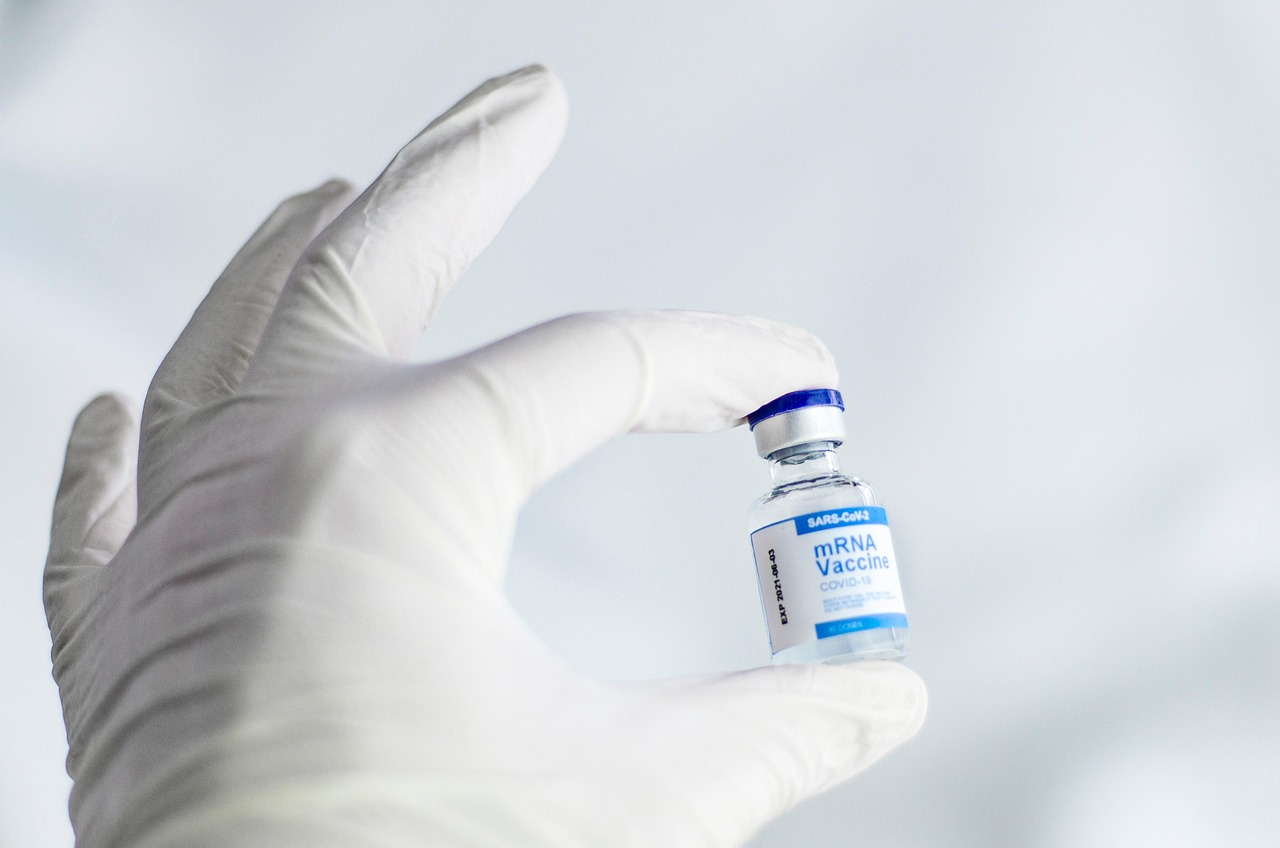
Vaccination Strategies and Immunology in Poultry Health
The foundation of modern poultry production relies heavily on the precise application of immunological principles and strategic vaccination protocols. For professionals enrolled in the Certified Specialist Programme in Poultry Health in Ireland, a deep understanding of these concepts is not merely academic but essential for maintaining flock health, ensuring food safety, and optimizing economic returns. This comprehensive explanation explores the key terms and vocabulary associated with vaccination strategies and immunology, providing a detailed resource for self-paced study and knowledge retention. The immune system of the poultry species is complex, involving multiple layers of defense mechanisms that must be understood to manipulate them effectively through vaccination.
Innate Immunity represents the first line of defense against pathogens. It is non-specific, meaning it responds to a wide range of invaders in a similar manner. This system includes physical barriers such as the skin and mucous membranes, as well as chemical barriers like lysozymes in tears and saliva. In poultry, the integrity of the skin and the health of the respiratory and gastrointestinal tracts are critical components of innate immunity. When these barriers are compromised, the risk of infection increases significantly. Cells such as macrophages and neutrophils are key players in this system, engulfing and destroying foreign particles through a process known as phagocytosis. Understanding innate immunity is crucial because it sets the stage for the development of adaptive immunity, which is more specific and long-lasting.
Adaptive Immunity, also known as acquired immunity, is the second line of defense and is characterized by its specificity and memory. This system takes longer to activate than innate immunity but provides a more targeted response to specific pathogens. Adaptive immunity involves two main types of cells: B lymphocytes and T lymphocytes. B cells are responsible for producing antibodies, which are proteins that recognize and bind to specific antigens. T cells, on the other hand, play a role in cell-mediated immunity, helping to destroy infected cells and regulate the immune response. The development of adaptive immunity is the primary goal of vaccination, as it allows the bird to recognize and respond quickly to future exposures to the same pathogen.
Antigens are substances that trigger an immune response. They can be proteins, polysaccharides, or other molecules found on the surface of pathogens such as bacteria, viruses, or parasites. In the context of vaccination, antigens are the active components of the vaccine that stimulate the immune system. The specificity of the immune response is determined by the structure of the antigen. For example, a vaccine containing antigens from the Newcastle disease virus will stimulate the production of antibodies specific to that virus. Understanding the nature of antigens is essential for selecting the appropriate vaccine for a given disease.
Antibodies, also known as immunoglobulins, are Y-shaped proteins produced by B cells in response to antigens. They bind to specific antigens, neutralizing them or marking them for destruction by other immune cells. There are several classes of antibodies, each with distinct functions. In poultry, IgY is the most abundant antibody in serum and plays a major role in systemic immunity. IgA is found in mucosal secretions and provides protection at the surfaces of the respiratory and gastrointestinal tracts. IgM is the first antibody produced in response to an infection and is effective at agglutinating pathogens. Understanding the different classes of antibodies and their roles is important for interpreting vaccine efficacy and monitoring flock health.
Humoral Immunity refers to the aspect of immunity that is mediated by macromolecules found in extracellular fluids such as secreted antibodies. This type of immunity is particularly important for protecting against extracellular pathogens, such as many bacteria and viruses. Vaccines that stimulate humoral immunity aim to produce high levels of circulating antibodies that can neutralize pathogens before they cause disease. The effectiveness of humoral immunity can be measured by serological tests that detect the presence and level of specific antibodies in the blood.
Cell-Mediated Immunity involves the activation of immune cells, particularly T cells, to destroy infected cells or regulate the immune response. This type of immunity is crucial for protecting against intracellular pathogens, such as certain viruses and bacteria that can survive inside host cells. Vaccines that stimulate cell-mediated immunity may not always result in high levels of circulating antibodies but can still provide effective protection by enhancing the ability of the immune system to eliminate infected cells. Understanding the balance between humoral and cell-mediated immunity is important for designing effective vaccination strategies.
Active Immunity is acquired when the body produces its own antibodies and memory cells in response to exposure to an antigen. This can occur naturally through infection or artificially through vaccination. Active immunity provides long-lasting protection because the immune system retains a memory of the pathogen. Vaccination is a form of active immunity because it stimulates the immune system to produce a response without causing the disease. The duration of active immunity varies depending on the pathogen and the vaccine used. Some vaccines provide lifelong protection, while others require booster doses to maintain immunity.
Passive Immunity is acquired when antibodies are transferred from one individual to another, rather than being produced by the recipient's own immune system. This can occur naturally, such as when a chick receives antibodies from its mother through the egg yolk, or artificially, such as through the administration of hyperimmune serum. Passive immunity provides immediate but short-term protection because the transferred antibodies are eventually degraded and not replaced. In poultry, maternal antibodies play a crucial role in protecting young chicks during the first few weeks of life. However, high levels of maternal antibodies can interfere with the effectiveness of early vaccinations, a phenomenon known as maternal antibody interference.
Maternal Antibodies are antibodies transferred from the hen to the chick via the egg yolk. These antibodies provide passive immunity to the chick during the early stages of life, protecting it against pathogens to which the hen was exposed or vaccinated. The level of maternal antibodies in the chick depends on the immune status of the hen. High levels of maternal antibodies can protect the chick but can also interfere with the chick's ability to respond to its own vaccinations. Therefore, understanding the dynamics of maternal antibodies is essential for timing vaccinations appropriately.
Maternal Antibody Interference occurs when high levels of maternal antibodies in a chick prevent the chick's immune system from responding to a vaccine. This happens because the maternal antibodies bind to the vaccine antigens, neutralizing them before the chick's immune system can recognize them. This interference can result in poor vaccine take and increased susceptibility to disease. To minimize maternal antibody interference, vaccines are often administered when maternal antibody levels have declined to a certain threshold. Serological monitoring can help determine the optimal timing for vaccination.
Vaccine is a biological preparation that provides active acquired immunity to a particular infectious disease. Vaccines typically contain an agent that resembles a disease-causing microorganism and is often made from weakened or killed forms of the microbe, its toxins, or one of its surface proteins. The agent stimulates the body's immune system to recognize the agent as a threat, destroy it, and remember it, so that the immune system can more easily recognize and destroy any of these microorganisms that it later encounters. The development of effective vaccines is a critical component of poultry health management.
Live Attenuated Vaccines contain weakened forms of the pathogen that can still replicate in the host but do not cause disease. These vaccines stimulate both humoral and cell-mediated immunity and often provide long-lasting protection. Because they replicate, they can spread from bird to bird, providing a degree of herd immunity. However, there is a small risk of reversion to virulence, where the weakened pathogen mutates back to a disease-causing form. Live attenuated vaccines are commonly used for diseases such as Newcastle disease and infectious bronchitis.
Inactivated Vaccines, also known as killed vaccines, contain pathogens that have been killed or inactivated so they cannot replicate. These vaccines primarily stimulate humoral immunity and are generally safer than live vaccines because there is no risk of reversion to virulence. However, they often require adjuvants to enhance the immune response and may require multiple doses to achieve adequate protection. Inactivated vaccines are commonly used for diseases such as avian influenza and Marek's disease.
Subunit Vaccines contain only specific pieces of the pathogen, such as proteins or polysaccharides, rather than the whole organism. These vaccines are highly specific and safe, as they do not contain any live or whole pathogen components. However, they may require adjuvants and booster doses to ensure adequate immunity. Subunit vaccines are increasingly being developed for various poultry diseases due to their safety profile and specificity.
Vector Vaccines use a harmless virus or bacterium as a vector to deliver antigens from a pathogenic organism into the host. The vector replicates in the host, expressing the antigen and stimulating an immune response. This approach allows for the delivery of multiple antigens and can stimulate both humoral and cell-mediated immunity. Vector vaccines are an emerging technology in poultry vaccination, offering potential advantages in terms of safety and efficacy.
Adjuvants are substances added to vaccines to enhance the immune response. They work by stimulating the innate immune system, which in turn enhances the adaptive immune response. Adjuvants are particularly important for inactivated and subunit vaccines, which may not be sufficiently immunogenic on their own. Common adjuvants used in poultry vaccines include oil emulsions and aluminum salts. The choice of adjuvent can affect the route of administration, the duration of immunity, and the side effects of the vaccine.
Route of Administration refers to the method by which a vaccine is delivered to the bird. Different routes stimulate different parts of the immune system and may have different efficacy profiles. Common routes of administration in poultry include drinking water, drinker line, spray, eye drop, wing web, subcutaneous injection, and intramuscular injection. The choice of route depends on the type of vaccine, the age of the bird, and the disease being targeted. For example, live vaccines for respiratory diseases are often administered via spray or eye drop to stimulate mucosal immunity, while inactivated vaccines for systemic diseases are often administered via injection.
Drinking Water Vaccination involves adding the vaccine to the drinking water of the flock. This method is convenient for large flocks but requires careful management to ensure that all birds receive an adequate dose. Factors such as water quality, pH, and the presence of chlorine can affect vaccine stability and efficacy. Pre-vaccination fasting may be required to ensure that birds drink enough water to receive the correct dose.
Spray Vaccination involves misting the vaccine over the flock. This method is effective for stimulating mucosal immunity in the respiratory tract and is commonly used for live vaccines against respiratory diseases. The particle size of the spray and the density of the flock can affect the uniformity of vaccine distribution.
Eye Drop Vaccination involves placing a drop of vaccine directly into the eye of each bird. This method ensures that each bird receives a precise dose and is often used for live vaccines in young chicks. It is labor-intensive but provides high efficacy.
Wing Web Vaccination involves injecting the vaccine into the web of the wing. This method is commonly used for Marek's disease vaccines in day-old chicks. It is quick and efficient for large numbers of birds.
Subcutaneous Injection involves injecting the vaccine into the skin. This route is often used for inactivated vaccines and provides a strong systemic immune response. It requires more labor than drinking water or spray methods but ensures accurate dosing.
Intramuscular Injection involves injecting the vaccine into a muscle. This route is less common in poultry but may be used for certain vaccines. It provides a rapid absorption of the vaccine.
Prime-Boost Strategy is a vaccination approach where an initial vaccination (prime) is followed by one or more booster doses. The prime dose stimulates the initial immune response, while the booster doses enhance and prolong the immunity. This strategy is often used with inactivated vaccines to achieve high levels of protective antibodies. The timing and interval between prime and boost doses are critical for optimal efficacy.
Mass Vaccination involves vaccinating an entire flock or population at once. This method is efficient for large flocks but may not ensure that every individual receives an adequate dose. It is commonly used for live vaccines administered via drinking water or spray.
Individual Vaccination involves vaccinating each bird individually. This method ensures accurate dosing and is often used for inactivated vaccines or when maternal antibody interference is a concern. It is more labor-intensive than mass vaccination but provides more consistent immunity.
Immunity Monitoring involves regularly testing the flock to assess the level of protection against specific diseases. This can be done through serological tests that measure antibody levels or through challenge tests that expose birds to the pathogen. Immunity monitoring helps to identify gaps in protection and adjust vaccination strategies accordingly. Regular monitoring is essential for maintaining flock health and preventing outbreaks.
Serology is the study of serum and other body fluids, particularly with regard to the immune response. In poultry health, serology is used to detect and quantify antibodies against specific pathogens. Common serological tests include ELISA (Enzyme-Linked Immunosorbent Assay) and HI (Hemagglutination Inhibition) tests. These tests provide valuable information about the immune status of the flock and help to evaluate the effectiveness of vaccination programs.
ELISA is a sensitive and specific test used to detect antibodies or antigens in serum. It involves the use of enzymes to produce a color change that can be measured quantitatively. ELISA is widely used in poultry health for monitoring immunity to diseases such as Newcastle disease, infectious bronchitis, and avian influenza.
HI Test is a test used to measure antibodies against viruses that cause hemagglutination, such as influenza viruses and Newcastle disease virus. The test involves mixing serum with the virus and red blood cells and observing whether hemagglutination is inhibited by the antibodies in the serum. The HI titer indicates the level of immunity.
Challenge Test is a method of assessing vaccine efficacy by exposing vaccinated birds to a virulent strain of the pathogen. This test provides direct evidence of protection but is ethically and practically challenging. It is rarely used in commercial settings but may be used in research or regulatory contexts.
Vaccine Storage is critical for maintaining vaccine potency. Most vaccines require cold chain management, meaning they must be stored and transported at specific temperatures. Deviations from the recommended temperature range can reduce vaccine efficacy. Proper storage practices include using validated refrigerators, monitoring temperatures regularly, and avoiding freeze-thaw cycles for vaccines that are sensitive to freezing.
Cold Chain refers to the temperature-controlled supply chain required to keep vaccines within the recommended temperature range from manufacture to administration. Breaking the cold chain can render vaccines ineffective. In Ireland, where climate conditions can vary, maintaining the cold chain is particularly important to ensure vaccine quality.
Shelf Life is the period during which a vaccine remains potent and effective when stored under recommended conditions. Using vaccines beyond their shelf life can result in poor immune responses. It is essential to check expiration dates before administering vaccines.
Vaccine Potency refers to the ability of a vaccine to induce an immune response. Potency is determined by the manufacturer through standardized testing. However, potency can be affected by storage conditions, handling, and administration practices. Ensuring high vaccine potency is essential for achieving effective protection.
Vaccine Strain refers to the specific variant of the pathogen used in the vaccine. Different strains may have different antigenic properties, affecting the cross-protection provided by the vaccine. It is important to select a vaccine strain that is antigenically similar to the field strains circulating in the region. In Ireland, monitoring the epidemiology of poultry diseases helps in selecting appropriate vaccine strains.
Antigenic Drift is the gradual accumulation of mutations in the genes of a virus, leading to changes in its surface proteins. This can result in the virus evading the immune response generated by previous infections or vaccinations. Antigenic drift is a common phenomenon in influenza viruses and requires regular updates to vaccine strains.
Antigenic Shift is a sudden, major change in the antigens of a virus, often resulting from the reassortment of gene segments between different virus strains. This can lead to the emergence of new subtypes that are not recognized by the existing immune system. Antigenic shift is a less common but more significant event than antigenic drift and can cause pandemics.
Herd Immunity occurs when a sufficient proportion of a population is immune to a disease, thereby providing indirect protection to those who are not immune. This is achieved through vaccination and natural infection. In poultry, herd immunity is particularly important for controlling the spread of contagious diseases. High vaccination coverage is necessary to achieve herd immunity.
Breakthrough Infection occurs when a vaccinated bird becomes infected with the disease despite vaccination. This can happen if the vaccine does not provide complete protection, if the vaccine strain is mismatched with the field strain, or if the bird has a compromised immune system. Breakthrough infections may be milder than those in unvaccinated birds but can still cause economic losses.
Vaccine Failure refers to the inability of a vaccine to provide adequate protection. This can be due to various factors, including poor vaccine quality, improper storage, incorrect administration, maternal antibody interference, or immune suppression. Investigating vaccine failure is essential to identify and correct the underlying causes.
Immune Suppression is a condition where the immune system is weakened, reducing its ability to fight infections. This can be caused by diseases such as infectious bursal disease, stress, poor nutrition, or mycotoxins. Immune suppression can lead to poor vaccine response and increased susceptibility to disease. Managing factors that contribute to immune suppression is critical for maintaining flock health.
Stress is a physiological response to adverse environmental conditions, such as overcrowding, temperature extremes, or handling. Stress can suppress the immune system and reduce vaccine efficacy. Minimizing stress through good management practices is essential for optimizing vaccination outcomes.
Mycoptoxins are toxic compounds produced by molds that can contaminate feed. Mycotoxins can suppress the immune system and damage organs, leading to poor growth and increased susceptibility to disease. Monitoring and controlling mycotoxin levels in feed is important for maintaining flock health and vaccine response.
Good Manufacturing Practices (GMP) are standards for the production and quality assurance of vaccines. GMP ensures that vaccines are consistently produced and controlled according to quality standards. Using vaccines from reputable manufacturers that adhere to GMP is essential for ensuring vaccine safety and efficacy.
Regulatory Compliance involves adhering to local and international regulations regarding the use of vaccines. In Ireland, the use of poultry vaccines is regulated by the Department of Agriculture, Food and the Marine and other relevant bodies. Compliance with regulations ensures the safety of the food supply and the welfare of the animals.
Record Keeping is essential for tracking vaccination schedules, monitoring flock health, and ensuring regulatory compliance. Accurate records should include details of the vaccine used, the date of administration, the route of administration, and any adverse reactions. Good record keeping facilitates the identification of trends and the evaluation of vaccination programs.
Adverse Reactions are unintended effects resulting from vaccination. These can range from mild, such as temporary lethargy, to severe, such as anaphylaxis or death. Monitoring for adverse reactions is important for ensuring animal welfare and adjusting vaccination protocols if necessary. Most adverse reactions are rare when vaccines are used correctly.
Antigenic Variation refers to the ability of pathogens to change their surface proteins to evade the immune system. This variation can reduce the effectiveness of vaccines over time. Understanding antigenic variation helps in the development of new vaccines and the selection of appropriate vaccine strains.
Cross-Protection occurs when immunity to one strain of a pathogen provides protection against other related strains. The level of cross-protection depends on the similarity between the vaccine strain and the field strain. Evaluating cross-protection is important for selecting vaccines that provide broad protection.
Field Strains are the variants of pathogens circulating in the poultry population. Monitoring field strains helps in understanding the epidemiology of diseases and selecting appropriate vaccine strains. In Ireland, surveillance programs track the prevalence and characteristics of field strains to guide vaccination strategies.
Epidemiology is the study of the distribution and determinants of health-related states or events in specified populations. In poultry health, epidemiology helps in understanding the spread of diseases and the effectiveness of control measures, including vaccination. Epidemiological data informs the development of vaccination strategies and biosecurity protocols.
Biosecurity refers to measures taken to prevent the introduction and spread of diseases. Vaccination is a key component of biosecurity but must be complemented by other measures, such as hygiene, isolation, and pest control. Effective biosecurity reduces the pressure on the immune system and enhances the effectiveness of vaccination.
Hygiene practices, such as cleaning and disinfection, are essential for reducing the load of pathogens in the environment. Good hygiene complements vaccination by reducing the risk of exposure to disease. In Ireland, strict hygiene protocols are implemented in poultry houses to maintain flock health.
Isolation involves separating sick or newly introduced birds from the rest of the flock to prevent the spread of disease. Isolation is an important biosecurity measure that works in conjunction with vaccination to control outbreaks.
Pest Control involves managing rodents and insects that can carry and spread pathogens. Effective pest control reduces the risk of disease transmission and supports the overall health of the flock. Integrated pest management strategies are recommended for sustainable control.
Welfare considerations are integral to poultry health management. Vaccination contributes to welfare by preventing disease and reducing suffering. Ensuring that vaccination procedures are humane and minimize stress is important for maintaining high welfare standards. In Ireland, animal welfare legislation requires the use of best practices in poultry management.
Sustainability in poultry production involves balancing economic, environmental, and social factors. Vaccination contributes to sustainability by reducing the need for antibiotics and improving feed efficiency. Sustainable vaccination practices include using vaccines responsibly and minimizing waste.
Antibiotic Stewardship refers to the responsible use of antibiotics to preserve their efficacy. Vaccination reduces the incidence of disease and the need for antibiotic treatment, supporting antibiotic stewardship. Promoting vaccination is a key strategy for reducing antibiotic use in poultry production.
Food Safety is ensured by preventing the contamination of poultry products with pathogens. Vaccination reduces the presence of pathogens in the birds, contributing to food safety. In Ireland, strict food safety regulations govern the use of vaccines and the handling of poultry products.
Consumer Confidence is maintained by ensuring the safety and quality of poultry products. Effective vaccination programs contribute to consumer confidence by demonstrating a commitment to animal health and food safety. Transparency in vaccination practices is important for maintaining trust.
Economic Impact of vaccination includes the costs of vaccines and administration versus the benefits of reduced mortality, improved growth, and lower treatment costs. A cost-benefit analysis helps in optimizing vaccination strategies. In Ireland, the economic viability of poultry production depends on effective disease control through vaccination.
Research and Development in poultry immunology and vaccination continues to advance our understanding of disease mechanisms and improve vaccine technologies. Staying informed about new developments is important for implementing best practices. Collaboration between industry, academia, and regulatory bodies drives innovation in poultry health.
Education and Training for poultry health professionals ensure that vaccination strategies are implemented correctly. Continuous learning and professional development are essential for maintaining high standards of care. The Certified Specialist Programme in Poultry Health provides the knowledge and skills needed for effective poultry management.
Self-Reflection on vaccination practices allows professionals to identify areas for improvement and adapt to changing circumstances. Regular review of vaccination protocols and outcomes helps in optimizing flock health. Engaging in self-reflection is a key component of professional growth.
Knowledge Checks can be used to assess understanding of key concepts and identify gaps in knowledge. Regular self-assessment helps in reinforcing learning and ensuring competence. Utilizing knowledge checks is a valuable tool for self-paced study.
Reading Materials provide detailed information on immunology and vaccination strategies. Engaging with high-quality reading materials enhances understanding and supports decision-making. Access to reliable sources of information is essential for professional practice.
Case Studies illustrate the application of vaccination strategies in real-world scenarios. Analyzing case studies helps in developing problem-solving skills and understanding the complexities of poultry health. Reviewing case studies is a useful method for learning.
Best Practices are guidelines for achieving optimal outcomes in poultry health management. Adhering to best practices ensures consistency and quality in vaccination programs. Implementing best practices is a commitment to excellence in poultry health.
Challenges in vaccination include managing maternal antibodies, ensuring cold chain integrity, and dealing with antigenic variation. Addressing these challenges requires careful planning and execution. Recognizing and overcoming challenges is part of effective management.
Opportunities for improvement in vaccination strategies arise from new technologies and scientific discoveries. Embracing innovation can enhance the effectiveness of vaccination programs. Staying open to new opportunities is important for progress.
Collaboration among stakeholders, including veterinarians, farmers, and researchers, is essential for advancing poultry health. Sharing knowledge and resources strengthens the industry. Collaborative efforts lead to better outcomes for all.
Communication of vaccination strategies to all members of the production team ensures consistent implementation. Clear and accurate communication is vital for success. Effective communication supports teamwork and accountability.
Documentation of vaccination activities provides a record for review and audit. Proper documentation supports regulatory compliance and continuous improvement. Maintaining accurate records is a professional responsibility.
Review of vaccination programs allows for adjustments based on performance data. Regular review ensures that strategies remain relevant and effective. Continuous review is a hallmark of professional practice.
Adaptation to changing conditions, such as new disease strains or regulatory requirements, is necessary for sustained success. Flexibility and responsiveness are key attributes of effective management. Adapting to change ensures resilience.
Innovation in vaccine delivery and formulation offers new possibilities for improving poultry health. Exploring innovative solutions can lead to significant advancements. Embracing innovation drives progress.
Leadership in poultry health involves guiding teams and making informed decisions. Strong leadership ensures that vaccination strategies are implemented effectively. Leadership is essential for achieving goals.
Integrity in poultry health practice requires honesty and ethical behavior. Upholding integrity builds trust and credibility. Ethical practice is fundamental to professionalism.
Accountability for vaccination outcomes involves taking responsibility for decisions and actions. Accountability ensures that standards are met. Being accountable fosters trust and reliability.
Professionalism in poultry health encompasses knowledge, skills, and ethical conduct. Demonstrating professionalism enhances reputation and success. Professionalism is a core value.
Commitment to poultry health involves dedication to improving flock welfare and productivity. Commitment drives continuous improvement. Dedication is essential for excellence.
Passion for poultry health motivates professionals to pursue knowledge and excellence. Passion fuels engagement and innovation. Passion is a driving force.
Curiosity encourages exploration of new ideas and solutions. Curiosity leads to discovery and growth. Being curious promotes learning.
Critical Thinking is essential for evaluating information and making sound decisions. Critical thinking supports problem-solving and analysis. Developing critical thinking skills is important.
Decision Making involves choosing the best course of action based on available information. Effective decision making requires analysis and judgment. Good decisions lead to positive outcomes.
Problem Solving addresses challenges in poultry health management. Systematic problem solving improves efficiency and effectiveness. Solving problems is a key skill.
Analysis of data helps in understanding trends and patterns. Analysis supports evidence-based decision making. Analytical skills are valuable.
Synthesis of information from various sources creates a comprehensive understanding. Synthesis enhances insight and perspective. Integrating information is important.
Evaluation of outcomes determines the success of vaccination strategies. Evaluation informs future actions. Assessing results is crucial.
Planning for vaccination involves setting objectives and defining steps. Effective planning ensures organized implementation. Planning is foundational.
Execution of vaccination plans requires attention to detail and coordination. Successful execution achieves desired results. Carrying out plans is essential.
Monitoring of vaccination progress allows for timely adjustments. Monitoring ensures adherence to protocols. Keeping track is important.
Feedback from stakeholders provides insights for improvement. Feedback supports continuous learning. Listening to feedback is valuable.
Improvement of vaccination strategies enhances flock health. Continuous improvement is a goal. Striving for better outcomes is key.
Excellence in poultry health is achieved through dedication and skill. Pursuing excellence leads to success. Aiming for excellence is rewarding.
Success in poultry health is measured by flock performance and welfare. Achieving success requires effort and expertise. Celebrating success is motivating.
Future Directions in poultry immunology include novel vaccine technologies and personalized medicine. Exploring future directions prepares for tomorrow. Looking ahead is strategic.
Global Perspective on poultry health recognizes the interconnectedness of disease control. A global perspective informs local actions. Understanding global trends is important.
Local Context in Ireland influences vaccination strategies. Adapting to local conditions ensures relevance. Considering local factors is practical.
Regional Differences in disease prevalence and regulations require tailored approaches. Recognizing regional differences improves effectiveness. Adapting to regions is necessary.
International Standards provide a framework for poultry health management. Adhering to standards ensures quality. Following standards is beneficial.
Best Available Science guides vaccination decisions. Relying on science ensures evidence-based practice. Using science is rational.
Evidence-Based Practice involves applying scientific evidence to decision making. Evidence-based practice improves outcomes. Practicing with evidence is smart.
Scientific Literacy is essential for understanding immunology and vaccination. Developing scientific literacy enhances competence. Learning science is empowering.
Technical Skills in vaccine administration are crucial for efficacy. Mastering technical skills ensures proper delivery. Honing skills is important.
Soft Skills such as communication and teamwork support vaccination programs. Developing soft skills enhances collaboration. Building skills is valuable.
Interdisciplinary Approach combines knowledge from various fields. An interdisciplinary approach provides comprehensive solutions. Integrating disciplines is effective.
Systems Thinking views poultry health as a complex system. Systems thinking helps in understanding interactions. Thinking in systems is holistic.
Complexity in poultry health requires nuanced understanding. Acknowledging complexity prevents oversimplification. Navigating complexity is challenging.
Uncertainty in disease dynamics requires flexible strategies. Managing uncertainty involves preparedness. Dealing with uncertainty is necessary.
Risk Management involves identifying and mitigating risks. Effective risk management protects flocks. Managing risks is prudent.
Resilience in poultry systems allows recovery from disruptions. Building resilience ensures sustainability. Developing resilience is wise.
Sustainability of poultry production depends on health management. Sustainable practices ensure long-term viability. Practicing sustainability is responsible.
Responsibility for animal welfare is a core ethical principle. Fulfilling responsibility enhances trust. Being responsible is right.
Ethics in poultry health guide professional conduct. Ethical conduct maintains integrity. Acting ethically is essential.
Values such as compassion and integrity shape practice. Upholding values guides decisions. Living values is meaningful.
Beliefs about animal health influence actions. Aligning beliefs with science ensures consistency. Holding beliefs is personal.
Attitudes towards vaccination affect implementation. Positive attitudes support success. Cultivating attitudes is helpful.
Motivation drives engagement in poultry health. High motivation leads to better outcomes. Staying motivated is key.
Engagement with the profession fosters growth. Active engagement builds community. Engaging is beneficial.
Community of poultry health professionals supports learning. Community provides resources and support. Being part of a community is enriching.
Networking connects professionals for collaboration. Networking expands opportunities. Connecting is useful.
Mentorship provides guidance and support. Mentorship accelerates learning. Seeking mentorship is wise.
Learning is a continuous process in poultry health. Lifelong learning ensures competence. Learning always is vital.
Growth in knowledge and skills enhances practice. Personal growth leads to professional success. Growing is important.
Development of expertise requires time and effort. Developing expertise builds credibility. Developing is rewarding.
Mastery of immunology and vaccination is achievable. Mastery leads to excellence. Achieving mastery is fulfilling.
Confidence in practice comes from knowledge and experience. Confidence improves performance. Building confidence is good.
Competence in poultry health is essential for success. Demonstrating competence earns trust. Being competent is necessary.
Proficiency in vaccination techniques ensures efficacy. Proficiency reduces errors. Becoming proficient is important.
Accuracy in vaccine administration is critical. Accuracy maximizes benefits. Being accurate is crucial.
Precision in dosing and timing optimizes outcomes. Precision enhances results. Being precise is valuable.
Consistency in vaccination protocols ensures reliability. Consistency builds trust. Being consistent is reliable.
Reliability of vaccination programs depends on execution. Reliable programs protect flocks. Being reliable is key.
Dependability in poultry health management is expected. Dependability ensures stability. Being dependable is important.
Trust in vaccination strategies is built through results. Trust supports adoption. Earning trust is essential.
Credibility of professionals is enhanced by expertise. Credibility influences decisions. Building credibility is valuable.
Reputation in the industry is based on performance. Good reputation opens doors. Maintaining reputation is important.
Recognition for contributions to poultry health is rewarding. Recognition motivates excellence. Seeking recognition is natural.
Achievement in poultry health is a source of pride. Achievements reflect effort. Celebrating achievements is good.
Satisfaction from helping flocks is profound. Satisfaction drives passion. Feeling satisfied is rewarding.
Purpose in poultry health gives meaning to work. Purpose guides actions. Having purpose is meaningful.
Meaning in professional life is found in contribution. Meaning enhances well-being. Finding meaning is important.
Well-being of professionals supports performance. Well-being is essential. Maintaining well-being is crucial.
Balance between work and life is important. Balance prevents burnout. Achieving balance is wise.
Health of professionals is foundational. Health enables performance. Prioritizing health is smart.
Safety in the workplace is paramount. Safety protects everyone. Ensuring safety is necessary.
Security of data and information is important. Security prevents breaches. Maintaining security is responsible.
Privacy of client information is respected. Privacy builds trust. Respecting privacy is ethical.
Confidentiality in professional practice is required. Confidentiality protects clients. Maintaining confidentiality is essential.
Integrity in all aspects of practice is non-negotiable. Integrity defines character. Upholding integrity is vital.
Honesty in reporting and communication is expected. Honesty builds trust. Being honest is right.
Transparency in operations fosters trust. Transparency supports accountability. Being transparent is good.
Openness to feedback and change is valuable. Openness promotes growth. Being open is helpful.
Flexibility in approach allows adaptation. Flexibility enhances resilience. Being flexible is wise.
Adaptability to new challenges is essential. Adaptability ensures survival. Being adaptable is important.
Resilience in the face of adversity is key. Resilience enables recovery. Building resilience is crucial.
Perseverance in overcoming obstacles leads to success. Perseverance demonstrates commitment. Being perseverant is strong.
Determination to achieve goals drives action. Determination fuels progress. Being determined is powerful.
Focus on priorities ensures efficiency. Focus improves productivity. Maintaining focus is important.
Discipline in practice ensures consistency. Discipline builds habits. Practicing discipline is beneficial.
Dedication to excellence is a hallmark of professionals. Dedication inspires others. Being dedicated is admirable.
Passion for the field sustains engagement. Passion drives innovation. Having passion is motivating.
Enthusiasm for learning enhances growth. Enthusiasm spreads positivity. Showing enthusiasm is good.
Curiosity about new developments keeps knowledge current. Curiosity fuels learning. Being curious is smart.
Inquisitiveness leads to deeper understanding. Inquisitiveness solves problems. Being inquisitive is valuable.
Key takeaways
- This comprehensive explanation explores the key terms and vocabulary associated with vaccination strategies and immunology, providing a detailed resource for self-paced study and knowledge retention.
- Cells such as macrophages and neutrophils are key players in this system, engulfing and destroying foreign particles through a process known as phagocytosis.
- The development of adaptive immunity is the primary goal of vaccination, as it allows the bird to recognize and respond quickly to future exposures to the same pathogen.
- For example, a vaccine containing antigens from the Newcastle disease virus will stimulate the production of antibodies specific to that virus.
- Understanding the different classes of antibodies and their roles is important for interpreting vaccine efficacy and monitoring flock health.
- Humoral Immunity refers to the aspect of immunity that is mediated by macromolecules found in extracellular fluids such as secreted antibodies.
- Vaccines that stimulate cell-mediated immunity may not always result in high levels of circulating antibodies but can still provide effective protection by enhancing the ability of the immune system to eliminate infected cells.