
Nuclear Fuel Cycle Management
Nuclear Fuel Cycle Management involves the careful handling and processing of nuclear fuel throughout its lifecycle. This process includes mining and milling of uranium, fuel fabrication, reactor operation, spent fuel management, and ultima…
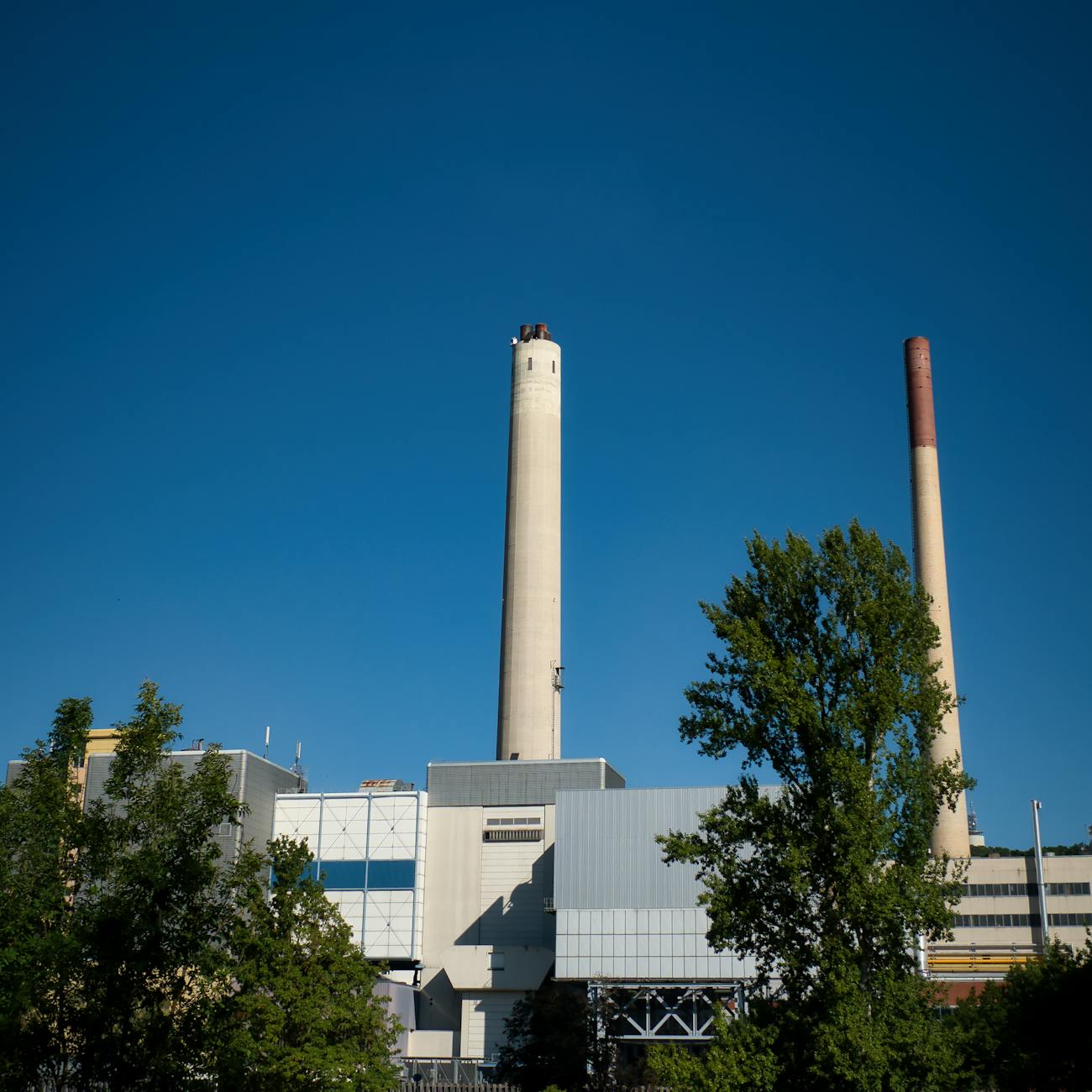
Nuclear Fuel Cycle Management involves the careful handling and processing of nuclear fuel throughout its lifecycle. This process includes mining and milling of uranium, fuel fabrication, reactor operation, spent fuel management, and ultimately, disposal of radioactive waste. Understanding key terms and vocabulary in Nuclear Fuel Cycle Management is crucial for professionals in the nuclear industry to ensure safe and efficient operations. Let's explore some of these key terms in detail:
1. **Nuclear Fuel**: Nuclear fuel is a material that can be used in a nuclear reactor to produce energy through nuclear fission. The most common nuclear fuel is enriched uranium, which is processed into fuel pellets that are loaded into fuel rods for use in reactors.
2. **Enriched Uranium**: Enriched uranium is uranium that has been processed to increase the concentration of the isotope uranium-235. This isotope is the one predominantly used in nuclear reactors as it is the only naturally occurring isotope that is fissile, meaning it can sustain a nuclear chain reaction.
3. **Fuel Assembly**: A fuel assembly is a group of fuel rods bundled together in a specific arrangement to provide a controlled nuclear reaction in a reactor core. These assemblies are designed to efficiently generate heat while maintaining the integrity of the fuel.
4. **Fuel Rod**: A fuel rod is a long, slender tube containing nuclear fuel pellets that undergo fission reactions to produce heat in a nuclear reactor. These rods are the primary component of a nuclear fuel assembly and are carefully designed to withstand high temperatures and radiation levels.
5. **Spent Fuel**: Spent fuel, also known as irradiated fuel, is nuclear fuel that has been used in a reactor and can no longer sustain a chain reaction. This fuel is highly radioactive and thermally hot, requiring careful handling and management to prevent environmental contamination.
6. **Reprocessing**: Reprocessing is the chemical separation of usable materials from spent nuclear fuel to recover valuable isotopes like plutonium and uranium for reuse in new fuel assemblies. This process helps reduce the volume of radioactive waste and optimize the use of nuclear resources.
7. **Radioactive Waste**: Radioactive waste is any material that contains radioactive elements and requires special handling and disposal due to its potential to harm living organisms. This waste can come from various stages of the nuclear fuel cycle, including spent fuel, reprocessing byproducts, and decommissioned reactor components.
8. **Decommissioning**: Decommissioning is the process of safely shutting down a nuclear reactor at the end of its operational life and removing it from service. This process involves decontamination, dismantling, and disposal of radioactive materials to ensure the site is safe for future use.
9. **Waste Disposal**: Waste disposal refers to the final stage of the nuclear fuel cycle, where radioactive waste is securely stored or disposed of in a geologically stable repository. This process aims to isolate the waste from the environment and human populations to prevent exposure to harmful radiation.
10. **Nuclear Regulatory Commission (NRC)**: The Nuclear Regulatory Commission is the federal agency responsible for regulating the civilian use of nuclear materials in the United States. The NRC sets safety standards, issues licenses, and conducts inspections to ensure compliance with nuclear regulations.
11. **Criticality**: Criticality is a state in which a nuclear reactor sustains a self-sustaining chain reaction, producing a controlled release of energy. Maintaining criticality is essential for power generation, while preventing criticality accidents is crucial to avoid uncontrolled reactions.
12. **Fuel Cycle Cost**: Fuel cycle cost is the total expense associated with all stages of the nuclear fuel cycle, including mining, enrichment, fabrication, operation, reprocessing, and waste management. Managing fuel cycle costs is essential for optimizing the economic viability of nuclear power generation.
13. **Safeguards**: Safeguards are measures implemented to prevent the proliferation of nuclear materials and technologies for illicit purposes, such as weapons production. These measures include physical security, material accountancy, and international inspections to ensure compliance with non-proliferation agreements.
14. **Breeder Reactor**: A breeder reactor is a type of nuclear reactor that produces more fissile material (such as plutonium) than it consumes, effectively "breeding" fuel for future use. Breeder reactors have the potential to significantly increase the efficiency and sustainability of nuclear energy.
15. **Dry Cask Storage**: Dry cask storage is a method of safely storing spent nuclear fuel in robust containers designed to withstand harsh environmental conditions. This storage option provides an interim solution for long-term storage of spent fuel until a permanent disposal site is available.
16. **Nuclear Proliferation**: Nuclear proliferation refers to the spread of nuclear weapons and technology to additional countries or non-state actors. Preventing nuclear proliferation is a key concern in international security to maintain global stability and prevent the misuse of nuclear materials.
17. **Nuclear Fuel Lease**: A nuclear fuel lease is an agreement in which a country or entity obtains nuclear fuel from a supplier for a specified period, typically for use in nuclear reactors. This arrangement allows for the efficient use of fuel resources and can provide economic benefits for both parties.
18. **Spent Fuel Pool**: A spent fuel pool is a large pool of water used to store recently discharged spent fuel assemblies from a nuclear reactor. These pools provide cooling and shielding for the highly radioactive fuel until it can be transferred to dry cask storage or reprocessing facilities.
19. **Fast Reactor**: A fast reactor is a type of nuclear reactor that uses fast neutrons to sustain a chain reaction, allowing for efficient transmutation of nuclear waste and breeding of new fuel. Fast reactors have the potential to improve the sustainability and resource utilization of nuclear power.
20. **Hot Cell**: A hot cell is a shielded containment chamber used for handling highly radioactive materials, such as spent fuel elements or radioactive waste. These cells provide a safe environment for remote operations and manipulations to protect workers from harmful radiation exposure.
21. **Nuclear Reprocessing Plant**: A nuclear reprocessing plant is a facility designed to chemically separate and recover usable materials from spent nuclear fuel. These plants play a crucial role in closing the nuclear fuel cycle by recycling valuable isotopes and reducing the volume of long-lived radioactive waste.
22. **Spent Fuel Reprocessing**: Spent fuel reprocessing is the process of extracting reusable materials, such as uranium and plutonium, from spent nuclear fuel for reuse in new fuel assemblies. This recycling method aims to maximize the energy potential of nuclear fuel and reduce the environmental impact of radioactive waste.
23. **Fuel Cycle Sustainability**: Fuel cycle sustainability refers to the ability of a nuclear fuel cycle to meet current energy needs without compromising the ability of future generations to meet their own needs. Sustainable fuel cycles optimize resource utilization, minimize waste generation, and enhance safety and security measures.
24. **Nuclear Fuel Supply Chain**: The nuclear fuel supply chain encompasses all stages of the nuclear fuel cycle, from uranium mining and enrichment to fuel fabrication, reactor operation, spent fuel management, and waste disposal. Managing the supply chain effectively is essential for ensuring the reliability and security of nuclear fuel sources.
25. **Nuclear Fuel Testing**: Nuclear fuel testing involves evaluating the performance and integrity of fuel assemblies under simulated reactor conditions. These tests help identify potential issues, such as fuel rod degradation or cladding failures, to ensure safe and efficient operation of nuclear reactors.
26. **Nuclear Fuel Cycle Analysis**: Nuclear fuel cycle analysis is the process of evaluating the economic, environmental, and social impacts of different fuel cycle options to optimize resource utilization and minimize risks. This analysis considers factors such as fuel costs, waste management strategies, and regulatory requirements to inform decision-making in the nuclear industry.
27. **Nuclear Fuel Cycle Security**: Nuclear fuel cycle security encompasses measures to protect nuclear facilities, materials, and technologies from unauthorized access, theft, sabotage, or terrorism. Enhancing security in the fuel cycle is crucial for maintaining public confidence in nuclear energy and preventing potential threats to national security.
28. **Nuclear Fuel Cycle Integration**: Nuclear fuel cycle integration involves optimizing the interactions between different stages of the fuel cycle to enhance overall efficiency and sustainability. This approach considers factors such as material flows, energy balances, and waste streams to identify synergies and minimize environmental impacts.
29. **Nuclear Fuel Cycle Flexibility**: Nuclear fuel cycle flexibility refers to the ability of a fuel cycle to adapt to changing market conditions, regulatory requirements, and technological advancements. Flexible fuel cycles can accommodate shifts in energy demand, fuel availability, and waste management strategies to ensure long-term viability.
30. **Nuclear Fuel Cycle Innovation**: Nuclear fuel cycle innovation involves developing new technologies, processes, and materials to improve the safety, efficiency, and sustainability of nuclear energy. Innovations in fuel fabrication, reprocessing, waste treatment, and reactor design can enhance the overall performance of the fuel cycle.
31. **Nuclear Fuel Cycle Research**: Nuclear fuel cycle research focuses on advancing scientific knowledge and technical capabilities related to nuclear fuel materials, processes, and systems. This research aims to address key challenges in the fuel cycle, such as improving fuel efficiency, reducing waste volumes, and enhancing safety and security measures.
32. **Nuclear Fuel Cycle Regulation**: Nuclear fuel cycle regulation involves establishing and enforcing legal frameworks, standards, and guidelines to ensure the safe and secure operation of nuclear facilities and activities. Regulatory oversight is critical for protecting public health, safety, and the environment in the nuclear industry.
33. **Nuclear Fuel Cycle Training**: Nuclear fuel cycle training provides education and professional development opportunities for individuals working in the nuclear industry to enhance their knowledge and skills in fuel cycle management. Training programs cover a wide range of topics, including reactor operation, fuel handling, waste management, and regulatory compliance.
34. **Nuclear Fuel Cycle Challenges**: The nuclear fuel cycle faces various challenges, including concerns about safety, proliferation risks, waste disposal, public acceptance, and economic viability. Addressing these challenges requires collaboration among industry stakeholders, policymakers, regulators, and the public to develop sustainable solutions for the future of nuclear energy.
35. **Nuclear Fuel Cycle Opportunities**: Despite the challenges, the nuclear fuel cycle presents opportunities for advancing clean, reliable, and sustainable energy production. Opportunities include developing advanced reactor technologies, improving fuel recycling methods, enhancing safety and security measures, and expanding international cooperation in nuclear fuel management.
In conclusion, mastering the key terms and vocabulary in Nuclear Fuel Cycle Management is essential for professionals in the nuclear industry to navigate the complex challenges and opportunities in the field. By understanding these concepts and their practical applications, individuals can contribute to the safe, efficient, and sustainable operation of nuclear facilities and the responsible management of nuclear materials throughout their lifecycle.
Key takeaways
- Understanding key terms and vocabulary in Nuclear Fuel Cycle Management is crucial for professionals in the nuclear industry to ensure safe and efficient operations.
- The most common nuclear fuel is enriched uranium, which is processed into fuel pellets that are loaded into fuel rods for use in reactors.
- This isotope is the one predominantly used in nuclear reactors as it is the only naturally occurring isotope that is fissile, meaning it can sustain a nuclear chain reaction.
- **Fuel Assembly**: A fuel assembly is a group of fuel rods bundled together in a specific arrangement to provide a controlled nuclear reaction in a reactor core.
- **Fuel Rod**: A fuel rod is a long, slender tube containing nuclear fuel pellets that undergo fission reactions to produce heat in a nuclear reactor.
- **Spent Fuel**: Spent fuel, also known as irradiated fuel, is nuclear fuel that has been used in a reactor and can no longer sustain a chain reaction.
- **Reprocessing**: Reprocessing is the chemical separation of usable materials from spent nuclear fuel to recover valuable isotopes like plutonium and uranium for reuse in new fuel assemblies.