
Nuclear Policy and Regulation
Nuclear Policy and Regulation:
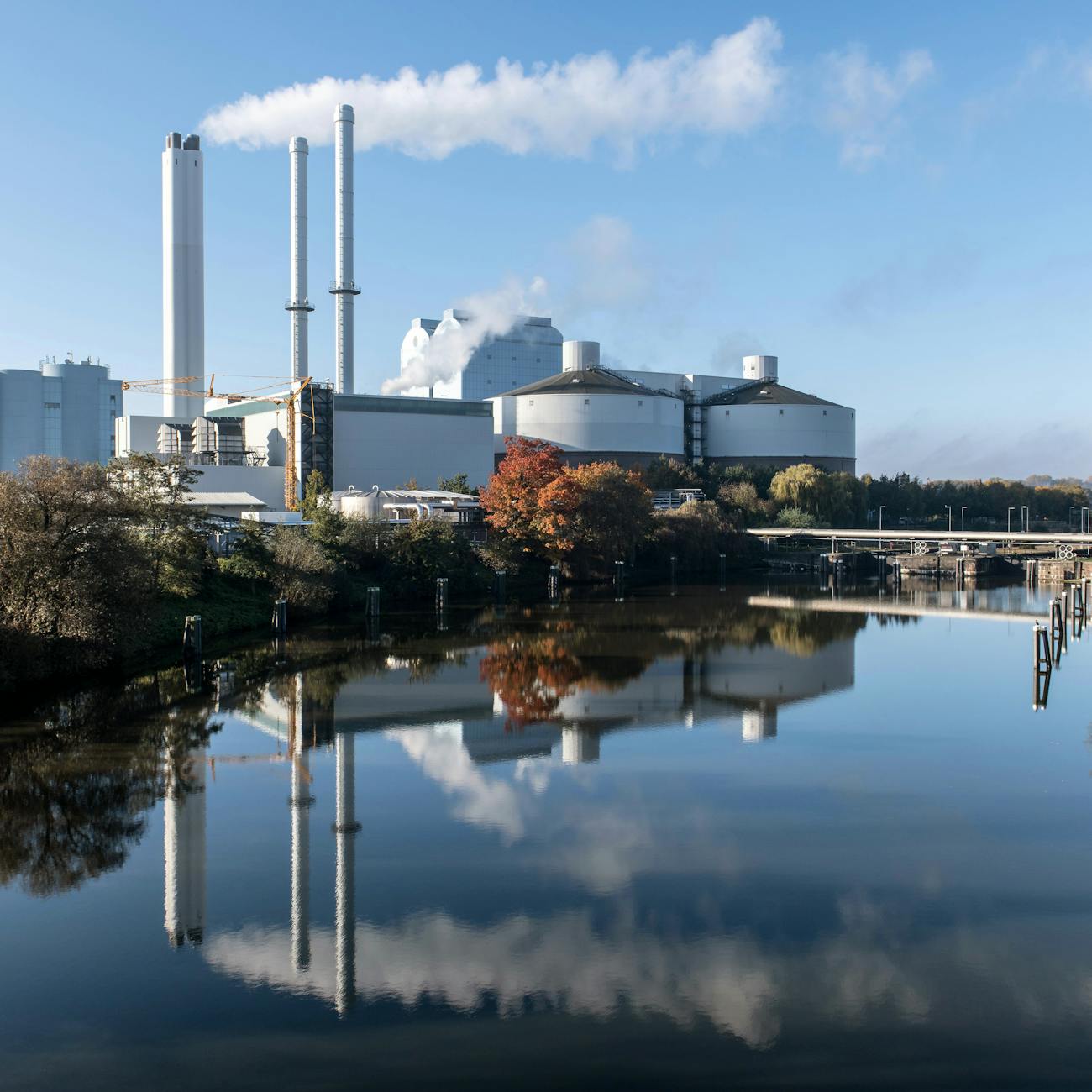
Nuclear Policy and Regulation:
Nuclear policy and regulation are crucial components of the nuclear industry, ensuring the safe and secure operation of nuclear facilities while balancing economic, environmental, and social considerations. This field encompasses a wide range of laws, regulations, guidelines, and international agreements that govern the development, operation, and decommissioning of nuclear facilities, as well as the handling and disposal of radioactive materials. In this explanation, we will delve into key terms and vocabulary related to nuclear policy and regulation to provide a comprehensive understanding of this complex and important aspect of the nuclear industry.
Nuclear Energy:
Nuclear energy is the energy released during nuclear fission or fusion, where atomic nuclei are split or combined to produce heat, which is then converted into electricity. Nuclear power plants use this process to generate electricity on a large scale, providing a significant portion of the world's electricity supply. The use of nuclear energy is subject to strict regulations and policies to ensure safety, security, and environmental protection.
Nuclear Fission:
Nuclear fission is the process of splitting the nucleus of an atom into smaller parts, releasing a large amount of energy in the form of heat and radiation. This process is used in nuclear reactors to generate electricity by heating water to produce steam, which drives turbines connected to generators. The most common fuel for nuclear fission is uranium-235, which undergoes fission when bombarded with neutrons.
Nuclear Fusion:
Nuclear fusion is the process of combining the nuclei of two atoms to form a heavier nucleus, releasing a large amount of energy in the process. Fusion is the process that powers the sun and other stars and has the potential to provide a virtually limitless source of clean energy on Earth. However, achieving controlled fusion reactions on Earth remains a significant technical challenge.
Nuclear Reactor:
A nuclear reactor is a device that initiates and controls nuclear reactions, either fission or fusion, to generate heat for electricity production. Reactors contain fuel rods, moderator materials, control rods, and coolant systems to regulate the nuclear reactions and ensure safety. There are several types of nuclear reactors, including pressurized water reactors (PWRs), boiling water reactors (BWRs), and advanced reactors such as fast reactors and molten salt reactors.
Radioactive Waste:
Radioactive waste is material that contains radioactive elements and poses a risk to human health and the environment. This waste is produced during the operation and decommissioning of nuclear facilities, as well as in medical, industrial, and research applications. Radioactive waste must be safely managed and disposed of to prevent contamination and exposure to radiation.
Nuclear Safety:
Nuclear safety refers to the measures and practices implemented to prevent accidents, protect workers and the public from radiation exposure, and ensure the safe operation of nuclear facilities. Safety standards for nuclear facilities are established by regulatory authorities and international organizations to minimize risks and maintain a high level of safety in the nuclear industry.
Nuclear Security:
Nuclear security involves measures to prevent the theft, sabotage, or unauthorized access to nuclear materials, facilities, and technologies. Nuclear security aims to protect against the misuse of nuclear materials for illicit purposes, such as nuclear terrorism or the development of nuclear weapons. Security measures include physical protection, cybersecurity, and safeguards against insider threats.
Nuclear Nonproliferation:
Nuclear nonproliferation is the effort to prevent the spread of nuclear weapons and related technologies to additional states or non-state actors. Nonproliferation measures include arms control agreements, export controls, safeguards, and verification mechanisms to ensure compliance with international commitments and prevent the proliferation of nuclear weapons.
Nuclear Safeguards:
Nuclear safeguards are measures implemented to verify that nuclear materials are not diverted for unauthorized purposes, such as the development of nuclear weapons. Safeguards include inspections, monitoring, and verification activities carried out by international organizations, such as the International Atomic Energy Agency (IAEA), to ensure the peaceful use of nuclear energy and prevent proliferation.
Nuclear Liability:
Nuclear liability refers to the legal and financial responsibility of nuclear operators for damages caused by nuclear accidents or incidents. Liability regimes vary by country but generally require operators to maintain insurance or financial guarantees to cover potential liabilities resulting from nuclear incidents. International conventions, such as the Paris Convention and the Vienna Convention, establish principles of nuclear liability and compensation for victims of nuclear accidents.
Nuclear Decommissioning:
Nuclear decommissioning is the process of shutting down and dismantling nuclear facilities at the end of their operational life. Decommissioning involves the removal of radioactive materials, decontamination of equipment and structures, and the safe disposal of radioactive waste. Decommissioning plans are subject to regulatory approval and oversight to ensure that facilities are decommissioned safely and in compliance with environmental and safety standards.
Nuclear Regulation:
Nuclear regulation is the system of laws, regulations, guidelines, and oversight mechanisms that govern the development, operation, and decommissioning of nuclear facilities. Regulatory authorities, such as the Nuclear Regulatory Commission (NRC) in the United States or the Nuclear Safety Authority (ASN) in France, are responsible for licensing, inspection, and enforcement activities to ensure that nuclear facilities comply with safety, security, and environmental requirements.
Nuclear Licensing:
Nuclear licensing is the process by which regulatory authorities grant permission for the construction, operation, and decommissioning of nuclear facilities. Licensing requirements include safety assessments, environmental impact evaluations, financial guarantees, and public consultations to ensure that proposed projects meet regulatory standards and pose minimal risks to the public and the environment.
Nuclear Inspection:
Nuclear inspection involves the monitoring and evaluation of nuclear facilities to verify compliance with regulatory requirements and safety standards. Inspections may be conducted by regulatory authorities, international organizations, or independent experts to assess the safety, security, and environmental performance of nuclear facilities. Inspection findings are used to identify areas for improvement and ensure that facilities operate safely and securely.
Nuclear Emergency Preparedness:
Nuclear emergency preparedness is the planning, training, and coordination of response activities to mitigate the consequences of nuclear accidents or incidents. Emergency preparedness measures include early warning systems, evacuation plans, radiation monitoring, and communication strategies to protect the public and respond effectively to nuclear emergencies. Regulatory authorities and emergency response organizations work together to ensure readiness for potential nuclear incidents.
Nuclear Waste Management:
Nuclear waste management is the process of handling, storing, and disposing of radioactive waste generated by nuclear facilities and other sources. Waste management practices include waste characterization, packaging, transportation, storage, and disposal in engineered facilities designed to contain radioactive materials safely. Long-term solutions for nuclear waste management, such as deep geological repositories, are under development to ensure the safe and secure disposal of radioactive waste.
Nuclear Emergency Response:
Nuclear emergency response is the coordinated effort to address and mitigate the consequences of nuclear accidents or incidents. Emergency response teams, including first responders, medical personnel, and regulatory authorities, work together to assess the situation, protect the public, and implement measures to limit the release of radiation. Effective emergency response requires planning, training, and communication to ensure a timely and coordinated response to nuclear emergencies.
Nuclear Liability Regime:
A nuclear liability regime is a legal framework that establishes the liability of nuclear operators for damages resulting from nuclear accidents or incidents. Liability regimes define the financial responsibility of operators, the limits of liability, and the mechanisms for compensating victims of nuclear incidents. International conventions, such as the Convention on Supplementary Compensation for Nuclear Damage (CSC), provide a framework for harmonizing nuclear liability regimes and ensuring adequate compensation for nuclear accident victims.
Nuclear Security Culture:
Nuclear security culture refers to the values, attitudes, behaviors, and practices that promote a strong security culture within nuclear organizations. A robust security culture fosters a commitment to security, awareness of security risks, and a proactive approach to security measures to prevent unauthorized access, theft, or sabotage of nuclear materials and facilities. Training, communication, and leadership are essential components of building a positive security culture in the nuclear industry.
Nuclear Export Controls:
Nuclear export controls are regulations that govern the transfer of nuclear materials, equipment, and technologies between countries to prevent the proliferation of nuclear weapons. Export control regimes, such as the Nuclear Suppliers Group (NSG) and the Zangger Committee, establish guidelines and criteria for the export of sensitive nuclear items to ensure that they are used for peaceful purposes and do not contribute to nuclear proliferation. Export controls play a critical role in preventing the spread of nuclear weapons technology and materials.
Nuclear Security Measures:
Nuclear security measures are physical, technical, and organizational measures implemented to protect nuclear materials, facilities, and technologies from theft, sabotage, or unauthorized access. Security measures include access controls, perimeter security, intrusion detection systems, cybersecurity, and personnel screening to prevent and detect security threats. A comprehensive security program combines multiple layers of security measures to ensure the protection of nuclear assets against a range of security risks.
Nuclear Liability Insurance:
Nuclear liability insurance is a type of insurance policy that nuclear operators are required to maintain to cover potential liabilities resulting from nuclear accidents or incidents. Liability insurance provides financial protection for operators against claims for damages, cleanup costs, and compensation for victims of nuclear incidents. Insurance coverage is typically subject to limits and conditions specified by national laws and international conventions on nuclear liability.
Nuclear Fuel Cycle:
The nuclear fuel cycle is the series of steps involved in the production of nuclear fuel, its use in nuclear reactors, and the management of spent fuel and radioactive waste. The fuel cycle includes mining and milling of uranium ore, conversion to uranium hexafluoride, enrichment to increase the concentration of uranium-235, fuel fabrication, reactor operation, spent fuel storage, reprocessing, and waste disposal. Each stage of the fuel cycle is subject to regulatory oversight to ensure safety, security, and environmental protection.
Nuclear Emergency Exercise:
A nuclear emergency exercise is a simulated scenario designed to test and evaluate the readiness and effectiveness of emergency response plans and procedures for nuclear incidents. Exercises involve multiple stakeholders, such as nuclear operators, regulatory authorities, emergency responders, and government agencies, working together to simulate a nuclear emergency and practice response actions. Emergency exercises help identify strengths and weaknesses in emergency preparedness and improve response capabilities for real-life nuclear emergencies.
Nuclear Safety Culture:
Nuclear safety culture refers to the values, attitudes, behaviors, and organizational practices that prioritize safety in nuclear operations. A strong safety culture promotes a commitment to safety, open communication, shared responsibility for safety, and a focus on continuous improvement to prevent accidents and incidents. Safety culture assessments, training programs, and leadership engagement are essential for building and maintaining a positive safety culture in the nuclear industry.
Nuclear Waste Disposal:
Nuclear waste disposal is the final stage of the nuclear fuel cycle, where radioactive waste is permanently isolated from the environment to prevent exposure to radiation. Disposal methods include deep geological repositories, where waste is stored in stable rock formations deep underground, and near-surface disposal facilities, where waste is encapsulated and placed in engineered structures on the surface. Long-term monitoring and surveillance are essential to ensure the safety and security of nuclear waste disposal sites.
Nuclear Security Assessment:
A nuclear security assessment is an evaluation of the security vulnerabilities, threats, and risks associated with nuclear facilities and materials. Security assessments identify potential security gaps, weaknesses in security systems, and areas for improvement to enhance the protection of nuclear assets against security threats. Security assessments may be conducted by regulatory authorities, independent experts, or international organizations to ensure compliance with security standards and best practices.
Nuclear Incident Response:
Nuclear incident response is the coordinated effort to address and manage the consequences of a nuclear incident, such as a reactor malfunction, radioactive release, or security breach. Incident response teams mobilize to assess the situation, contain the incident, protect the public, and mitigate the consequences of the event. Effective incident response requires rapid decision-making, communication, and coordination among stakeholders to ensure a prompt and effective response to nuclear incidents.
Nuclear Safeguards Agreement:
A nuclear safeguards agreement is a legal instrument between a country and the International Atomic Energy Agency (IAEA) that establishes safeguards measures to verify the peaceful use of nuclear materials and facilities. Safeguards agreements allow the IAEA to inspect and monitor nuclear activities in member states to ensure compliance with nonproliferation commitments and prevent the diversion of nuclear materials for weapons purposes. Safeguards agreements are a key tool for promoting transparency and confidence in the peaceful use of nuclear energy.
Nuclear Security Training:
Nuclear security training is the education and instruction provided to personnel working in nuclear facilities to enhance their awareness, knowledge, and skills in security practices. Security training covers topics such as threat awareness, access control, response procedures, and emergency preparedness to prepare staff to identify and respond to security risks effectively. Training programs are tailored to the specific security requirements of nuclear facilities and are essential for building a strong security culture and ensuring the protection of nuclear assets.
Nuclear Emergency Notification:
Nuclear emergency notification is the process of alerting and informing relevant stakeholders, such as regulatory authorities, emergency responders, and the public, about a nuclear incident or emergency. Notification procedures include activating alarms, communicating emergency messages, and providing timely and accurate information to facilitate a coordinated response to the event. Effective emergency notification systems are critical for ensuring the timely and effective management of nuclear emergencies and protecting public safety.
Nuclear Safety Assessment:
A nuclear safety assessment is an evaluation of the safety performance, risks, and vulnerabilities of nuclear facilities and operations. Safety assessments analyze the design, operation, maintenance, and management of nuclear facilities to identify potential safety hazards, assess safety systems and procedures, and recommend improvements to enhance safety performance. Safety assessments are conducted regularly by regulatory authorities and independent experts to ensure that nuclear facilities meet safety standards and protect workers and the public from radiation hazards.
Nuclear Waste Reprocessing:
Nuclear waste reprocessing is a chemical process that separates and recovers usable materials from spent nuclear fuel for reuse in nuclear reactors. Reprocessing extracts valuable elements, such as plutonium and uranium, from spent fuel to reduce the volume of radioactive waste and recover energy resources. Reprocessing facilities are subject to stringent regulations and safeguards to prevent the proliferation of nuclear materials and ensure the safe handling and storage of radioactive materials.
Nuclear Security Plan:
A nuclear security plan is a comprehensive document that outlines the security policies, procedures, and controls implemented to protect nuclear assets against security threats. Security plans include risk assessments, security measures, response protocols, and contingency plans to prevent and respond to security incidents. Security plans are developed in accordance with regulatory requirements and best practices to ensure the effective protection of nuclear facilities, materials, and technologies.
Nuclear Waste Transport:
Nuclear waste transport is the movement of radioactive waste from nuclear facilities to storage or disposal sites using specialized transport containers and vehicles. Waste transport procedures include packaging, labeling, tracking, and monitoring of radioactive materials to ensure their safe and secure transportation. Transport regulations set safety standards for the handling and transport of radioactive waste to protect the public and the environment from radiation exposure during transit.
Nuclear Security Audit:
A nuclear security audit is a systematic review and evaluation of security measures, practices, and procedures implemented in nuclear facilities to assess compliance with security requirements and identify areas for improvement. Security audits are conducted by regulatory authorities, independent auditors, or internal security teams to verify the effectiveness of security controls, detect security vulnerabilities, and ensure the continuous enhancement of security programs. Audit findings are used to strengthen security measures and enhance the protection of nuclear assets against security risks.
Nuclear Safety Management:
Nuclear safety management is the systematic approach to ensuring the safe operation of nuclear facilities through the implementation of safety policies, procedures, and controls. Safety management systems define safety responsibilities, establish safety goals, assess safety risks, and monitor safety performance to prevent accidents and protect workers and the public from radiation hazards. Safety management processes include safety assessments, safety training, safety culture promotion, and continuous improvement to maintain a high level of safety in the nuclear industry.
Nuclear Waste Disposal Facility:
A nuclear waste disposal facility is a engineered structure designed to permanently isolate radioactive waste from the environment to prevent exposure to radiation. Disposal facilities include deep geological repositories, near-surface disposal sites, and interim storage facilities where radioactive waste is stored and managed in accordance with safety and environmental standards. Disposal facilities are subject to regulatory oversight to ensure that waste is stored safely and securely for long periods to come.
Nuclear Security Incident:
A nuclear security incident is an event that poses a threat to the security of nuclear materials, facilities, or technologies, such as unauthorized access, theft, sabotage, or terrorist attack. Security incidents require an immediate response to assess the situation, contain the threat, and prevent harm to people or the environment. Incident response protocols, emergency procedures, and security measures are activated to manage security incidents effectively and protect nuclear assets against security threats.
Nuclear Safety Culture Assessment:
A nuclear safety culture assessment is an evaluation of the safety values, behaviors, and practices within a nuclear organization to assess its commitment to safety and identify areas for improvement. Safety culture assessments involve surveys, interviews, observations, and performance reviews to measure the effectiveness of safety programs, communication, and leadership in promoting safety. Assessment findings are used to develop action plans, training programs, and initiatives to strengthen safety culture and enhance safety performance in nuclear facilities.
Nuclear Waste Classification:
Nuclear waste classification is the categorization of radioactive waste based on its properties, hazards, and disposal requirements. Waste classification systems define waste types, levels of radioactivity, physical forms, and containment requirements to determine appropriate handling, storage, and disposal methods. Waste classification helps ensure that radioactive waste is managed safely and effectively according to its potential risks and environmental impact.
Nuclear Security Training Program:
A nuclear security training program is a structured curriculum that provides education and instruction to personnel working in nuclear facilities to enhance their security awareness, knowledge, and skills. Security training programs cover topics such as threat assessment, access control, response procedures, and emergency preparedness to prepare staff to identify and respond to security risks effectively. Training programs are tailored to the specific security requirements of nuclear facilities and are essential for building a strong security culture and ensuring the protection of nuclear assets.
Nuclear Emergency Response Plan:
A nuclear emergency response plan is a detailed document that outlines the procedures, roles, responsibilities, and resources required to respond to a nuclear incident or emergency. Emergency response plans include notification procedures, communication protocols, evacuation routes, medical response strategies, and coordination mechanisms to ensure a coordinated and effective response to nuclear emergencies. Response plans are tested through drills and exercises to evaluate their readiness and identify areas for improvement in emergency preparedness.
Nuclear Safety Culture Promotion:
Nuclear safety culture promotion is the effort to instill and reinforce safety values, attitudes, and behaviors within a nuclear organization to prioritize safety in all activities and decisions. Safety culture promotion involves leadership engagement, training programs, communication strategies, and recognition of safety achievements to create a positive safety culture that values safety above all else. Safety culture promotion is essential for building a strong safety culture and maintaining a high level of safety performance in nuclear facilities.
Nuclear Waste Management Plan:
A nuclear waste management plan is a comprehensive strategy that outlines the procedures, practices, and controls for handling,
Key takeaways
- In this explanation, we will delve into key terms and vocabulary related to nuclear policy and regulation to provide a comprehensive understanding of this complex and important aspect of the nuclear industry.
- Nuclear energy is the energy released during nuclear fission or fusion, where atomic nuclei are split or combined to produce heat, which is then converted into electricity.
- Nuclear fission is the process of splitting the nucleus of an atom into smaller parts, releasing a large amount of energy in the form of heat and radiation.
- Fusion is the process that powers the sun and other stars and has the potential to provide a virtually limitless source of clean energy on Earth.
- There are several types of nuclear reactors, including pressurized water reactors (PWRs), boiling water reactors (BWRs), and advanced reactors such as fast reactors and molten salt reactors.
- This waste is produced during the operation and decommissioning of nuclear facilities, as well as in medical, industrial, and research applications.
- Nuclear safety refers to the measures and practices implemented to prevent accidents, protect workers and the public from radiation exposure, and ensure the safe operation of nuclear facilities.