
Molecular Structure
Welcome to this episode of our podcast, brought to you by HealthCareStudies (An LSPM brand), or HCS for short. I'm your host, and I'm excited to dive into the fascinating world of Molecular Biology and Genetics, specifically exploring the u…
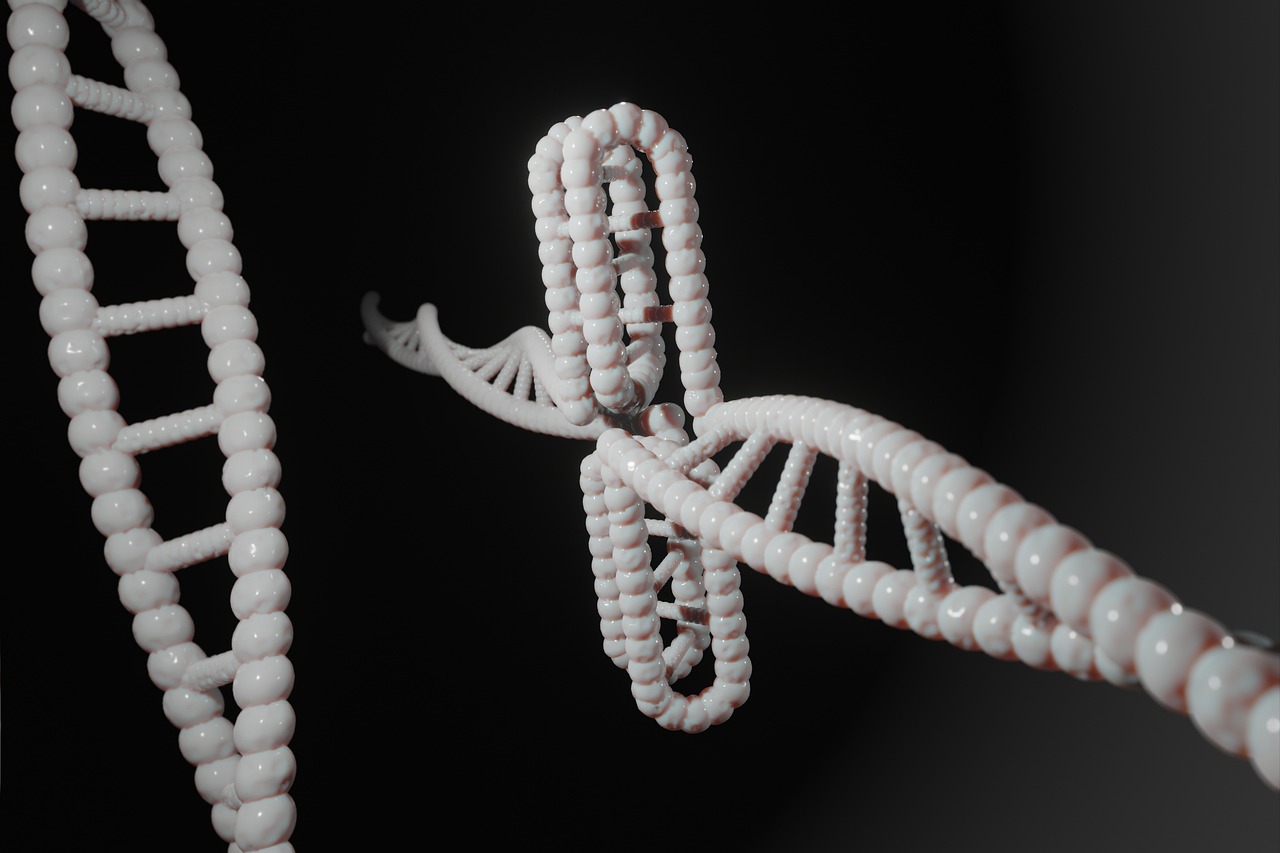
Photo from Pexels
Welcome to this episode of our podcast, brought to you by HealthCareStudies (An LSPM brand), or HCS for short. I'm your host, and I'm excited to dive into the fascinating world of Molecular Biology and Genetics, specifically exploring the unit of Molecular Structure. This topic is at the heart of understanding how life works, and its importance cannot be overstated. From the discovery of the double helix structure of DNA by James Watson and Francis Crick in 1953, to the current cutting-edge research in gene editing and synthetic biology, the study of molecular structure has come a long way.
Imagine being able to decipher the intricate code that makes up all living things, from the simplest bacteria to complex human beings. This code is written in the language of molecules, and understanding its structure is crucial for advancing our knowledge of biology, developing new medical treatments, and improving our daily lives. The relevance of molecular structure to our audience is profound, as it underlies many of the biological processes that occur within our bodies, from the way our cells respond to disease, to the way our genes influence our traits and behaviors.
As we delve into the world of molecular structure, it's essential to appreciate the historical context that has brought us to where we are today. The discovery of the DNA double helix, for instance, was a pivotal moment in the history of science, as it revealed the fundamental basis of life and paved the way for major advances in genetics, biotechnology, and medicine. This understanding has also led to the development of numerous practical applications, from genetic testing and counseling, to the creation of genetically modified crops and the development of targeted cancer therapies.
So, how can you apply the principles of molecular structure in your own life or work? One key strategy is to understand the concept of molecular recognition, which is the ability of molecules to interact with each other in specific ways. This concept is crucial in drug development, for example, where scientists design molecules that can bind to specific targets, such as proteins or receptors, to produce a desired therapeutic effect. Another example is in the field of forensic science, where molecular structure is used to analyze DNA evidence and solve crimes.
This understanding has also led to the development of numerous practical applications, from genetic testing and counseling, to the creation of genetically modified crops and the development of targeted cancer therapies.
However, when working with molecular structure, there are common pitfalls to avoid. One major challenge is the complexity of molecular interactions, which can be difficult to predict and model. To overcome this, researchers use computational tools and experimental techniques, such as X-ray crystallography and nuclear magnetic resonance spectroscopy, to determine the three-dimensional structure of molecules and understand how they interact with each other. Another pitfall is the potential for molecular instability, which can affect the efficacy and safety of drugs and other biological molecules. To address this, scientists use various strategies, such as chemical modification and formulation, to stabilize molecules and optimize their performance.
As we conclude this episode, I want to leave you with an inspiring message: the study of molecular structure is a journey of discovery that can lead to profound insights and innovations. By applying the principles of molecular structure, you can contribute to the advancement of biology, medicine, and technology, and make a positive impact on the world. So, I encourage you to continue exploring this fascinating topic, and to join us on this journey of growth and exploration. If you've enjoyed this episode, please subscribe to our podcast, share it with your friends and colleagues, and engage with us on social media. At HealthCareStudies (An LSPM brand), or HCS, we're committed to providing you with high-quality educational content, and we look forward to hearing your thoughts and feedback. Thanks for listening, and we'll see you in the next episode!
Key takeaways
- From the discovery of the double helix structure of DNA by James Watson and Francis Crick in 1953, to the current cutting-edge research in gene editing and synthetic biology, the study of molecular structure has come a long way.
- This code is written in the language of molecules, and understanding its structure is crucial for advancing our knowledge of biology, developing new medical treatments, and improving our daily lives.
- The discovery of the DNA double helix, for instance, was a pivotal moment in the history of science, as it revealed the fundamental basis of life and paved the way for major advances in genetics, biotechnology, and medicine.
- This concept is crucial in drug development, for example, where scientists design molecules that can bind to specific targets, such as proteins or receptors, to produce a desired therapeutic effect.
- To address this, scientists use various strategies, such as chemical modification and formulation, to stabilize molecules and optimize their performance.
- As we conclude this episode, I want to leave you with an inspiring message: the study of molecular structure is a journey of discovery that can lead to profound insights and innovations.