
Gene Expression
Welcome to this episode of our Molecular Biology and Genetics podcast, produced by HealthCareStudies (An LSPM brand), or HCS for short. Today, we're going to delve into the fascinating world of Gene Expression, a topic that has revolutioniz…
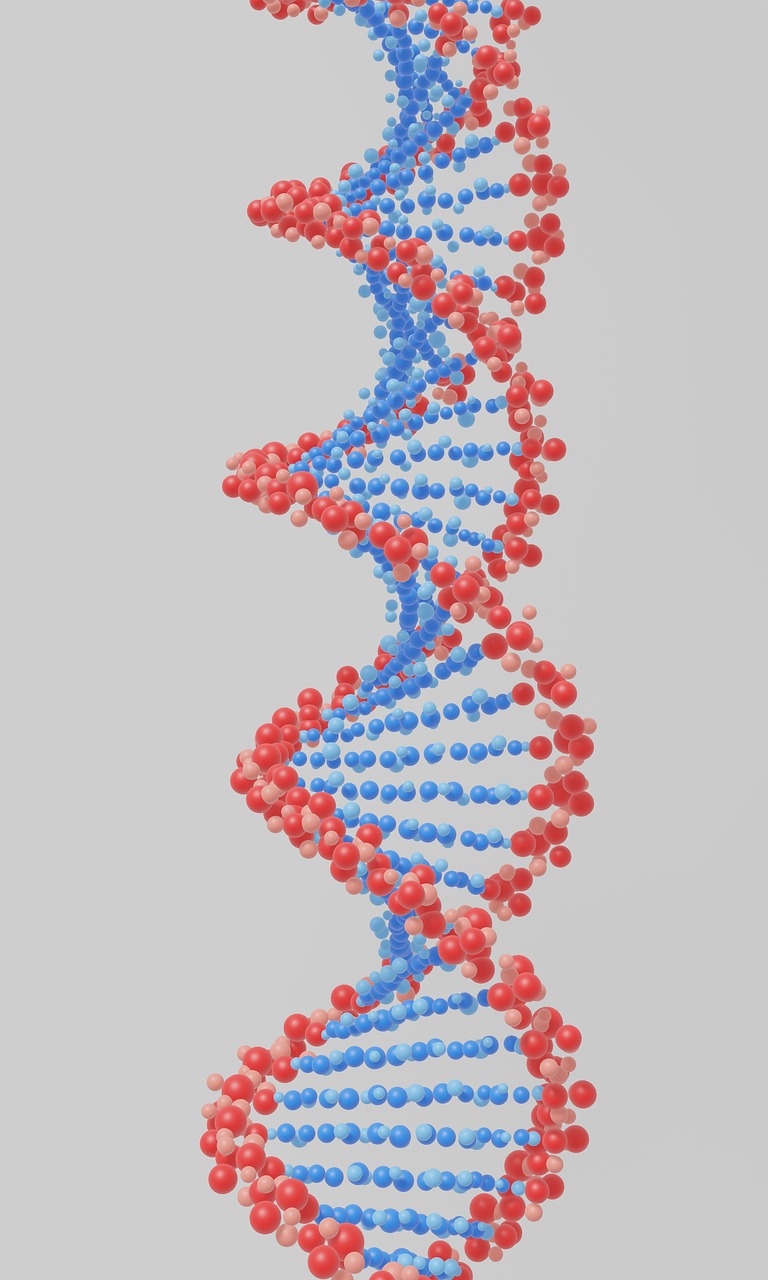
Photo from Pexels
Welcome to this episode of our Molecular Biology and Genetics podcast, produced by HealthCareStudies (An LSPM brand), or HCS for short. Today, we're going to delve into the fascinating world of Gene Expression, a topic that has revolutionized our understanding of how living organisms work. Gene Expression is the process by which the information encoded in our genes is converted into a functional product, such as a protein, that can affect the characteristics of an organism. This unit is crucial in understanding how our genes influence our traits, behaviors, and even our susceptibility to certain diseases.
To appreciate the significance of Gene Expression, let's take a step back in time. The discovery of the structure of DNA by James Watson and Francis Crick in 1953 marked the beginning of a new era in molecular biology. Since then, our understanding of genetics has grown exponentially, and we've made tremendous progress in deciphering the code of life. The study of Gene Expression has been at the forefront of this journey, enabling us to unravel the complex mechanisms that govern how genes are turned on or off, and how this affects the development, growth, and function of living organisms.
So, why is Gene Expression important to you? Well, understanding how genes are expressed can help us develop new treatments for genetic disorders, improve crop yields, and even create more effective personalized medicine. For instance, by studying how genes are expressed in cancer cells, researchers can identify potential targets for therapy, leading to more effective treatments and better patient outcomes. Similarly, in agriculture, understanding Gene Expression can help us develop crops that are more resilient to environmental stresses, such as drought or extreme temperatures, thereby ensuring global food security.
Now, let's talk about some practical applications of Gene Expression. One of the most exciting areas is in the field of gene editing, where scientists use tools like CRISPR to modify genes and control their expression. This technology has the potential to revolutionize the treatment of genetic diseases, such as sickle cell anemia or cystic fibrosis. Another area is in the development of genetic tests, which can help identify individuals who are at risk of certain diseases, allowing for early intervention and prevention.
Similarly, in agriculture, understanding Gene Expression can help us develop crops that are more resilient to environmental stresses, such as drought or extreme temperatures, thereby ensuring global food security.
However, when working with Gene Expression, there are some common pitfalls to avoid. One of the biggest challenges is understanding the complexity of gene regulation, which involves multiple layers of control, including transcriptional, post-transcriptional, and epigenetic regulation. To overcome this, it's essential to stay up-to-date with the latest research and technologies, and to collaborate with experts from diverse fields, including biology, chemistry, and computer science.
As we conclude this episode, I want to leave you with an inspiring message. The study of Gene Expression is a rapidly evolving field, full of exciting possibilities and challenges. By applying what you've learned today, you can contribute to the advancement of this field and make a positive impact on people's lives. So, I encourage you to continue your journey of growth and exploration, and to stay curious about the wonders of molecular biology and genetics.
If you've enjoyed this episode, please subscribe to our podcast, produced by HealthCareStudies (An LSPM brand), or HCS, and share it with your friends and colleagues. You can also engage with us on social media, using the hashtag #HCSpodcast, and join the conversation about the latest developments in molecular biology and genetics. Thank you for tuning in, and we look forward to joining you on the next episode of our podcast, as we explore more fascinating topics in the world of molecular biology and genetics.
Key takeaways
- Gene Expression is the process by which the information encoded in our genes is converted into a functional product, such as a protein, that can affect the characteristics of an organism.
- The discovery of the structure of DNA by James Watson and Francis Crick in 1953 marked the beginning of a new era in molecular biology.
- Similarly, in agriculture, understanding Gene Expression can help us develop crops that are more resilient to environmental stresses, such as drought or extreme temperatures, thereby ensuring global food security.
- Another area is in the development of genetic tests, which can help identify individuals who are at risk of certain diseases, allowing for early intervention and prevention.
- One of the biggest challenges is understanding the complexity of gene regulation, which involves multiple layers of control, including transcriptional, post-transcriptional, and epigenetic regulation.
- So, I encourage you to continue your journey of growth and exploration, and to stay curious about the wonders of molecular biology and genetics.
- Thank you for tuning in, and we look forward to joining you on the next episode of our podcast, as we explore more fascinating topics in the world of molecular biology and genetics.