Dry Dock Operations
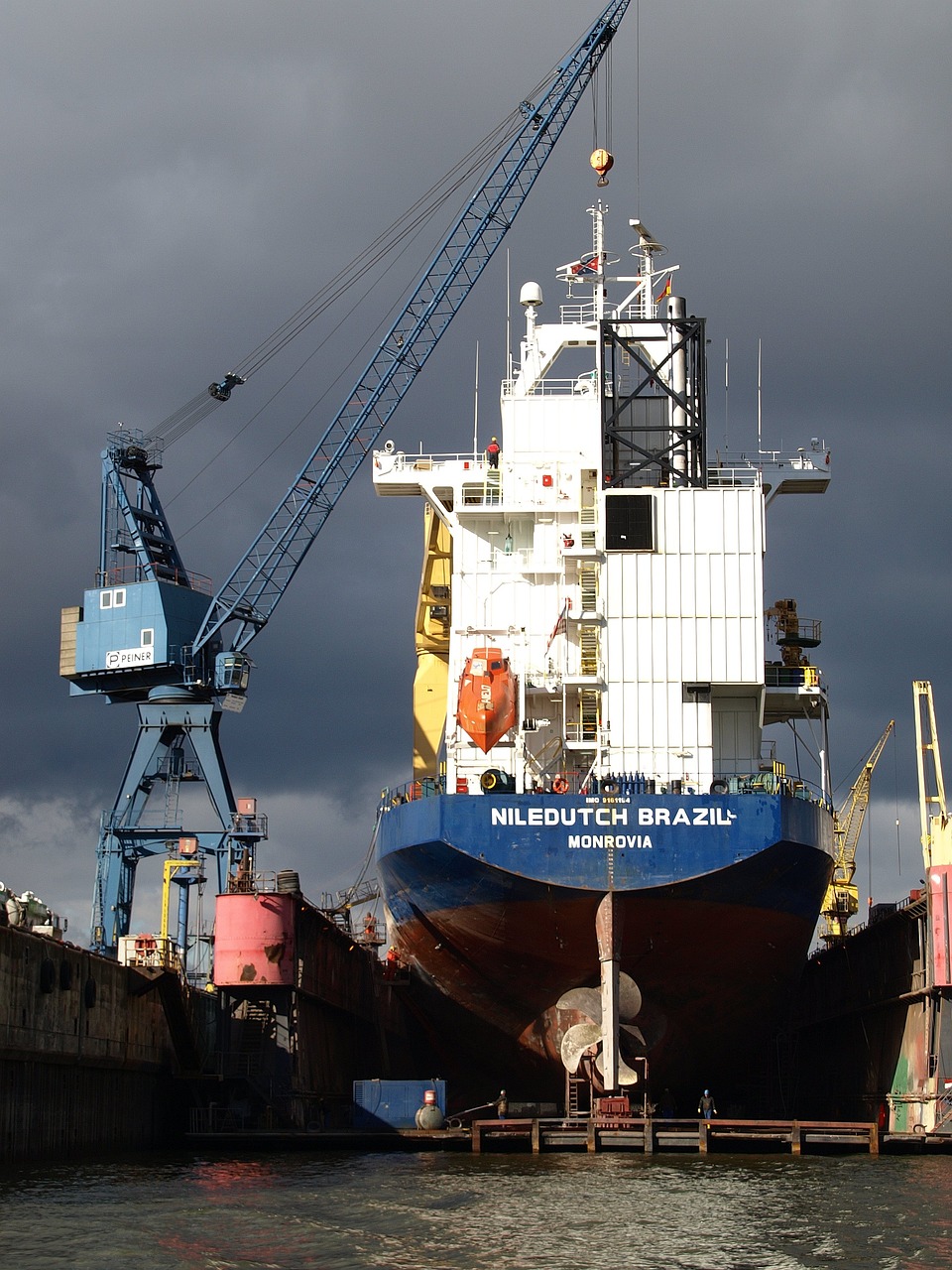
Ablative coating refers to a type of protective layer applied to surfaces to prevent damage from extreme temperatures, corrosion, or erosion, commonly used in dry dock operations to safeguard vessels from the harsh marine environment. Absolute pressure is the total pressure measured relative to a perfect vacuum, important in caulking and re …

Dry Dock Operations
Aeration: in Pump and valve operations, aeration refers to the process of introducing air into a system to prevent vacuum conditions. This is particularly important in dry dock operations where water is being drained f …
Dry Dock Operations
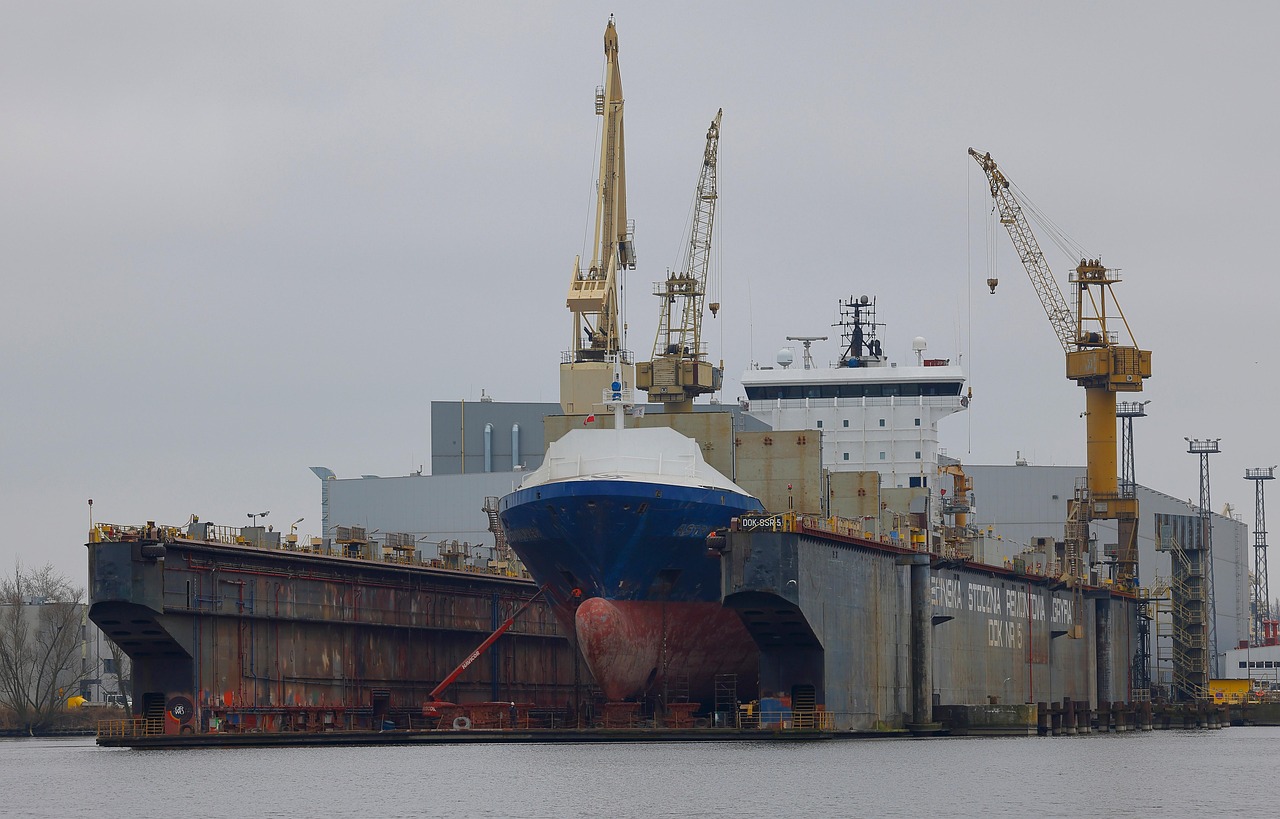
… Example : A vessel operating in Arctic routes experiences sand‑laden ice particles that gradually wear the hull’s forward plating. Practical application: Regular visual inspection during dry‑dock surveys identifies abrasions early, allowing targeted sanding and recoating before structural thinning occurs. Challenge: Detecting early‑stage abrasion can be difficult beca …
Dry Dock Operations
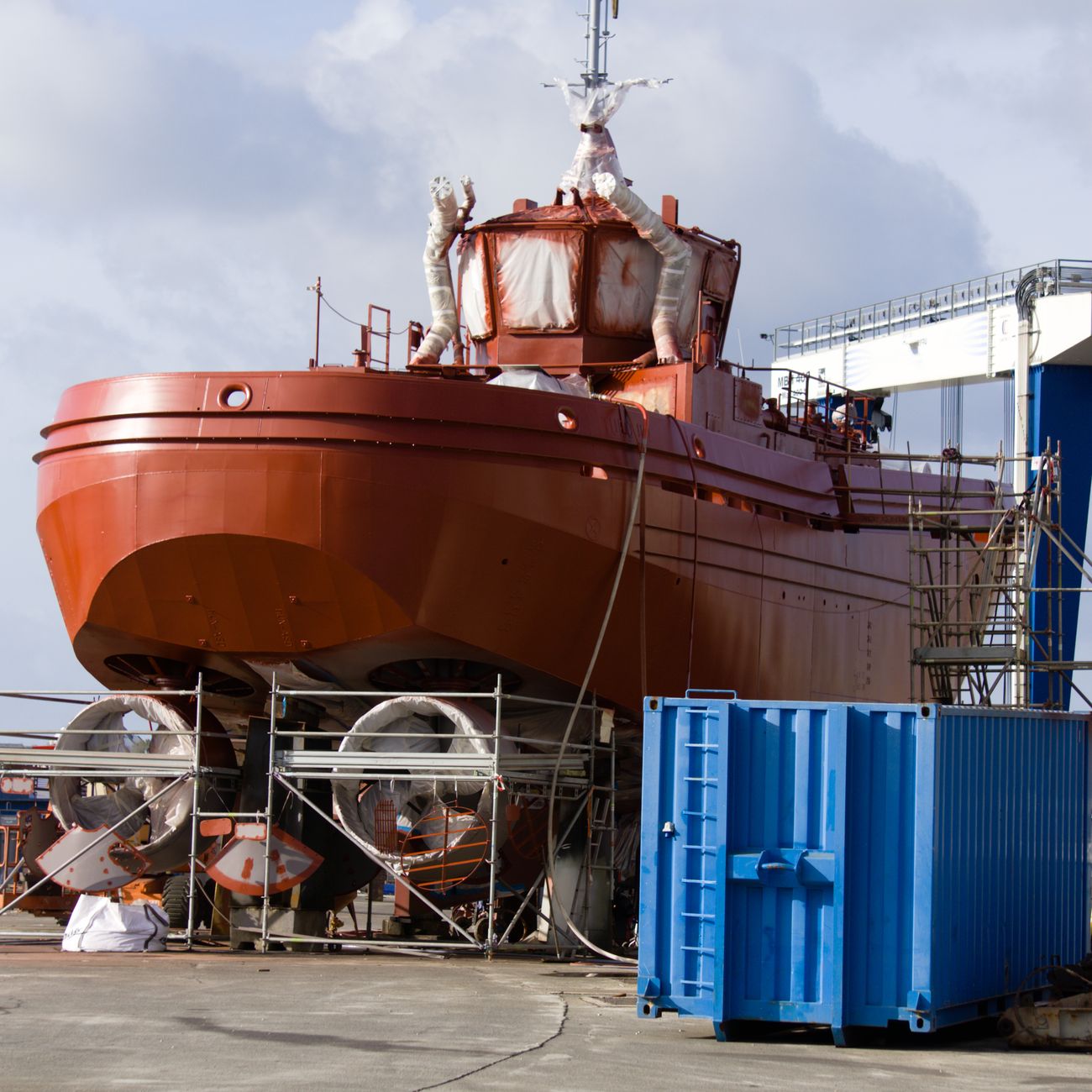
Afloat Repair: Refers to the process of repairing a ship while it is still afloat, as opposed to dry docking, where the ship is lifted out of the water. This method is often used for minor repairs or maintenance tasks that do not require the ship to be in a dry dock. Related term …
Dry Dock Management
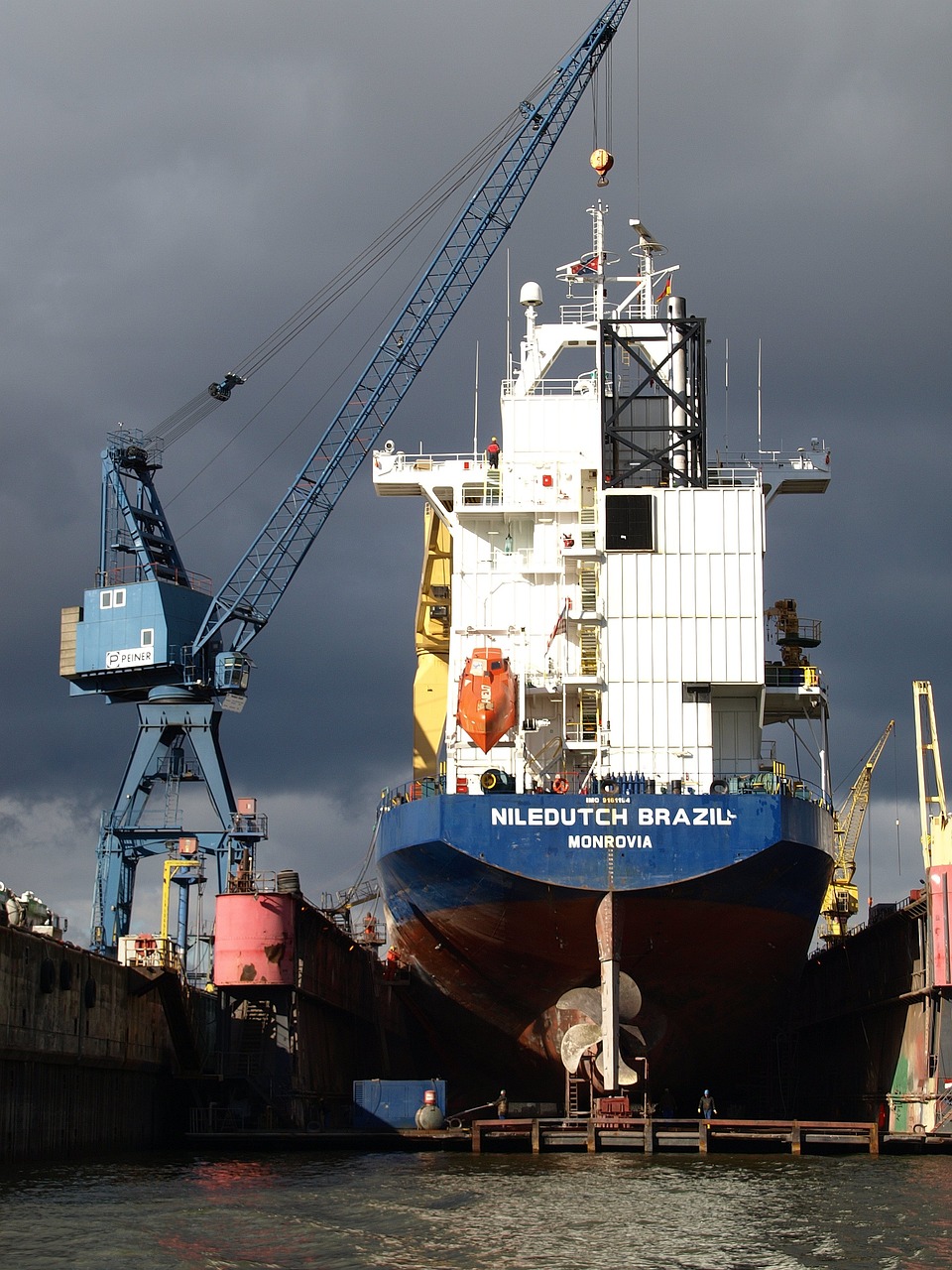
Abaft: refers to a location or direction towards the rear of a ship, away from the bow. In dry dock operations, it is essential to understand the terminology used to describe the various parts of a ship to ensure effective communication and safe working practices. For examp …
Dry Dock Management
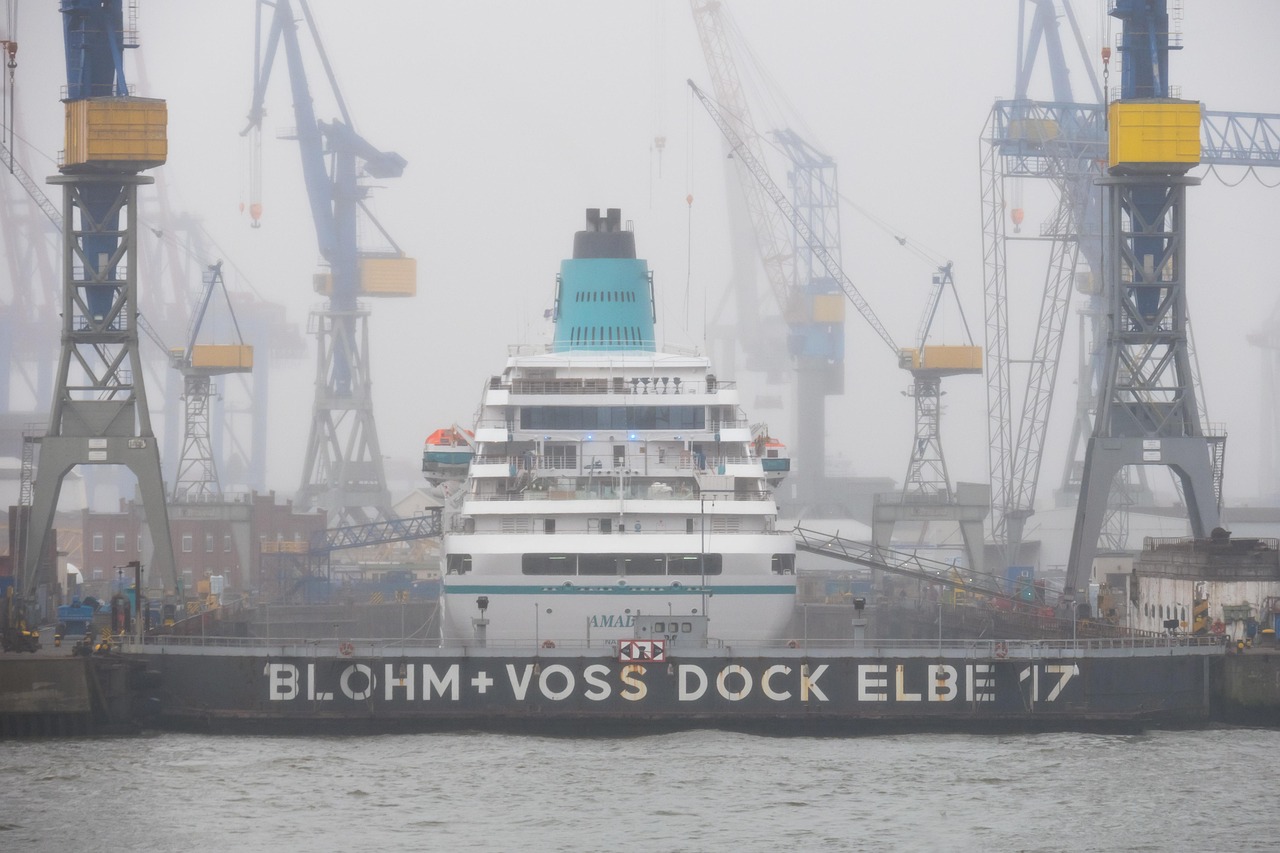
… refers to the maintenance and repair of a vessel while it is still watertight and afloat . This type of repair is often done to minimize downtime and reduce costs. Related terms include dry docking, ship repair, and vessel maintenance. Afloat repair can be done at a pier, in a harbor, or while the vessel is underway . Aft: The aft of a vessel refers to the stern or r …
Dry Dock Management
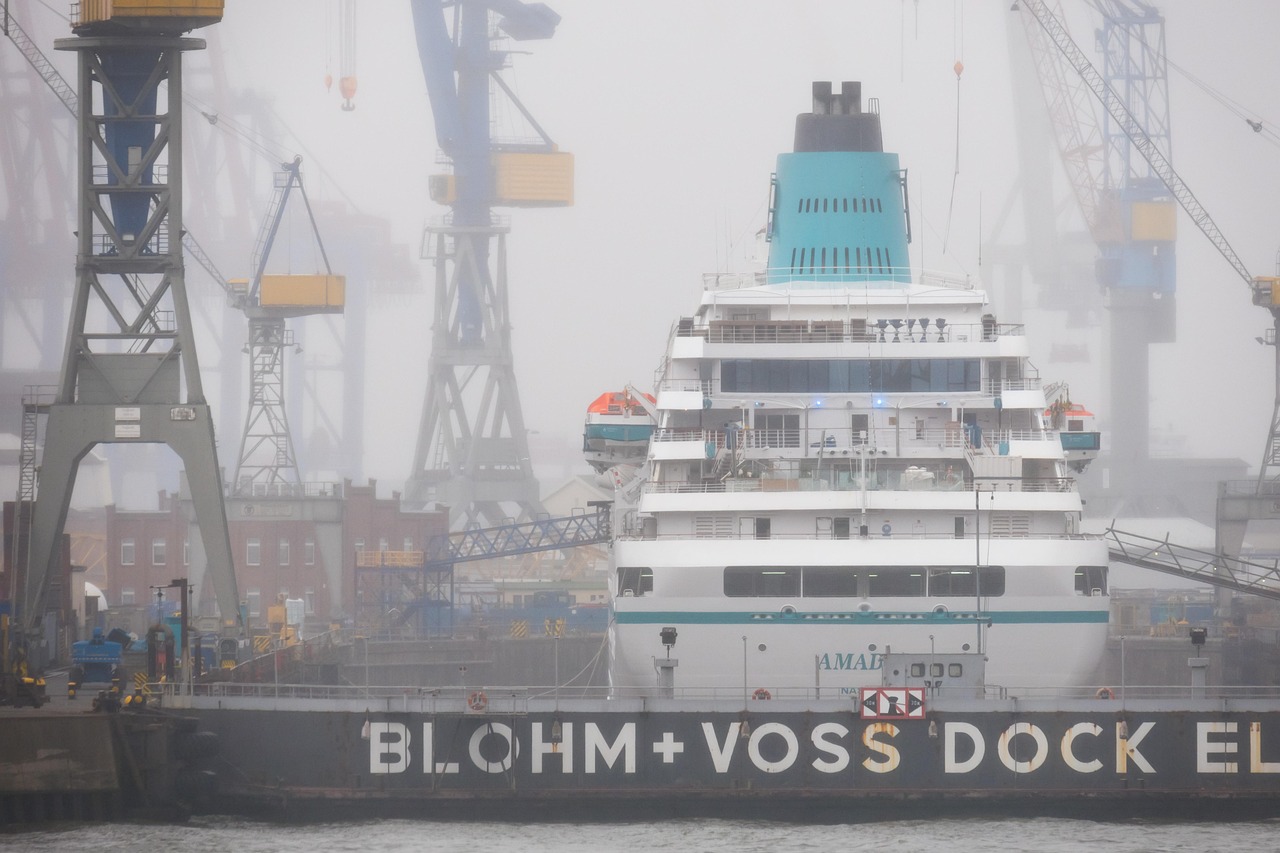
… a copper‑based antifouling system, while a cruise liner may opt for a silicone‑based fouling‑release coating. Practical applications: Regular inspection of coating integrity during dry‑dock cycles helps schedule recoating before performance loss. Challenges: Balancing coating durability with environmental compliance, and managing coating removal without contamin …

Dry Dock Management
Aberation refers to a deviation from the normal or expected course of events in Dry Dock Planning. This can include unexpected delays, changes in the scope of work, or unforeseen technical issues. Understanding aberation is crucial in Dry Dock Management as it al …

Executive Certificate in Marine Environmental Compliance Planning
… conducts benthic surveys to document habitat quality. *Challenges*: Seasonal variability and data gaps can compromise baseline accuracy. Berth Allocation – the process of assigning dock space to vessels based on size, cargo type, and schedule. Related terms: Port Management, Vessel Traffic Service (VTS) . Efficient allocation reduces waiting time and emissions. * …

Executive Certificate in Strategic Leadership in Biotechnology
… segregation during cell division and achieving stable expression of inserted genes. Bioprocessing – Related terms: upstream, downstream, fermentation, purification . The series of operations that transform living cells or enzymes into commercially viable bioproducts. Upstream steps involve cell culture or fermentation; downstream steps encompass separation, concentrat …

Postgraduate Certificate in Marine Salvage Operations (Spain)
… Challenges: maintaining bag integrity under uneven loads and avoiding over‑inflation that could damage the hull. Anchor Handling Tug – Concept: vessel equipped for towing and anchor operations. Related terms: tugboat , anchor winch. Explanation: combines powerful winches with reinforced deck fittings to deploy heavy anchors and tow disabled ships. Example: positioning a …

Ship Inspection and Audit Techniques
… Challenge: Establishing a reliable baseline requires consistent data collection over multiple voyages. Berth Allocation – related terms: Port Scheduling , Emission Hotspot . Assignment of a docking location for a vessel within a port, influencing the duration of auxiliary engine use and associated emissions. Example: A ship allocated a distant berth may need to run genera …

Ship Inspection and Audit Techniques
… straightness and bearing positioning using laser or dial‑indicator methods. Proper alignment reduces vibration, improves fuel efficiency, and extends component life. Example : After a dry‑dock, the alignment tolerance of ±0.2 Mm is verified before restarting the engine. Practical application requires skilled technicians and calibrated equipment. Common challenges a …
Global Certificate in Port Sustainability and Environmental Management
… insights. Algal Bloom Monitoring – Related terms: Marine eutrophication, water quality, nutrient management. Explanation: Algal blooms, often fueled by nutrient‑rich runoff from port operations, can impair water quality and create disposal challenges for harvested biomass. Monitoring programs track chlorophyll‑a levels and species composition to trigger early mitigation. …
Global Certificate in Ship Chartering and Cargo Operations (United Kingdom) (Part II)
… fees. Practical application involves coordination between stevedores and cargo owners; challenges include negotiating acceptable detention rates and avoiding cargo congestion at ports. Dry Dock – a facility where a vessel is taken out of water for maintenance, repairs, or surveys. Related terms: maintenance, survey, classification . Dry docking is often scheduled ac …

Global Certificate in Ship Chartering and Cargo Operations (United Kingdom) (Part II)
… shipowner for delays beyond the agreed laytime. Example: A vessel waits two extra days at a port; demurrage is charged per day. Practical application: Incentivises efficient cargo operations. Challenge: Calculating demurrage accurately when multiple delays overlap. Disbursement Clause – Related terms: General Average, Adjuster . Allows the shipowner to pay expenses an …

Global Certificate in Ship Chartering and Cargo Operations (United Kingdom) (Part II)
… necessary skills and physical ability to perform tasks on a vessel, related terms include Ordinary Seaman and deck crew, explanation: An Able Bodied Seaman is a vital part of the vessel's operations, responsible for maintaining the ship's deck and superstructure, as well as performing tasks such as anchoring, mooring, and cargo handling, example: An Able Bodied Seaman may be …
Global Certificate in Ship Chartering and Cargo Operations (United Kingdom) (Part II)
… average. AI – Artificial Intelligence Related terms: Automation, Predictive Analytics Explanation: Computer systems that analyse data to optimise cargo stowage, routing, and handling operations. Example: AI‑driven software proposes the optimal stowage pattern for mixed bulk cargoes. Practical application: Reduces human error and improves turnaround efficiency. Challenges …

Global Certificate in Ship Chartering and Cargo Operations (United Kingdom) (Part II)
… agrees to transport a specified quantity of cargo at a fixed freight rate, with the charterer having the option to cancel the contract if the shipowner fails to perform. In Chartering operations, affreightment is used to provide a guarantee of cargo transportation, and it is often used in conjunction with other chartering terms, such as the A/B term. Agency Fee is a payme …

Global Certificate in Ship Chartering and Cargo Operations (United Kingdom) (Part II)
… terms: General Agency, Discharge Port, Loading Port . This clause designates the party (often the shipowner’s local agent) authorized to act on behalf of the shipowner for specific operations, such as loading, unloading, and customs formalities. It clarifies the scope of authority and liability. Practical application: In a voyage charter, the agency clause may state th …
