
Restorative Practices in Schools
Restorative Practices in Schools
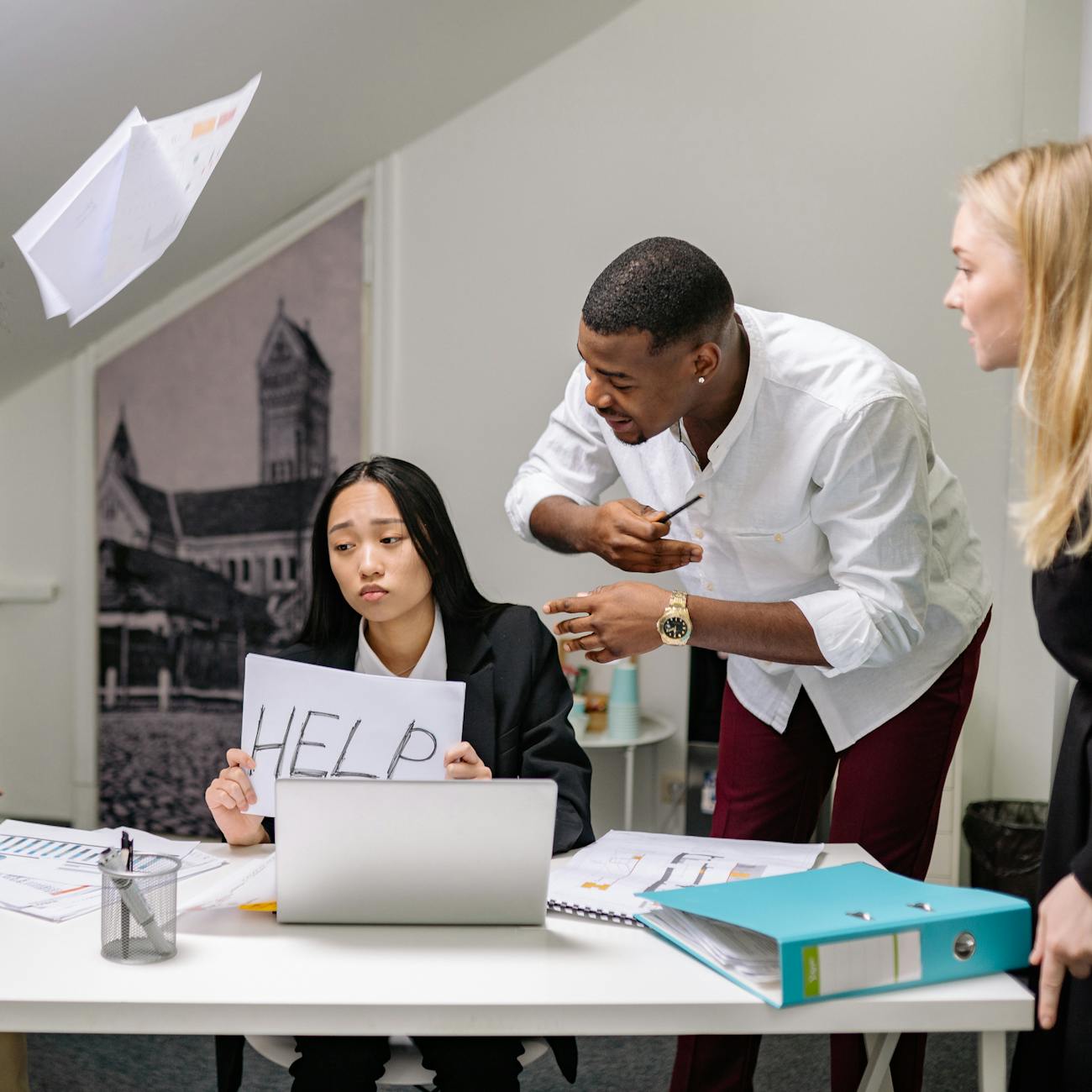
Restorative Practices in Schools
Restorative Practices in Schools refer to a proactive approach to building a positive school climate and addressing conflicts and behavioral issues through meaningful dialogue, empathy, and relationship-building. These practices focus on repairing harm, restoring relationships, and promoting accountability within the school community. By emphasizing communication, collaboration, and mutual respect, restorative practices aim to create a supportive and inclusive environment where all members feel valued and heard.
Key Terms and Concepts:
1. Restorative Justice: Restorative justice is a philosophy that emphasizes repairing harm caused by wrongdoing through inclusive processes that involve all stakeholders. In the context of schools, restorative justice focuses on addressing conflicts, discipline issues, and building a sense of community through dialogue, empathy, and accountability.
2. Circle Process: The circle process is a fundamental restorative practice that involves gathering participants in a circle to engage in open and honest dialogue. Circles provide a safe space for sharing thoughts and feelings, building relationships, and resolving conflicts. Participants take turns speaking, listen actively, and follow guidelines to ensure respectful communication.
3. Restorative Questions: Restorative questions are prompts used to facilitate reflection, accountability, and understanding during restorative conversations. These questions help individuals reflect on their actions, understand the impact of their behavior, and take responsibility for repairing harm. Examples of restorative questions include "What happened?", "Who was affected?", and "What can be done to make things right?"
4. Restorative Conferencing: Restorative conferencing is a formal process where those involved in a conflict or harm come together to discuss the incident, share their perspectives, and work towards a resolution. A trained facilitator guides the process, ensuring that each participant has the opportunity to speak, listen, and collaborate on finding a mutually acceptable solution.
5. Restorative Practices Coordinator: A restorative practices coordinator is a designated staff member responsible for overseeing the implementation of restorative practices in a school. The coordinator provides training, support, and guidance to staff, students, and families on how to effectively use restorative practices to address conflicts, build relationships, and create a positive school culture.
6. Restorative Language: Restorative language refers to the use of respectful and non-blaming communication to promote understanding, empathy, and reconciliation. Using restorative language involves avoiding judgmental or accusatory statements, actively listening to others, and expressing feelings and needs in a constructive manner. Restorative language helps create a culture of respect, trust, and collaboration within the school community.
7. Restorative Agreements: Restorative agreements are written agreements that outline the actions, commitments, and consequences agreed upon by those involved in a conflict or harm. These agreements are based on open dialogue, mutual understanding, and shared responsibility for repairing harm and rebuilding relationships. Restorative agreements are used to hold individuals accountable for their actions while promoting healing and reconciliation.
8. Restorative Discipline: Restorative discipline is an approach to addressing behavioral issues and conflicts that focuses on repairing harm, restoring relationships, and promoting positive behavior change. Instead of punitive measures such as suspension or expulsion, restorative discipline emphasizes dialogue, empathy, and problem-solving to address the root causes of behavior and prevent future incidents.
Practical Applications:
1. Conflict Resolution: Restorative practices can be used to address conflicts between students, staff, and families in a constructive and collaborative manner. By using circles, restorative questions, and conferencing, conflicts can be resolved peacefully, and relationships can be strengthened.
2. Bullying Prevention: Restorative practices can help prevent bullying by creating a culture of respect, empathy, and accountability within the school community. By promoting positive relationships, open communication, and restorative consequences, bullying behavior can be addressed effectively.
3. Community Building: Restorative practices can be used to build a sense of community and belonging within the school. By engaging in circles, restorative language, and collaborative decision-making, students, staff, and families can develop positive relationships, trust, and mutual respect.
4. School Climate Improvement: Restorative practices can contribute to improving the overall school climate by fostering a culture of empathy, inclusion, and accountability. By addressing conflicts proactively, promoting dialogue, and building relationships, schools can create a safe and supportive environment for all members.
Challenges:
1. Resistance to Change: Implementing restorative practices in schools may face resistance from staff, students, or families who are unfamiliar with this approach or prefer traditional disciplinary methods. Overcoming resistance requires providing training, resources, and ongoing support to help stakeholders understand the benefits of restorative practices.
2. Time and Resources: Introducing restorative practices into a school requires time, resources, and commitment from all stakeholders. Training staff, developing protocols, and facilitating restorative processes can be challenging without adequate support and investment in restorative practices.
3. Consistency and Sustainability: Maintaining consistency and sustainability in implementing restorative practices can be a challenge, especially as staff turnover, changes in leadership, or competing priorities can impact the continuity of restorative efforts. Establishing clear policies, procedures, and ongoing training can help ensure the long-term success of restorative practices in schools.
4. Cultural Sensitivity: Restorative practices must be implemented with cultural sensitivity and awareness of the diverse backgrounds, beliefs, and values within the school community. Understanding and respecting cultural differences, language barriers, and unique needs is essential for effectively applying restorative practices in a culturally responsive manner.
In conclusion, Restorative Practices in Schools offer a transformative approach to promoting positive relationships, resolving conflicts, and creating a supportive and inclusive school environment. By implementing restorative circles, questions, conferencing, and agreements, schools can build a culture of empathy, accountability, and collaboration that benefits all members of the school community. Overcoming challenges such as resistance to change, time constraints, consistency issues, and cultural sensitivity is essential for successfully integrating restorative practices into the fabric of school culture. Through continued training, support, and commitment, schools can harness the power of restorative practices to foster a culture of respect, understanding, and healing within their communities.
Key takeaways
- Restorative Practices in Schools refer to a proactive approach to building a positive school climate and addressing conflicts and behavioral issues through meaningful dialogue, empathy, and relationship-building.
- In the context of schools, restorative justice focuses on addressing conflicts, discipline issues, and building a sense of community through dialogue, empathy, and accountability.
- Circle Process: The circle process is a fundamental restorative practice that involves gathering participants in a circle to engage in open and honest dialogue.
- Restorative Questions: Restorative questions are prompts used to facilitate reflection, accountability, and understanding during restorative conversations.
- Restorative Conferencing: Restorative conferencing is a formal process where those involved in a conflict or harm come together to discuss the incident, share their perspectives, and work towards a resolution.
- The coordinator provides training, support, and guidance to staff, students, and families on how to effectively use restorative practices to address conflicts, build relationships, and create a positive school culture.
- Using restorative language involves avoiding judgmental or accusatory statements, actively listening to others, and expressing feelings and needs in a constructive manner.