
Implementing Conflict Resolution Programs in Schools
Conflict resolution programs in schools are essential for creating a positive and safe learning environment for students. These programs aim to teach students effective communication skills, problem-solving strategies, and empathy to help t…
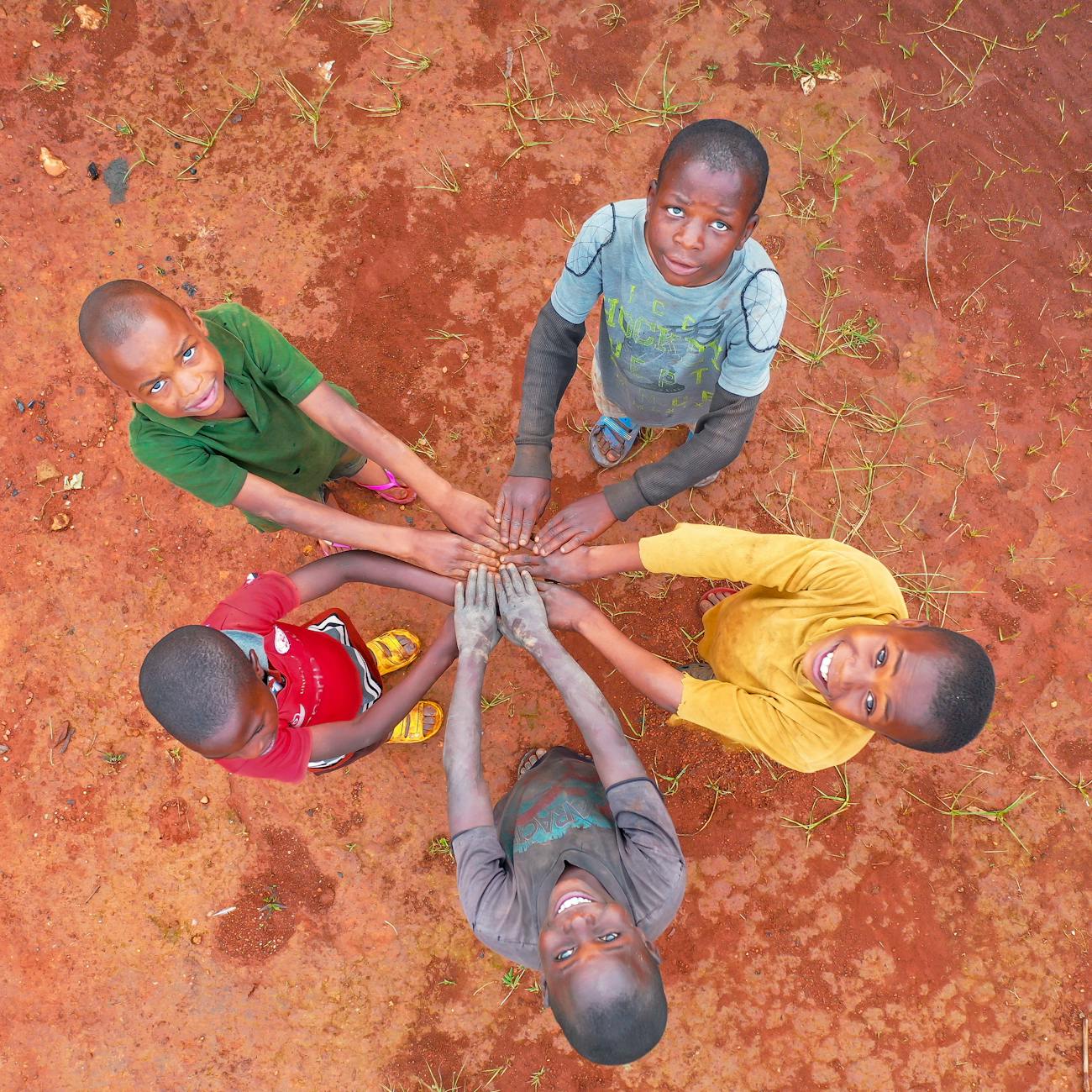
Conflict resolution programs in schools are essential for creating a positive and safe learning environment for students. These programs aim to teach students effective communication skills, problem-solving strategies, and empathy to help them resolve conflicts peacefully and constructively. Implementing such programs requires careful planning, training, and ongoing support to ensure their success. Let's explore some key terms and vocabulary related to implementing conflict resolution programs in schools.
1. **Conflict Resolution:** Conflict resolution is the process of resolving disagreements or disputes between individuals or groups in a peaceful and constructive manner. It involves identifying the underlying issues, communicating effectively, and finding mutually acceptable solutions.
2. **Mediation:** Mediation is a form of conflict resolution where a neutral third party, known as a mediator, helps facilitate communication between the conflicting parties to reach a resolution. Mediation is often used in schools to address conflicts between students or between students and teachers.
3. **Restorative Justice:** Restorative justice is an approach to conflict resolution that focuses on repairing harm and restoring relationships rather than punishment. Restorative justice programs in schools emphasize accountability, empathy, and community building.
4. **Peer Mediation:** Peer mediation is a process where students are trained to mediate conflicts between their peers. Peer mediation programs empower students to take an active role in resolving conflicts within the school community.
5. **Communication Skills:** Communication skills are essential for effective conflict resolution. These skills include active listening, assertiveness, empathy, and nonverbal communication. Teaching students how to communicate effectively can help prevent and resolve conflicts.
6. **Problem-Solving Skills:** Problem-solving skills are critical for resolving conflicts. These skills involve identifying the root cause of the conflict, brainstorming possible solutions, evaluating those solutions, and implementing the best course of action.
7. **Emotional Intelligence:** Emotional intelligence refers to the ability to recognize and manage one's emotions and understand the emotions of others. Developing emotional intelligence can help students navigate conflicts more effectively by fostering self-awareness and empathy.
8. **Negotiation:** Negotiation is a process where conflicting parties discuss their differences and work together to find a mutually acceptable solution. Negotiation skills are important for resolving conflicts and reaching compromises.
9. **Conflict Management Styles:** There are five primary conflict management styles: competing, collaborating, compromising, avoiding, and accommodating. Understanding these styles can help individuals choose the most appropriate approach for resolving conflicts.
10. **Bullying Prevention:** Bullying prevention programs are essential components of conflict resolution programs in schools. These programs aim to create a culture of respect and empathy, educate students about the impact of bullying, and provide strategies for bystander intervention.
11. **Cultural Competence:** Cultural competence refers to the ability to interact effectively with people from diverse cultural backgrounds. Understanding and respecting cultural differences is essential for promoting inclusivity and preventing conflicts related to cultural misunderstandings.
12. **Parental Involvement:** Parental involvement is crucial for the success of conflict resolution programs in schools. Engaging parents and caregivers in conflict resolution initiatives can help create a supportive and collaborative school environment.
13. **Training and Professional Development:** Training and professional development opportunities are essential for equipping educators and school staff with the knowledge and skills needed to implement conflict resolution programs effectively. Ongoing training ensures that staff members stay up-to-date on best practices and strategies.
14. **Data Collection and Evaluation:** Data collection and evaluation are critical for assessing the impact of conflict resolution programs in schools. Gathering data on conflict resolution outcomes, student behavior, and school climate can help identify areas for improvement and measure program effectiveness.
15. **Collaboration:** Collaboration between teachers, administrators, students, parents, and community partners is essential for successful conflict resolution programs. By working together, stakeholders can share resources, expertise, and perspectives to create a comprehensive approach to conflict resolution.
16. **Positive School Climate:** A positive school climate is characterized by a sense of safety, respect, and belonging for all members of the school community. Conflict resolution programs play a key role in promoting a positive school climate by addressing conflicts proactively and fostering a culture of empathy and understanding.
17. **Peer Support Networks:** Peer support networks are informal groups of students who provide emotional support and guidance to their peers. These networks can be valuable resources for students experiencing conflicts or seeking help in resolving interpersonal issues.
Implementing conflict resolution programs in schools can be challenging, but the benefits are significant. By equipping students with the skills and strategies to resolve conflicts peacefully, schools can create a more harmonious and inclusive learning environment. It is essential for educators and school leaders to prioritize conflict resolution initiatives and provide the necessary resources and support to ensure their success. By fostering a culture of empathy, communication, and collaboration, schools can empower students to navigate conflicts and build positive relationships that will serve them well throughout their lives.
Key takeaways
- These programs aim to teach students effective communication skills, problem-solving strategies, and empathy to help them resolve conflicts peacefully and constructively.
- **Conflict Resolution:** Conflict resolution is the process of resolving disagreements or disputes between individuals or groups in a peaceful and constructive manner.
- **Mediation:** Mediation is a form of conflict resolution where a neutral third party, known as a mediator, helps facilitate communication between the conflicting parties to reach a resolution.
- **Restorative Justice:** Restorative justice is an approach to conflict resolution that focuses on repairing harm and restoring relationships rather than punishment.
- **Peer Mediation:** Peer mediation is a process where students are trained to mediate conflicts between their peers.
- **Communication Skills:** Communication skills are essential for effective conflict resolution.
- These skills involve identifying the root cause of the conflict, brainstorming possible solutions, evaluating those solutions, and implementing the best course of action.