
Conflict Management in Team Dynamics
Conflict Management in Team Dynamics is a crucial aspect of any organization's success. It involves the ability to handle disagreements and disputes effectively to ensure that team members work together harmoniously towards a common goal. I…
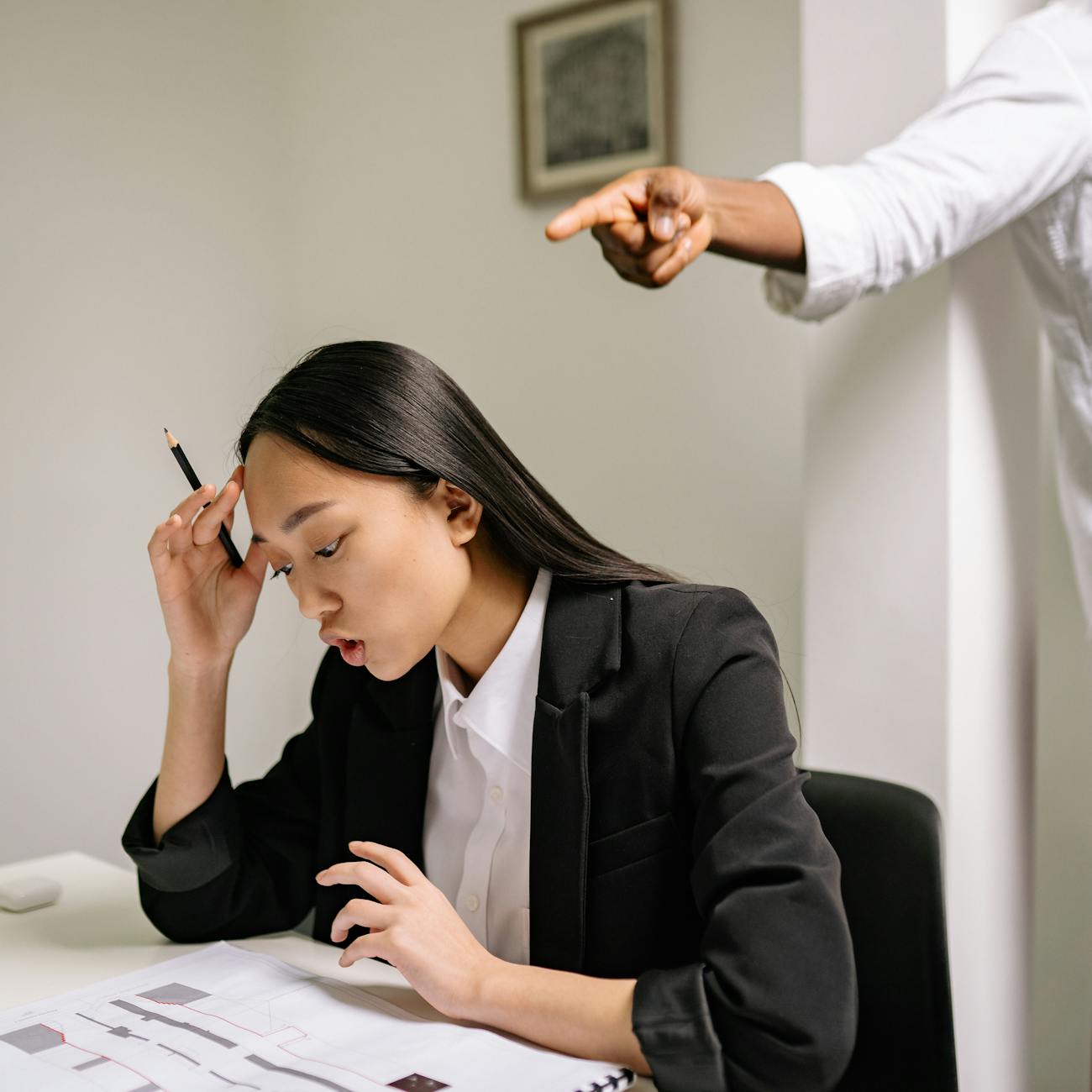
Conflict Management in Team Dynamics is a crucial aspect of any organization's success. It involves the ability to handle disagreements and disputes effectively to ensure that team members work together harmoniously towards a common goal. In this course, we will explore key terms and vocabulary related to conflict resolution in educational settings.
Conflict: Conflict is a disagreement or clash between individuals or groups with differing opinions, values, or interests. It can arise from various sources such as misunderstandings, competition, or incompatible goals.
Team Dynamics: Team dynamics refer to the interactions and relationships among team members that influence the overall performance and effectiveness of the team. It involves communication, collaboration, and conflict resolution within the team.
Conflict Resolution: Conflict resolution is the process of addressing and resolving disputes or disagreements in a constructive manner. It aims to find a mutually satisfactory solution to the conflict while maintaining positive relationships.
Collaboration: Collaboration is a cooperative effort between team members to achieve a common goal. It involves sharing ideas, resources, and responsibilities to work towards a shared objective.
Communication: Communication is the exchange of information, ideas, and feedback between individuals or groups. Effective communication is essential for resolving conflicts and fostering positive relationships within a team.
Mediation: Mediation is a conflict resolution process in which a neutral third party helps facilitate communication and negotiation between conflicting parties. The mediator does not make decisions but assists the parties in reaching a mutually acceptable solution.
Negotiation: Negotiation is a process in which conflicting parties discuss and compromise to reach a mutually beneficial agreement. It involves finding common ground and making concessions to resolve the conflict.
Empathy: Empathy is the ability to understand and share the feelings of another person. It plays a crucial role in conflict resolution by helping team members see the situation from the other person's perspective.
Active Listening: Active listening is a communication technique in which the listener fully concentrates, understands, responds, and remembers what is being said. It is essential for effective conflict resolution as it demonstrates respect and understanding towards the other party.
Assertiveness: Assertiveness is the ability to express one's thoughts, feelings, and needs in a direct and honest manner while respecting the rights of others. It is important for setting boundaries and resolving conflicts effectively.
Win-Win Solution: A win-win solution is an outcome in which all parties involved in a conflict benefit or achieve their goals. It involves finding a solution that meets the needs and interests of all parties, leading to a sustainable resolution.
Constructive Feedback: Constructive feedback is feedback that is specific, objective, and focused on behaviors or actions rather than personal characteristics. It is essential for helping team members improve their performance and resolve conflicts.
Emotional Intelligence: Emotional intelligence is the ability to recognize, understand, and manage one's own emotions and the emotions of others. It is crucial for effective conflict management as it helps individuals navigate interpersonal dynamics and build positive relationships.
Power Dynamics: Power dynamics refer to the distribution of power and authority within a team or organization. Understanding power dynamics is essential for addressing power imbalances and resolving conflicts effectively.
Team Building: Team building is the process of creating a cohesive and high-performing team through activities, exercises, and interventions. It helps improve communication, trust, and collaboration within the team, leading to better conflict management.
Conflict Styles: Conflict styles are the different approaches individuals use to handle conflicts. Common conflict styles include avoidance, accommodation, competition, compromise, and collaboration. Understanding these styles can help individuals choose the most appropriate approach for resolving conflicts.
Trust: Trust is the belief that team members can rely on each other, be honest, and fulfill their commitments. Building trust is essential for effective conflict management as it creates a foundation of mutual respect and understanding.
Challenges: Challenges in conflict management in team dynamics may include:
- Different perspectives and values among team members - Communication barriers and misunderstandings - Power imbalances and conflicts of interest - Emotional reactions and personal biases - Resistance to change or compromise
Examples: Here are some examples of conflict management in team dynamics:
- Team members disagree on the best approach to a project and need to find a compromise that satisfies everyone. - A conflict arises between two team members due to a misunderstanding, and a mediator helps facilitate a conversation to resolve the issue. - A team faces a challenging situation that requires collaboration and creative problem-solving to overcome.
Practical Applications: Conflict management in team dynamics can be applied in various educational settings, including:
- Resolving conflicts between students in a classroom or group project - Addressing disagreements among teachers or staff members in a school or educational institution - Facilitating communication and collaboration among parents, teachers, and administrators to improve school performance
By understanding and applying key terms and concepts related to conflict management in team dynamics, educators can effectively address conflicts, build positive relationships, and create a supportive and productive learning environment for all stakeholders.
Key takeaways
- It involves the ability to handle disagreements and disputes effectively to ensure that team members work together harmoniously towards a common goal.
- Conflict: Conflict is a disagreement or clash between individuals or groups with differing opinions, values, or interests.
- Team Dynamics: Team dynamics refer to the interactions and relationships among team members that influence the overall performance and effectiveness of the team.
- Conflict Resolution: Conflict resolution is the process of addressing and resolving disputes or disagreements in a constructive manner.
- Collaboration: Collaboration is a cooperative effort between team members to achieve a common goal.
- Communication: Communication is the exchange of information, ideas, and feedback between individuals or groups.
- Mediation: Mediation is a conflict resolution process in which a neutral third party helps facilitate communication and negotiation between conflicting parties.