
Admiralty Jurisdiction
Admiralty jurisdiction refers to the legal authority of courts to hear and determine cases related to maritime law or the law of the sea. This jurisdiction covers a wide range of issues, including the rights and responsibilities of ships an…
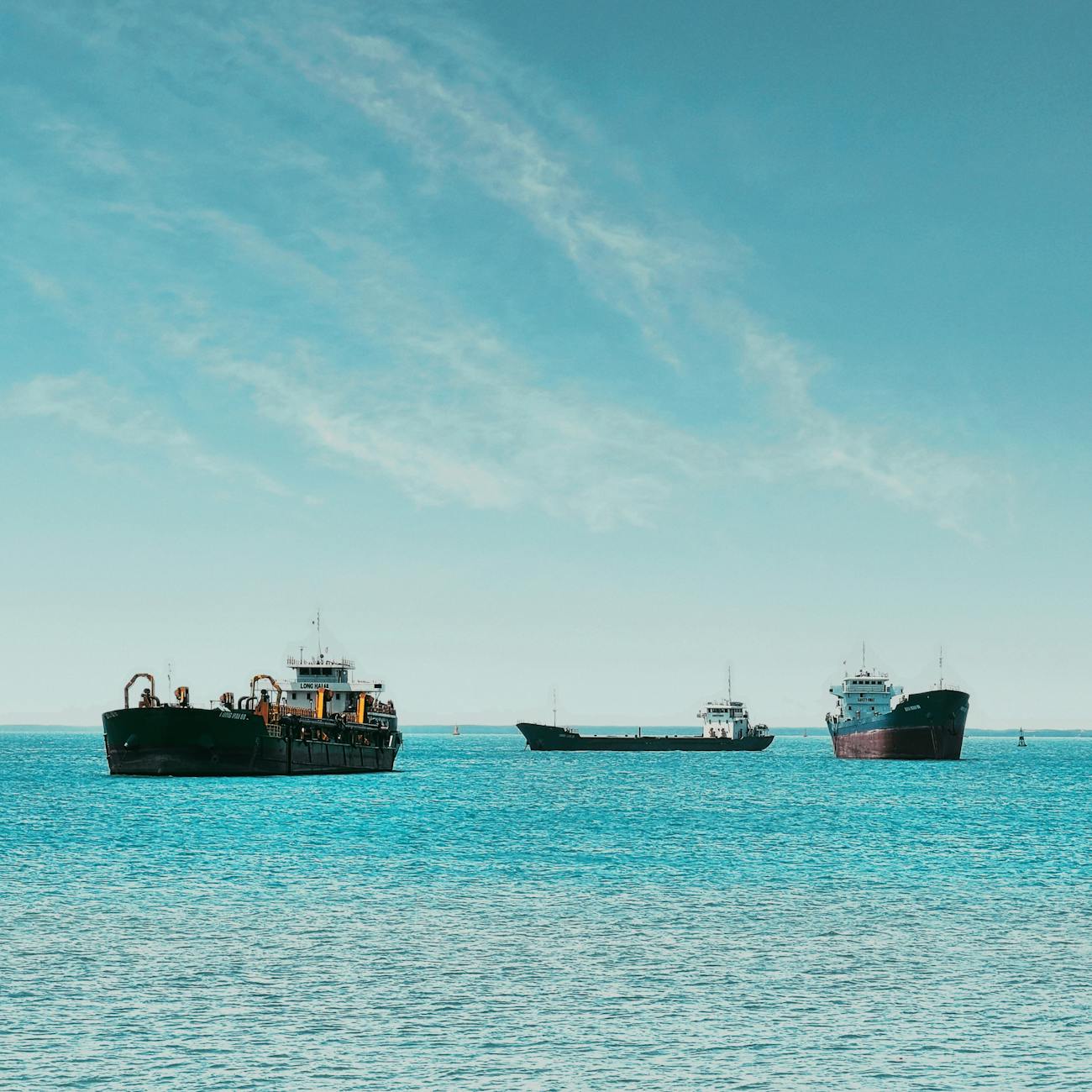
Admiralty jurisdiction refers to the legal authority of courts to hear and determine cases related to maritime law or the law of the sea. This jurisdiction covers a wide range of issues, including the rights and responsibilities of ships and their crews, the ownership and regulation of ships, the carriage of goods by sea, and marine pollution.
Maritime law is a body of laws that governs the relationships between private entities that operate in the maritime environment. Maritime law is also known as the law of the sea, and it covers a wide range of issues, including the rights and responsibilities of ships and their crews, the ownership and regulation of ships, the carriage of goods by sea, and marine pollution.
Admiralty courts are specialized courts that have jurisdiction over maritime cases. These courts have the authority to hear and determine cases related to maritime law, and they have the power to enforce their decisions. Admiralty courts have jurisdiction over both federal and state waters, and they may also have jurisdiction over cases that arise on foreign waters if the case has a significant connection to the United States.
Federal admiralty jurisdiction refers to the legal authority of federal courts to hear and determine maritime cases. This jurisdiction is granted to federal courts by the U.S. Constitution and by federal statutes. Federal admiralty jurisdiction extends to both federal and state waters, and it includes cases that arise on foreign waters if the case has a significant connection to the United States.
State admiralty jurisdiction refers to the legal authority of state courts to hear and determine maritime cases. This jurisdiction is granted to state courts by state statutes and by the U.S. Constitution. State admiralty jurisdiction is limited to state waters, which extend three miles from the coastline.
Admiralty jurisdiction in rem refers to the legal authority of courts to hear and determine cases against a specific vessel. This type of jurisdiction allows a court to seize a vessel and sell it to satisfy a judgment. Admiralty jurisdiction in rem is often used in cases involving maritime liens, which are claims against a vessel for unpaid debts or damages.
Admiralty jurisdiction in personam refers to the legal authority of courts to hear and determine cases against a specific person or entity. This type of jurisdiction allows a court to hold a person or entity liable for a maritime-related debt or obligation.
Maritime liens are claims against a vessel for unpaid debts or damages. Maritime liens can be created by statute or by common law. They give the creditor a security interest in the vessel, which can be enforced by admiralty jurisdiction in rem. Common types of maritime liens include claims for salvage, towage, and repairs.
Arrest of a vessel is the legal process of seizing a vessel in order to enforce a maritime lien or to secure a judgment. An arrest can be made by a court with admiralty jurisdiction in rem. Once a vessel is arrested, it cannot be moved or sold without the permission of the court.
Limitation of liability is a legal principle that allows a shipowner to limit their liability for damages arising from a maritime accident. This principle is based on the idea that a shipowner should only be liable for the value of the vessel and its cargo, rather than for unlimited damages. In order to invoke the limitation of liability, the shipowner must file a petition in an admiralty court within a certain time period after the accident.
General maritime law refers to the body of laws that governs the relationships between private entities that operate in the maritime environment. General maritime law includes both federal and state laws, as well as judicial decisions interpreting those laws. General maritime law covers a wide range of issues, including the rights and responsibilities of ships and their crews, the ownership and regulation of ships, the carriage of goods by sea, and marine pollution.
Jones Act is a federal statute that provides a cause of action for seamen who are injured while in the service of a vessel. The Jones Act allows a seaman to recover damages for negligence, and it applies to both U.S. and foreign vessels. The Jones Act is a key provision of the Merchant Marine Act of 1920, which regulates the U.S. merchant marine.
Death on the High Seas Act is a federal statute that provides a cause of action for the wrongful death of a person aboard a vessel on the high seas. The Act allows the decedent's personal representative to recover damages for the loss of the decedent's services, society, and wages. The Act applies to both U.S. and foreign vessels.
Longshore and Harbor Workers' Compensation Act is a federal statute that provides workers' compensation benefits to maritime workers who are injured while working on the navigable waters of the United States or in adjoining areas. The Act applies to both U.S. and foreign vessels, and it covers a wide range of workers, including longshoremen, harbor workers, and shipbuilders.
Carriage of Goods by Sea Act is a federal statute that governs the carriage of goods by sea. The Act applies to both U.S. and foreign vessels, and it sets forth the rights and responsibilities of shippers and carriers. The Act incorporates the Hague Rules, which are a set of international rules that govern the carriage of goods by sea.
Pollution refers to the contamination of the marine environment by harmful substances. Pollution can come from a variety of sources, including ships, oil rigs, and industrial facilities. Pollution can have serious consequences for the marine environment, including the death of marine life, the destruction of habitats, and the disruption of food chains.
Oil Pollution Act is a federal statute that governs the prevention, response, and liability for oil pollution. The Act applies to both U.S. and foreign vessels, and it sets forth strict liability standards for responsible parties. The Act also establishes a fund to pay for oil spill cleanup and damage claims.
International Maritime Organization is a specialized agency of the United Nations that is responsible for promoting safe and secure shipping and the protection of the marine environment. The IMO develops and adopts international conventions, codes, and guidelines related to maritime safety, security, and environmental protection.
Flag state is the country in which a vessel is registered. The flag state has authority over the vessel and its crew, and it is responsible for ensuring that the vessel complies with international maritime conventions and codes.
Port state is the country in which a vessel is located when it is not in its flag state. The port state has authority to inspect the vessel and enforce international maritime conventions and codes.
In conclusion, Admiralty Jurisdiction is a complex and specialized area of law that governs the relationships between private entities that operate in the maritime environment. Admiralty jurisdiction includes federal and state jurisdiction, in rem and in personam jurisdiction, maritime liens, arrest of a vessel, limitation of liability, general maritime law, and various statutes such as Jones Act, Death on the High Seas Act, Longshore and Harbor Workers' Compensation Act, Carriage of Goods by Sea Act, Oil Pollution Act, International Maritime Organization, Flag state and Port state. Understanding these key terms and vocabulary is essential for anyone who wants to practice admiralty law or to operate a vessel in the maritime environment.
It is important to note that the maritime law is constantly evolving, and new issues and challenges are emerging all the time. For example, the increasing use of autonomous vessels, the impact of climate change on the maritime environment, and the rise of piracy and armed robbery at sea. These new developments will require new laws and regulations, as well as new interpretations of existing laws and regulations.
It is also important to note that maritime law is not only a matter of national law but also international law, as many maritime activities are governed by international conventions and treaties. Therefore, it is essential to have a good understanding of both national and international maritime law.
In practice, Admiralty law can be very challenging due to the complexities of the laws and regulations, the technical nature of the issues, and the international dimension of the maritime industry. However, it can also be very rewarding, as it offers the opportunity to work on a wide range of issues, from commercial transactions to environmental protection, and from personal injury claims to maritime security.
In order to gain a better understanding of Admiralty Jurisdiction, it is recommended to take a course in Admiralty Law
Key takeaways
- This jurisdiction covers a wide range of issues, including the rights and responsibilities of ships and their crews, the ownership and regulation of ships, the carriage of goods by sea, and marine pollution.
- Maritime law is a body of laws that governs the relationships between private entities that operate in the maritime environment.
- Admiralty courts have jurisdiction over both federal and state waters, and they may also have jurisdiction over cases that arise on foreign waters if the case has a significant connection to the United States.
- Federal admiralty jurisdiction extends to both federal and state waters, and it includes cases that arise on foreign waters if the case has a significant connection to the United States.
- State admiralty jurisdiction refers to the legal authority of state courts to hear and determine maritime cases.
- Admiralty jurisdiction in rem is often used in cases involving maritime liens, which are claims against a vessel for unpaid debts or damages.
- Admiralty jurisdiction in personam refers to the legal authority of courts to hear and determine cases against a specific person or entity.