
Maritime Liabilities
Maritime liabilities refer to the legal responsibilities and obligations of individuals or entities involved in maritime activities. These activities include the operation of ships, the handling of cargo, the provision of maritime services,…
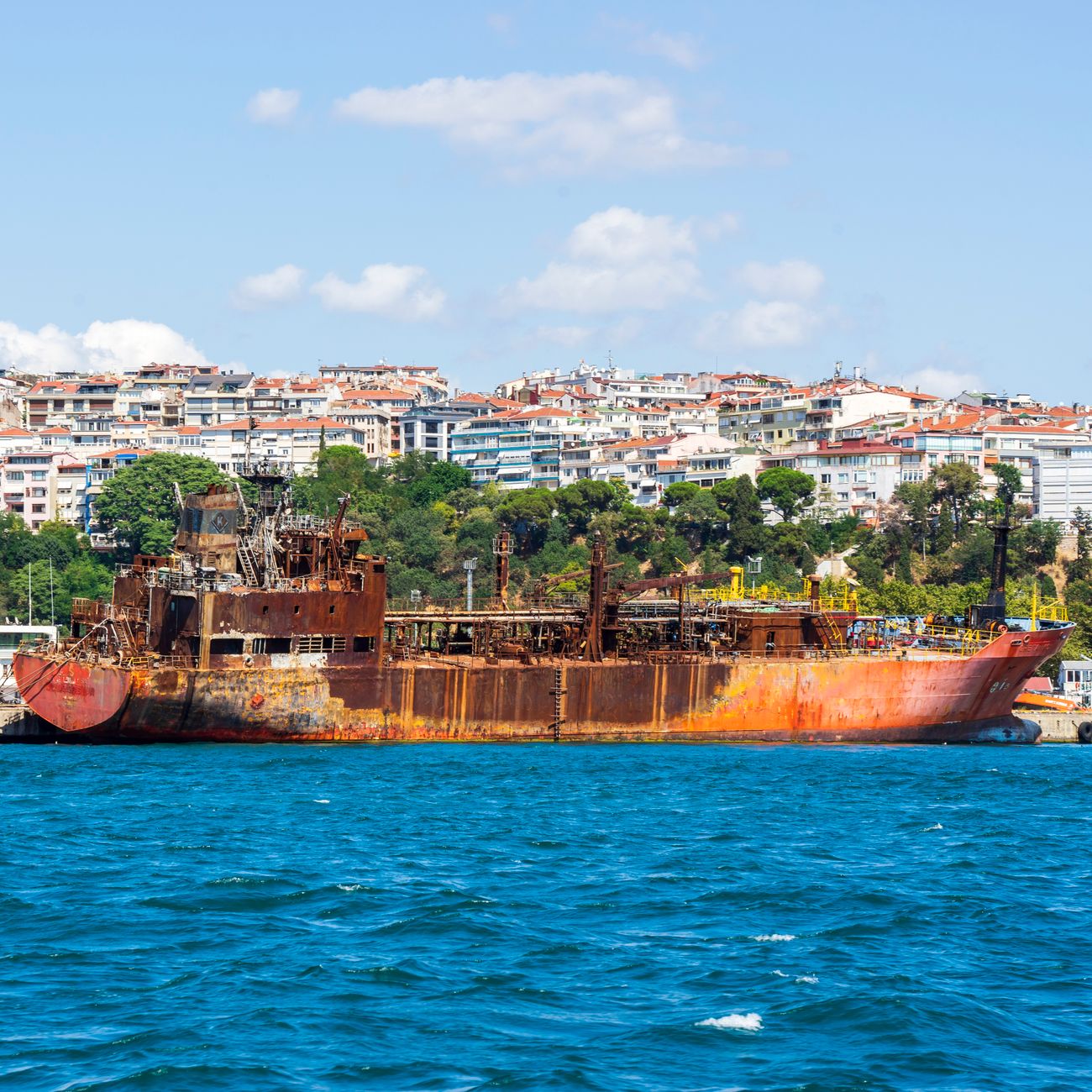
Maritime liabilities refer to the legal responsibilities and obligations of individuals or entities involved in maritime activities. These activities include the operation of ships, the handling of cargo, the provision of maritime services, and the exploration and exploitation of marine resources. Maritime liabilities can arise from various sources, including contracts, torts, statutes, and regulations. In this explanation, we will discuss some of the key terms and vocabulary related to maritime liabilities in the context of a Certificate in Admiralty Law.
1. Admiralty Jurisdiction
Admiralty jurisdiction refers to the authority of courts to hear and determine cases related to maritime activities. Admiralty jurisdiction can be exclusive or concurrent, depending on the country and the type of case. In the United States, for example, federal courts have exclusive jurisdiction over admiralty cases arising under federal law, while state courts have concurrent jurisdiction over admiralty cases arising under state law.
Admiralty jurisdiction is based on the concept of maritime commerce, which includes not only the transportation of goods and passengers but also the financing, insurance, and regulation of maritime activities. Admiralty jurisdiction also extends to maritime liens, which are claims against a ship or its cargo for unpaid debts or damages.
2. Maritime Liens
A maritime lien is a legal claim against a ship or its cargo for an unpaid debt or damage. Maritime liens are unique because they attach to the ship or cargo, rather than to the owner or operator. This means that a maritime lien can be enforced even if the owner or operator transfers ownership or possession of the ship or cargo.
Maritime liens can arise from various sources, including:
* Unpaid wages or salaries to crew members or other maritime workers * Unpaid repair or supply costs * Unpaid loans or mortgages secured by the ship or cargo * Damages caused by the ship or its cargo, such as pollution or personal injury
Maritime liens are enforced through a legal process called arrest or seizure of the ship or cargo. The creditor must first file a lawsuit and obtain a judgment against the debtor. The creditor can then request the court to issue an order to arrest or seize the ship or cargo. The ship or cargo will remain under arrest until the debt is paid or the court orders its release.
3. Limitation of Liability
Limitation of liability is a legal principle that allows a shipowner or operator to limit their liability for damages or losses arising from a maritime accident. The limitation of liability is based on the value of the ship or its cargo at the time of the accident. The shipowner or operator can limit their liability to the value of the ship or cargo, whichever is less.
The limitation of liability is provided for under international conventions, such as the Limitation of Liability for Maritime Claims Convention (LLMC) and the International Convention on Civil Liability for Oil Pollution Damage (CLC). These conventions establish the maximum amount of liability for different types of maritime claims, such as personal injury, property damage, and environmental damage.
4. General Average
General average is a legal principle that requires all parties involved in a maritime venture to share the losses resulting from a voluntary sacrifice of part of the ship or cargo to save the whole. General average is based on the principle of mutuality, which means that all parties benefit from the sacrifice and should therefore share the losses.
General average can arise in various situations, such as:
* Jettisoning cargo to lighten the ship and prevent it from sinking * Deliberately grounding the ship to avoid a more severe accident * Fighting a fire on board the ship
When a general average is declared, all parties involved must contribute to the losses in proportion to their interest in the venture. The contribution is based on the value of the ship, cargo, and freight at the time of the sacrifice.
5. Hull and Machinery Insurance
Hull and machinery insurance is a type of insurance that covers the physical damage to a ship or its machinery. Hull and machinery insurance is typically purchased by shipowners or operators to protect against the risks of operating a ship, such as collision, fire, and mechanical breakdown.
Hull and machinery insurance covers the cost of repairing or replacing the damaged parts of the ship or its machinery. The coverage can also include loss of revenue due to the downtime of the ship. Hull and machinery insurance is usually purchased on a valued basis, which means that the coverage is based on the agreed value of the ship or its machinery.
6. Protection and Indemnity (P&I) Insurance
Protection and indemnity (P&I) insurance is a type of insurance that covers the legal liabilities of shipowners or operators. P&I insurance is typically purchased by shipowners or operators to protect against the risks of maritime liabilities, such as personal injury, property damage, and environmental damage.
P&I insurance covers the cost of settling claims or lawsuits brought against the shipowner or operator. The coverage can also include the cost of investigating and defending the claim. P&I insurance is usually purchased on a mutual basis, which means that the insureds share the risks and the costs of the insurance.
7. Charter Parties
Charter parties are contracts between a shipowner and a charterer for the use of a ship. Charter parties can be divided into two categories: voyage charters and time charters.
A voyage charter is a contract for a single voyage or trip. The charterer hires the ship for a specific route and a specific quantity of cargo. The shipowner is responsible for the operation of the ship and the payment of the crew. The charterer is responsible for the cargo, including its loading, stowage, and unloading.
A time charter is a contract for a specified period of time. The charterer hires the ship for a specific period, such as three months or one year. The charterer is responsible for the operation of the ship and the payment of the crew. The shipowner is responsible for the maintenance of the ship and its machinery.
Charter parties can be complex contracts that require careful negotiation and drafting. The terms of the charter party can have a significant impact on the liabilities and responsibilities of the shipowner and the charterer.
8. Bills of Lading
Bills of lading are legal documents that evidence the receipt of goods by a carrier and the contract for the transportation of those goods. Bills of lading are typically issued by the carrier or its agent at the point of loading.
Bills of lading serve several purposes:
* They provide proof of the receipt of goods by the carrier * They establish the terms and conditions of the transportation contract * They serve as a document of title to the goods
Bills of lading can be negotiable or non-negotiable. Negotiable bills of lading can be transferred to third parties, who can then take possession of the goods. Non-negotiable bills of lading cannot be transferred and can only be used by the original consignee.
9. Cargo Claims
Cargo claims are legal claims brought by shippers or consignees against carriers for damages or losses to their cargo. Cargo claims can arise from various sources, such as:
* Physical damage to the cargo during transportation * Delay in the delivery of the cargo * Shortage or overage of the cargo * Misdelivery of the cargo
Cargo claims can be based on contract, tort, or statute. The shipper or consignee must prove that the carrier was negligent or breached the terms of the contract. The carrier can raise various defenses, such as:
* Act of God * Act of war * Act of the shipper * Inherent vice of the cargo
Cargo claims can be complex and time-consuming. They require careful investigation and documentation to establish the liability and the amount of damages.
10. Collision Liability
Collision liability is the legal liability of a shipowner or operator for damages or losses caused by a collision with another ship or object. Collision liability is based on the principle of fault, which means that the shipowner or operator who is at fault for the collision is liable for the damages or losses.
Collision liability can arise from various sources, such as:
* Negligent navigation * Failure to maintain a proper lookout * Failure to comply with navigation rules * Machinery or equipment failure
Collision liability can be covered by hull and machinery insurance or P&I insurance. The coverage can include the cost of repairing the damaged ship or the cost of settling claims or lawsuits brought by the other party.
Conclusion
Maritime liabilities are a complex and diverse area of law that requires a deep understanding of the legal and practical issues involved. This explanation has discussed some of the key terms and vocabulary related to maritime liabilities in the context of a Certificate in Admiralty Law. These terms
Key takeaways
- These activities include the operation of ships, the handling of cargo, the provision of maritime services, and the exploration and exploitation of marine resources.
- In the United States, for example, federal courts have exclusive jurisdiction over admiralty cases arising under federal law, while state courts have concurrent jurisdiction over admiralty cases arising under state law.
- Admiralty jurisdiction is based on the concept of maritime commerce, which includes not only the transportation of goods and passengers but also the financing, insurance, and regulation of maritime activities.
- This means that a maritime lien can be enforced even if the owner or operator transfers ownership or possession of the ship or cargo.
- Maritime liens are enforced through a legal process called arrest or seizure of the ship or cargo.
- Limitation of liability is a legal principle that allows a shipowner or operator to limit their liability for damages or losses arising from a maritime accident.
- The limitation of liability is provided for under international conventions, such as the Limitation of Liability for Maritime Claims Convention (LLMC) and the International Convention on Civil Liability for Oil Pollution Damage (CLC).