
Environmental Issues in Maritime Law
Admiralty Law: also known as maritime law, is a body of laws that governs navigation and shipping, both nationally and internationally. It covers a wide range of issues, including marine commerce, marine navigation, marine environmental pro…
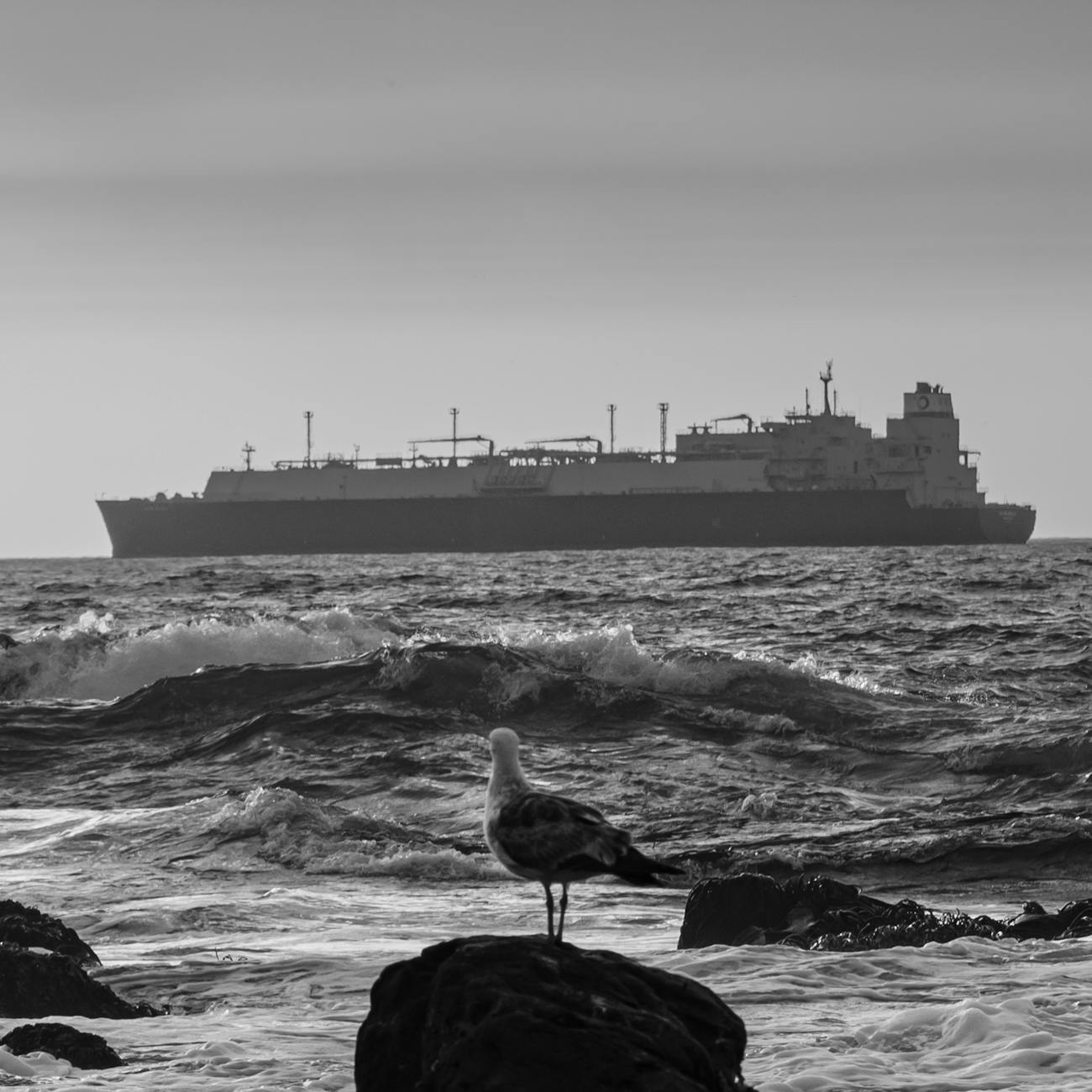
Admiralty Law: also known as maritime law, is a body of laws that governs navigation and shipping, both nationally and internationally. It covers a wide range of issues, including marine commerce, marine navigation, marine environmental protection, and marine salvage.
Marine Pollution: refers to the introduction of harmful substances or energy into the marine environment, such as oil spills, chemical pollution, and marine debris. These pollutants can have devastating effects on marine life and ecosystems, as well as human health and economic activities.
Marine Spatial Planning: is a process of analyzing and allocating the spatial and temporal distribution of human activities in the marine environment to achieve ecological, economic, and social objectives. This process helps to minimize conflicts between different users of the marine space and to promote sustainable use of marine resources.
International Maritime Organization (IMO): is a specialized agency of the United Nations responsible for regulating international shipping and preventing marine pollution from ships. The IMO develops and adopts international conventions, codes, and guidelines to promote safe, secure, and environmentally sound shipping.
MARPOL: is the International Convention for the Prevention of Pollution from Ships, adopted by the IMO in 1973. The convention sets out regulations for the prevention of pollution of the marine environment by ships, including oil, chemicals, garbage, and sewage.
Ballast Water: is water carried by ships to provide stability and balance. Ballast water can contain a wide range of marine organisms, including bacteria, microbes, and plants, which can be transported across the globe and introduced into new environments, leading to the spread of invasive species.
Ballast Water Management: refers to the strategies and technologies used to manage the risks associated with ballast water, including treatment systems, exchange procedures, and monitoring programs. The IMO's Ballast Water Management Convention sets out standards for the management of ballast water and sediments to prevent the spread of invasive species.
Emission Control Area (ECA): is a designated area within which stricter emissions standards apply to ships. ECAs are established to reduce the impact of shipping emissions on air quality and human health. The IMO has designated several ECAs around the world, including the North Sea, the Baltic Sea, and the coastal waters of North America.
Carbon Intensity Indicator (CII): is a measure of the carbon efficiency of a ship, expressed in grams of carbon dioxide emitted per tonne-mile. The CII is used to monitor and report on the carbon emissions of ships, and to incentivize the adoption of more efficient and sustainable shipping practices.
Marine Protected Areas (MPAs): are designated areas of the marine environment that are protected and managed to conserve marine biodiversity, ecosystems, and cultural heritage. MPAs can be established by national or international authorities, and can range from small, highly protected areas to large, multiple-use areas.
Marine Renewable Energy: refers to the generation of electricity from renewable sources in the marine environment, such as wave, tidal, and offshore wind energy. Marine renewable energy has the potential to provide a clean, sustainable, and reliable source of energy, while also reducing greenhouse gas emissions and promoting energy independence.
Ocean Acidification: is the process by which the oceans absorb carbon dioxide from the atmosphere, leading to a decrease in pH and an increase in acidity. Ocean acidification can have negative impacts on marine life, including corals, shellfish, and plankton, and can disrupt marine ecosystems and food chains.
Marine Litter: refers to any anthropogenic waste or debris that enters the marine environment, including plastic, fishing gear, and other solid materials. Marine litter can have negative impacts on marine life, ecosystems, and human health, and can also pose a threat to marine navigation and shipping.
Marine Conservation: is the protection, management, and restoration of the marine environment and its resources, with the aim of conserving biodiversity, ecosystems, and cultural heritage. Marine conservation can involve a range of strategies, including the establishment of marine protected areas, the promotion of sustainable fishing practices, and the reduction of marine pollution and litter.
Marine Ecosystem: is a complex and dynamic system of living organisms and their physical environment, including the water column, seabed, and atmosphere. Marine ecosystems provide a range of ecosystem services, including food, oxygen, and climate regulation, and support a wide range of human activities, including fishing, shipping, and tourism.
Marine Biodiversity: refers to the variety of living organisms, including plants, animals, and microorganisms, that inhabit the marine environment. Marine biodiversity is essential for the functioning and resilience of marine ecosystems, and provides a range of benefits to humans, including food, medicine, and cultural values.
Maritime Safety: refers to the measures and practices taken to ensure the safety of ships, crew, passengers, and cargo in the marine environment. Maritime safety includes the prevention of accidents, incidents, and emergencies, as well as the response and recovery efforts in the event of an accident or incident.
Marine Insurance: is a specialized form of insurance that covers the risks associated with marine activities, including shipping, fishing, and offshore oil and gas operations. Marine insurance can provide protection against a range of risks, including physical damage, liability, and business interruption.
Maritime Liens: are legal claims or charges on a ship or its cargo, arising from a maritime contract or tort. Maritime liens can be enforced by the seizure and sale of the ship or its cargo, and are used to secure payment for debts or damages incurred in the course of maritime activities.
In conclusion, maritime law covers a wide range of environmental issues related to the marine environment and its resources. Understanding the key terms and vocabulary used in this field is essential for anyone interested in pursuing a career in admiralty law or working in the maritime industry. From marine pollution and marine spatial planning to marine protected areas and marine renewable energy, the issues and challenges facing the marine environment are complex and multifaceted, requiring a comprehensive and interdisciplinary approach to address them effectively. By promoting sustainable and responsible use of the marine environment and its resources, we can ensure a healthy and prosperous future for generations to come.
Key takeaways
- Admiralty Law: also known as maritime law, is a body of laws that governs navigation and shipping, both nationally and internationally.
- Marine Pollution: refers to the introduction of harmful substances or energy into the marine environment, such as oil spills, chemical pollution, and marine debris.
- Marine Spatial Planning: is a process of analyzing and allocating the spatial and temporal distribution of human activities in the marine environment to achieve ecological, economic, and social objectives.
- International Maritime Organization (IMO): is a specialized agency of the United Nations responsible for regulating international shipping and preventing marine pollution from ships.
- The convention sets out regulations for the prevention of pollution of the marine environment by ships, including oil, chemicals, garbage, and sewage.
- Ballast water can contain a wide range of marine organisms, including bacteria, microbes, and plants, which can be transported across the globe and introduced into new environments, leading to the spread of invasive species.
- Ballast Water Management: refers to the strategies and technologies used to manage the risks associated with ballast water, including treatment systems, exchange procedures, and monitoring programs.