
Drone Systems Overview
Drone systems comprise various components that work together to enable the drone to function effectively. The airframe is the main structure of the drone, which provides the framework for mounting other components such as the motors , prope…
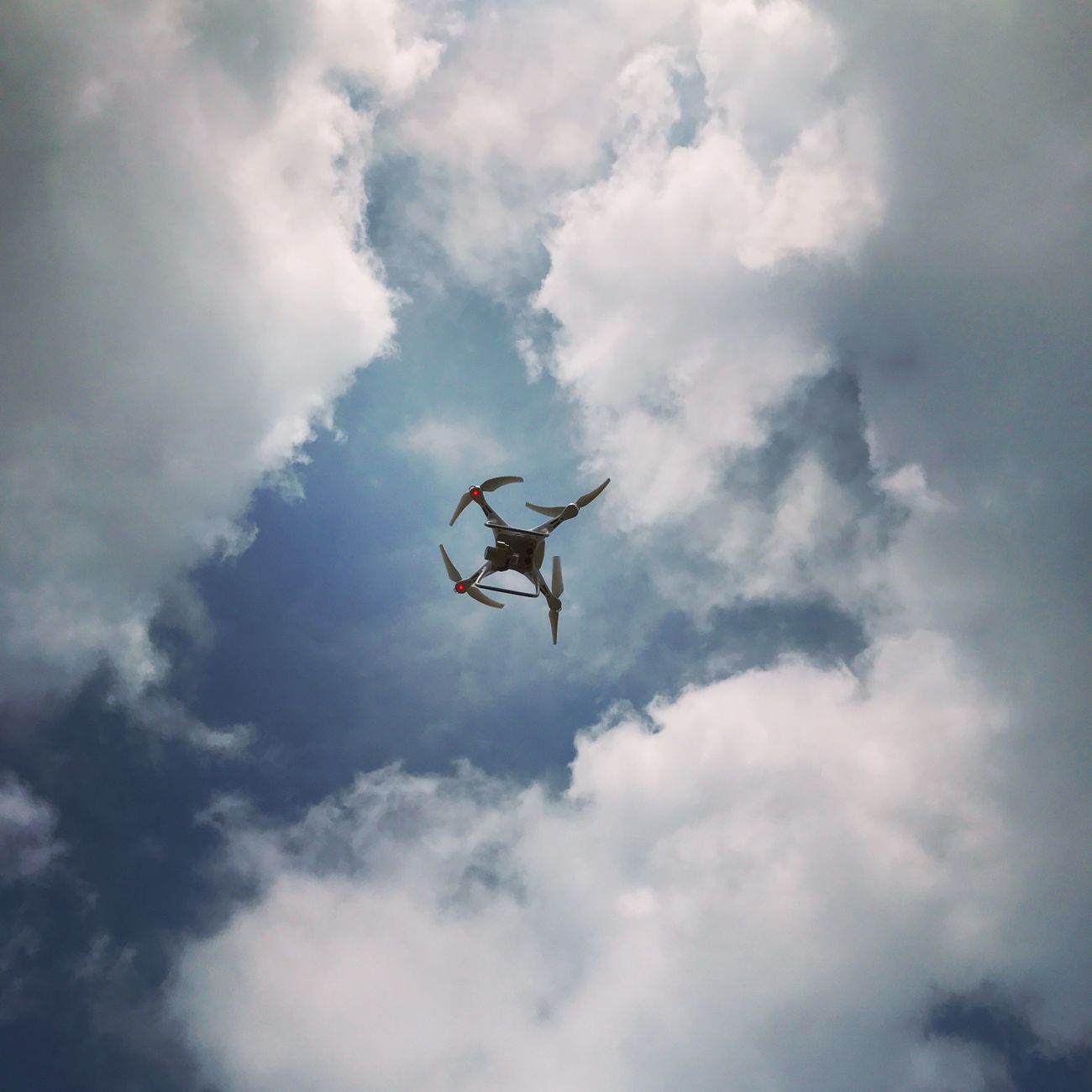
Drone systems comprise various components that work together to enable the drone to function effectively. The airframe is the main structure of the drone, which provides the framework for mounting other components such as the motors, propellers, and landing gear. The airframe is typically made of lightweight materials such as carbon fiber or aluminum to minimize weight and maximize efficiency. The design of the airframe plays a critical role in determining the overall aerodynamics and stability of the drone.
The propulsion system is responsible for generating the thrust required to lift the drone off the ground and propel it through the air. The propulsion system typically consists of motors, propellers, and esc (electronic speed controllers). The motors are usually brushless DC motors that provide high efficiency and reliability. The propellers are designed to produce a high amount of thrust while minimizing drag and vibration. The esc is responsible for controlling the speed of the motors and ensuring that they operate within a safe and efficient range.
The power system is responsible for providing the energy required to power the drone's components. The power system typically consists of a battery, power distribution board, and voltage regulator. The battery is usually a lithium polymer battery that provides a high amount of energy relative to its weight. The power distribution board is responsible for distributing power to the various components of the drone, while the voltage regulator ensures that the voltage supplied to the components is within a safe and stable range.
The control system is responsible for controlling the drone's movements and orientation. The control system typically consists of a flight controller, gyroscope, accelerometer, and compass. The flight controller is the brain of the drone and is responsible for processing data from the various sensors and controlling the motors to maintain stable flight. The gyroscope measures the drone's orientation and rotation, while the accelerometer measures the drone's acceleration and tilt. The compass provides information on the drone's heading and position.
The sensors are used to provide data to the flight controller and other components of the drone. The sensors typically include gps, barometer, thermometer, and current sensor. The gps provides information on the drone's position, velocity, and altitude. The barometer measures the atmospheric pressure and provides information on the drone's altitude. The thermometer measures the temperature of the drone's components and provides information on the thermal status of the drone. The current sensor measures the current drawn by the motors and provides information on the power consumption of the drone.
The communication system is used to transmit data between the drone and the ground station. The communication system typically consists of a radio transmitter and receiver, antenna, and protocol stack. The radio transmitter and receiver are used to transmit and receive data, while the antenna is used to improve the range and reliability of the communication system. The protocol stack is responsible for managing the communication protocol and ensuring that data is transmitted and received correctly.
The ground station is used to control and monitor the drone during flight. The ground station typically consists of a computer, monitor, joystick, and antenna. The computer is used to run the software that controls the drone, while the monitor is used to display the drone's video feed and telemetry data. The joystick is used to control the drone's movements, while the antenna is used to improve the range and reliability of the communication system.
Drone maintenance is critical to ensuring the safety and reliability of the drone. Regular maintenance tasks include cleaning the drone's components, inspecting the drone's airframe and propellers, and replacing worn or damaged components. The drone's battery should also be regularly checked and maintained to ensure that it is functioning properly.
Drone repair is also critical to ensuring the safety and reliability of the drone. Repair tasks include replacing damaged or worn components, fixing electrical issues, and calibrating the drone's sensors and control systems. The drone's propellers should also be regularly inspected and replaced if damaged or worn.
Drone components can be categorized into several types, including structural components, mechanical components, electrical components, and electronic components. Structural components include the airframe, landing gear, and propellers. Mechanical components include the motors, gearboxes, and control linkages. Electrical components include the battery, power distribution board, and voltage regulator. Electronic components include the flight controller, sensors, and communication systems.
Drone design is critical to ensuring the safety and reliability of the drone. The design should take into account the aerodynamics and stability of the drone, as well as the weight and balance of the drone. The design should also consider the materials used to construct the drone, as well as the manufacturing process used to produce the drone.
Drone testing is critical to ensuring the safety and reliability of the drone. The testing should include ground testing, flight testing, and performance testing. Ground testing includes inspecting the drone's components, checking the drone's electrical systems, and testing the drone's communication systems. Flight testing includes testing the drone's flight characteristics, testing the drone's stability and control, and testing the drone's performance in various environments.
Drone deployment is critical to ensuring the safety and reliability of the drone. The deployment should include pre-flight checks, in-flight monitoring, and post-flight checks. Pre-flight checks include inspecting the drone's components, checking the drone's electrical systems, and testing the drone's communication systems. In-flight monitoring includes monitoring the drone's position, velocity, and altitude, as well as monitoring the drone's systems and components. Post-flight checks include inspecting the drone's components, checking the drone's electrical systems, and testing the drone's communication systems.
Drone operations are critical to ensuring the safety and reliability of the drone. The operations should include pre-flight planning, in-flight management, and post-flight analysis. Pre-flight planning includes planning the drone's mission, checking the weather and environmental conditions, and coordinating with other stakeholders. In-flight management includes monitoring the drone's position, velocity, and altitude, as well as managing the drone's systems and components. Post-flight analysis includes analyzing the drone's performance, identifying areas for improvement, and implementing changes to improve the drone's safety and reliability.
The future of drone technology is exciting and rapidly evolving. Advances in materials and manufacturing are enabling the production of smaller, lighter, and more efficient drones. Advances in electronics and software are enabling the development of more autonomous and intelligent drones. The use of drones is expanding into new industries and applications, including agriculture, construction, and emergency response.
In agriculture, drones are being used to monitor crops, detect pests and diseases, and apply fertilizers and pesticides. In construction, drones are being used to inspect buildings and infrastructure, monitor construction progress, and deliver materials and equipment. In emergency response, drones are being used to respond to natural disasters, search for missing persons, and deliver aid and supplies.
The use of drones is also expanding into new recreational and hobbyist applications. Drones are being used for racing, aerobatics, and photography. The use of drones is also being explored for education and research purposes, including teaching students about science, technology, engineering, and mathematics (STEM) subjects.
However, the use of drones also raises several challenges and concerns. The use of drones raises privacy concerns, as drones can be used to spy on individuals and collect personal data. The use of drones also raises safety concerns, as drones can collide with other aircraft and cause accidents. The use of drones also raises regulatory challenges, as governments and agencies struggle to develop and enforce rules and regulations for the use of drones.
To address these challenges and concerns, governments and agencies are developing and implementing regulations and guidelines for the use of drones. These regulations and guidelines include rules for registration, licensing, and operation of drones. The regulations and guidelines also include standards for safety, security, and privacy.
In addition to regulations and guidelines, the development of new technologies and innovations is also critical to addressing the challenges and concerns associated with the use of drones. The development of autonomous and intelligent drones is enabling the use of drones for more complex and dangerous tasks, such as search and rescue operations. The development of secure and private communication systems is enabling the use of drones for sensitive and confidential applications.
The development of new materials and manufacturing technologies is also enabling the production of smaller, lighter, and more efficient drones. The use of additive manufacturing technologies, such as 3D printing, is enabling the production of complex and customized drone components. The use of advanced materials, such as composites and nanomaterials, is enabling the production of drones with improved strength, stiffness, and durability.
The future of drone technology is exciting and rapidly evolving. As the use of drones expands into new industries and applications, the development of new technologies and innovations will be critical to addressing the challenges and concerns associated with the use of drones. The use of drones has the potential to transform many industries and applications, and to improve the efficiency, safety, and productivity of many tasks and operations.
Key takeaways
- The airframe is the main structure of the drone, which provides the framework for mounting other components such as the motors, propellers, and landing gear.
- The propulsion system is responsible for generating the thrust required to lift the drone off the ground and propel it through the air.
- The power distribution board is responsible for distributing power to the various components of the drone, while the voltage regulator ensures that the voltage supplied to the components is within a safe and stable range.
- The flight controller is the brain of the drone and is responsible for processing data from the various sensors and controlling the motors to maintain stable flight.
- The thermometer measures the temperature of the drone's components and provides information on the thermal status of the drone.
- The radio transmitter and receiver are used to transmit and receive data, while the antenna is used to improve the range and reliability of the communication system.
- The joystick is used to control the drone's movements, while the antenna is used to improve the range and reliability of the communication system.