
Airframe Inspection Techniques
Airframe inspection techniques are a critical component of drone repair and maintenance, as they enable technicians to identify and address potential issues before they become major problems. One of the key concepts in airframe inspection i…
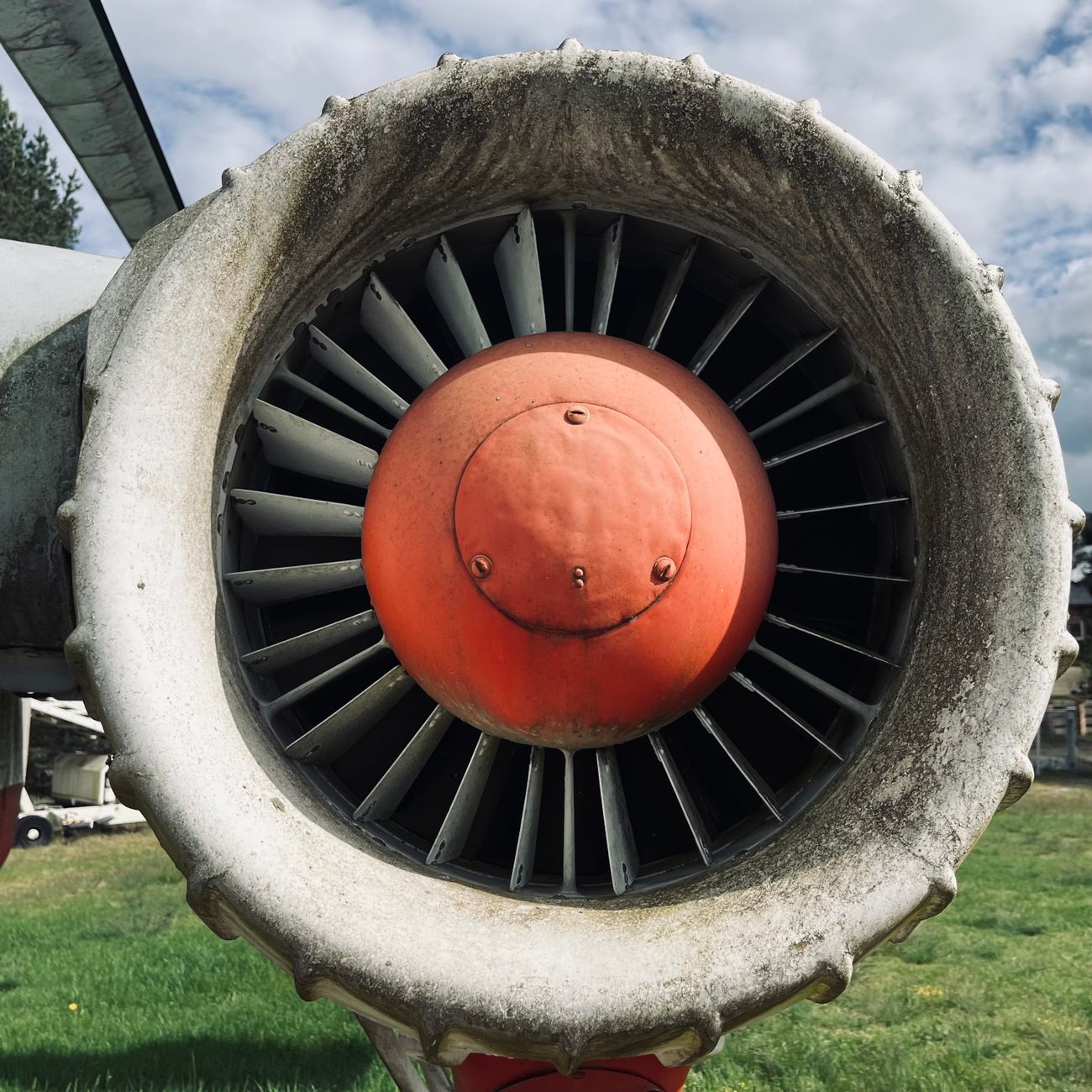
Airframe inspection techniques are a critical component of drone repair and maintenance, as they enable technicians to identify and address potential issues before they become major problems. One of the key concepts in airframe inspection is the visual examination, which involves a thorough inspection of the drone's exterior and interior surfaces to identify any signs of damage or wear. This can include checking for cracks in the airframe, corrosion on metal components, and delamination of composite materials.
Another important aspect of airframe inspection is the use of non-destructive testing (NDT) techniques, which allow technicians to inspect the airframe without causing damage to the drone. These techniques can include ultrasound testing, radiography, and eddy current testing, among others. NDT techniques are particularly useful for inspecting internal components, such as fuel tanks and pipework, that are not easily accessible through visual examination.
In addition to visual examination and NDT, airframe inspection also involves a thorough review of the drone's maintenance records and flight history. This can help technicians to identify potential issues that may have arisen during previous flights, such as hard landings or bird strikes. By reviewing the maintenance records, technicians can also determine whether the drone has been properly maintained and whether any required repairs or replacements have been made.
The airframe itself is a critical component of the drone, and is typically made up of a combination of metal and composite materials. The airframe provides the structural support for the drone, and must be able to withstand the stresses and strains of flight, including turbulence and g-forces. The airframe also provides a platform for the installation of other critical components, such as the engine, propellers, and avionics systems.
One of the key challenges in airframe inspection is the detection of hidden damage, which can occur when the drone is subjected to impact or stress that is not immediately visible. This type of damage can be particularly difficult to detect, as it may not be apparent through visual examination or NDT. In these cases, technicians may need to use specialized equipment, such as thermal imaging cameras, to detect heat signatures or other indicators of hidden damage.
The inspection process itself typically involves a series of checks and tests that are designed to identify potential issues with the airframe. These can include visual inspections of the airframe and its components, as well as functional tests of the drone's systems and subsystems. The inspection process may also involve the use of specialized tools, such as borescopes and endoscopes, to inspect internal components and hard-to-reach areas.
In addition to the inspection process, airframe inspection also involves the use of reference materials, such as manuals and guidelines, to ensure that the inspection is conducted in accordance with established standards and regulations. These reference materials can provide valuable guidance and information on the inspection process, including checklists and procedures for specific types of inspections.
The importance of airframe inspection cannot be overstated, as it is a critical component of ensuring the safety and reliability of the drone. By identifying and addressing potential issues with the airframe, technicians can help to prevent accidents and incidents that can result in damage to the drone or injury to people on the ground. Regular airframe inspection can also help to extend the life of the drone, by identifying and addressing potential issues before they become major problems.
One of the key benefits of airframe inspection is the ability to identify and address potential issues before they become major problems. This can help to reduce the risk of accidents and incidents, and can also help to minimize downtime and reduce maintenance costs. By identifying and addressing potential issues early, technicians can also help to extend the life of the drone, and can help to ensure that it remains airworthy and safe to operate.
The challenges of airframe inspection are numerous, and can include the complexity of the inspection process, the need for specialized equipment and training, and the requirement for thorough and detailed inspections. Additionally, the inspection process can be time-consuming and labor-intensive, and may require the use of multiple technicians and specialized tools. Despite these challenges, however, airframe inspection is a critical component of drone repair and maintenance, and is essential for ensuring the safety and reliability of the drone.
The future of airframe inspection is likely to involve the use of advanced technologies, such as artificial intelligence and machine learning, to improve the efficiency and effectiveness of the inspection process. This can include the use of automated systems and robots to conduct inspections, as well as the use of data analytics and predictive maintenance to identify potential issues before they become major problems. By leveraging these advanced technologies, technicians can help to improve the safety and reliability of the drone, and can help to reduce maintenance costs and downtime.
In terms of practical applications, airframe inspection is used in a variety of industries and applications, including military and commercial aviation, as well as recreational and hobbyist drone use. The inspection process can be tailored to the specific needs and requirements of each industry or application, and can involve the use of specialized equipment and techniques. By using airframe inspection, technicians can help to ensure the safety and reliability of the drone, and can help to extend its life and reduce maintenance costs.
The role of the technician is critical in airframe inspection, as they are responsible for conducting the inspection and identifying potential issues with the airframe. The technician must have a thorough understanding of the inspection process, as well as the knowledge and skills necessary to use specialized equipment and techniques. The technician must also be able to interpret the results of the inspection, and make recommendations for repairs or maintenance as needed.
In terms of training and certification, technicians who perform airframe inspection must have the necessary qualifications and experience to conduct the inspection. This can include formal training and certification programs, as well as on-the-job training and mentorship. The technician must also stay up-to-date with the latest technologies and techniques, and must be familiar with the regulations and standards that govern airframe inspection.
The cost of airframe inspection can vary widely, depending on the type and complexity of the inspection, as well as the equipment and techniques used. In general, however, airframe inspection is a cost-effective way to ensure the safety and reliability of the drone, as it can help to reduce maintenance costs and downtime. By identifying and addressing potential issues early, technicians can also help to extend the life of the drone, and can help to minimize the need for costly repairs and replacements.
In terms of industry trends, airframe inspection is becoming increasingly important as the use of drones becomes more widespread and commonplace. As the technology continues to evolve and improve, the need for effective and efficient airframe inspection techniques will only increase. By staying up-to-date with the latest technologies and techniques, technicians can help to ensure the safety and reliability of the drone, and can help to drive the growth and development of the industry.
The regulatory framework for airframe inspection is established by government agencies and industry organizations, and is designed to ensure the safety and reliability of the drone. The regulations and standards that govern airframe inspection can vary widely, depending on the type and purpose of the drone, as well as the industry or application in which it is used. By familiarizing themselves with the regulations and standards that govern airframe inspection, technicians can help to ensure that the inspection is conducted in a safe and effective manner.
In terms of best practices, airframe inspection should be conducted on a regular basis, and should be tailored to the specific needs and requirements of the drone and its operation. The inspection should be conducted by a qualified and experienced technician, and should involve the use of specialized equipment and techniques. By following best practices for airframe inspection, technicians can help to ensure the safety and reliability of the drone, and can help to extend its life and reduce maintenance costs.
The tools and equipment used in airframe inspection can vary widely, depending on the type and complexity of the inspection. Some common tools and equipment used in airframe inspection include visual inspection aids, such as borescopes and endoscopes, as well as non-destructive testing (NDT) equipment, such as ultrasound and radiography machines. The technician must be familiar with the operation and use of these tools and equipment, and must be able to interpret the results of the inspection.
The documentation of airframe inspection is critical, as it provides a record of the inspection and its results. The documentation should include a detailed description of the inspection, including the methods and equipment used, as well as the results of the inspection and any recommendations for repairs or maintenance. The documentation should also be accurate and complete, and should be retained for a period of time as specified by regulations or industry standards.
The quality control process for airframe inspection is designed to ensure that the inspection is conducted in a safe and effective manner, and that the results of the inspection are accurate and reliable. The quality control process should include a review of the inspection process and its results, as well as a verification of the qualifications and experience of the technician. The quality control process should also include a check of the equipment and tools used in the inspection, to ensure that they are calibrated and functioning properly.
The safety of airframe inspection is critical, as it involves the use of specialized equipment and techniques that can be hazardous if not used properly. The technician must be aware of the risks and hazards associated with airframe inspection, and must take steps to mitigate them. This can include the use of personal protective equipment (PPE), such as gloves and safety glasses, as well as the implementation of safety procedures and protocols.
The environmental impact of airframe inspection is minimal, as it typically involves the use of non-invasive techniques and equipment. However, the technician must be aware of the potential environmental hazards associated with airframe inspection, such as the use of hazardous materials or the generation of waste. By taking steps to minimize the environmental impact of airframe inspection, technicians can help to reduce their carbon footprint and contribute to a more sustainable future.
The integration of airframe inspection with other maintenance and repair activities is critical, as it can help to improve the efficiency and effectiveness of the maintenance process. By integrating airframe inspection with other maintenance activities, technicians can help to identify and address potential issues early, and can help to reduce downtime and minimize the need for costly repairs and replacements. The integration of airframe inspection with other maintenance activities can also help to improve the safety and reliability of the drone, and can help to extend its life and reduce maintenance costs.
The continuity of airframe inspection is critical, as it can help to ensure that the safety and reliability of the drone are maintained over time. By conducting regular airframe inspections, technicians can help to identify and address potential issues early, and can help to reduce the risk of accidents and incidents. The continuity of airframe inspection can also help to improve the efficiency and effectiveness of the maintenance process, and can help to reduce downtime and minimize the need for costly repairs and replacements.
The record-keeping requirements for airframe inspection are critical, as they provide a record of the inspection and its results. The record-keeping requirements should include a detailed description of the inspection, including the methods and equipment used, as well as the results of the inspection and any recommendations for repairs or maintenance. The record-keeping requirements should also include a record of the technician who conducted the inspection, as well as the date and time of the inspection.
The regulatory requirements for airframe inspection are established by government agencies and industry organizations, and are designed to ensure the safety and reliability of the drone. The regulatory requirements should include a detailed description of the inspection process, including the methods and equipment used, as well as the results of the inspection and any recommendations for repairs or maintenance. The regulatory requirements should also include a record-keeping requirement, to ensure that a record of the inspection is maintained.
The industry standards for airframe inspection are established by industry organizations and are designed to ensure the safety and reliability of the drone. The industry standards should include a detailed description of the inspection process, including the methods and equipment used, as well as the results of the inspection and any recommendations for repairs or maintenance. The industry standards should also include a record-keeping requirement, to ensure that a record of the inspection is maintained.
The best practices for airframe inspection should include a detailed description of the inspection process, including the methods and equipment used, as well as the results of the inspection and any recommendations for repairs or maintenance. The best practices should also include a record-keeping requirement, to ensure that a record of the inspection is maintained. By following best practices for airframe inspection, technicians can help to ensure the safety and reliability of the drone, and can help to extend its life and reduce maintenance costs.
The future developments in airframe inspection are likely to involve the use of advanced technologies, such as artificial intelligence and machine learning, to improve the efficiency and effectiveness of the inspection process. The future developments may also involve the use of non-destructive testing (NDT) techniques, such as ultrasound and radiography, to inspect the airframe without causing damage. By staying up-to-date with the latest technologies and techniques, technicians can help to ensure the safety and reliability of the drone, and can help to drive the growth and development of the industry.
Key takeaways
- One of the key concepts in airframe inspection is the visual examination, which involves a thorough inspection of the drone's exterior and interior surfaces to identify any signs of damage or wear.
- Another important aspect of airframe inspection is the use of non-destructive testing (NDT) techniques, which allow technicians to inspect the airframe without causing damage to the drone.
- By reviewing the maintenance records, technicians can also determine whether the drone has been properly maintained and whether any required repairs or replacements have been made.
- The airframe provides the structural support for the drone, and must be able to withstand the stresses and strains of flight, including turbulence and g-forces.
- One of the key challenges in airframe inspection is the detection of hidden damage, which can occur when the drone is subjected to impact or stress that is not immediately visible.
- The inspection process may also involve the use of specialized tools, such as borescopes and endoscopes, to inspect internal components and hard-to-reach areas.
- These reference materials can provide valuable guidance and information on the inspection process, including checklists and procedures for specific types of inspections.