
Safety Protocols and Documentation
In the drone repair and maintenance course, understanding key terms and vocabulary related to safety protocols and documentation is crucial. This knowledge helps technicians and operators ensure the safe and efficient operation of drones, m…
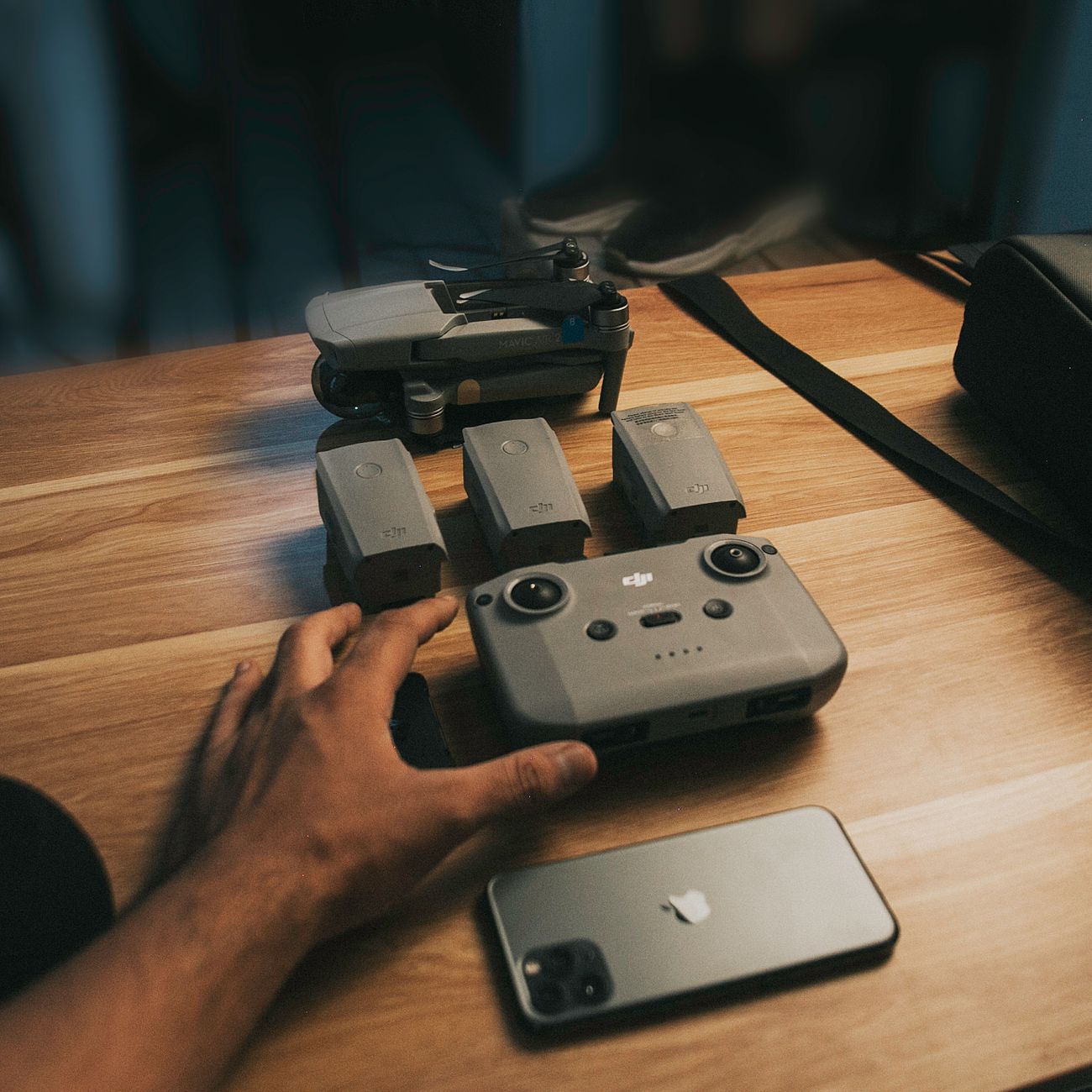
In the drone repair and maintenance course, understanding key terms and vocabulary related to safety protocols and documentation is crucial. This knowledge helps technicians and operators ensure the safe and efficient operation of drones, minimizing risks to people and the environment. One essential term is Hazard assessment, which involves identifying potential risks associated with drone operations, such as collisions or equipment failures. Technicians must conduct thorough hazard assessments to develop effective safety protocols and mitigate potential risks.
Another critical concept is Risk management, which involves analyzing and mitigating potential risks associated with drone operations. This includes identifying potential hazards, assessing the likelihood and impact of these hazards, and implementing measures to minimize or eliminate them. For example, a drone operator may implement pre-flight checks to ensure the drone is airworthy and reduce the risk of equipment failure during flight. These checks may include inspecting the propellers, battery, and control systems to ensure they are functioning properly.
Effective communication is also vital in drone repair and maintenance. Technicians and operators must clearly communicate with each other and with stakeholders, such as air traffic control or emergency services, to ensure safe and efficient operations. This includes using standardized terminology and protocols to avoid confusion and miscommunication. For instance, technicians may use checklists to ensure that all necessary pre-flight checks are completed and documented, reducing the risk of human error.
Safety protocols and documentation are essential components of drone repair and maintenance. Technicians must maintain accurate and detailed records of maintenance and repair activities, including inspections, repairs, and modifications. These records help track the drone's maintenance history and ensure that all necessary safety protocols are followed. For example, a technician may maintain a logbook to record all maintenance activities, including the date, time, and details of the work performed.
In addition to safety protocols, technicians must also be familiar with regulatory requirements and standards governing drone operations. This includes understanding laws and regulations related to drone operations, such as those related to altitude, airspace, and privacy. For instance, technicians may need to comply with FAA regulations in the United States, which require drones to operate below a certain altitude and avoid restricted airspace.
Quality control is another critical aspect of drone repair and maintenance. Technicians must ensure that all maintenance and repair activities are performed to high standards, using approved procedures and materials. This includes using certified tools and equipment to perform maintenance and repair tasks, such as welding or soldering. For example, a technician may use a calibrated multimeter to test the drone's electrical systems and ensure they are functioning within specifications.
Technicians must also be familiar with troubleshooting techniques and procedures to diagnose and repair faults or malfunctions in the drone. This includes using diagnostic tools and software to identify the root cause of a problem and develop an effective repair plan. For instance, a technician may use a simulator to test the drone's flight control systems and identify any issues or anomalies.
In addition to technical knowledge, technicians must also possess soft skills, such as communication and teamwork skills. This includes working effectively with other technicians and stakeholders, such as pilots or operators, to ensure safe and efficient operations. For example, a technician may need to collaborate with a pilot to diagnose and repair a fault or malfunction in the drone.
Continuing education and training are essential for technicians to stay up-to-date with the latest technologies and procedures in drone repair and maintenance. This includes attending workshops and seminars, as well as completing online courses or certification programs. For instance, a technician may complete a certification program in drone repair and maintenance to demonstrate their expertise and competence in the field.
Emergency procedures are also critical in drone repair and maintenance. Technicians must be prepared to respond to emergencies, such as a drone crash or malfunction, and have a plan in place to mitigate the risks and consequences. This includes having emergency contact information and procedures in place, such as a first aid kit and fire extinguisher. For example, a technician may develop an emergency response plan that includes procedures for responding to a drone crash or fire.
Environmental factors, such as weather conditions, can also impact drone operations and maintenance. Technicians must be aware of these factors and take steps to mitigate their effects. For instance, a technician may need to adjust the drone's settings to account for wind or temperature conditions, or use protective covering to prevent damage from the elements.
Logistical considerations, such as storage and transportation, are also important in drone repair and maintenance. Technicians must ensure that drones are stored and transported safely and securely, using approved procedures and equipment. For example, a technician may use a hard case to transport the drone and accessories, and store the drone in a secure facility to prevent theft or damage.
Regulatory compliance is also essential in drone repair and maintenance. Technicians must be aware of and comply with relevant laws and regulations, such as those related to aviation or environmental protection. For instance, a technician may need to comply with FAA regulations in the United States, which require drones to operate below a certain altitude and avoid restricted airspace.
Insurance and liability are also important considerations in drone repair and maintenance. Technicians must ensure that they have adequate insurance coverage to protect against accidents or damage to the drone or third-party property. For example, a technician may purchase liability insurance to cover damages or injuries caused by the drone, or equipment insurance to cover loss or damage to the drone or accessories.
Customer service is also critical in drone repair and maintenance. Technicians must provide high-quality service and support to customers, including communication and feedback on the status of repairs or maintenance. For instance, a technician may provide regular updates to the customer on the status of the repair, or offer advice and recommendations on maintenance and repair procedures.
Certification and licensing are also important in drone repair and maintenance. Technicians may need to obtain certification or licensing to perform certain tasks or operate specific types of drones. For example, a technician may need to obtain a certification in drone repair and maintenance to demonstrate their expertise and competence in the field.
Quality assurance is another critical aspect of drone repair and maintenance. Technicians must ensure that all maintenance and repair activities are performed to high standards, using approved procedures and materials. This includes using certified tools and equipment to perform maintenance and repair tasks, such as welding or soldering. For instance, a technician may use a calibrated multimeter to test the drone's electrical systems and ensure they are functioning within specifications.
Research and development are ongoing in the field of drone repair and maintenance. Technicians must stay up-to-date with the latest technologies and procedures to ensure they can perform maintenance and repair tasks effectively and safely. For example, a technician may participate in research and development activities, such as testing new materials or technologies, to improve the efficiency and effectiveness of drone repair and maintenance.
Collaboration and partnership are also important in drone repair and maintenance. Technicians may need to work with other stakeholders, such as pilots or operators, to ensure safe and efficient operations. For instance, a technician may collaborate with a pilot to diagnose and repair a fault or malfunction in the drone, or work with a manufacturer to develop new procedures or technologies for drone repair and maintenance.
Standardization is another critical aspect of drone repair and maintenance. Technicians must follow standardized procedures and protocols to ensure consistency and quality in maintenance and repair activities. For example, a technician may follow a standardized checklist to ensure that all necessary pre-flight checks are completed and documented, reducing the risk of human error.
Documentation is also essential in drone repair and maintenance. Technicians must maintain accurate and detailed records of maintenance and repair activities, including inspections, repairs, and modifications. These records help track the drone's maintenance history and ensure that all necessary safety protocols are followed. For instance, a technician may maintain a logbook to record all maintenance activities, including the date, time, and details of the work performed.
Training and education are critical components of drone repair and maintenance. Technicians must receive regular training and education to stay up-to-date with the latest technologies and procedures. This includes attending workshops and seminars, as well as completing online courses or certification programs. For example, a technician may complete a certification program in drone repair and maintenance to demonstrate their expertise and competence in the field.
Specialization is another important aspect of drone repair and maintenance. Technicians may specialize in specific areas, such as electrical or mechanical systems, to develop expertise and competence in those areas. For instance, a technician may specialize in avionics systems, which includes the electrical and electronic systems of the drone.
Continuous improvement is also essential in drone repair and maintenance. Technicians must continually assess and improve their processes and procedures to ensure they are operating efficiently and safely. For example, a technician may use quality control metrics to monitor and improve the quality of maintenance and repair activities, or implement new technologies or procedures to improve the efficiency and effectiveness of drone repair and maintenance.
Regulatory compliance is also critical in drone repair and maintenance. Technicians must be aware of and comply with relevant laws and regulations, such as those related to aviation or environmental protection. For instance, a technician may need to comply with FAA regulations in the United States, which require drones to operate below a certain altitude and avoid restricted airspace.
Environmental considerations are also important in drone repair and maintenance. Technicians must ensure that their activities do not harm the environment or wildlife, and take steps to mitigate any potential impacts. For example, a technician may use environmentally friendly materials and procedures to minimize the impact of drone repair and maintenance on the environment.
Customer satisfaction is also critical in drone repair and maintenance. Technicians must provide high-quality service and support to customers, including communication and feedback on the status of repairs or maintenance. For instance, a technician may provide regular updates to the customer on the status of the repair, or offer advice and recommendations on maintenance and repair procedures.
Insurance and liability are also important considerations in drone repair and maintenance. Technicians must ensure that they have adequate insurance coverage to protect against accidents or damage to the drone or third-party property. For example, a technician may purchase liability insurance to cover damages or injuries caused by the drone, or equipment insurance to cover loss or damage to the drone or accessories.
Certification and licensing are also important in drone repair and maintenance. Technicians may need to obtain certification or licensing to perform certain tasks or operate specific types of drones. For instance, a technician may need to obtain a certification in drone repair and maintenance to demonstrate their expertise and competence in the field.
Quality control is another critical aspect of drone repair and maintenance. Technicians must ensure that all maintenance and repair activities are performed to high standards, using approved procedures and materials. This includes using certified tools and equipment to perform maintenance and repair tasks, such as welding or soldering. For example, a technician may use a calibrated multimeter to test the drone's electrical systems and ensure they are functioning within specifications.
Research and development are ongoing in the field of drone repair and maintenance. Technicians must stay up-to-date with the latest technologies and procedures to ensure they can perform maintenance and repair tasks effectively and safely. For instance, a technician may participate in research and development activities, such as testing new materials or technologies, to improve the efficiency and effectiveness of drone repair and maintenance.
Collaboration and partnership are also important in drone repair and maintenance. Technicians may need to work with other stakeholders, such as pilots or operators, to ensure safe and efficient operations. For example, a technician may collaborate with a pilot to diagnose and repair a fault or malfunction in the drone, or work with a manufacturer to develop new procedures or technologies for drone repair and maintenance.
Standardization is another critical aspect of drone repair and maintenance. Technicians must follow standardized procedures and protocols to ensure consistency and quality in maintenance and repair activities. For instance, a technician may follow a standardized checklist to ensure that all necessary pre-flight checks are completed and documented, reducing the risk of human error.
Documentation is also essential in drone repair and maintenance. Technicians must maintain accurate and detailed records of maintenance and repair activities, including inspections, repairs, and modifications. These records help track the drone's maintenance history and ensure that all necessary safety protocols are followed. For example, a technician may maintain a logbook to record all maintenance activities, including the date, time, and details of the work performed.
Training and education are critical components of drone repair and maintenance. Technicians must receive regular training and education to stay up-to-date with the latest technologies and procedures. This includes attending workshops and seminars, as well as completing online courses or certification programs. For instance, a technician may complete a certification program in drone repair and maintenance to demonstrate their expertise and competence in the field.
Specialization is another important aspect of drone repair and maintenance. Technicians may specialize in specific areas, such as electrical or mechanical systems, to develop expertise and competence in those areas. For example, a technician may specialize in avionics systems, which includes the electrical and electronic systems of the drone.
Continuous improvement is also essential in drone repair and maintenance. Technicians must continually assess and improve their processes and procedures to ensure they are operating efficiently and safely. For instance, a technician may use quality control metrics to monitor and improve the quality of maintenance and repair activities, or implement new technologies or procedures to improve the efficiency and effectiveness of drone repair and maintenance.
Regulatory compliance is also critical in drone repair and maintenance. Technicians must be aware of and comply with relevant laws and regulations, such as those related to aviation or environmental protection. For example, a technician may need to comply with FAA regulations in the United States, which require drones to operate below a certain altitude and avoid restricted airspace.
Environmental considerations are also important in drone repair and maintenance. Technicians must ensure that their activities do not harm the environment or wildlife, and take steps to mitigate any potential impacts. For instance, a technician may use environmentally friendly materials and procedures to minimize the impact of drone repair and maintenance on the environment.
Customer satisfaction is also critical in drone repair and maintenance. Technicians must provide high-quality service and support to customers, including communication and feedback on the status of repairs or maintenance. For example, a technician may provide regular updates to the customer on the status of the repair, or offer advice and recommendations on maintenance and repair procedures.
Insurance and liability are also important considerations in drone repair and maintenance. Technicians must ensure that they have adequate insurance coverage to protect against accidents or damage to the drone or third-party property. For instance, a technician may purchase liability insurance to cover damages or injuries caused by the drone, or equipment insurance to cover loss or damage to the drone or accessories.
Certification and licensing are also important in drone repair and maintenance. Technicians may need to obtain certification or licensing to perform certain tasks or operate specific types of drones. For instance, a technician may need to obtain a certification in drone repair and maintenance to demonstrate their expertise and competence in the field.
Quality control is another critical aspect of drone repair and maintenance. Technicians must ensure that all maintenance and repair activities are performed to high standards, using approved procedures and materials. This includes using certified tools and equipment to perform maintenance and repair tasks, such as welding or soldering. For example, a technician may use a calibrated multimeter to test the drone's electrical systems and ensure they are functioning within specifications.
Research and development are ongoing in the field of drone repair and maintenance. Technicians must stay up-to-date with the latest technologies and procedures to ensure they can perform maintenance and repair tasks effectively and safely. For instance, a technician may participate in research and development activities, such as testing new materials or technologies, to improve the efficiency and effectiveness of drone repair and maintenance.
Collaboration and partnership are also important in drone repair and maintenance. Technicians may need to work with other stakeholders, such as pilots or operators, to ensure safe and efficient operations. For example, a technician may collaborate with a pilot to diagnose and repair a fault or malfunction in the drone, or work with a manufacturer to develop new procedures or technologies for drone repair and maintenance.
Standardization is another critical aspect of drone repair and maintenance. Technicians must follow standardized procedures and protocols to ensure consistency and quality in maintenance and repair activities. For instance, a technician may follow a standardized checklist to ensure that all necessary pre-flight checks are completed and documented, reducing the risk of human error.
Documentation is also essential in drone repair and maintenance. Technicians must maintain accurate and detailed records of maintenance and repair activities, including inspections, repairs, and modifications. These records help track the drone's maintenance history and ensure that all necessary safety protocols are followed. For example, a technician may maintain a logbook to record all maintenance activities, including the date, time, and details of the work performed.
Training and education are critical components of drone repair and maintenance. Technicians must receive regular training and education to stay up-to-date with the latest technologies and procedures. This includes attending workshops and seminars, as well as completing online courses or certification programs. For instance, a technician may complete a certification program in drone repair and maintenance to demonstrate their expertise and competence in the field.
Specialization is another important aspect of drone repair and maintenance. Technicians may specialize in specific areas, such as electrical or mechanical systems, to develop expertise and competence in those areas. For example, a technician may specialize in avionics systems, which includes the electrical and electronic systems of the drone.
Continuous improvement is also essential in drone repair and maintenance. Technicians must continually assess and improve their processes and procedures to ensure they are operating efficiently and safely. For instance, a technician may use quality control metrics to monitor and improve the quality of maintenance and repair activities, or implement new technologies or procedures to improve the efficiency and effectiveness of drone repair and maintenance.
Regulatory compliance is also critical in drone repair and maintenance. Technicians must be aware of and comply with relevant laws and regulations, such as those related to aviation or environmental protection. For example, a technician may need to comply with FAA regulations in the United States, which require drones to operate below a certain altitude and avoid restricted airspace.
Environmental considerations are also important in drone repair and maintenance. Technicians must ensure that their activities do not harm the environment or wildlife, and take steps to mitigate any potential impacts. For instance, a technician may use environmentally friendly materials and procedures to minimize the impact of drone repair and maintenance on the environment.
Customer satisfaction is also critical in drone repair and maintenance. Technicians must provide high-quality service and support to customers, including communication and feedback on the status of repairs or maintenance. For example, a technician may provide regular updates to the customer on the status of the repair, or offer advice and recommendations on maintenance and repair procedures.
Insurance and liability are also important considerations in drone repair and maintenance. Technicians must ensure that they have adequate insurance coverage to protect against accidents or damage to the drone or third-party property. For instance, a technician may purchase liability insurance to cover damages or injuries caused by the drone, or equipment insurance to cover loss or damage to the drone or accessories.
Certification and licensing are also important in drone repair and maintenance. Technicians may need to obtain certification or licensing to perform certain tasks or operate specific types of drones. For instance, a technician may need to obtain a certification in drone repair and maintenance to demonstrate their expertise and competence in the field.
Quality control is another critical aspect of drone repair and maintenance. Technicians must ensure that all maintenance and repair activities are performed to high standards, using approved procedures and materials. This includes using certified tools and equipment to perform maintenance and repair tasks, such as welding or soldering. For example, a technician may use a calibrated multimeter to test the drone's electrical systems and ensure they are functioning within specifications.
Research and development are ongoing in the field of drone repair and maintenance. Technicians must stay up-to-date with the latest technologies and procedures to ensure they can perform maintenance and repair tasks effectively and safely. For instance, a technician may participate in research and development activities, such as testing new materials or technologies, to improve the efficiency and effectiveness of drone repair and maintenance.
Collaboration and partnership are also important in drone repair and maintenance. Technicians may need to work with other stakeholders, such as pilots or operators, to ensure safe and efficient operations. For example, a technician may collaborate with a pilot to diagnose and repair a fault or malfunction in the drone, or work with a manufacturer to develop new procedures or technologies for drone repair and maintenance.
Standardization is another critical aspect of drone repair and maintenance. Technicians must follow standardized procedures and protocols to ensure consistency and quality in maintenance and repair activities. For instance, a technician may follow a standardized checklist to ensure that all necessary pre-flight checks are completed and documented, reducing the risk of human error.
Documentation is also essential in drone repair and maintenance. Technicians must maintain accurate and detailed records of maintenance and repair activities, including inspections, repairs, and modifications. These records help track the drone's maintenance history and ensure that all necessary safety protocols are followed. For example, a technician may maintain a logbook to record all maintenance activities, including the date, time, and details of the work performed.
Training and education are critical components of drone repair and maintenance. Technicians must receive regular training and education to stay up-to-date with the latest technologies and procedures. This includes attending workshops and seminars, as well as completing online courses or certification programs. For instance, a technician may complete a certification program in drone repair and maintenance to demonstrate their expertise and competence in the field.
Specialization is another important aspect of drone repair and maintenance. Technicians may specialize in specific areas, such as electrical or mechanical systems, to develop expertise and competence in those areas. For example, a technician may specialize in avionics systems, which includes the electrical and electronic systems of the drone.
Continuous improvement is also essential in drone repair and maintenance. Technicians must continually assess and improve their processes and procedures to ensure they are operating efficiently and safely. For instance, a technician may use quality control metrics to monitor and improve the quality of maintenance and repair activities, or implement new technologies or procedures to improve the efficiency and effectiveness of drone repair and maintenance.
Regulatory compliance is also critical in drone repair and maintenance. Technicians must be aware of and comply with relevant laws and regulations, such as those related to aviation or environmental protection. For example, a technician may need to comply with FAA regulations in the United States, which require drones to operate below a certain altitude and avoid restricted airspace.
Environmental considerations are also important in drone repair and maintenance. Technicians must ensure that their activities do not harm the environment or wildlife, and take steps to mitigate any potential
Key takeaways
- One essential term is Hazard assessment, which involves identifying potential risks associated with drone operations, such as collisions or equipment failures.
- This includes identifying potential hazards, assessing the likelihood and impact of these hazards, and implementing measures to minimize or eliminate them.
- Technicians and operators must clearly communicate with each other and with stakeholders, such as air traffic control or emergency services, to ensure safe and efficient operations.
- Technicians must maintain accurate and detailed records of maintenance and repair activities, including inspections, repairs, and modifications.
- For instance, technicians may need to comply with FAA regulations in the United States, which require drones to operate below a certain altitude and avoid restricted airspace.
- For example, a technician may use a calibrated multimeter to test the drone's electrical systems and ensure they are functioning within specifications.
- Technicians must also be familiar with troubleshooting techniques and procedures to diagnose and repair faults or malfunctions in the drone.