
Freight transportation management
Freight Transportation Management: Freight transportation management refers to the planning, coordination, and optimization of the movement of goods from one location to another. It involves various activities such as route planning, carrie…
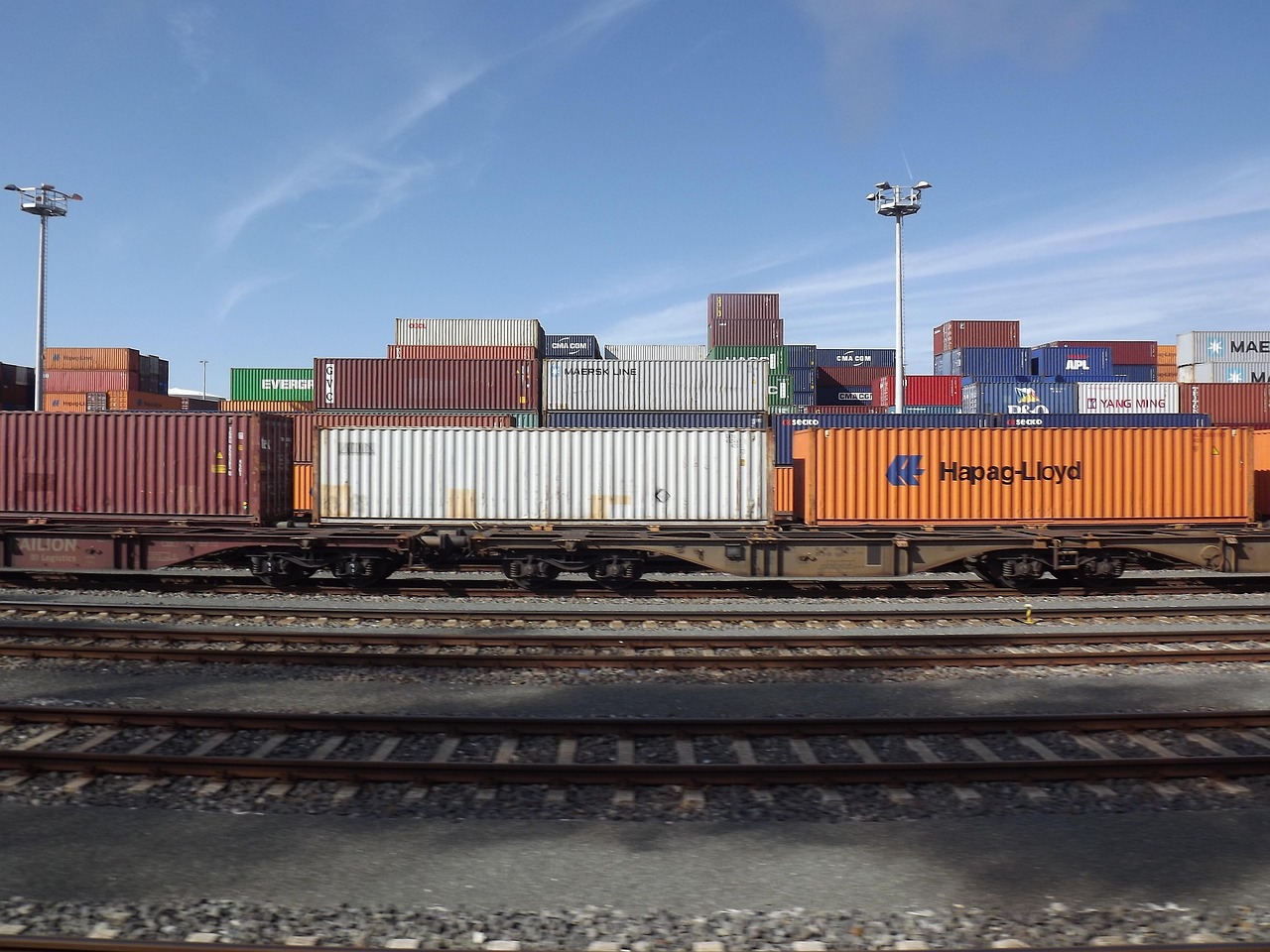
Freight Transportation Management: Freight transportation management refers to the planning, coordination, and optimization of the movement of goods from one location to another. It involves various activities such as route planning, carrier selection, tracking, and monitoring of shipments to ensure efficient and cost-effective delivery. In the context of rail logistics, freight transportation management plays a crucial role in ensuring the smooth flow of goods through the rail network.
Rail Logistics: Rail logistics is a branch of logistics that focuses on the planning, coordination, and optimization of freight transportation by rail. It involves the management of various aspects of rail freight operations, including scheduling, routing, loading, and unloading of goods. Rail logistics is essential for ensuring the efficient and reliable movement of goods over long distances, particularly for bulk or heavy cargo.
Intermodal Transportation: Intermodal transportation refers to the use of multiple modes of transportation, such as rail, truck, and ship, to move goods from origin to destination. It allows for the seamless transfer of cargo between different modes of transport, providing flexibility and efficiency in freight transportation. Intermodal transportation is often used to optimize the supply chain and reduce costs by leveraging the strengths of each mode of transport.
Supply Chain Management: Supply chain management is the coordination of activities involved in the flow of goods and services from raw material suppliers to end customers. It encompasses planning, sourcing, production, and distribution of goods to meet customer demand. Effective supply chain management is crucial for optimizing efficiency, reducing costs, and improving customer satisfaction.
Inventory Management: Inventory management involves the control and monitoring of the flow of goods in and out of a company's inventory. It includes activities such as inventory tracking, ordering, storage, and replenishment to ensure that the right amount of goods is available at the right time. Effective inventory management is essential for minimizing stockouts, reducing carrying costs, and maximizing operational efficiency.
Just-in-Time (JIT) Inventory: Just-in-Time (JIT) inventory is a strategy that aims to minimize inventory holding costs by ordering goods only when they are needed for production or distribution. JIT inventory helps companies reduce waste, improve efficiency, and increase responsiveness to customer demand. However, JIT inventory requires close coordination with suppliers and carriers to ensure timely delivery of goods.
Transportation Management System (TMS): A Transportation Management System (TMS) is a software platform that helps companies plan, execute, and optimize their transportation operations. TMS enables users to manage freight rates, carrier selection, route optimization, and shipment tracking in real-time. By using a TMS, companies can streamline their transportation processes, reduce costs, and improve overall efficiency.
Route Optimization: Route optimization is the process of determining the most efficient and cost-effective routes for transporting goods from origin to destination. It involves considering factors such as distance, traffic conditions, fuel costs, and delivery schedules to minimize transportation time and expenses. Route optimization helps companies improve their logistics operations by reducing transit times, fuel consumption, and overall transportation costs.
Carrier Selection: Carrier selection is the process of choosing the most suitable transportation provider to move goods from one location to another. It involves evaluating carriers based on factors such as price, reliability, service quality, and transit times. Choosing the right carrier is crucial for ensuring on-time delivery, minimizing costs, and meeting customer expectations.
Freight Forwarder: A freight forwarder is a company or individual that arranges the transportation of goods on behalf of shippers. Freight forwarders act as intermediaries between shippers and carriers, handling tasks such as booking shipments, preparing documentation, and coordinating logistics services. Freight forwarders play a vital role in facilitating international trade by ensuring the smooth movement of goods across borders.
Load Planning: Load planning is the process of determining how goods should be packed and loaded onto transportation vehicles. It involves maximizing the use of available space, balancing loads, and securing cargo to prevent damage during transit. Effective load planning helps companies optimize their transportation operations, reduce transportation costs, and ensure the safe delivery of goods.
Transit Time: Transit time refers to the period it takes for goods to be transported from the point of origin to the point of destination. Transit time is a critical factor in freight transportation management, as it directly impacts customer satisfaction, inventory levels, and overall supply chain efficiency. By monitoring transit times and optimizing transportation routes, companies can improve their service levels and reduce lead times.
Warehousing: Warehousing is the storage and management of goods in a facility or warehouse before they are shipped to customers. Warehousing plays a crucial role in the supply chain by providing a central location for inventory storage, order processing, and distribution. Effective warehousing practices help companies streamline their logistics operations, reduce lead times, and improve inventory accuracy.
Reverse Logistics: Reverse logistics involves the management of goods flowing in the opposite direction of the traditional supply chain, such as returns, exchanges, and repairs. Reverse logistics is essential for managing product recalls, recycling, and disposal of goods, as well as maximizing the value of returned products. Effective reverse logistics processes help companies reduce costs, improve customer satisfaction, and minimize environmental impact.
Incoterms: Incoterms, or International Commercial Terms, are a set of standardized rules that define the responsibilities and liabilities of buyers and sellers in international trade transactions. Incoterms specify key terms such as delivery point, risk of loss, transportation costs, and insurance coverage, helping to avoid misunderstandings and disputes between trading partners. Understanding and applying Incoterms correctly is essential for ensuring smooth international trade operations.
Customs Clearance: Customs clearance is the process of complying with customs regulations and requirements when importing or exporting goods across international borders. Customs clearance involves submitting documentation, paying duties and taxes, and obtaining clearance from customs authorities to release goods for delivery. Efficient customs clearance is crucial for minimizing delays, avoiding penalties, and ensuring compliance with international trade regulations.
Bill of Lading (B/L): A Bill of Lading (B/L) is a legal document issued by a carrier to acknowledge receipt of goods for shipment. The B/L serves as a contract between the shipper and the carrier, detailing the terms and conditions of transportation, such as delivery point, carrier liability, and cargo description. The B/L also serves as a receipt for the goods and a title document, enabling the transfer of ownership during transit.
Demurrage: Demurrage is a charge imposed by carriers for the detention of transportation equipment, such as containers or railcars, beyond the agreed-upon free time. Demurrage charges are intended to incentivize shippers to expedite the loading and unloading of goods to avoid delays and congestion. Managing demurrage costs is essential for optimizing transportation operations and reducing unnecessary expenses.
Freight Rate: A freight rate is the price charged by a carrier for transporting goods from one location to another. Freight rates are determined based on factors such as distance, weight, volume, mode of transport, and service level. Understanding and negotiating freight rates is essential for shippers to minimize transportation costs, maximize value, and ensure competitive pricing in the market.
Capacity Planning: Capacity planning is the process of determining the optimal amount of resources, such as transportation vehicles, facilities, and personnel, needed to meet future demand. Capacity planning helps companies balance supply and demand, optimize resource utilization, and ensure smooth operations during peak periods. Effective capacity planning is crucial for avoiding bottlenecks, minimizing costs, and improving customer service.
Supply Chain Visibility: Supply chain visibility refers to the ability to track and monitor the movement of goods throughout the supply chain in real-time. Supply chain visibility enables companies to identify inefficiencies, anticipate disruptions, and respond quickly to changes in demand or supply. By improving supply chain visibility, companies can enhance decision-making, reduce lead times, and enhance overall supply chain performance.
Last Mile Delivery: Last mile delivery is the final stage of the supply chain, where goods are transported from a distribution center or hub to the end customer's location. Last mile delivery is a critical and often complex part of the logistics process, as it involves navigating urban environments, managing high delivery volumes, and meeting customer expectations for speed and convenience. Effective last mile delivery strategies are essential for ensuring customer satisfaction and competitive advantage.
Transportation Security: Transportation security involves measures and protocols implemented to protect goods, transportation equipment, and personnel from theft, damage, or terrorism. Transportation security is crucial for safeguarding the supply chain, ensuring the safe and secure movement of goods, and maintaining regulatory compliance. By implementing robust transportation security measures, companies can mitigate risks, protect assets, and build trust with customers and partners.
Environmental Sustainability: Environmental sustainability in freight transportation management refers to practices that minimize the impact of transportation operations on the environment. This includes reducing carbon emissions, promoting energy efficiency, and using eco-friendly technologies and fuels. Environmental sustainability is becoming increasingly important in logistics to address climate change, comply with regulations, and meet customer expectations for green supply chains.
Challenges in Freight Transportation Management: Despite its benefits, freight transportation management faces several challenges that can impact the efficiency and effectiveness of logistics operations. Some common challenges include:
- Capacity constraints: Limited availability of transportation resources, such as trucks or railcars, can lead to capacity shortages and delays in delivery. - Rising fuel costs: Fluctuations in fuel prices can significantly impact transportation costs and profitability for shippers and carriers. - Regulatory compliance: Adhering to complex transportation regulations and trade agreements can be challenging for companies operating in multiple markets. - Supply chain disruptions: Unexpected events such as natural disasters, strikes, or pandemics can disrupt supply chains and lead to delays in transportation. - Technology integration: Implementing and integrating transportation management systems and technologies can be complex and require significant investment and expertise. - Sustainability concerns: Meeting environmental regulations and reducing carbon emissions can be challenging for companies seeking to achieve environmental sustainability in their transportation operations.
In conclusion, freight transportation management in rail logistics is a multifaceted and dynamic field that requires careful planning, coordination, and optimization of transportation operations to ensure the efficient and cost-effective movement of goods. By understanding key terms and concepts such as intermodal transportation, supply chain management, and route optimization, companies can improve their logistics operations, reduce costs, and enhance customer satisfaction. Despite the challenges in freight transportation management, companies can overcome these obstacles by implementing best practices, leveraging technology, and adapting to changing market conditions to achieve success in the competitive logistics industry.
Key takeaways
- Freight Transportation Management: Freight transportation management refers to the planning, coordination, and optimization of the movement of goods from one location to another.
- Rail Logistics: Rail logistics is a branch of logistics that focuses on the planning, coordination, and optimization of freight transportation by rail.
- Intermodal Transportation: Intermodal transportation refers to the use of multiple modes of transportation, such as rail, truck, and ship, to move goods from origin to destination.
- Supply Chain Management: Supply chain management is the coordination of activities involved in the flow of goods and services from raw material suppliers to end customers.
- It includes activities such as inventory tracking, ordering, storage, and replenishment to ensure that the right amount of goods is available at the right time.
- Just-in-Time (JIT) Inventory: Just-in-Time (JIT) inventory is a strategy that aims to minimize inventory holding costs by ordering goods only when they are needed for production or distribution.
- Transportation Management System (TMS): A Transportation Management System (TMS) is a software platform that helps companies plan, execute, and optimize their transportation operations.