
Rail network design and capacity planning
Rail network design and capacity planning are crucial aspects of rail logistics that play a significant role in ensuring the efficient movement of goods and passengers. Understanding key terms and vocabulary in this field is essential for p…
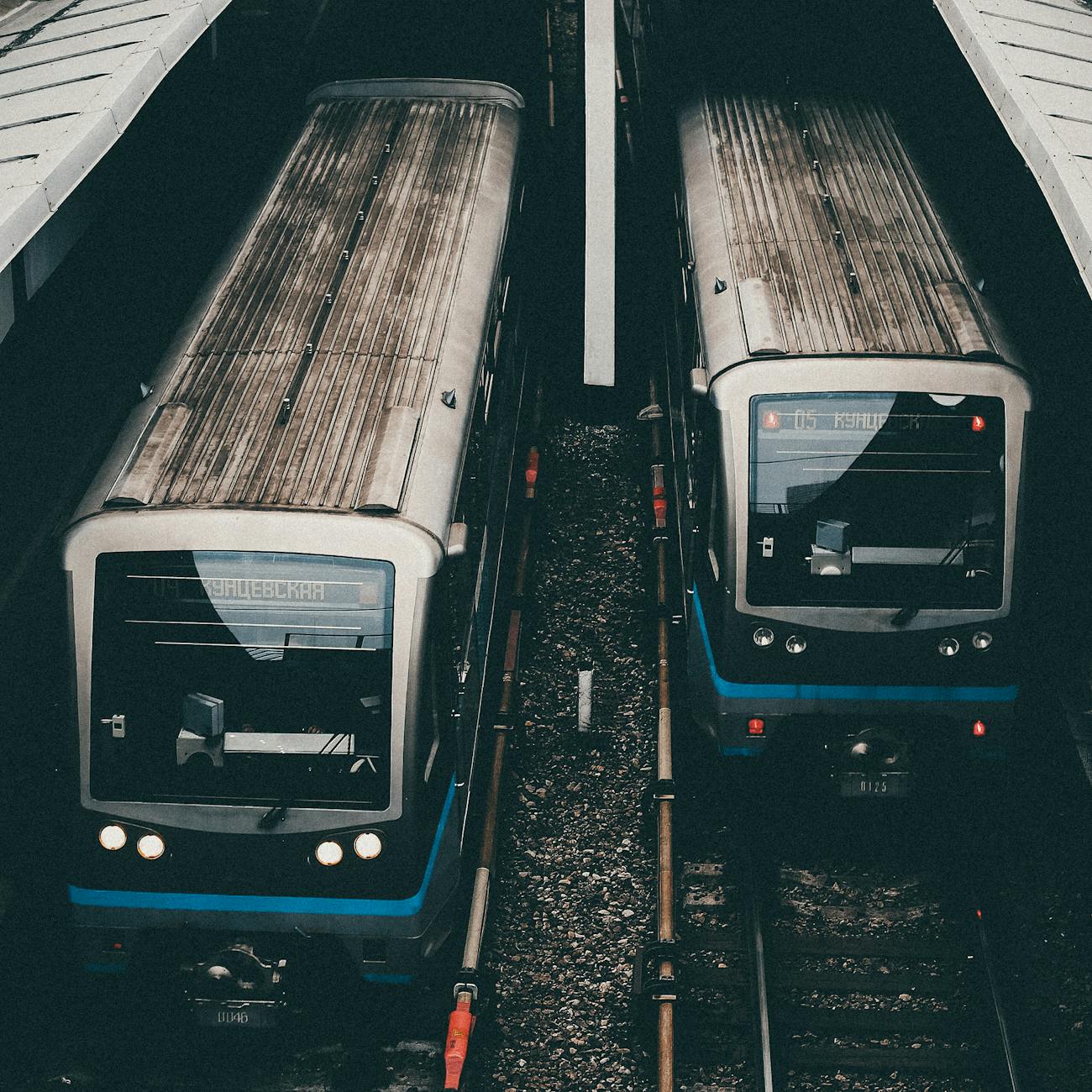
Rail network design and capacity planning are crucial aspects of rail logistics that play a significant role in ensuring the efficient movement of goods and passengers. Understanding key terms and vocabulary in this field is essential for professionals working in the rail industry. Below is a detailed explanation of important terms and concepts related to rail network design and capacity planning.
**1. Rail Network Design:** Rail network design involves the planning and layout of railway infrastructure to facilitate the movement of trains. It encompasses various elements such as tracks, stations, signaling systems, and terminals. The goal of rail network design is to create an efficient and safe system for transporting goods and passengers.
**2. Capacity Planning:** Capacity planning is the process of determining the maximum amount of traffic that a rail network can handle efficiently. It involves analyzing current and future demand, identifying bottlenecks, and optimizing resources to meet the required capacity. Capacity planning is essential to ensure that the rail network can accommodate the expected growth in traffic.
**3. Infrastructure:** Infrastructure refers to the physical components of a rail network, including tracks, bridges, tunnels, stations, and terminals. A well-maintained and modern infrastructure is essential for the smooth operation of trains and ensuring passenger safety.
**4. Track Layout:** Track layout refers to the arrangement of tracks within a railway network. It includes the configuration of main lines, sidings, junctions, and crossovers. A well-designed track layout is critical for ensuring efficient train movements and minimizing conflicts between trains.
**5. Signaling Systems:** Signaling systems are used to control train movements and ensure safety on the rail network. They include signals, track circuits, and interlocking systems. Signaling systems play a crucial role in preventing collisions and ensuring efficient train operations.
**6. Block System:** The block system is a method of dividing the rail network into sections or blocks to prevent trains from colliding with each other. Each block is controlled by signals and can only accommodate one train at a time. The block system helps maintain safe distances between trains and prevents accidents.
**7. Train Scheduling:** Train scheduling involves planning the movement of trains on the rail network to optimize capacity and minimize delays. It includes determining the departure and arrival times of trains, assigning slots on the tracks, and coordinating with other trains. Effective train scheduling is essential for maintaining a smooth flow of traffic.
**8. Train Timetable:** A train timetable is a schedule that specifies the departure and arrival times of trains at various stations along a route. It includes information such as train numbers, stops, and travel times. A well-designed train timetable helps passengers plan their journeys and ensures efficient train operations.
**9. Rolling Stock:** Rolling stock refers to the vehicles used for transporting goods and passengers on the rail network, such as locomotives, freight cars, and passenger cars. Maintaining a reliable fleet of rolling stock is essential for providing high-quality rail services.
**10. Terminal Operations:** Terminal operations involve the handling of trains at stations and terminals, including loading and unloading of cargo, passenger boarding, and maintenance activities. Efficient terminal operations are crucial for minimizing turnaround times and maximizing the utilization of resources.
**11. Intermodal Transportation:** Intermodal transportation involves the use of multiple modes of transport, such as rail, road, and sea, to move goods from origin to destination. It offers advantages such as cost savings, reduced environmental impact, and improved efficiency. Rail networks play a key role in facilitating intermodal transportation.
**12. Network Optimization:** Network optimization is the process of improving the efficiency and performance of a rail network through strategic planning and resource allocation. It involves optimizing routes, schedules, and infrastructure to maximize capacity and minimize operating costs. Network optimization helps rail operators enhance their competitiveness and customer satisfaction.
**13. Capacity Constraints:** Capacity constraints refer to limitations in the ability of a rail network to handle additional traffic due to factors such as track capacity, signaling systems, and terminal capacity. Identifying and addressing capacity constraints is essential for ensuring the smooth operation of the rail network and meeting growing demand.
**14. Demand Forecasting:** Demand forecasting involves predicting future traffic volumes on the rail network based on historical data, economic trends, and other factors. Accurate demand forecasting is essential for capacity planning and resource allocation to meet the expected demand.
**15. Bottlenecks:** Bottlenecks are points in the rail network where traffic flow is restricted, leading to delays and inefficiencies. Common causes of bottlenecks include track congestion, junctions, and terminal operations. Identifying and resolving bottlenecks is essential for improving the overall performance of the rail network.
**16. Train Control Systems:** Train control systems are technologies used to monitor and control train movements on the rail network. They include automatic train control, positive train control, and train protection systems. Train control systems enhance safety, efficiency, and capacity on the rail network.
**17. Rail Safety Regulations:** Rail safety regulations are rules and standards established by regulatory authorities to ensure the safe operation of trains and protect passengers, employees, and the environment. Compliance with rail safety regulations is mandatory for all rail operators to maintain a high level of safety.
**18. Maintenance Planning:** Maintenance planning involves scheduling and performing regular maintenance activities on rail infrastructure, rolling stock, and signaling systems. Proper maintenance planning is essential for ensuring the reliability and safety of the rail network and preventing breakdowns or accidents.
**19. Capacity Expansion:** Capacity expansion involves increasing the capacity of a rail network by adding tracks, upgrading signaling systems, and expanding terminals. It is necessary to accommodate growing demand and improve the efficiency of train operations. Capacity expansion projects require careful planning and investment.
**20. Performance Metrics:** Performance metrics are quantitative measures used to evaluate the efficiency and effectiveness of a rail network. They include indicators such as on-time performance, capacity utilization, and customer satisfaction. Monitoring performance metrics helps rail operators identify areas for improvement and track progress over time.
In conclusion, rail network design and capacity planning are complex processes that require careful consideration of various factors such as infrastructure, signaling systems, train scheduling, and maintenance planning. By understanding key terms and concepts in this field, professionals in the rail industry can effectively manage and optimize their rail networks to meet the growing demand for rail transportation.
Key takeaways
- Rail network design and capacity planning are crucial aspects of rail logistics that play a significant role in ensuring the efficient movement of goods and passengers.
- Rail Network Design:** Rail network design involves the planning and layout of railway infrastructure to facilitate the movement of trains.
- Capacity Planning:** Capacity planning is the process of determining the maximum amount of traffic that a rail network can handle efficiently.
- Infrastructure:** Infrastructure refers to the physical components of a rail network, including tracks, bridges, tunnels, stations, and terminals.
- A well-designed track layout is critical for ensuring efficient train movements and minimizing conflicts between trains.
- Signaling Systems:** Signaling systems are used to control train movements and ensure safety on the rail network.
- Block System:** The block system is a method of dividing the rail network into sections or blocks to prevent trains from colliding with each other.