
Intermodal transportation in rail logistics
Intermodal Transportation in Rail Logistics
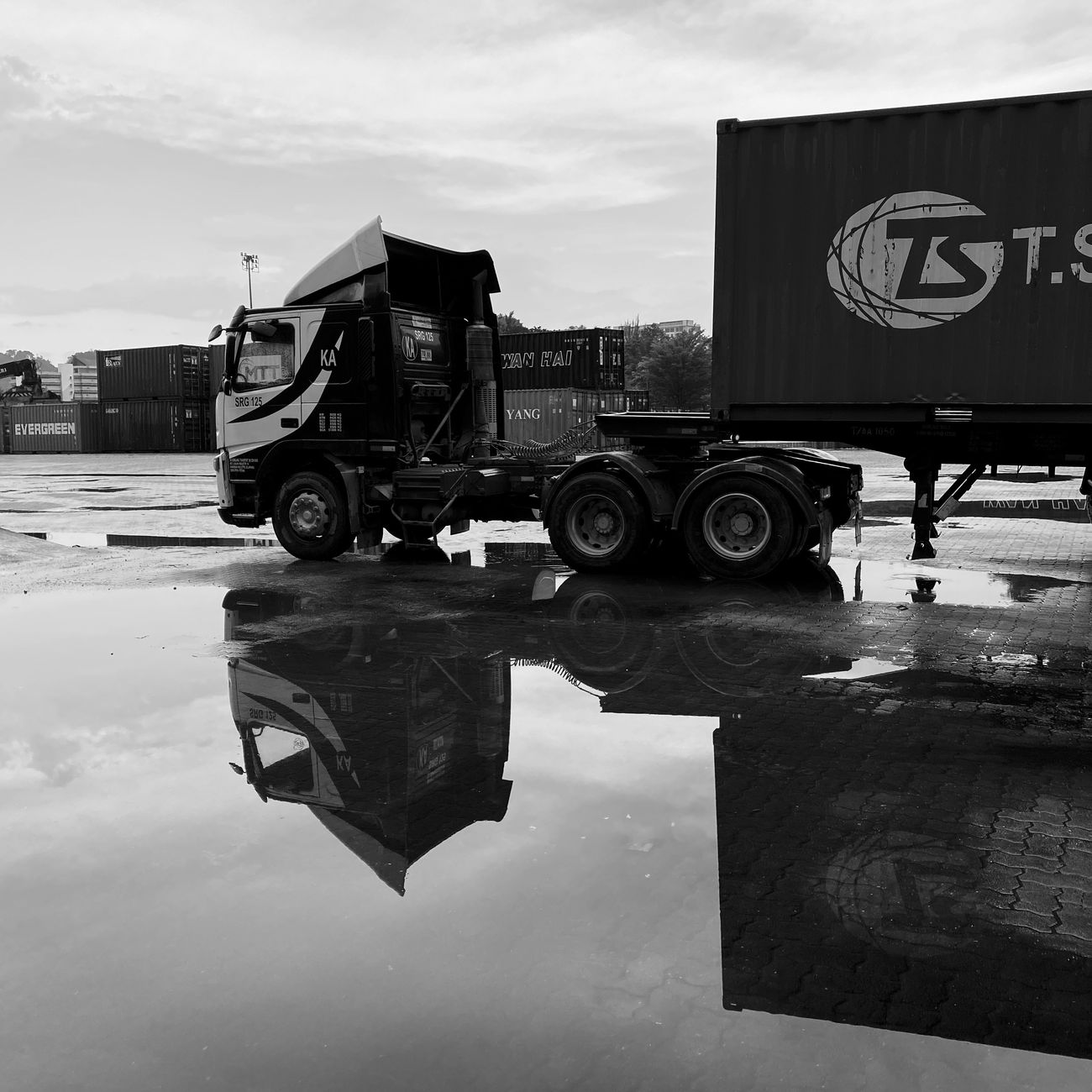
Intermodal Transportation in Rail Logistics
Intermodal transportation is a crucial aspect of rail logistics that involves the movement of goods using multiple modes of transport, where each mode complements the strengths of the others to create a seamless and efficient supply chain. This method of transportation has become increasingly popular due to its cost-effectiveness, environmental benefits, and ability to reduce transit times. In this course, we will explore the key terms and vocabulary associated with intermodal transportation in rail logistics to provide you with a comprehensive understanding of this complex industry.
Intermodal Transportation
Intermodal transportation refers to the movement of goods using more than one mode of transportation, such as rail, road, sea, or air. This approach allows for the seamless transfer of goods between different modes of transport without the need to handle the cargo itself. Intermodal transportation is essential in rail logistics as it enables the efficient movement of goods over long distances and across different regions.
Rail Logistics
Rail logistics involves the planning, coordination, and execution of the movement of goods by rail. It encompasses various activities, including scheduling trains, loading and unloading cargo, route optimization, and tracking shipments. Rail logistics play a vital role in the transportation industry, offering a cost-effective and environmentally friendly alternative to road transport.
Key Terms and Vocabulary
1. Containerization: Containerization is the practice of transporting goods in standardized shipping containers. These containers can be easily transferred between different modes of transport, such as ships, trains, and trucks, without the need to unpack and repack the cargo. Containerization has revolutionized the shipping industry by streamlining the logistics process and reducing costs.
2. Intermodal Terminal: An intermodal terminal is a facility where goods are transferred between different modes of transport. These terminals are equipped with cranes, storage facilities, and other infrastructure to facilitate the seamless transfer of cargo. Intermodal terminals play a crucial role in intermodal transportation by ensuring the efficient flow of goods between trains, trucks, and ships.
3. Modal Shift: Modal shift refers to the transfer of goods from one mode of transport to another. This can include shifting cargo from road transport to rail transport to take advantage of the cost savings and environmental benefits of rail logistics. Modal shift is a key strategy in intermodal transportation to optimize the supply chain and reduce transportation costs.
4. Hub-and-Spoke System: A hub-and-spoke system is a transportation network where goods are transported from smaller regional hubs to a central hub before being distributed to their final destination. This system allows for efficient consolidation of cargo and reduces transit times by leveraging the strengths of different modes of transport.
5. Double-Stack Train: A double-stack train is a type of train that is designed to carry shipping containers stacked two high. This configuration allows for the efficient transportation of a large volume of cargo and maximizes the use of rail infrastructure. Double-stack trains are commonly used in intermodal transportation to increase capacity and reduce costs.
6. Transloading: Transloading is the process of transferring goods from one mode of transport to another at a terminal or distribution center. This can include transferring cargo from trucks to trains or from trains to ships. Transloading is essential in intermodal transportation to facilitate the seamless transfer of goods between different modes of transport.
7. Drayage: Drayage refers to the short-distance transport of goods between an intermodal terminal and a final destination, such as a warehouse or distribution center. Drayage services are essential in intermodal transportation to ensure the efficient movement of goods between different modes of transport and their final destination.
8. Intermodal Marketing Company (IMC): An Intermodal Marketing Company is a third-party logistics provider that specializes in coordinating intermodal transportation services. IMCs work with shippers, carriers, and other stakeholders to optimize the supply chain and ensure the efficient movement of goods. IMCs play a crucial role in intermodal transportation by providing expertise and resources to streamline the logistics process.
9. Deadhead: Deadhead refers to the movement of empty containers or trailers between locations. Deadhead trips can result in inefficiencies in the supply chain and increase transportation costs. Minimizing deadhead trips is essential in intermodal transportation to optimize capacity and reduce empty miles.
10. Telematics: Telematics refers to the use of technology to monitor and track the movement of goods in real-time. Telematics systems can provide valuable data on the location, status, and condition of cargo, allowing for better decision-making and improved supply chain visibility. Telematics play a crucial role in intermodal transportation by enhancing efficiency and security.
Examples and Practical Applications
1. Scenario 1: A manufacturer in Chicago needs to transport a large shipment of goods to a distribution center in Los Angeles. By using intermodal transportation, the manufacturer can take advantage of the cost savings and environmental benefits of rail logistics. The goods are loaded into shipping containers at an intermodal terminal in Chicago, transferred to a double-stack train, and transported to a hub in Los Angeles. From there, the goods are transloaded onto trucks and delivered to the distribution center. This seamless process allows the manufacturer to optimize the supply chain and reduce transportation costs.
2. Scenario 2: A retail company in New York City wants to expand its distribution network to reach customers in the Midwest. By partnering with an Intermodal Marketing Company, the retail company can access a network of intermodal carriers and terminals to streamline its logistics operations. The IMC helps the retail company coordinate the movement of goods from rail terminals to regional distribution centers, optimizing the supply chain and reducing transit times. This partnership enables the retail company to meet customer demand and improve operational efficiency.
3. Challenges
1. Infrastructure Constraints: One of the key challenges in intermodal transportation is the lack of adequate infrastructure to support the movement of goods between different modes of transport. This includes insufficient intermodal terminals, outdated rail lines, and congestion at key transportation hubs. Overcoming these infrastructure constraints is essential to ensure the efficient flow of goods and optimize the supply chain.
2. Regulatory Compliance: Intermodal transportation is subject to a complex regulatory environment that governs the movement of goods across different modes of transport. This includes safety regulations, environmental standards, and customs requirements. Ensuring compliance with these regulations can be a challenge for shippers, carriers, and other stakeholders in the supply chain. Implementing robust compliance measures is essential to avoid disruptions and delays in intermodal transportation.
3. Capacity Constraints: The capacity of rail infrastructure and intermodal terminals can be a limiting factor in intermodal transportation. As demand for intermodal services continues to grow, capacity constraints can lead to delays, bottlenecks, and inefficiencies in the supply chain. Addressing capacity constraints through investments in infrastructure, technology, and workforce development is crucial to support the growth of intermodal transportation and meet customer demand.
4. Conclusion
Intermodal transportation plays a vital role in rail logistics by enabling the efficient movement of goods using multiple modes of transport. By leveraging containerization, intermodal terminals, and other key concepts, shippers can optimize their supply chains, reduce costs, and improve sustainability. Understanding the key terms and vocabulary associated with intermodal transportation is essential for professionals in the rail logistics industry to navigate the complexities of this dynamic and evolving sector. By mastering these concepts, you will be better equipped to address challenges, identify opportunities, and drive innovation in intermodal transportation.
Key takeaways
- Intermodal transportation is a crucial aspect of rail logistics that involves the movement of goods using multiple modes of transport, where each mode complements the strengths of the others to create a seamless and efficient supply chain.
- Intermodal transportation is essential in rail logistics as it enables the efficient movement of goods over long distances and across different regions.
- Rail logistics play a vital role in the transportation industry, offering a cost-effective and environmentally friendly alternative to road transport.
- These containers can be easily transferred between different modes of transport, such as ships, trains, and trucks, without the need to unpack and repack the cargo.
- Intermodal terminals play a crucial role in intermodal transportation by ensuring the efficient flow of goods between trains, trucks, and ships.
- This can include shifting cargo from road transport to rail transport to take advantage of the cost savings and environmental benefits of rail logistics.
- Hub-and-Spoke System: A hub-and-spoke system is a transportation network where goods are transported from smaller regional hubs to a central hub before being distributed to their final destination.