
Digital Imaging Techniques for Cultural Heritage Protection
Digital imaging techniques play a crucial role in the protection and preservation of cultural heritage. These techniques involve the use of advanced technology to capture, process, analyze, and archive digital images of cultural artifacts, …
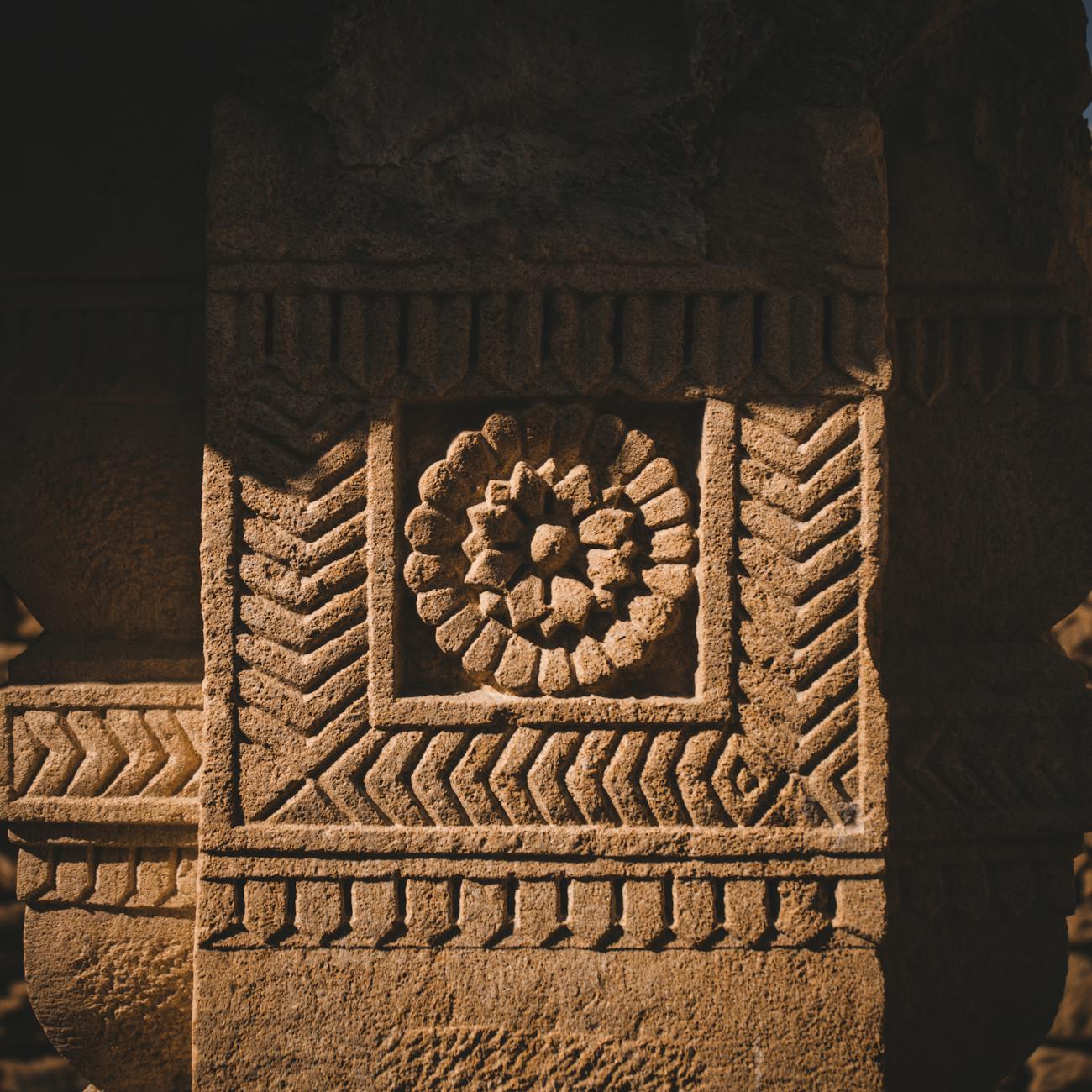
Digital imaging techniques play a crucial role in the protection and preservation of cultural heritage. These techniques involve the use of advanced technology to capture, process, analyze, and archive digital images of cultural artifacts, monuments, sites, and other heritage objects. By utilizing digital imaging techniques, professionals in the field of cultural heritage protection can document, study, and conserve valuable heritage assets for future generations.
Key Terms and Vocabulary:
1. Digital Imaging: Digital imaging refers to the process of capturing, processing, and storing visual images using electronic devices such as cameras, scanners, and software. Digital imaging allows for the creation of high-quality images that can be easily manipulated, archived, and shared.
2. Cultural Heritage: Cultural heritage encompasses the tangible and intangible aspects of a society's history and identity, including artifacts, monuments, sites, traditions, and customs. Cultural heritage protection aims to safeguard these assets for future generations.
3. Preservation: Preservation involves the protection and conservation of cultural heritage assets to prevent deterioration and ensure their longevity. Digital imaging techniques play a key role in documenting and preserving cultural heritage objects.
4. Conservation: Conservation refers to the professional care and treatment of cultural heritage objects to prevent damage, stabilize condition, and prolong their lifespan. Digital imaging can aid conservation efforts by providing detailed documentation and analysis of artifacts.
5. Documentation: Documentation involves the systematic recording and cataloging of cultural heritage objects, sites, and monuments. Digital imaging techniques allow for accurate and detailed documentation of heritage assets, facilitating research and conservation efforts.
6. 3D Imaging: 3D imaging techniques capture three-dimensional representations of objects, enabling the visualization of depth and spatial relationships. 3D imaging is valuable for documenting and studying complex artifacts and architectural structures.
7. Multispectral Imaging: Multispectral imaging involves capturing images across multiple wavelengths of the electromagnetic spectrum, beyond what is visible to the human eye. This technique reveals hidden details and characteristics of cultural heritage objects, such as faded inscriptions or underlying layers of paint.
8. Reflectance Transformation Imaging (RTI): RTI is a computational photography technique that captures a series of images of an object illuminated from different directions. By combining these images, RTI produces a highly detailed interactive representation that allows for the examination of surface texture and relief.
9. X-ray Imaging: X-ray imaging utilizes X-rays to penetrate and produce images of the internal structure of objects. X-ray imaging is valuable for non-destructive analysis of artifacts, revealing hidden features, repairs, or alterations.
10. Infrared Imaging: Infrared imaging captures images using infrared radiation, which can penetrate through layers of dirt, paint, or other materials. Infrared imaging is useful for detecting hidden details or alterations on cultural heritage objects.
11. Digital Reconstruction: Digital reconstruction involves using digital imaging data to recreate or visualize heritage objects or sites in a virtual environment. Digital reconstruction can aid in the restoration of damaged artifacts or the reconstruction of lost monuments.
12. Machine Learning: Machine learning is a branch of artificial intelligence that enables computers to learn from data and make predictions or decisions without being explicitly programmed. Machine learning algorithms can analyze large datasets of digital images to identify patterns, trends, or anomalies.
13. Image Processing: Image processing involves manipulating digital images to enhance quality, extract information, or correct imperfections. Image processing techniques such as noise reduction, sharpening, and color correction can improve the visual clarity of cultural heritage images.
14. Data Archiving: Data archiving involves storing and preserving digital imaging data in secure and accessible repositories for long-term retention. Proper data archiving practices ensure the integrity and availability of cultural heritage documentation for future research and conservation efforts.
15. Metadata: Metadata is descriptive information about digital images that helps organize, search, and interpret the content. Metadata may include details such as date, location, creator, and technical specifications, enhancing the usability and discoverability of cultural heritage images.
Practical Applications:
Digital imaging techniques have a wide range of practical applications in the field of cultural heritage protection:
1. Documentation and Inventory: Digital imaging allows for the systematic documentation and inventorying of cultural heritage objects, sites, and monuments. High-resolution images can capture details that may be missed by traditional documentation methods, providing a comprehensive record of heritage assets.
2. Conservation and Restoration: Digital imaging techniques aid conservation and restoration efforts by providing detailed visual documentation of artifacts before, during, and after treatment. Images can reveal condition issues, monitor changes over time, and guide restoration decisions.
3. Research and Analysis: Digital imaging enables researchers to study cultural heritage objects in detail, uncovering hidden features, identifying materials, and analyzing construction techniques. Advanced imaging techniques such as multispectral imaging and 3D scanning can provide valuable insights into the history and significance of heritage assets.
4. Virtual Reconstruction: Digital imaging data can be used to create virtual reconstructions of damaged or lost heritage objects, allowing researchers and the public to explore and interact with virtual representations. Virtual reconstructions can help visualize historical contexts and facilitate educational outreach.
Challenges:
Despite the benefits of digital imaging techniques for cultural heritage protection, several challenges exist:
1. Technical Expertise: Implementing advanced digital imaging techniques requires specialized knowledge and skills in photography, image processing, and data analysis. Cultural heritage professionals may need training to effectively use and interpret digital imaging technologies.
2. Cost and Resources: Acquiring and maintaining digital imaging equipment, software, and storage systems can be costly for cultural heritage institutions with limited budgets. Securing funding and resources for digital imaging projects may pose a challenge for smaller organizations.
3. Data Management: Managing large volumes of digital imaging data, including storage, organization, and backup, can be complex and time-consuming. Developing robust data management practices is essential to ensure the long-term preservation and accessibility of cultural heritage images.
4. Ethical Considerations: Digital imaging of cultural heritage objects raises ethical considerations related to intellectual property rights, privacy, and cultural sensitivity. Respecting ethical guidelines and obtaining consent from stakeholders are crucial when capturing and sharing digital images of heritage assets.
In conclusion, digital imaging techniques are invaluable tools for documenting, analyzing, and preserving cultural heritage for future generations. By harnessing the power of advanced technology, cultural heritage professionals can safeguard and promote the diverse heritage of humanity. Embracing digital imaging innovations and overcoming challenges through collaboration and best practices will ensure the continued protection and appreciation of our shared cultural legacy.
Key takeaways
- By utilizing digital imaging techniques, professionals in the field of cultural heritage protection can document, study, and conserve valuable heritage assets for future generations.
- Digital Imaging: Digital imaging refers to the process of capturing, processing, and storing visual images using electronic devices such as cameras, scanners, and software.
- Cultural Heritage: Cultural heritage encompasses the tangible and intangible aspects of a society's history and identity, including artifacts, monuments, sites, traditions, and customs.
- Preservation: Preservation involves the protection and conservation of cultural heritage assets to prevent deterioration and ensure their longevity.
- Conservation: Conservation refers to the professional care and treatment of cultural heritage objects to prevent damage, stabilize condition, and prolong their lifespan.
- Digital imaging techniques allow for accurate and detailed documentation of heritage assets, facilitating research and conservation efforts.
- 3D Imaging: 3D imaging techniques capture three-dimensional representations of objects, enabling the visualization of depth and spatial relationships.