
Deep Learning for Cultural Heritage Analysis
Deep Learning for Cultural Heritage Analysis refers to the application of advanced machine learning techniques to analyze, interpret, and preserve cultural heritage artifacts, sites, and practices. Deep learning algorithms, inspired by the …
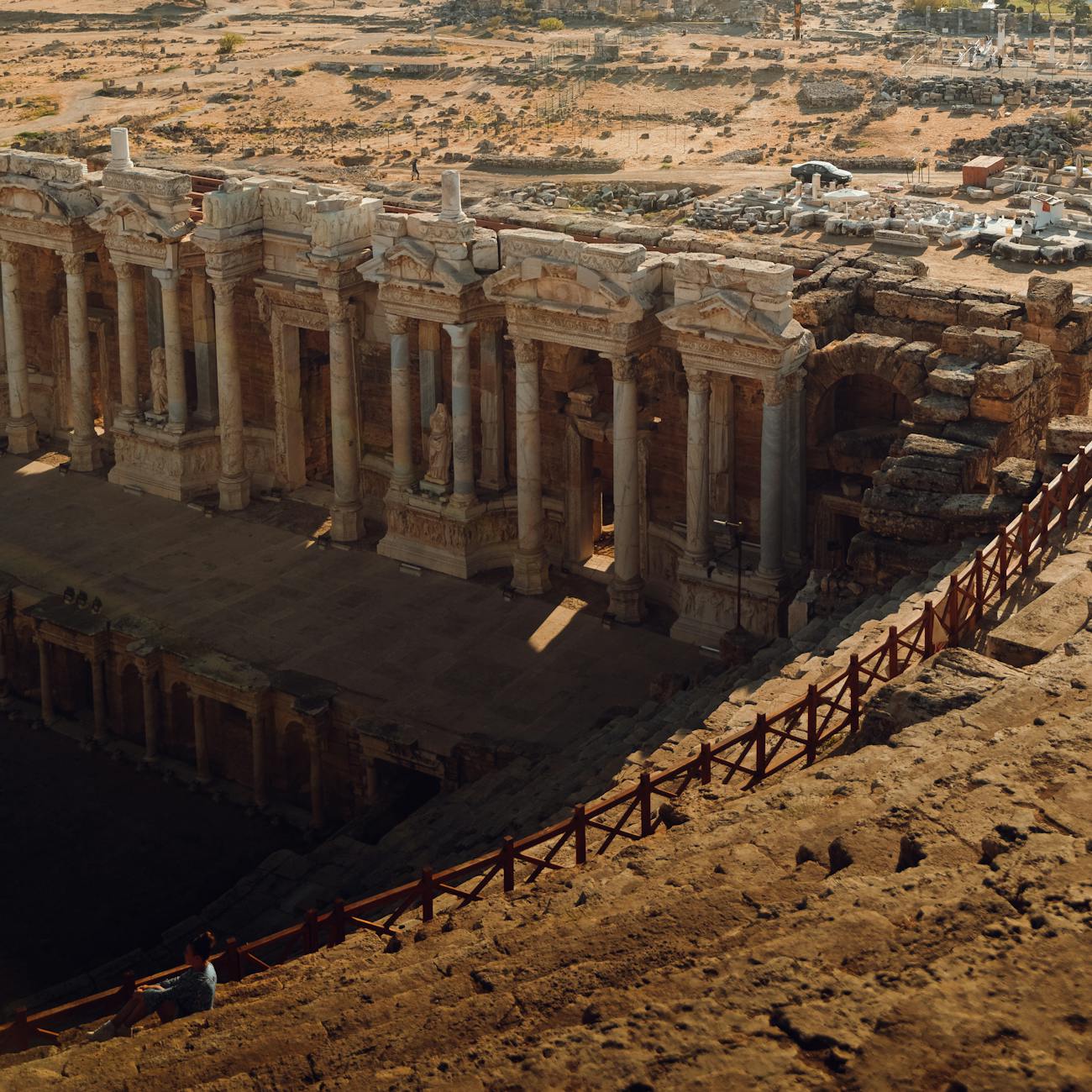
Deep Learning for Cultural Heritage Analysis refers to the application of advanced machine learning techniques to analyze, interpret, and preserve cultural heritage artifacts, sites, and practices. Deep learning algorithms, inspired by the structure and function of the human brain, enable computers to learn from large amounts of data to make predictions and decisions without being explicitly programmed.
Cultural Heritage encompasses the tangible and intangible aspects of human history and identity that are passed down from generation to generation. It includes artifacts, buildings, monuments, traditions, languages, and customs that are of historical, cultural, aesthetic, or scientific value.
AI for Cultural Heritage Protection involves using artificial intelligence (AI) technologies to safeguard and promote cultural heritage assets. AI can be employed in various ways, such as monitoring, analyzing, documenting, and preserving cultural heritage sites and objects.
Professional Certificate in AI for Cultural Heritage Protection is a specialized training program that equips individuals with the knowledge and skills needed to apply AI technologies in the field of cultural heritage protection. This certificate demonstrates proficiency in using AI tools and techniques for preserving and promoting cultural heritage.
Key Terms and Vocabulary:
1. Neural Networks: Neural networks are computational models that mimic the functioning of the human brain. They consist of interconnected nodes (neurons) organized in layers to process complex information and make decisions.
2. Convolutional Neural Networks (CNNs): CNNs are a type of deep learning algorithm commonly used for image recognition and analysis. They are designed to automatically and adaptively learn spatial hierarchies of features from images.
3. Recurrent Neural Networks (RNNs): RNNs are neural networks specialized in processing sequential data, such as text or time series. They have memory capabilities that allow them to retain information over time.
4. Generative Adversarial Networks (GANs): GANs are a type of deep learning model that consists of two neural networks, the generator and the discriminator, which are trained simultaneously. GANs are used for generating new data samples.
5. Transfer Learning: Transfer learning is a technique where a pre-trained model is used as a starting point for a new task. By leveraging knowledge from the pre-trained model, transfer learning can improve the performance of models on new datasets with limited training data.
6. Feature Extraction: Feature extraction involves identifying and selecting relevant information or patterns from raw data. In cultural heritage analysis, feature extraction can help in identifying unique characteristics of artifacts or sites.
7. Image Segmentation: Image segmentation is the process of partitioning an image into multiple segments or regions based on certain criteria. This technique is useful for identifying different objects or areas within an image.
8. Object Detection: Object detection is the task of identifying and locating objects of interest within an image or video. It is widely used in cultural heritage analysis for recognizing and cataloging artifacts or structures.
9. Natural Language Processing (NLP): NLP is a branch of AI that focuses on the interaction between computers and human language. NLP techniques are used in cultural heritage analysis for processing textual data, such as historical documents or inscriptions.
10. Dimensionality Reduction: Dimensionality reduction techniques aim to reduce the number of features in a dataset while preserving its important information. This can help in simplifying complex data and improving the efficiency of machine learning models.
11. Hyperparameter Tuning: Hyperparameter tuning involves optimizing the hyperparameters of a machine learning model to improve its performance. This process is crucial for achieving the best results in cultural heritage analysis tasks.
12. Overfitting and Underfitting: Overfitting occurs when a model performs well on training data but poorly on unseen data, indicating that it has memorized the training data. Underfitting, on the other hand, happens when a model is too simple to capture the underlying patterns in the data.
13. Data Augmentation: Data augmentation is a technique used to increase the size of a training dataset by applying transformations, such as rotation, scaling, or flipping, to existing data samples. This can help in improving the generalization of machine learning models.
14. Ethical Considerations: Ethical considerations in AI for cultural heritage protection involve ensuring the responsible and respectful use of AI technologies in preserving cultural heritage assets. This includes issues related to data privacy, bias, and transparency.
15. Virtual Reality (VR) and Augmented Reality (AR): VR and AR technologies enable immersive experiences by overlaying digital information onto the real world or creating entirely virtual environments. These technologies can be used to showcase cultural heritage sites and artifacts in innovative ways.
16. Blockchain Technology: Blockchain technology provides a secure and transparent way to record and verify transactions. In cultural heritage protection, blockchain can be used to create tamper-proof records of ownership, provenance, and conservation activities.
17. Digital Twin: A digital twin is a virtual replica of a physical object, system, or environment. In cultural heritage analysis, digital twins can be used to create accurate digital representations of historical sites or artifacts for analysis and preservation purposes.
18. Geographic Information Systems (GIS): GIS is a system designed to capture, store, analyze, and present spatial or geographic data. In cultural heritage protection, GIS can be used to map and visualize heritage sites, monitor changes, and plan conservation efforts.
19. Remote Sensing: Remote sensing involves acquiring information about an object or area from a distance, typically using satellites, drones, or other sensors. Remote sensing technologies can be used in cultural heritage analysis for monitoring and documenting heritage sites.
20. Digital Preservation: Digital preservation is the process of ensuring the long-term accessibility and usability of digital assets. In cultural heritage protection, digital preservation techniques are essential for safeguarding digital records, images, and other digital artifacts.
Practical Applications:
1. Using CNNs for analyzing and classifying archaeological artifacts based on their visual characteristics. 2. Applying NLP techniques to extract information from historical texts or inscriptions for linguistic analysis. 3. Employing GANs to generate realistic 3D models of cultural heritage sites for virtual tours. 4. Utilizing object detection algorithms to identify and catalog artifacts in museum collections. 5. Integrating VR and AR technologies to create interactive experiences of cultural heritage sites for education and tourism.
Challenges:
1. Limited Data Availability: Cultural heritage datasets may be small or incomplete, making it challenging to train accurate machine learning models. 2. Interpretation Complexity: Cultural heritage data often contain nuances and ambiguities that require specialized knowledge for accurate interpretation. 3. Ethical Concerns: Balancing the use of AI technologies with ethical considerations, such as cultural sensitivity and data privacy, is crucial in cultural heritage protection. 4. Preservation of Intangible Heritage: Protecting intangible cultural heritage, such as oral traditions or performing arts, presents unique challenges in AI applications. 5. Interdisciplinary Collaboration: Effective AI solutions for cultural heritage analysis require collaboration among experts in AI, archaeology, conservation, and cultural studies.
In conclusion, Deep Learning for Cultural Heritage Analysis offers exciting opportunities to leverage AI technologies for the preservation and promotion of cultural heritage assets. By understanding key terms and concepts in this field, professionals can effectively apply AI tools and techniques to protect and celebrate our diverse cultural heritage.
Key takeaways
- Deep learning algorithms, inspired by the structure and function of the human brain, enable computers to learn from large amounts of data to make predictions and decisions without being explicitly programmed.
- Cultural Heritage encompasses the tangible and intangible aspects of human history and identity that are passed down from generation to generation.
- AI for Cultural Heritage Protection involves using artificial intelligence (AI) technologies to safeguard and promote cultural heritage assets.
- Professional Certificate in AI for Cultural Heritage Protection is a specialized training program that equips individuals with the knowledge and skills needed to apply AI technologies in the field of cultural heritage protection.
- They consist of interconnected nodes (neurons) organized in layers to process complex information and make decisions.
- Convolutional Neural Networks (CNNs): CNNs are a type of deep learning algorithm commonly used for image recognition and analysis.
- Recurrent Neural Networks (RNNs): RNNs are neural networks specialized in processing sequential data, such as text or time series.