
Exercise Progressions for Balance
Exercise Progressions for Balance: In the Advanced Skill Certificate in Balance Exercises for the Elderly course, understanding key terms and vocabulary related to exercise progressions for balance is crucial. Progressions are a series of e…
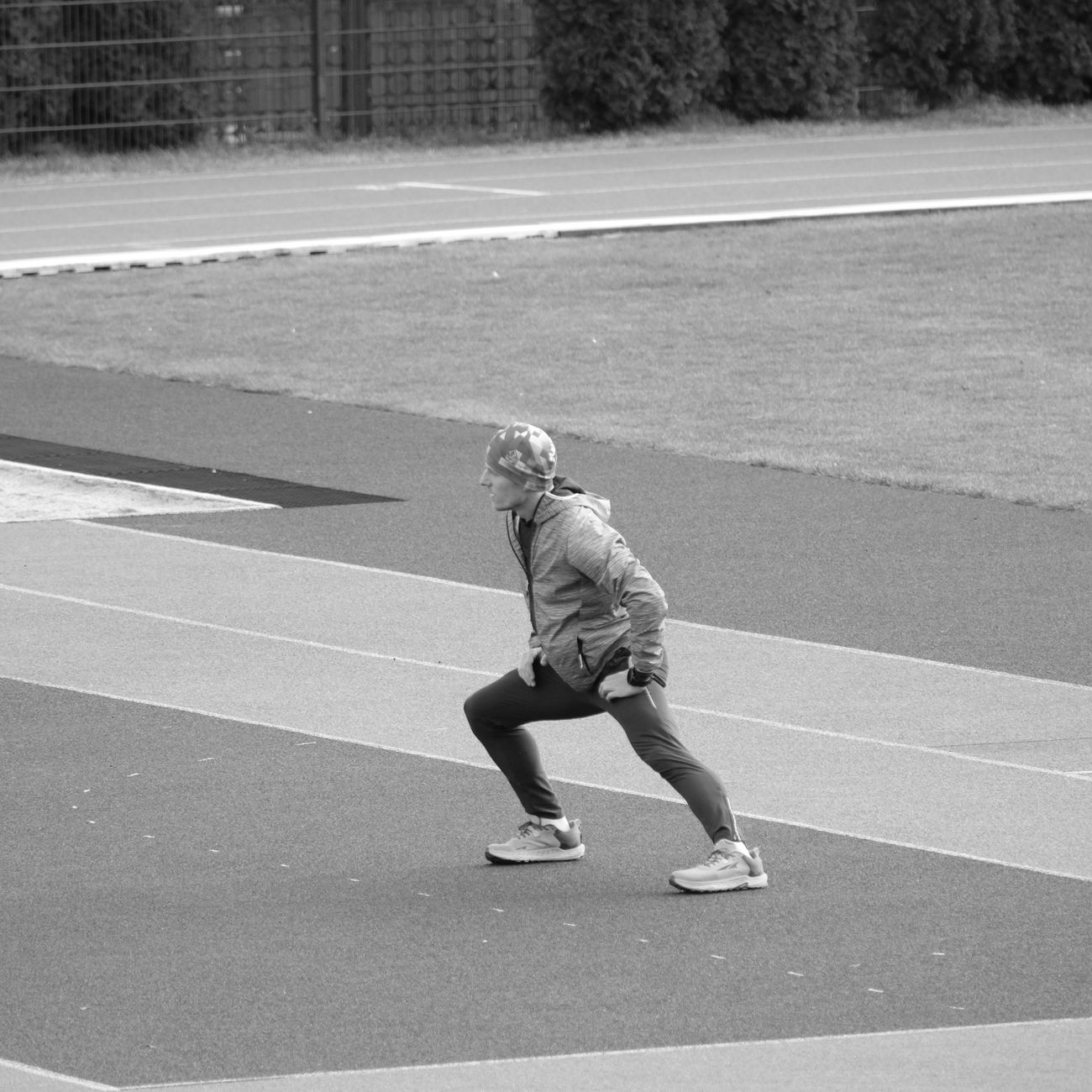
Exercise Progressions for Balance: In the Advanced Skill Certificate in Balance Exercises for the Elderly course, understanding key terms and vocabulary related to exercise progressions for balance is crucial. Progressions are a series of exercises that gradually increase in difficulty to enhance an individual's balance and stability. These progressions are essential for improving balance in the elderly population, as they help build strength, coordination, and confidence. Let's delve into the key terms and concepts associated with exercise progressions for balance in the elderly:
1. Balance: Balance is the ability to maintain a stable position and control body movements. It is a critical component of functional movement and is essential for everyday activities like walking, standing, and reaching. Improving balance can reduce the risk of falls and injuries in the elderly.
2. Stability: Stability refers to the body's ability to maintain a steady position or posture. It is closely linked to balance and is crucial for preventing falls. Stability exercises focus on strengthening the core muscles and improving proprioception.
3. Proprioception: Proprioception is the body's awareness of its position in space. It involves sensory feedback from muscles, joints, and tendons, which helps maintain balance and coordination. Proprioceptive exercises challenge the body's ability to sense and adjust to changes in position.
4. Progressions: Progressions are a series of exercises that increase in difficulty or intensity over time. They are used to challenge the body and promote continuous improvement in balance, strength, and coordination. Progressions can involve changes in exercise variables such as stability, resistance, and range of motion.
5. Regression: Regression is the opposite of progression and involves modifying an exercise to make it easier. Regressions are used to accommodate individuals with lower fitness levels or mobility limitations. They allow for gradual progression towards more challenging exercises.
6. Base of Support: The base of support refers to the area beneath the body that provides stability during movement. A wider base of support increases stability, while a narrower base of support challenges balance. Exercises that manipulate the base of support can improve balance and coordination.
7. Center of Gravity: The center of gravity is the point at which the body's mass is evenly distributed in all directions. It plays a crucial role in balance and stability, as the body must align its center of gravity over its base of support to maintain equilibrium. Exercises that target the center of gravity can enhance balance control.
8. Core Strength: Core strength refers to the stability and strength of the muscles in the abdomen, lower back, and pelvis. A strong core is essential for maintaining good posture, balance, and overall stability. Core exercises are an integral part of balance training for the elderly.
9. Functional Movement: Functional movement refers to the ability to perform everyday activities with ease and efficiency. Functional exercises mimic real-life movements and improve balance, strength, and coordination in a practical context. Incorporating functional movements into balance training can enhance overall functional capacity.
10. Dynamic Balance: Dynamic balance involves maintaining stability while moving or transitioning between different positions. It challenges the body's ability to adjust to changing environments and demands. Dynamic balance exercises focus on improving coordination and agility.
11. Static Balance: Static balance refers to the ability to maintain stability while stationary. It is essential for activities like standing, sitting, and holding a position. Static balance exercises focus on strengthening the muscles and improving postural control.
12. Progression Principles: There are several principles that guide the progression of balance exercises. These include the overload principle, specificity principle, reversibility principle, and individualization principle. Understanding these principles is essential for designing effective and safe exercise progressions for the elderly.
13. Overload Principle: The overload principle states that to improve fitness, the body must be exposed to a greater workload than it is accustomed to. This principle guides the progression of balance exercises by gradually increasing the difficulty or intensity of the exercises.
14. Specificity Principle: The specificity principle states that training should be specific to the desired outcome. When designing balance progressions, exercises should target the specific balance deficits or goals of the individual. Specificity ensures that improvements in balance translate to real-life activities.
15. Reversibility Principle: The reversibility principle states that fitness gains are lost when training ceases. To maintain improvements in balance, individuals must continue to engage in regular exercise. Progressions should be designed to prevent reversibility and promote long-term balance maintenance.
16. Individualization Principle: The individualization principle recognizes that each person has unique needs, abilities, and limitations. When designing exercise progressions for balance, it is essential to consider the individual's fitness level, goals, and health status. Tailoring progressions to the individual maximizes effectiveness and reduces the risk of injury.
17. Task Complexity: Task complexity refers to the level of difficulty or cognitive demand of an exercise. Increasing task complexity challenges the body's ability to multitask and coordinate movements, enhancing balance and coordination. Progressions that vary in task complexity can improve overall functional capacity.
18. Feedback: Feedback is information provided to the individual about their performance during an exercise. Feedback can be intrinsic (internal cues from the body) or extrinsic (external cues from a coach or device). Effective feedback enhances learning, motivation, and performance during balance exercises.
19. Dual Tasking: Dual tasking involves performing two tasks simultaneously, such as balancing while counting or carrying an object. Dual tasking challenges the cognitive and motor systems, improving multitasking abilities and balance control. Incorporating dual tasking into balance progressions can enhance functional capacity.
20. Balance Challenges: Balance challenges are exercises or tasks that disrupt stability and require the body to adapt and adjust to maintain balance. Challenges can involve changes in surface stability, visual input, or movement speed. Gradually introducing balance challenges can improve balance, coordination, and proprioception.
21. Safety Precautions: Safety precautions are measures taken to reduce the risk of injury during exercise. When designing balance progressions for the elderly, it is essential to consider factors such as fall risk, medical conditions, and environmental hazards. Incorporating safety precautions ensures a safe and effective training environment.
22. Progression Monitoring: Progression monitoring involves tracking and evaluating the individual's performance and progress during exercise. Monitoring can include assessing balance improvements, adjusting exercise intensity, and identifying areas for improvement. Regular progression monitoring guides the continued development of balance exercises.
23. Exercise Prescription: Exercise prescription involves designing a specific and individualized exercise program to meet the individual's goals and needs. When prescribing balance exercises for the elderly, factors such as frequency, intensity, duration, and progression should be considered. A well-designed exercise prescription maximizes the benefits of balance training.
24. Adaptations and Modifications: Adaptations and modifications are changes made to exercises to accommodate individual needs or limitations. Adaptations can include using assistive devices, adjusting exercise intensity, or modifying the exercise environment. Incorporating adaptations ensures that balance exercises are safe, effective, and tailored to the individual.
25. Functional Assessment: Functional assessment involves evaluating the individual's ability to perform everyday activities and tasks. Assessments can identify balance deficits, mobility limitations, and functional impairments. Using functional assessments guides the development of appropriate exercise progressions to improve overall functional capacity.
26. Progressive Overload: Progressive overload is the gradual increase in exercise intensity or workload over time. It is a fundamental principle in strength training and balance exercises. Progressive overload stimulates muscle adaptation and leads to improvements in balance, strength, and stability.
27. Resistance Training: Resistance training involves using external resistance, such as weights or resistance bands, to build strength and muscle mass. Incorporating resistance training into balance exercises can enhance muscle recruitment, improve stability, and prevent age-related muscle loss.
28. Neuromuscular Training: Neuromuscular training focuses on improving the communication between the nervous system and muscles. It includes exercises that challenge balance, coordination, and proprioception. Neuromuscular training is essential for enhancing movement efficiency and reducing the risk of falls.
29. Functional Balance Exercises: Functional balance exercises mimic real-life movements and activities to improve balance and stability in everyday tasks. Examples include walking heel-to-toe, standing on one leg, and stepping over obstacles. Functional balance exercises enhance functional capacity and promote independence in the elderly.
30. Progression Continuum: The progression continuum is a systematic approach to designing exercise progressions that gradually increase in difficulty. It involves starting with basic exercises and gradually advancing to more challenging variations. The progression continuum ensures a structured and effective approach to improving balance in the elderly.
31. Balance Training Programs: Balance training programs are structured exercise routines designed to improve balance, stability, and coordination. Programs may include a variety of exercises, progressions, and challenges to target specific balance deficits. Implementing a well-rounded balance training program can enhance overall functional capacity and quality of life.
32. Individualized Programs: Individualized programs are tailored exercise plans that consider the unique needs and goals of the individual. When designing balance exercise progressions for the elderly, it is essential to customize the program to address specific balance deficits, health conditions, and preferences. Individualized programs maximize effectiveness and motivation.
33. Functional Independence: Functional independence refers to the ability to perform daily activities and tasks without assistance. Improving balance and stability through exercise progressions enhances functional independence and quality of life in the elderly. Functional independence is a key goal of balance training programs.
34. Task-Specific Training: Task-specific training involves practicing activities or movements that are relevant to the individual's daily life. Task-specific exercises mimic real-life tasks and challenges, improving balance, coordination, and functional capacity. Incorporating task-specific training into balance progressions enhances transferability to everyday activities.
35. Environmental Considerations: Environmental considerations involve factors in the exercise environment that may affect balance and safety. When designing balance progressions for the elderly, it is important to consider factors such as lighting, flooring, and obstacles. Creating a safe and supportive environment enhances the effectiveness of balance training.
36. Progression Regression: Progression regression involves moving between more challenging and easier exercises to optimize progress and prevent plateaus. By alternating between progressions and regressions, individuals can continuously improve balance, strength, and coordination. Progression regression strategies enhance exercise variability and long-term gains.
37. Multi-Planar Movements: Multi-planar movements involve moving in different planes of motion, such as forward, backward, sideways, and rotational. Incorporating multi-planar movements into balance exercises challenges the body in multiple directions, improving overall stability and coordination. Multi-planar movements enhance functional capacity and reduce the risk of falls.
38. Balance Boards: Balance boards are tools used to improve balance, stability, and proprioception. They consist of a platform that tilts in multiple directions, challenging the body to maintain equilibrium. Balance boards are effective for enhancing core strength, lower body stability, and balance control in the elderly.
39. Tai Chi: Tai Chi is a mind-body practice that combines slow, flowing movements with deep breathing and mindfulness. It is an effective form of exercise for improving balance, coordination, and flexibility in the elderly. Tai Chi promotes relaxation, stress reduction, and overall well-being.
40. Pilates: Pilates is a form of exercise that focuses on core strength, flexibility, and body awareness. It incorporates controlled movements, breathing techniques, and alignment principles to improve posture and balance. Pilates is beneficial for enhancing core stability, muscle endurance, and balance control in the elderly.
41. Yoga: Yoga is a practice that combines physical postures, breathing exercises, and meditation to promote overall health and well-being. It improves flexibility, strength, and balance while reducing stress and anxiety. Yoga can enhance balance, stability, and proprioception in the elderly.
42. Functional Mobility: Functional mobility refers to the ability to move safely and efficiently in various environments. Improving functional mobility through balance exercises enhances independence, quality of life, and overall well-being in the elderly. Functional mobility is a key component of balance training programs.
43. Gait Training: Gait training involves practicing walking patterns and movements to improve gait mechanics and efficiency. It focuses on stride length, step width, and foot placement to enhance balance and stability during walking. Gait training is essential for improving mobility and reducing fall risk in the elderly.
44. Stepping Exercises: Stepping exercises involve stepping up, down, or over obstacles to improve balance, coordination, and lower body strength. They challenge the body's ability to maintain stability while transitioning between different surfaces. Stepping exercises are effective for enhancing dynamic balance and functional capacity in the elderly.
45. Progression Regression Chart: A progression regression chart is a visual tool that outlines the progression of exercises from easy to difficult and vice versa. It helps track progress, adjust exercise intensity, and identify suitable regressions or progressions. Using a progression regression chart enhances the organization and effectiveness of balance training programs.
46. Balance Beam Exercises: Balance beam exercises involve walking or standing on a narrow beam to improve balance, coordination, and proprioception. They challenge the body's ability to maintain stability on an unstable surface. Balance beam exercises are effective for enhancing balance control and lower body strength in the elderly.
47. Theraband Exercises: Therabands are elastic resistance bands used to strengthen muscles and improve joint stability. Theraband exercises target specific muscle groups and can be incorporated into balance training programs to enhance strength, coordination, and stability. Theraband exercises are versatile and effective for the elderly population.
48. BOSU Ball Exercises: BOSU balls are inflatable balance trainers with a flat platform on one side and a dome on the other. They are used to improve balance, stability, and core strength. BOSU ball exercises challenge the body's ability to maintain equilibrium on an unstable surface, enhancing balance control and coordination.
49. Foam Pad Exercises: Foam pads are soft, cushioned surfaces used to improve balance, stability, and proprioception. They provide an unstable surface that challenges the body to maintain equilibrium. Foam pad exercises are effective for enhancing core strength, lower body stability, and balance control in the elderly.
50. Progression Regression Protocol: A progression regression protocol is a systematic approach to designing exercise progressions that optimize balance improvements. It involves identifying suitable progressions and regressions, monitoring performance, and adjusting exercise intensity. Implementing a progression regression protocol enhances the effectiveness and safety of balance training programs.
51. Balance Assessment Tools: Balance assessment tools are tests and measures used to evaluate an individual's balance, stability, and mobility. They provide valuable information about balance deficits, fall risk, and functional impairments. Using balance assessment tools guides the development of appropriate exercise progressions to address specific balance challenges.
52. Balance Training Equipment: Balance training equipment includes tools and devices used to enhance balance, stability, and coordination. Examples include balance boards, stability balls, and resistance bands. Incorporating balance training equipment into exercise progressions can increase exercise variability, challenge the body, and improve balance control.
53. Progression Regression Strategies: Progression regression strategies involve techniques for optimizing exercise progressions and preventing plateaus. Strategies may include alternating between progressions and regressions, adjusting exercise variables, and introducing new challenges. Implementing progression regression strategies maximizes the effectiveness and sustainability of balance training programs.
54. Balance Training Benefits: Balance training offers numerous benefits for the elderly, including improved stability, reduced fall risk, enhanced functional capacity, and increased confidence. It promotes independence, quality of life, and overall well-being. Understanding the benefits of balance training motivates individuals to engage in regular exercise.
55. Balance Training Challenges: Balance training presents challenges such as muscle weakness, coordination deficits, and fear of falling. Overcoming these challenges requires patience, consistency, and appropriate progression of exercises. Addressing balance training challenges effectively enhances balance improvements and functional capacity in the elderly.
56. Balance Training Progressions: Balance training progressions involve a systematic increase in exercise difficulty to improve balance, stability, and coordination. Progressions may include changes in base of support, task complexity, or resistance. Implementing well-structured progressions ensures continuous improvement and long-term balance maintenance.
57. Balance Training Principles: Balance training principles guide the design and implementation of effective exercise progressions. Principles may include specificity, overload, reversibility, and individualization. Applying balance training principles optimizes exercise effectiveness, safety, and adherence in the elderly population.
58. Balance Training Guidelines: Balance training guidelines provide recommendations for designing safe and effective exercise progressions for the elderly. Guidelines may include considerations for safety precautions, progression monitoring, and individualization. Following balance training guidelines ensures a structured and evidence-based approach to improving balance and stability.
59. Balance Training Techniques: Balance training techniques are exercises and strategies used to enhance balance, stability, and coordination. Techniques may include static balance exercises, dynamic balance challenges, and proprioceptive drills. Incorporating a variety of balance training techniques into exercise progressions maximizes balance improvements and functional capacity.
60. Balance Training Programs: Balance training programs are structured exercise routines designed to improve balance, stability, and coordination. Programs may include a variety of exercises, progressions, and challenges to target specific balance deficits. Implementing a well-rounded balance training program can enhance overall functional capacity and quality of life.
Key takeaways
- Exercise Progressions for Balance: In the Advanced Skill Certificate in Balance Exercises for the Elderly course, understanding key terms and vocabulary related to exercise progressions for balance is crucial.
- It is a critical component of functional movement and is essential for everyday activities like walking, standing, and reaching.
- Stability: Stability refers to the body's ability to maintain a steady position or posture.
- It involves sensory feedback from muscles, joints, and tendons, which helps maintain balance and coordination.
- They are used to challenge the body and promote continuous improvement in balance, strength, and coordination.
- Regression: Regression is the opposite of progression and involves modifying an exercise to make it easier.
- Base of Support: The base of support refers to the area beneath the body that provides stability during movement.