
Strength Training for Balance
Strength Training for Balance: Strength training is a crucial component of balance exercises for the elderly. It involves exercises that target specific muscle groups to improve strength, stability, and coordination. When done correctly, st…
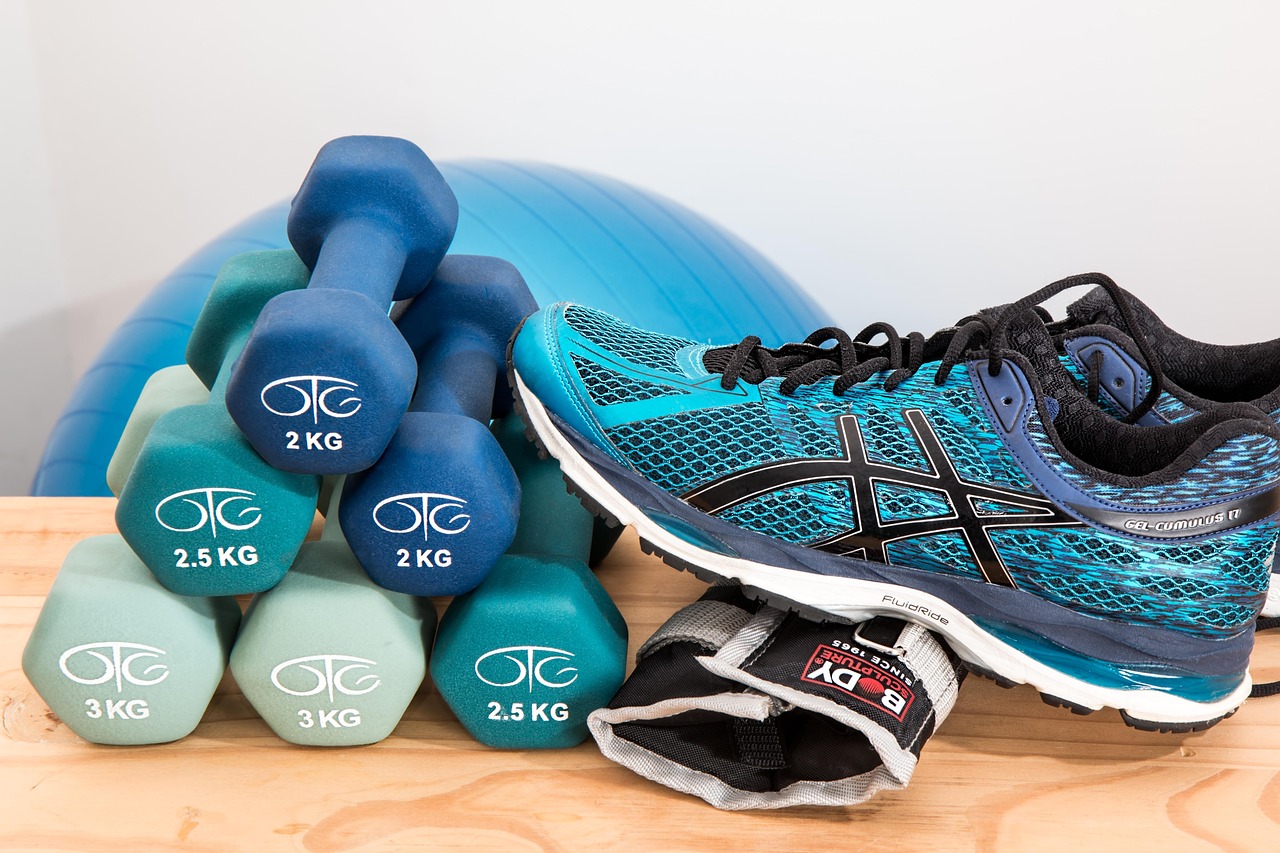
Strength Training for Balance: Strength training is a crucial component of balance exercises for the elderly. It involves exercises that target specific muscle groups to improve strength, stability, and coordination. When done correctly, strength training can help prevent falls and maintain independence in older adults.
Balance Exercises: Balance exercises are designed to improve stability and coordination, reducing the risk of falls in the elderly. These exercises can include standing on one leg, walking heel to toe, and practicing weight shifts. They help older adults maintain their balance and stay active.
Advanced Skill Certificate: An advanced skill certificate signifies a high level of proficiency in a specific area of expertise. In the context of balance exercises for the elderly, this certificate indicates advanced knowledge and skills in designing and implementing balance training programs for older adults.
Elderly: The elderly refers to individuals who are older in age, typically 65 years and above. As people age, they may experience physical and cognitive decline, making balance exercises essential for maintaining their quality of life and preventing falls.
Key Terms and Vocabulary:
1. Core Strength: Core strength refers to the strength of the muscles in the abdomen, lower back, and pelvis. A strong core is essential for maintaining balance and stability during everyday activities.
2. Proprioception: Proprioception is the body's ability to sense its position in space. It allows individuals to maintain balance and coordination without relying solely on vision.
3. Flexibility: Flexibility is the ability of muscles and joints to move through their full range of motion. Improving flexibility can enhance balance and prevent injuries in older adults.
4. Neuromuscular Control: Neuromuscular control refers to the interaction between the nervous system and muscles to produce coordinated movement. It plays a crucial role in balance and stability.
5. Functional Movements: Functional movements are exercises that mimic real-life activities, such as squatting, reaching, and bending. These movements help older adults improve their balance and mobility in daily tasks.
6. Isometric Exercises: Isometric exercises involve contracting the muscles without changing their length. These exercises can improve strength and stability, making them beneficial for balance training.
7. Progressive Overload: Progressive overload is the gradual increase in exercise intensity to continually challenge the body. It is essential for improving strength and balance over time.
8. Eccentric Training: Eccentric training focuses on the lengthening phase of muscle contractions. This type of training can improve muscle strength and control, enhancing balance in older adults.
9. Resistance Bands: Resistance bands are elastic bands used to provide resistance during strength training exercises. They can help older adults improve muscle strength and balance without the need for heavy weights.
10. Stability Ball: A stability ball is a large inflatable ball used for balance exercises. It challenges core stability and can improve balance and coordination in older adults.
11. Tai Chi: Tai Chi is a mind-body practice that involves slow, flowing movements. It has been shown to improve balance, strength, and flexibility in older adults, making it a popular choice for balance training.
12. Pilates: Pilates is a form of exercise that focuses on core strength, flexibility, and body awareness. It can help older adults improve their balance and posture through controlled movements.
13. Balance Board: A balance board is a device used to improve balance and coordination. Standing on a balance board challenges the stabilizing muscles and can help older adults enhance their balance skills.
14. Dual Task Training: Dual task training involves performing cognitive tasks while completing physical exercises. This type of training can improve balance and cognitive function in older adults.
15. Gait Training: Gait training focuses on improving walking patterns and stride length. It can help older adults maintain their independence and reduce the risk of falls by enhancing balance and mobility.
16. Static Balance: Static balance refers to the ability to maintain a stable position while standing still. Improving static balance is essential for preventing falls and enhancing overall stability in older adults.
17. Dynamic Balance: Dynamic balance involves maintaining stability while moving or changing positions. Exercises that challenge dynamic balance can help older adults improve their coordination and agility.
18. Leg Strength: Leg strength is crucial for maintaining balance and stability in daily activities such as walking, climbing stairs, and getting up from a chair. Strengthening the leg muscles can help older adults prevent falls and maintain independence.
19. Postural Alignment: Postural alignment refers to the correct positioning of the body while standing, sitting, or moving. Improving postural alignment can enhance balance, reduce strain on the joints, and prevent injuries in older adults.
20. Progression: Progression involves gradually increasing the difficulty or intensity of exercises over time. A well-designed progression plan can help older adults improve their strength, balance, and coordination effectively.
21. Recovery Strategies: Recovery strategies are techniques used to regain balance after a loss of stability. Older adults can benefit from practicing these strategies to prevent falls and improve their confidence in performing daily activities.
22. Visual Feedback: Visual feedback involves using visual cues to monitor body position and movement during exercises. Providing visual feedback can help older adults correct their posture, improve their balance, and enhance their performance.
23. Adaptations: Adaptations are modifications made to exercises to accommodate individual needs or limitations. Tailoring exercises to the abilities of older adults can ensure safe and effective balance training.
24. Core Stability: Core stability refers to the ability of the core muscles to support the spine and pelvis during movements. Improving core stability can enhance balance, posture, and overall functional abilities in older adults.
25. Coordination: Coordination is the ability to execute smooth and controlled movements involving multiple muscle groups. Enhancing coordination through balance exercises can help older adults maintain their balance and perform daily tasks with ease.
26. Agility: Agility is the ability to move quickly and efficiently while changing direction. Improving agility can help older adults react to unexpected situations and maintain their balance in various environments.
27. Lower Body Strength: Lower body strength is essential for activities such as walking, standing, and climbing stairs. Strengthening the muscles of the lower body can improve balance, stability, and mobility in older adults.
28. Upper Body Strength: Upper body strength is important for tasks like lifting, pushing, and reaching. Enhancing upper body strength can improve overall functional abilities and reduce the risk of falls in older adults.
29. Functional Balance: Functional balance refers to the ability to maintain stability during everyday activities. Improving functional balance through targeted exercises can help older adults stay active and independent.
30. Dual Task Interference: Dual task interference occurs when performing two tasks simultaneously impairs performance on one or both tasks. Older adults may experience dual task interference during balance exercises, highlighting the importance of cognitive-motor training.
31. Balance Challenges: Balance challenges are exercises that require older adults to maintain stability in various positions or conditions. These challenges can help improve balance, coordination, and proprioception in older adults.
32. Stepping Strategies: Stepping strategies involve taking quick steps or adjusting foot placement to regain balance. Practicing stepping strategies can help older adults react effectively to balance disturbances and prevent falls.
33. Ankle Stability: Ankle stability is essential for maintaining balance and preventing ankle injuries. Strengthening the muscles around the ankle joint can improve stability and agility in older adults.
34. Hip Strength: Hip strength plays a crucial role in balance and stability, especially during activities that involve weight-bearing or hip movements. Strengthening the hip muscles can help older adults maintain their balance and prevent falls.
35. Body Awareness: Body awareness is the ability to perceive and control body movements in space. Improving body awareness through balance exercises can help older adults enhance their coordination, posture, and balance skills.
36. Sensory Integration: Sensory integration refers to the brain's ability to process and interpret sensory information from the environment. Enhancing sensory integration can improve balance and coordination in older adults by optimizing the use of visual, vestibular, and proprioceptive cues.
37. Task-Specific Training: Task-specific training involves practicing activities that mimic real-life tasks to improve functional abilities. Tailoring balance exercises to specific tasks can help older adults transfer their skills to daily activities and maintain independence.
38. Coordination Challenges: Coordination challenges are exercises that require precise timing and sequencing of movements. These challenges can help older adults enhance their coordination, motor control, and balance skills.
39. Balance Assessment: Balance assessment involves evaluating an individual's balance abilities to identify strengths and weaknesses. Conducting a thorough balance assessment can help design personalized balance training programs for older adults.
40. Motor Learning: Motor learning is the process of acquiring and refining motor skills through practice and feedback. Understanding the principles of motor learning can help older adults improve their balance and coordination more effectively.
41. Environmental Factors: Environmental factors such as lighting, flooring, and obstacles can affect balance and safety during exercise. Adapting the environment to reduce risks and provide support can enhance the effectiveness of balance training for older adults.
42. Feedback Mechanisms: Feedback mechanisms provide information to individuals about their performance during exercises. Using feedback effectively can help older adults correct errors, monitor progress, and optimize their balance training outcomes.
43. Task Complexity: Task complexity refers to the level of difficulty or cognitive demand of an exercise. Gradually increasing task complexity can challenge older adults to improve their balance, coordination, and cognitive abilities.
44. Balance Retraining: Balance retraining involves restoring or improving balance skills through targeted exercises and interventions. Older adults can benefit from balance retraining programs to reduce falls, enhance mobility, and maintain independence.
45. Motor Control: Motor control is the ability to coordinate muscle movements to perform tasks accurately and efficiently. Enhancing motor control through balance exercises can help older adults improve their coordination, stability, and functional abilities.
46. Biomechanics: Biomechanics is the study of how the body moves and functions mechanically. Understanding biomechanical principles can help optimize exercise techniques and reduce the risk of injuries during balance training for older adults.
47. Task Variability: Task variability involves changing the conditions or parameters of an exercise to challenge different aspects of balance and motor control. Incorporating task variability can enhance the effectiveness of balance training and improve skill transfer to daily activities.
48. Cognitive Load: Cognitive load refers to the mental effort required to perform a task. Balancing exercises with varying levels of cognitive load can help older adults improve their balance, coordination, and cognitive function simultaneously.
49. Motor Planning: Motor planning is the ability to organize and execute movements in a coordinated manner. Enhancing motor planning skills through balance exercises can help older adults improve their agility, timing, and precision in movement.
50. Self-Efficacy: Self-efficacy is the belief in one's ability to succeed in specific tasks or situations. Building self-efficacy through positive reinforcement and encouragement can motivate older adults to engage in balance exercises and achieve their goals.
51. Balance Strategies: Balance strategies are techniques used to maintain stability and prevent falls in challenging situations. Practicing different balance strategies can help older adults develop adaptive responses to balance disturbances and improve their confidence in daily activities.
52. Strength Endurance: Strength endurance is the ability of muscles to sustain repeated contractions over time. Improving strength endurance can enhance muscular stability, reduce fatigue, and support balance maintenance during prolonged activities.
53. Motor Adaptation: Motor adaptation is the process of adjusting movement patterns in response to changing conditions or demands. Enhancing motor adaptation skills through balance exercises can help older adults improve their balance and coordination in various environments.
54. Step Length: Step length refers to the distance covered by each step during walking or gait. Improving step length can enhance walking efficiency, balance control, and mobility in older adults, reducing the risk of falls.
55. Dynamic Stability: Dynamic stability refers to the ability to maintain balance while moving or changing positions dynamically. Enhancing dynamic stability through targeted exercises can help older adults improve their coordination, agility, and reaction time.
56. Task-Specific Challenges: Task-specific challenges involve practicing exercises that mirror the demands of specific activities or movements. Tailoring balance training to address task-specific challenges can help older adults transfer their skills to real-life situations and improve functional abilities.
57. Functional Limitations: Functional limitations refer to difficulties or restrictions in performing daily activities due to physical or cognitive impairments. Addressing functional limitations through appropriate balance exercises can help older adults overcome barriers to independence and mobility.
58. Balance Control: Balance control is the ability to regulate body position and movement to maintain stability. Enhancing balance control through targeted exercises can help older adults improve their posture, coordination, and confidence in daily activities.
59. Motor Coordination: Motor coordination is the harmonious interaction of muscles and joints to produce smooth and efficient movements. Improving motor coordination through balance exercises can help older adults enhance their balance, agility, and fine motor skills.
60. Task Integration: Task integration involves combining multiple tasks or movements to challenge coordination and cognitive function simultaneously. Integrating tasks in balance exercises can help older adults improve their multitasking abilities and adaptability in different environments.
61. Sensory Feedback: Sensory feedback provides information to the brain about body position, movement, and balance. Enhancing sensory feedback through balance exercises can help older adults improve their proprioception, spatial awareness, and postural control.
62. Weight Shifts: Weight shifts involve transferring body weight from one foot to the other while maintaining balance. Practicing weight shifts can help older adults improve their stability, coordination, and weight-bearing capacity during daily activities.
63. Postural Stability: Postural stability refers to the ability to maintain an upright position while standing or moving. Enhancing postural stability through balance exercises can help older adults reduce the risk of falls, improve their posture, and enhance their overall stability.
64. Balance Training Protocols: Balance training protocols are structured programs designed to improve balance, stability, and coordination in older adults. Following evidence-based training protocols can help older adults achieve optimal outcomes and reduce the risk of falls.
65. Motor Skills: Motor skills are the abilities to perform coordinated movements with precision and efficiency. Enhancing motor skills through balance exercises can help older adults improve their balance, coordination, and functional abilities in daily tasks.
66. Task Analysis: Task analysis involves breaking down complex movements or activities into smaller components to identify specific challenges or requirements. Conducting task analysis can help design targeted balance exercises that address the individual needs of older adults.
67. Balance Training Equipment: Balance training equipment includes tools and devices used to enhance balance exercises and challenges. Incorporating balance training equipment such as stability balls, balance boards, and resistance bands can help older adults improve their stability, strength, and coordination.
68. Motor Development: Motor development refers to the process of acquiring and refining motor skills from infancy to older adulthood. Understanding motor development principles can help tailor balance exercises to the specific needs and abilities of older adults at different stages of life.
69. Task Prioritization: Task prioritization involves focusing on specific aspects of an exercise or activity to improve performance and outcomes. Prioritizing balance-related tasks can help older adults develop key skills and strategies to enhance their balance and stability.
70. Balance Training Progressions: Balance training progressions involve systematically increasing the difficulty or complexity of exercises over time. Implementing progressive balance training progressions can help older adults build strength, coordination, and confidence in their balance skills.
71. Dual Task Coordination: Dual task coordination involves performing two tasks simultaneously while maintaining balance and coordination. Practicing dual task coordination exercises can help older adults improve their multitasking abilities and cognitive-motor skills.
72. Balance Training Interventions: Balance training interventions are specialized programs designed to address specific balance-related challenges or impairments. Implementing evidence-based balance training interventions can help older adults improve their balance, stability, and quality of life.
73. Motor Learning Principles: Motor learning principles are fundamental concepts that guide the acquisition and refinement of motor skills. Applying motor learning principles to balance exercises can help older adults optimize their practice, feedback, and retention of balance skills.
74. Task-Specific Rehabilitation: Task-specific rehabilitation involves targeting specific functional tasks or movements to improve balance and mobility. Designing task-specific rehabilitation programs for older adults can help address individual limitations and enhance overall functional abilities.
75. Balance Training Techniques: Balance training techniques are specific methods used to improve balance, stability, and coordination in older adults. Incorporating a variety of balance training techniques such as weight shifts, proprioceptive exercises, and dynamic balance challenges can help older adults enhance their balance skills effectively.
76. Motor Control Strategies: Motor control strategies are approaches used to optimize movement patterns and coordination during exercises. Implementing motor control strategies such as feedback, cueing, and task modifications can help older adults improve their balance, posture, and movement efficiency.
77. Task-Specific Progressions: Task-specific progressions involve advancing exercises in a systematic manner to challenge specific balance-related tasks or movements. Designing task-specific progressions can help older adults improve their balance, coordination, and functional abilities in targeted areas of performance.
78. Balance Training Assessments: Balance training assessments are evaluations used to measure balance abilities, identify areas of improvement, and track progress over time. Conducting regular balance training assessments can help older adults set goals, monitor outcomes, and adjust their training programs as needed.
79. Functional Mobility: Functional mobility refers to the ability to move safely and efficiently in various environments and situations. Improving functional mobility through balance exercises can help older adults maintain their independence, prevent falls, and enhance their quality of life.
80. Balance Training Strategies: Balance training strategies are approaches used to optimize the effectiveness of balance exercises and challenges. Implementing evidence-based balance training strategies such as task-specific training, progressive overload, and sensory integration can help older adults achieve optimal balance outcomes and functional improvements.
Key takeaways
- Strength Training for Balance: Strength training is a crucial component of balance exercises for the elderly.
- Balance Exercises: Balance exercises are designed to improve stability and coordination, reducing the risk of falls in the elderly.
- In the context of balance exercises for the elderly, this certificate indicates advanced knowledge and skills in designing and implementing balance training programs for older adults.
- As people age, they may experience physical and cognitive decline, making balance exercises essential for maintaining their quality of life and preventing falls.
- Core Strength: Core strength refers to the strength of the muscles in the abdomen, lower back, and pelvis.
- It allows individuals to maintain balance and coordination without relying solely on vision.
- Flexibility: Flexibility is the ability of muscles and joints to move through their full range of motion.