
Tai Chi for Fall Prevention
Tai Chi for Fall Prevention
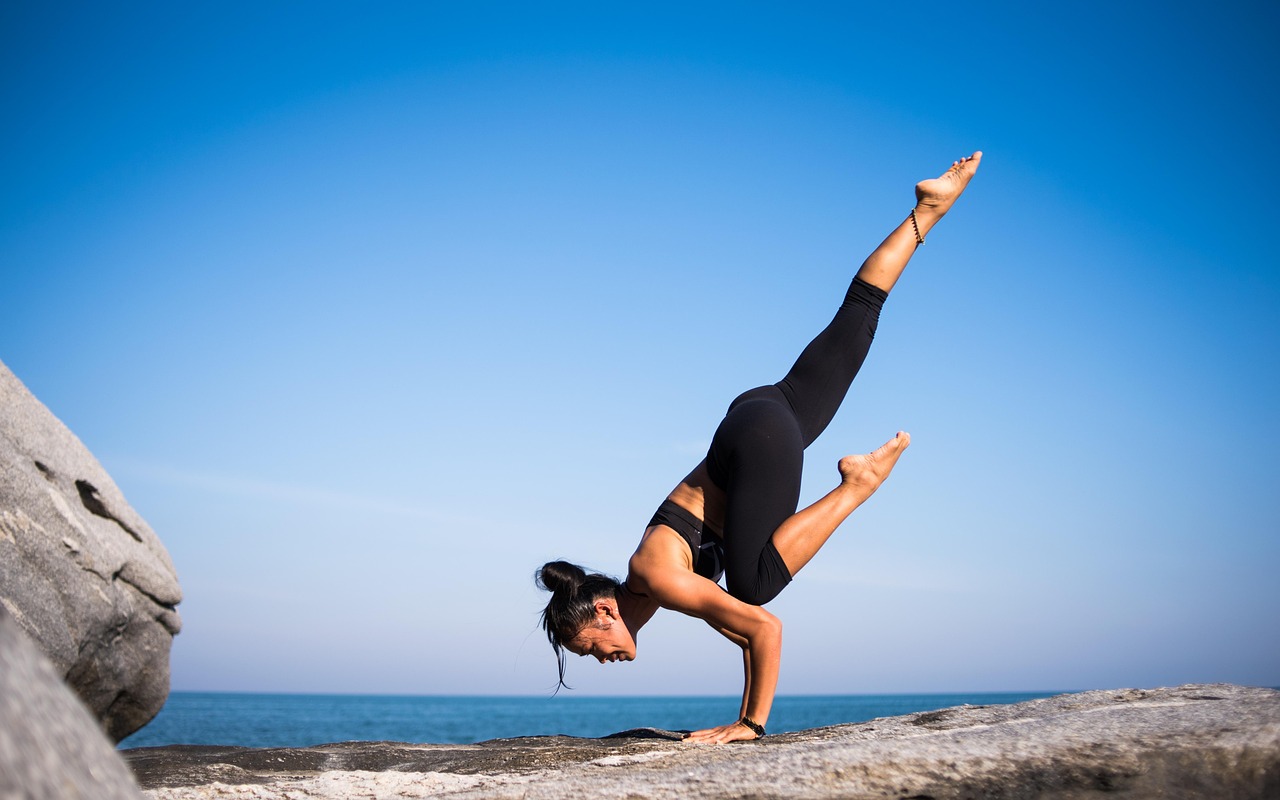
Tai Chi for Fall Prevention
Tai Chi is a traditional Chinese martial art that has gained popularity worldwide for its numerous health benefits, including fall prevention in the elderly. This gentle form of exercise focuses on slow, flowing movements that improve balance, strength, flexibility, and mental well-being. When practiced regularly, Tai Chi can significantly reduce the risk of falls by enhancing stability and coordination.
Fall Prevention
Falls are a major concern for older adults, as they can lead to serious injuries such as fractures, head trauma, and even death. Fall prevention strategies are crucial in helping seniors maintain their independence and quality of life. Tai Chi has been proven to be an effective fall prevention intervention, as it addresses multiple risk factors that contribute to falls, including muscle weakness, poor balance, and decreased mobility.
Balance Exercises
Balance exercises are essential for older adults to maintain stability and prevent falls. Tai Chi is a form of balance exercise that focuses on improving posture, coordination, and proprioception. By engaging in Tai Chi regularly, seniors can strengthen the muscles that support proper alignment and reduce the likelihood of losing balance during daily activities.
Elderly
The term "elderly" refers to individuals who are advanced in age, typically over the age of 65. As people age, they may experience physical and cognitive changes that can impact their mobility and balance. It is important for older adults to engage in regular exercise, such as Tai Chi, to maintain their health and well-being as they age.
Advanced Skill Certificate
An advanced skill certificate is a credential that recognizes individuals who have achieved a high level of proficiency in a specific area of expertise. In the context of balance exercises for the elderly, an advanced skill certificate signifies that an individual has mastered the techniques and principles of Tai Chi for fall prevention and is qualified to teach these exercises to others.
Vocabulary
1. Tai Chi: A traditional Chinese martial art that focuses on slow, deliberate movements to promote physical and mental well-being. 2. Fall Prevention: Strategies and interventions designed to reduce the risk of falls in older adults. 3. Balance Exercises: Physical activities that improve stability, coordination, and proprioception to prevent falls. 4. Elderly: Individuals who are advanced in age, typically over the age of 65. 5. Advanced Skill Certificate: A credential that recognizes proficiency in a specific area of expertise, such as Tai Chi for fall prevention.
Key Terms
1. Muscle Weakness: Decreased strength in the muscles, which can contribute to poor balance and increased risk of falls. 2. Proprioception: The body's ability to sense its position in space and maintain balance. 3. Coordination: The ability to move different parts of the body smoothly and efficiently. 4. Posture: The alignment of the body in relation to gravity, which is important for balance and stability. 5. Mobility: The ability to move freely and easily, which can be affected by age-related changes in muscles and joints.
Practical Applications
Practicing Tai Chi for fall prevention can have numerous benefits for older adults, including: - Improved balance and stability - Increased muscle strength and flexibility - Enhanced coordination and proprioception - Reduced risk of falls and fall-related injuries
Seniors can incorporate Tai Chi into their daily routine by attending classes at a local community center or practicing at home using online resources or DVDs. It is important for older adults to start slowly and gradually increase the intensity of their Tai Chi practice to avoid injury and maximize the benefits of this gentle form of exercise.
Challenges
While Tai Chi is a safe and effective exercise for fall prevention in the elderly, there are some challenges that seniors may encounter when starting a Tai Chi practice: - Learning complex movements and sequences - Building strength and flexibility in muscles that may have weakened with age - Overcoming fear of falling and building confidence in balance and stability - Finding accessible and affordable Tai Chi classes or resources in their community
Despite these challenges, with dedication and practice, older adults can experience significant improvements in their balance, strength, and overall well-being through regular Tai Chi practice for fall prevention. It is important for seniors to consult with their healthcare provider before starting any new exercise program, especially if they have preexisting health conditions or concerns.
In conclusion, Tai Chi is a valuable tool for fall prevention in the elderly, offering a holistic approach to improving balance, strength, and flexibility. By incorporating Tai Chi into their daily routine, older adults can enhance their quality of life and reduce their risk of falls and fall-related injuries. With the support of qualified instructors and a commitment to regular practice, seniors can enjoy the many benefits of Tai Chi for fall prevention well into their golden years.
Key takeaways
- Tai Chi is a traditional Chinese martial art that has gained popularity worldwide for its numerous health benefits, including fall prevention in the elderly.
- Tai Chi has been proven to be an effective fall prevention intervention, as it addresses multiple risk factors that contribute to falls, including muscle weakness, poor balance, and decreased mobility.
- By engaging in Tai Chi regularly, seniors can strengthen the muscles that support proper alignment and reduce the likelihood of losing balance during daily activities.
- It is important for older adults to engage in regular exercise, such as Tai Chi, to maintain their health and well-being as they age.
- In the context of balance exercises for the elderly, an advanced skill certificate signifies that an individual has mastered the techniques and principles of Tai Chi for fall prevention and is qualified to teach these exercises to others.
- Advanced Skill Certificate: A credential that recognizes proficiency in a specific area of expertise, such as Tai Chi for fall prevention.
- Muscle Weakness: Decreased strength in the muscles, which can contribute to poor balance and increased risk of falls.