
Flavor Profiles in Tea
Tea Flavor Profiles:
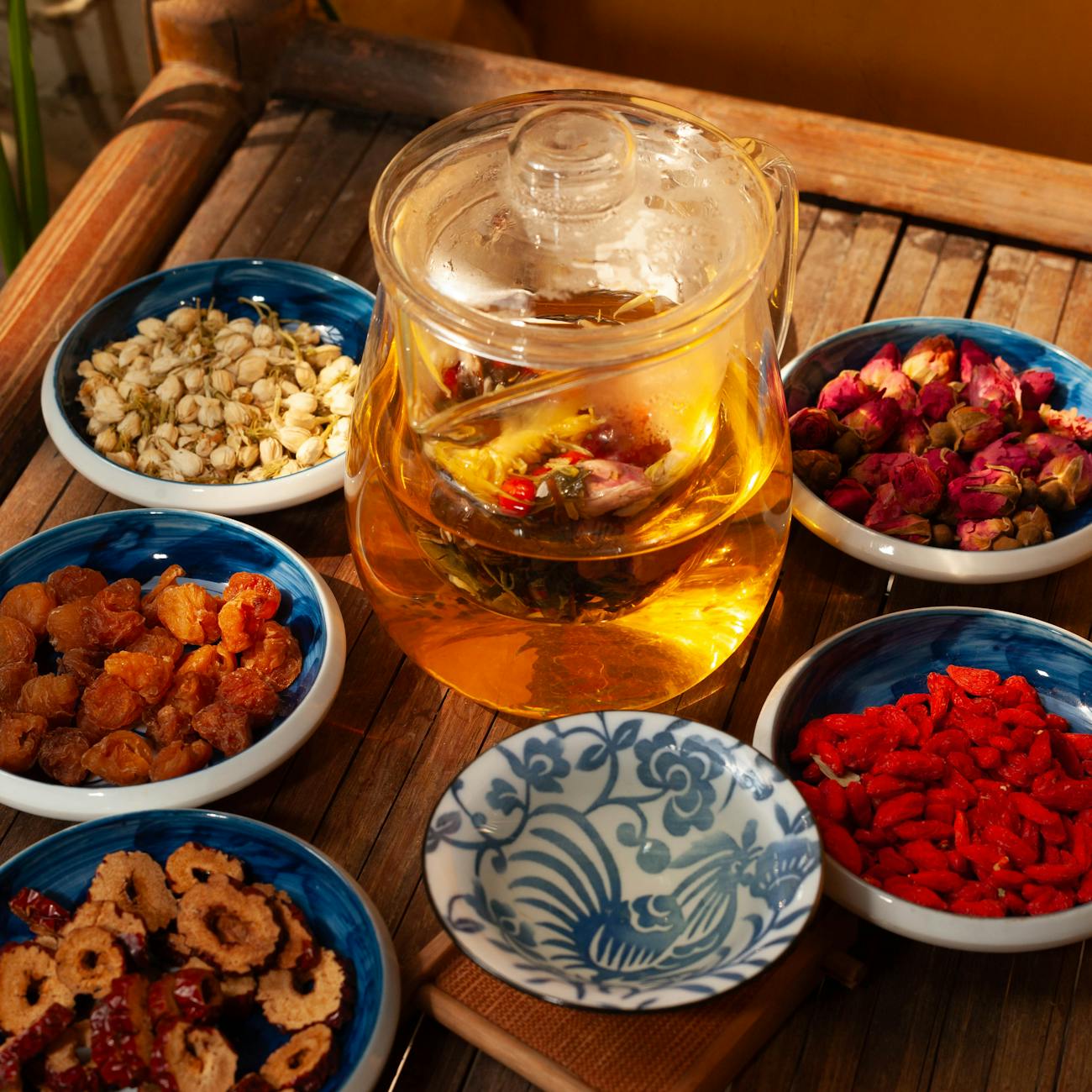
Tea Flavor Profiles:
Understanding the flavor profiles of tea is essential for tea blending. The flavor profile refers to the combination of tastes and aromas that make up the overall sensory experience of a tea. It is influenced by various factors such as the type of tea, where it is grown, how it is processed, and how it is brewed. Here, we will discuss key terms and vocabulary related to flavor profiles in tea to help you develop a deeper understanding of this intricate subject.
1. **Terroir**: - Terroir refers to the environmental factors that affect the flavor of tea, including soil, climate, altitude, and weather conditions. These factors can influence the chemical composition of the tea leaves, ultimately impacting the flavor profile of the tea. For example, teas grown at higher altitudes tend to have a more delicate flavor due to slower growth and lower temperatures.
2. **Cultivar**: - Cultivar refers to a cultivated variety of a plant species, specifically selected for desirable traits such as flavor, aroma, and appearance. Different tea cultivars can produce teas with distinct flavor profiles. For example, the Assamica cultivar is known for producing bold and malty black teas, while the Long Jing cultivar is prized for its chestnut-like flavor in green teas.
3. **Processing**: - Processing plays a crucial role in shaping the flavor profile of tea. Different processing methods such as withering, rolling, oxidation, and firing can result in a wide range of flavors and aromas. For example, green tea is minimally processed, retaining its fresh and grassy flavors, while black tea undergoes full oxidation, resulting in a rich and robust flavor profile.
4. **Oxidation**: - Oxidation refers to the chemical reaction that occurs when tea leaves are exposed to oxygen, leading to changes in flavor, color, and aroma. The level of oxidation can greatly impact the flavor profile of the tea. For example, oolong tea is partially oxidized, resulting in a complex flavor profile that falls between green and black tea.
5. **Aroma**: - Aroma refers to the scent or fragrance of the tea, which is detected by the olfactory senses. Aroma is a crucial component of the overall flavor profile, as it can greatly influence the perceived taste of the tea. For example, a tea with a floral aroma may be perceived as sweeter or more delicate in flavor.
6. **Taste**: - Taste refers to the perceived flavors of the tea on the palate, including sweetness, bitterness, astringency, and umami. The taste of tea is influenced by factors such as the chemical composition of the tea leaves, brewing temperature, and brewing time. For example, a high-quality green tea may have a sweet and vegetal taste, while a black tea may be bold and malty.
7. **Body**: - Body refers to the mouthfeel or texture of the tea, which can range from light and delicate to full and robust. The body of the tea is influenced by factors such as the size of the tea leaves, the brewing method, and the water temperature. For example, a high-quality white tea may have a light and airy body, while a heavily oxidized black tea may have a thick and velvety body.
8. **Finish**: - Finish refers to the lingering aftertaste of the tea, which can be sweet, astringent, or complex. The finish of the tea is influenced by factors such as the terroir, cultivar, and processing method. For example, a high-quality oolong tea may have a long and floral finish, while a low-quality tea may have a harsh and bitter aftertaste.
9. **Balance**: - Balance refers to the harmony of flavors in the tea, where no single flavor dominates the overall profile. A well-balanced tea will have a pleasing combination of sweet, bitter, and savory notes. Achieving balance in tea blending requires careful consideration of the ingredients and proportions used. For example, a blend of black tea with bergamot oil in Earl Grey tea achieves a perfect balance of citrusy and malty flavors.
10. **Complexity**: - Complexity refers to the depth and intricacy of flavors in the tea, where multiple layers of taste and aroma unfold with each sip. A complex tea will have a nuanced flavor profile that evolves on the palate. Achieving complexity in tea blending requires using high-quality ingredients and skillful blending techniques. For example, a blend of white tea with jasmine flowers and dried fruits can create a complex and fragrant tea with floral and fruity notes.
11. **Single Origin**: - Single origin refers to teas that are sourced from a specific region or estate, allowing the unique terroir of that location to shine through in the flavor profile. Single origin teas are prized for their distinct flavors and characteristics that reflect the environment in which they were grown. For example, Darjeeling tea from the Makaibari estate in India is known for its muscatel flavor with floral and fruity notes.
12. **Blending**: - Blending is the process of combining different teas, herbs, spices, or other ingredients to create a unique flavor profile. Blending allows tea makers to experiment with different combinations to achieve a desired taste and aroma. The art of blending requires an understanding of the individual characteristics of each ingredient and how they interact with one another. For example, blending black tea with dried fruit and spices can create a warming and aromatic chai blend.
13. **Flavor Wheel**: - A flavor wheel is a visual tool used to categorize and describe the various flavors and aromas found in tea. The flavor wheel helps tea tasters identify and articulate the different components of the flavor profile, allowing for a more nuanced understanding of the tea. The flavor wheel may include categories such as floral, fruity, nutty, vegetal, and spicy. By using a flavor wheel, tea blenders can more effectively create balanced and complex blends.
14. **Astringency**: - Astringency refers to the dry and puckering sensation experienced in the mouth when drinking tea, caused by tannins in the tea leaves. Astringency is a desirable quality in some teas, adding complexity and structure to the flavor profile. However, excessive astringency can be off-putting and overpowering. For example, a high-quality Assam black tea may have a pleasant astringency that balances out its malty sweetness.
15. **Umami**: - Umami is the fifth basic taste, characterized by a savory and brothy flavor that adds depth and richness to the tea. Umami is often associated with green teas and Japanese teas, where it contributes to a well-rounded and satisfying flavor profile. For example, a high-quality sencha tea may have a pronounced umami flavor that lingers on the palate.
16. **Herbal Infusions**: - Herbal infusions are caffeine-free beverages made from dried herbs, flowers, fruits, or spices, offering a wide range of flavors and health benefits. Herbal infusions can be blended with tea leaves or enjoyed on their own, providing endless possibilities for creating unique flavor profiles. For example, a blend of chamomile, lavender, and mint can create a soothing and aromatic herbal infusion with floral and minty notes.
17. **Challenges**: - Developing a deep understanding of flavor profiles in tea and mastering the art of blending can be a challenging and rewarding process. Some of the challenges faced by tea blenders include sourcing high-quality ingredients, achieving balance and complexity in blends, and consistently reproducing desired flavor profiles. Experimentation, tasting, and continuous learning are essential for overcoming these challenges and creating exceptional teas.
In conclusion, understanding the key terms and vocabulary related to flavor profiles in tea is essential for tea blending. By familiarizing yourself with concepts such as terroir, cultivar, processing, aroma, taste, body, finish, balance, complexity, and blending, you can enhance your appreciation and knowledge of the intricate world of tea flavors. Experimenting with different ingredients, techniques, and blending methods will allow you to create unique and delicious teas that delight the senses. Embrace the challenges and opportunities that come with tea blending, and enjoy the journey of discovering new and exciting flavor profiles.
Key takeaways
- Here, we will discuss key terms and vocabulary related to flavor profiles in tea to help you develop a deeper understanding of this intricate subject.
- **Terroir**: - Terroir refers to the environmental factors that affect the flavor of tea, including soil, climate, altitude, and weather conditions.
- For example, the Assamica cultivar is known for producing bold and malty black teas, while the Long Jing cultivar is prized for its chestnut-like flavor in green teas.
- For example, green tea is minimally processed, retaining its fresh and grassy flavors, while black tea undergoes full oxidation, resulting in a rich and robust flavor profile.
- **Oxidation**: - Oxidation refers to the chemical reaction that occurs when tea leaves are exposed to oxygen, leading to changes in flavor, color, and aroma.
- Aroma is a crucial component of the overall flavor profile, as it can greatly influence the perceived taste of the tea.
- **Taste**: - Taste refers to the perceived flavors of the tea on the palate, including sweetness, bitterness, astringency, and umami.