
Tea Blending Equipment
Tea Blending Equipment
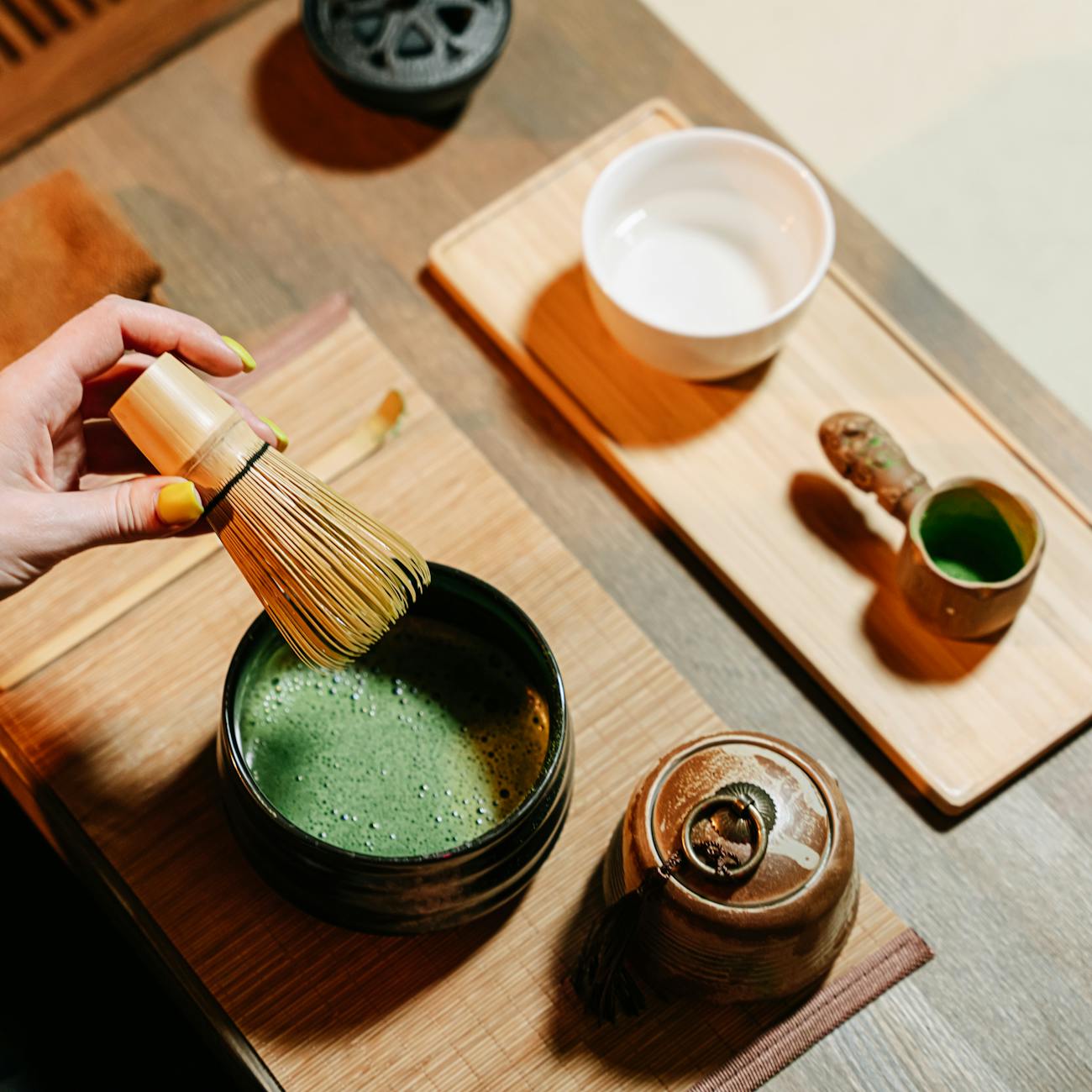
Tea Blending Equipment
Tea blending is an art that involves the mixing of different types of teas, herbs, spices, flowers, and other ingredients to create unique and flavorful blends. To achieve the perfect blend, tea blenders rely on a variety of equipment that helps them measure, mix, and package their creations. In this course, we will explore the key terms and vocabulary related to tea blending equipment to help you understand the tools of the trade.
1. Tea Blending Machines
Tea blending machines are essential equipment for tea blenders to mix different ingredients in precise quantities. These machines come in various sizes and designs, ranging from small handheld blenders to large industrial-scale mixers. Some common types of tea blending machines include:
- Batch Blenders: Batch blenders are used to mix large quantities of tea at once. They consist of a rotating drum or container that tumbles the tea leaves, herbs, and spices to ensure even distribution.
- Continuous Blenders: Continuous blenders are used for high-volume tea blending operations. They continuously mix tea ingredients as they pass through a series of rotating blades or paddles.
- Vibratory Blenders: Vibratory blenders use vibration to mix tea ingredients. They are often used for delicate teas that require gentle handling during blending.
2. Tea Sifting Equipment
Tea sifting equipment is used to separate fine tea particles from larger pieces, ensuring a uniform texture in the final blend. Some common types of tea sifting equipment include:
- Mesh Screens: Mesh screens are used to sift tea leaves and herbs to remove any dust or debris. They come in various mesh sizes to achieve different levels of sifting.
- Rotary Sifters: Rotary sifters use a rotating drum with mesh screens to sift tea ingredients. They are efficient for large-scale tea blending operations.
- Gravity Sifters: Gravity sifters rely on gravity to separate tea particles based on size. They are often used for fine teas that require precise sifting.
3. Tea Grinding Equipment
Tea grinding equipment is used to break down tea leaves and other ingredients into smaller particles, releasing their flavors and aromas. Some common types of tea grinding equipment include:
- Blade Grinders: Blade grinders use sharp blades to chop tea leaves into fine particles. They are suitable for small-scale tea blending operations.
- Burr Grinders: Burr grinders crush tea leaves between two burrs to achieve a consistent grind size. They are ideal for achieving a uniform grind in large batches.
- Roller Mills: Roller mills use rollers to crush tea leaves into powder. They are often used for grinding hard ingredients like spices and roots.
4. Tea Packaging Equipment
Tea packaging equipment is used to package the final blends into various forms, such as tea bags, loose leaf tea, or tins. Some common types of tea packaging equipment include:
- Tea Bagging Machines: Tea bagging machines fill and seal tea bags with the desired blend. They can handle different sizes and shapes of tea bags.
- Fill and Seal Machines: Fill and seal machines are used to package loose leaf tea into pouches or tins. They can weigh and fill the tea accurately before sealing the packaging.
- Labeling Machines: Labeling machines apply labels to tea packaging, providing information about the blend, origin, and brewing instructions.
5. Tea Infusion Equipment
Tea infusion equipment is used to brew tea blends by steeping them in hot water, releasing their flavors and aromas. Some common types of tea infusion equipment include:
- Tea Infusers: Tea infusers are small devices that hold tea leaves or herbs while steeping in hot water. They come in various shapes and sizes, such as balls, baskets, and sticks.
- Tea Pots: Tea pots are vessels used to brew larger quantities of tea. They come in different materials like glass, ceramic, and clay, each affecting the brewing process and flavor.
- Tea Brewers: Tea brewers are automated machines that brew tea blends at specific temperatures and steeping times. They are ideal for commercial tea brewing operations.
Challenges and Considerations
While tea blending equipment plays a crucial role in creating unique and flavorful blends, there are several challenges and considerations to keep in mind:
- Quality Control: Ensuring the accuracy and consistency of tea blending equipment is essential for maintaining the quality of the final blends.
- Cleaning and Maintenance: Regular cleaning and maintenance of tea blending equipment are necessary to prevent contamination and ensure optimal performance.
- Cost and Investment: Investing in high-quality tea blending equipment can be costly, so it's essential to consider the long-term benefits and return on investment.
- Training and Skill Development: Operating tea blending equipment requires specific skills and training to achieve the desired results. Continuous skill development is crucial for mastering the art of tea blending.
In conclusion, understanding the key terms and vocabulary related to tea blending equipment is essential for aspiring tea blenders to hone their skills and create unique blends. By familiarizing yourself with the various types of equipment, their functions, and challenges, you can become a proficient tea blender capable of crafting exceptional teas for enthusiasts around the world.
Key takeaways
- Tea blending is an art that involves the mixing of different types of teas, herbs, spices, flowers, and other ingredients to create unique and flavorful blends.
- These machines come in various sizes and designs, ranging from small handheld blenders to large industrial-scale mixers.
- They consist of a rotating drum or container that tumbles the tea leaves, herbs, and spices to ensure even distribution.
- - Continuous Blenders: Continuous blenders are used for high-volume tea blending operations.
- - Vibratory Blenders: Vibratory blenders use vibration to mix tea ingredients.
- Tea sifting equipment is used to separate fine tea particles from larger pieces, ensuring a uniform texture in the final blend.
- - Mesh Screens: Mesh screens are used to sift tea leaves and herbs to remove any dust or debris.