
Aromatic Ingredients in Tea Blends
Aromatic Ingredients in Tea Blends
Aromatic Ingredients in Tea Blends
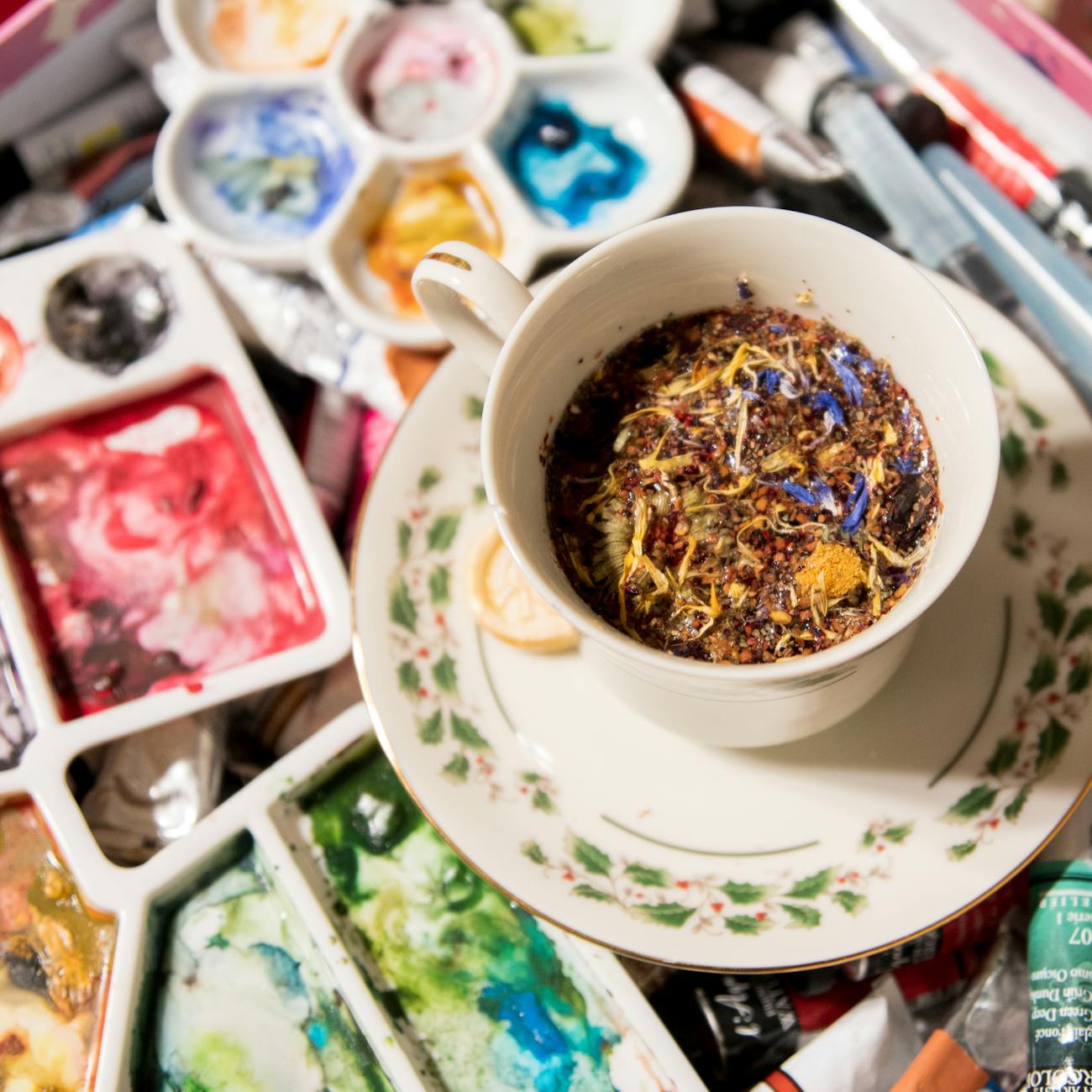
Tea blending is an art form that involves combining different types of tea leaves, herbs, spices, and other aromatic ingredients to create unique and flavorful blends. Aromatic ingredients play a crucial role in enhancing the overall aroma, taste, and sensory experience of tea blends. Understanding these key terms and vocabulary related to aromatic ingredients is essential for tea blenders to create harmonious and balanced blends that appeal to a wide range of palates.
Aromatic: Aromatic ingredients refer to substances that emit a pleasant and distinctive smell or fragrance. In tea blending, aromatic ingredients are used to enhance the sensory experience by adding depth and complexity to the flavor profile of the blend.
Essential Oils: Essential oils are highly concentrated plant extracts that contain the natural aroma and flavor of the plant. They are commonly used in tea blending to infuse the blend with intense and pure aromas. For example, essential oils of lavender, bergamot, and peppermint are popular choices for adding floral, citrusy, and minty notes to tea blends.
Floral: Floral notes in tea blends are characterized by the delicate and sweet aromas of flowers such as rose, jasmine, and lavender. Floral ingredients add a romantic and fragrant quality to the blend, creating a soothing and elegant drinking experience.
Spices: Spices are aromatic ingredients derived from seeds, roots, bark, or fruits of plants. Common spices used in tea blending include cinnamon, cardamom, ginger, and cloves. Spices impart warm, earthy, and spicy notes to tea blends, adding complexity and depth to the flavor profile.
Herbs: Herbs are aromatic plants that are used for culinary and medicinal purposes. In tea blending, herbs such as chamomile, peppermint, and lemongrass are popular choices for adding herbal and refreshing notes to the blend. Herbs can also provide health benefits and medicinal properties to the tea blend.
Citrus: Citrus ingredients such as lemon, orange, and bergamot are known for their bright and zesty aromas. Citrus notes add a refreshing and tangy quality to tea blends, balancing out the richness of other ingredients and providing a burst of freshness to the palate.
Woody: Woody notes in tea blends are characterized by the warm and earthy aromas of woods such as cedar, sandalwood, and oak. Woody ingredients add depth and richness to the blend, creating a comforting and grounding drinking experience.
Minty: Minty ingredients such as peppermint and spearmint are known for their cool and refreshing aromas. Minty notes add a crisp and invigorating quality to tea blends, providing a clean and uplifting sensation to the palate.
Vanilla: Vanilla is a popular aromatic ingredient known for its sweet and creamy aroma. Vanilla adds a rich and indulgent quality to tea blends, enhancing the overall sweetness and smoothness of the blend.
Earthy: Earthy notes in tea blends are characterized by the deep and musky aromas of soil, moss, and roots. Earthy ingredients add a grounding and robust quality to the blend, creating a sense of connection to nature and the earth.
Sweet: Sweet notes in tea blends are characterized by the sugary and honey-like aromas of ingredients such as caramel, honey, and maple. Sweet ingredients add a comforting and indulgent quality to the blend, creating a dessert-like drinking experience.
Bitter: Bitter notes in tea blends are characterized by the sharp and astringent flavors of ingredients such as black tea, citrus peel, and dandelion root. Bitter ingredients add a cleansing and stimulating quality to the blend, balancing out the sweetness and enhancing the overall complexity of the flavor profile.
Savory: Savory notes in tea blends are characterized by the umami-rich aromas of ingredients such as roasted barley, seaweed, and miso. Savory ingredients add a depth and complexity to the blend, creating a satisfying and savory drinking experience.
Flavor Profile: The flavor profile of a tea blend refers to the overall taste and aroma characteristics of the blend, including the balance of sweet, bitter, sour, and savory notes. A well-balanced flavor profile is essential for creating a harmonious and enjoyable drinking experience.
Aroma: Aroma refers to the distinctive smell or fragrance of a tea blend, which is influenced by the aromatic ingredients used in the blend. Aroma plays a crucial role in enhancing the sensory experience and overall enjoyment of the tea.
Taste: Taste refers to the flavor perception of a tea blend on the palate, which is influenced by the combination of aromatic ingredients, brewing method, and water quality. Taste includes sweet, bitter, sour, salty, and umami flavors, as well as other complex flavor notes.
Sensory Experience: The sensory experience of a tea blend encompasses the overall perception of aroma, taste, texture, and appearance of the tea. A well-crafted tea blend should provide a multi-dimensional sensory experience that engages all the senses and leaves a lasting impression on the drinker.
Harmony: Harmony in tea blending refers to the balance and unity of flavors, aromas, and textures in the blend. Achieving harmony is essential for creating a cohesive and enjoyable drinking experience that allows each ingredient to shine while complementing the others.
Complexity: Complexity in tea blending refers to the depth and richness of flavors and aromas in the blend. Adding a variety of aromatic ingredients with different profiles can enhance the complexity of the blend, providing layers of flavors and nuances that evolve with each sip.
Balance: Balance in tea blending refers to the even distribution of flavors, aromas, and textures in the blend. Balancing sweet, bitter, sour, and savory notes is essential for creating a well-rounded and harmonious blend that appeals to a wide range of palates.
Layering: Layering in tea blending refers to the technique of adding aromatic ingredients in a sequence to create a multi-dimensional flavor profile. Layering allows the different notes to interact and complement each other, building depth and complexity in the blend.
Infusion: Infusion refers to the process of steeping tea leaves and aromatic ingredients in hot water to extract their flavors and aromas. The infusion time, temperature, and brewing method can impact the intensity and balance of the flavors in the blend.
Single-Origin: Single-origin tea blends are made from tea leaves and aromatic ingredients sourced from a single geographic region. Single-origin blends highlight the unique terroir and flavor profile of the region, allowing the drinker to experience the distinct characteristics of the ingredients.
Blend: A tea blend refers to a mixture of different tea leaves, herbs, spices, and other aromatic ingredients combined to create a unique and balanced flavor profile. Blending allows tea makers to experiment with different combinations of ingredients to achieve specific taste profiles.
Signature Blend: A signature blend is a unique and proprietary tea blend created by a tea company or tea blender. Signature blends are often carefully crafted to reflect the brand's identity, values, and expertise, offering a distinctive and memorable drinking experience.
Artisanal: Artisanal tea blends are handcrafted in small batches by skilled tea blenders who pay close attention to detail and quality. Artisanal blends are known for their exquisite flavors, unique combinations of ingredients, and meticulous craftsmanship.
Organic: Organic tea blends are made from tea leaves and aromatic ingredients that are grown without the use of synthetic pesticides, herbicides, or fertilizers. Organic blends are environmentally friendly and promote sustainable farming practices, offering a clean and pure drinking experience.
Fair Trade: Fair trade tea blends are made from tea leaves and aromatic ingredients sourced from producers who adhere to fair labor practices and receive fair wages for their work. Fair trade blends support ethical and sustainable farming practices, promoting social responsibility and economic empowerment.
Challenges: Tea blenders may face several challenges when working with aromatic ingredients in tea blends, including sourcing high-quality ingredients, achieving balance and harmony in the blend, and maintaining consistency in flavor and aroma across batches. Overcoming these challenges requires skill, experience, and a deep understanding of the characteristics of different aromatic ingredients.
Sourcing: Sourcing high-quality aromatic ingredients is essential for creating flavorful and aromatic tea blends. Tea blenders must carefully select suppliers and ingredients that meet their quality standards, ensuring freshness, purity, and authenticity in the blend.
Quality Control: Maintaining consistency in flavor and aroma is crucial for producing high-quality tea blends. Tea blenders must implement rigorous quality control measures to ensure that each batch of the blend meets the desired standards for taste, aroma, appearance, and overall sensory experience.
Experimentation: Experimenting with different combinations of aromatic ingredients is key to creating innovative and unique tea blends. Tea blenders can explore new flavors, textures, and aromas by combining traditional ingredients with exotic spices, herbs, and botanicals, pushing the boundaries of tea blending.
Customer Feedback: Listening to customer feedback and preferences is essential for developing successful tea blends that resonate with the target audience. Tea blenders can gather feedback through tasting sessions, surveys, and social media interactions, using this information to refine and improve their blends.
Market Trends: Staying informed about market trends and consumer preferences is important for staying competitive in the tea industry. Tea blenders should keep abreast of emerging flavor profiles, ingredient innovations, and cultural influences that may impact the demand for tea blends.
Creative Expression: Tea blending is a creative and artistic process that allows tea blenders to express their unique vision, style, and personality through the creation of distinctive blends. Creative expression in tea blending involves experimenting with different ingredients, flavors, and techniques to craft innovative and memorable blends.
Culinary Pairings: Tea blends can be paired with a variety of food dishes to enhance the dining experience and elevate the flavors of both the tea and the food. Tea blenders can recommend specific blends that complement the flavors of certain cuisines, dishes, or desserts, creating harmonious and enjoyable pairings.
Health Benefits: Aromatic ingredients in tea blends can provide various health benefits, including antioxidant properties, digestive support, stress relief, and immune-boosting effects. Tea blenders can highlight the health benefits of specific ingredients to appeal to health-conscious consumers and promote the wellness aspects of their blends.
Seasonal Blends: Seasonal tea blends are crafted to reflect the flavors and aromas of a particular season, such as winter, spring, summer, or fall. Seasonal blends may feature ingredients that are in season, such as fresh fruits, herbs, and spices, creating a seasonal theme and evoking the spirit of the season.
Cultural Influences: Cultural influences play a significant role in shaping the flavors, ingredients, and brewing traditions of tea blends around the world. Tea blenders can draw inspiration from different cultures, cuisines, and tea ceremonies to create blends that celebrate the diversity and richness of tea culture.
Ethical Sourcing: Ethical sourcing of aromatic ingredients involves ensuring that the ingredients are grown, harvested, and processed in a sustainable and socially responsible manner. Tea blenders can support ethical sourcing practices by working with suppliers who prioritize fair labor, environmental conservation, and community development.
Sustainability: Sustainability in tea blending involves promoting environmentally friendly practices, such as organic farming, biodiversity conservation, and waste reduction. Tea blenders can contribute to sustainability efforts by sourcing eco-friendly packaging, supporting local farmers, and minimizing their carbon footprint.
Education: Education is essential for tea blenders to deepen their knowledge and skills in aromatic ingredients, flavor profiles, brewing techniques, and tea culture. Tea blenders can attend workshops, seminars, and training programs to enhance their expertise and stay current with industry trends.
Collaboration: Collaboration with other tea professionals, chefs, mixologists, and food artisans can inspire new ideas, techniques, and flavor combinations in tea blending. Collaborative projects allow tea blenders to exchange knowledge, share resources, and create innovative and unique blends that appeal to a diverse audience.
Community Engagement: Engaging with the tea community through events, tastings, and workshops can help tea blenders build relationships, gain insights, and promote their blends to a wider audience. Community engagement fosters a sense of belonging, camaraderie, and shared passion for tea blending.
Technology: Technology can enhance the tea blending process by providing tools for ingredient sourcing, quality control, flavor profiling, and brewing optimization. Tea blenders can leverage technology to streamline operations, improve efficiency, and innovate new techniques for creating exceptional tea blends.
Networking: Networking with industry professionals, tea enthusiasts, and tea influencers can open up opportunities for collaboration, mentorship, and business growth. Networking allows tea blenders to expand their connections, gain exposure, and stay informed about industry trends and developments.
Professional Development: Continuous professional development is essential for tea blenders to stay competitive, relevant, and innovative in the rapidly evolving tea industry. Tea blenders can pursue certifications, attend conferences, and participate in competitions to enhance their skills and knowledge in tea blending.
Conclusion: Aromatic ingredients play a vital role in enhancing the flavor, aroma, and sensory experience of tea blends. By understanding key terms and vocabulary related to aromatic ingredients, tea blenders can create harmonious, balanced, and flavorful blends that delight the palate and engage the senses. Mastering the art of tea blending requires skill, creativity, and a deep appreciation for the diverse and complex world of aromatic ingredients.
Key takeaways
- Understanding these key terms and vocabulary related to aromatic ingredients is essential for tea blenders to create harmonious and balanced blends that appeal to a wide range of palates.
- In tea blending, aromatic ingredients are used to enhance the sensory experience by adding depth and complexity to the flavor profile of the blend.
- For example, essential oils of lavender, bergamot, and peppermint are popular choices for adding floral, citrusy, and minty notes to tea blends.
- Floral: Floral notes in tea blends are characterized by the delicate and sweet aromas of flowers such as rose, jasmine, and lavender.
- Spices impart warm, earthy, and spicy notes to tea blends, adding complexity and depth to the flavor profile.
- In tea blending, herbs such as chamomile, peppermint, and lemongrass are popular choices for adding herbal and refreshing notes to the blend.
- Citrus notes add a refreshing and tangy quality to tea blends, balancing out the richness of other ingredients and providing a burst of freshness to the palate.