
Polar Tourism: History and Culture
Polar Tourism: Polar tourism refers to travel to the Arctic and Antarctic regions for leisure, adventure, or educational purposes. It involves visiting remote and often harsh environments to experience unique landscapes, wildlife, and cultu…
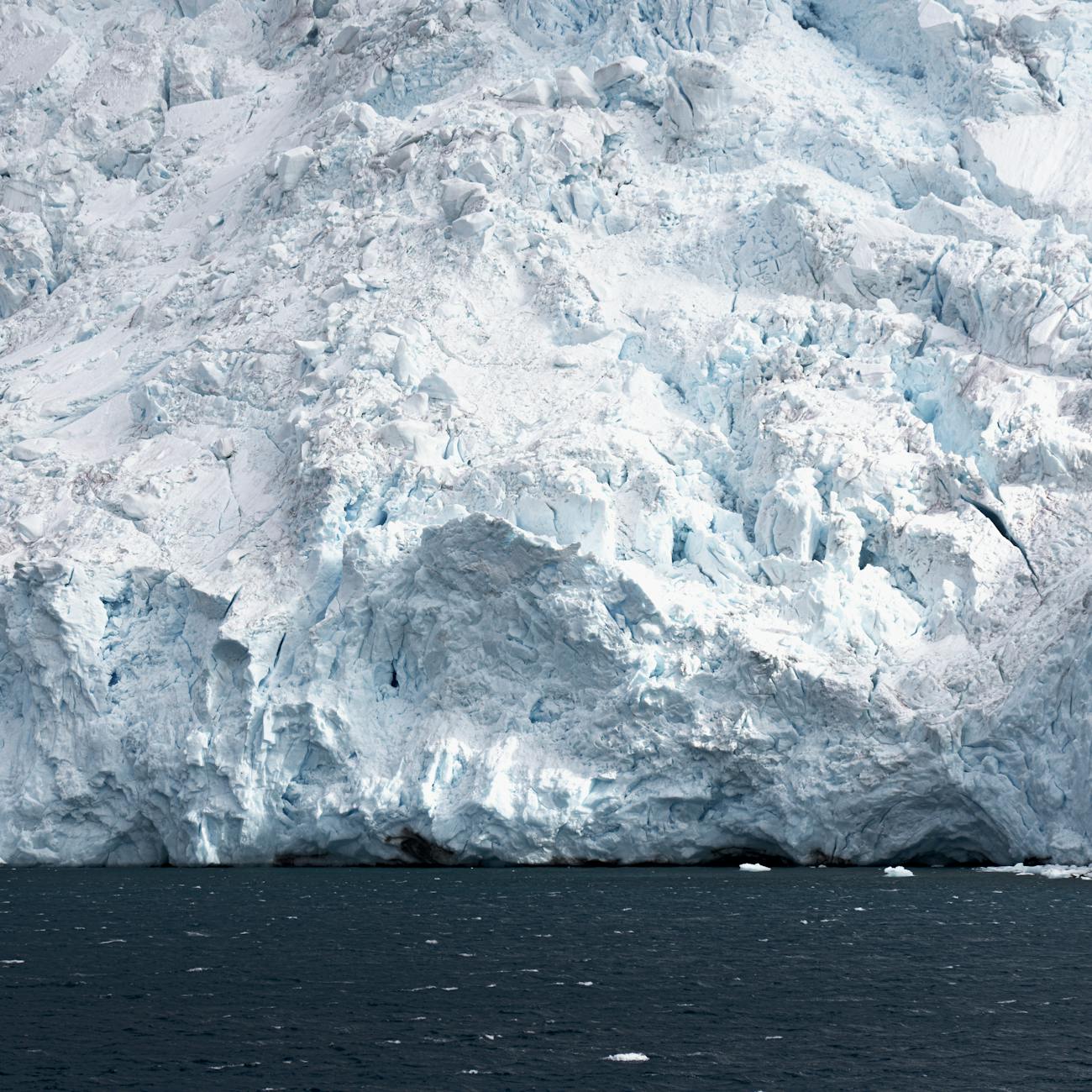
Polar Tourism: Polar tourism refers to travel to the Arctic and Antarctic regions for leisure, adventure, or educational purposes. It involves visiting remote and often harsh environments to experience unique landscapes, wildlife, and cultures.
History of Polar Tourism: The history of polar tourism dates back to the early explorations of the Arctic and Antarctic regions by explorers such as Roald Amundsen and Ernest Shackleton. These expeditions sparked interest in the polar regions, leading to the development of tourism in the late 19th and early 20th centuries.
Culture in Polar Tourism: Culture plays a significant role in polar tourism, as visitors have the opportunity to interact with indigenous communities, learn about traditional ways of life, and participate in cultural activities. Understanding and respecting the local culture is essential for sustainable tourism in the polar regions.
Arctic Region: The Arctic region is located around the North Pole and includes countries such as Canada, Greenland, Norway, Russia, and the United States. It is known for its icy landscapes, wildlife such as polar bears and walruses, and indigenous cultures like the Inuit and Saami.
Antarctic Region: The Antarctic region is located around the South Pole and is governed by the Antarctic Treaty System. It is home to unique wildlife such as penguins and seals, as well as spectacular icebergs and glaciers. Tourism in Antarctica is strictly regulated to protect the fragile environment.
Climate Change: Climate change is a significant issue in the polar regions, as rising temperatures are causing ice melt, sea-level rise, and changes in wildlife habitats. Tourists visiting the Arctic and Antarctic can witness the effects of climate change firsthand and learn about efforts to mitigate its impact.
Adventure Tourism: Adventure tourism in the polar regions includes activities such as kayaking, hiking, and snowmobiling. These adrenaline-pumping experiences allow visitors to explore the remote wilderness of the Arctic and Antarctic while challenging themselves physically and mentally.
Wildlife Viewing: Wildlife viewing is a popular activity in polar tourism, as visitors have the opportunity to see iconic species such as polar bears, penguins, and whales in their natural habitats. Responsible wildlife viewing practices are essential to minimize disturbance to animals.
Iceberg Watching: Iceberg watching is a unique activity in polar tourism, as visitors can marvel at massive ice formations floating in the polar seas. Icebergs come in various shapes and sizes, and their colors range from white to blue, depending on the density of ice.
Cultural Experiences: Cultural experiences in polar tourism involve interactions with indigenous communities, learning about their traditions, and participating in cultural activities such as dance, storytelling, and art. These experiences provide insight into the rich heritage of the Arctic and Antarctic peoples.
Expedition Cruises: Expedition cruises are a popular way to explore the polar regions, as small ships can navigate icy waters and remote coastlines. These cruises offer a mix of adventure activities, wildlife viewing, and educational lectures by expert guides.
Responsible Tourism: Responsible tourism in the polar regions focuses on minimizing environmental impact, respecting local cultures, and supporting conservation efforts. Tour operators and visitors play a crucial role in preserving the fragile ecosystems of the Arctic and Antarctic.
Sustainable Practices: Sustainable practices in polar tourism include reducing carbon emissions, minimizing waste, and supporting local communities through responsible tourism initiatives. By adopting sustainable practices, the tourism industry can help protect the polar regions for future generations.
Challenges of Polar Tourism: Polar tourism faces challenges such as climate change, over-tourism, and the impact on fragile ecosystems. Balancing the economic benefits of tourism with environmental conservation is a key challenge for stakeholders in the Arctic and Antarctic regions.
Regulatory Framework: The regulatory framework for polar tourism includes international agreements such as the Antarctic Treaty System and guidelines set by organizations like the International Association of Antarctica Tour Operators (IAATO). These regulations aim to ensure sustainable and responsible tourism in the polar regions.
Remote Destinations: Polar tourism involves visiting remote destinations with limited infrastructure and harsh weather conditions. Travelers must be prepared for the challenges of traveling to these isolated regions and follow safety guidelines to ensure a safe and enjoyable experience.
Unique Landscapes: The polar regions are known for their unique landscapes, including vast ice sheets, towering mountains, and expansive tundra. Visitors to the Arctic and Antarctic can witness the beauty and diversity of these landscapes while learning about the geological forces that shaped them.
Scientific Research: Scientific research plays a vital role in polar tourism, as visitors have the opportunity to learn about ongoing research projects in areas such as climate change, wildlife conservation, and geology. Tourists can contribute to scientific data collection through citizen science programs.
Community Engagement: Community engagement is essential in polar tourism, as visitors interact with indigenous communities and local residents. Supporting local businesses, learning about traditional practices, and respecting cultural traditions are important aspects of community engagement in the Arctic and Antarctic.
Education and Interpretation: Education and interpretation programs in polar tourism help visitors learn about the history, culture, and environment of the Arctic and Antarctic regions. Through guided tours, lectures, and interactive exhibits, tourists gain a deeper understanding of the polar ecosystems and the challenges they face.
Adventure Safety: Adventure safety is a priority in polar tourism, as visitors engage in activities such as hiking, kayaking, and wildlife viewing in remote and challenging environments. Tour operators provide safety briefings, equipment, and trained guides to ensure the well-being of travelers.
Cultural Sensitivity: Cultural sensitivity is crucial in polar tourism, as visitors interact with indigenous communities and learn about their traditions. Respecting cultural norms, asking permission before taking photos, and supporting local artisans are ways to demonstrate cultural sensitivity in the Arctic and Antarctic.
Environmental Conservation: Environmental conservation is a key focus of polar tourism, as the fragile ecosystems of the Arctic and Antarctic are vulnerable to human impact. Visitors can support conservation efforts by following Leave No Trace principles, participating in clean-up activities, and offsetting carbon emissions from their travel.
Climate Resilience: Climate resilience is essential in polar tourism, as the Arctic and Antarctic regions are experiencing rapid environmental changes due to climate change. Tour operators and local communities must adapt to these changes and develop strategies to mitigate their impact on tourism activities.
Interpretive Guides: Interpretive guides play a crucial role in polar tourism, as they provide information about the history, culture, and environment of the Arctic and Antarctic regions. Guides are trained to interpret natural and cultural heritage, engage with visitors, and ensure a meaningful and educational experience.
Experiential Learning: Experiential learning is a core component of polar tourism, as visitors have the opportunity to engage with the environment through hands-on activities such as hiking, kayaking, and wildlife spotting. By immersing themselves in the polar landscapes, tourists gain a deeper appreciation for the natural world.
Local Partnerships: Local partnerships are important in polar tourism, as tour operators collaborate with indigenous communities, local businesses, and conservation organizations to promote sustainable and responsible tourism practices. By supporting local initiatives, the tourism industry can benefit the Arctic and Antarctic regions while preserving their unique heritage.
Adventure Photography: Adventure photography is a popular activity in polar tourism, as visitors capture stunning landscapes, wildlife encounters, and cultural experiences with their cameras. Photographers must follow ethical guidelines, respect wildlife habitats, and seek permission before taking photos of people in the Arctic and Antarctic.
Geotourism: Geotourism focuses on the geological features and processes of a destination, making it an important aspect of polar tourism. Visitors to the Arctic and Antarctic can learn about glacial formations, volcanic activity, and tectonic forces that shape the polar landscapes through geotourism experiences.
Ice Climbing: Ice climbing is a challenging activity in polar tourism, as adventurers scale frozen waterfalls, glaciers, and icebergs in the Arctic and Antarctic regions. This adrenaline-pumping sport requires technical skills, physical fitness, and proper equipment to safely navigate icy terrain.
Marine Wildlife: Marine wildlife is abundant in the polar regions, with species such as whales, seals, and seabirds thriving in the icy waters of the Arctic and Antarctic. Visitors can observe these animals up close on boat tours, kayaking excursions, and wildlife watching expeditions.
Historic Sites: Historic sites in the Arctic and Antarctic regions provide insight into the explorations, scientific discoveries, and cultural heritage of these remote areas. Visitors can explore abandoned whaling stations, research outposts, and indigenous settlements to learn about the history of polar exploration.
Weather Conditions: Weather conditions in the polar regions can be unpredictable and harsh, with extreme cold, strong winds, and sudden storms posing challenges for travelers. Visitors must dress in layers, protect themselves from frostbite and hypothermia, and follow safety protocols to stay safe in the Arctic and Antarctic.
Citizen Science: Citizen science programs in polar tourism engage visitors in scientific research projects, such as wildlife monitoring, climate data collection, and environmental surveys. Tourists can contribute valuable data to ongoing research efforts while gaining a deeper understanding of the challenges facing the polar regions.
Icebreaker Cruises: Icebreaker cruises are a unique way to explore the Arctic and Antarctic regions, as specialized ships can navigate through thick ice and reach remote locations. These cruises offer the opportunity to witness icebreaking demonstrations, visit research stations, and observe wildlife in their natural habitat.
Outdoor Survival Skills: Outdoor survival skills are essential in polar tourism, as visitors may encounter challenging conditions such as extreme cold, blizzards, and limited resources. Knowing how to build shelters, start fires, find food and water, and navigate in the wilderness can be life-saving in emergency situations.
Geographic Features: Geographic features in the polar regions include fjords, ice shelves, glaciers, and mountains that shape the landscapes of the Arctic and Antarctic. Visitors can explore these natural wonders through hiking, boat tours, and scenic flights to appreciate the geological diversity of the polar regions.
Arctic Circle: The Arctic Circle is an imaginary line at approximately 66.5 degrees north latitude that marks the boundary of the Arctic region. Travelers crossing the Arctic Circle may participate in traditional ceremonies, receive a certificate, and witness the midnight sun during the summer solstice.
Antarctic Circle: The Antarctic Circle is an imaginary line at approximately 66.5 degrees south latitude that marks the boundary of the Antarctic region. Visitors crossing the Antarctic Circle may experience 24 hours of daylight or darkness, depending on the season, as they explore the icy landscapes of Antarctica.
Glacial Landforms: Glacial landforms such as moraines, cirques, and ice caves are common in the polar regions, shaped by the movement of glaciers over thousands of years. Visitors can learn about glacial processes, erosion, and deposition by exploring these unique landscapes on guided tours and hikes.
Archaeological Sites: Archaeological sites in the polar regions provide clues to the early inhabitants, explorers, and whalers who lived and worked in these remote areas. Visitors can discover artifacts, ruins, and ancient settlements that offer insights into the history and culture of the Arctic and Antarctic peoples.
Environmental Impact: Environmental impact is a concern in polar tourism, as the influx of visitors can lead to habitat disturbance, pollution, and wildlife disruption. Minimizing environmental impact through sustainable practices, waste management, and conservation efforts is essential to protect the fragile ecosystems of the Arctic and Antarctic.
Adventure Gear: Adventure gear such as insulated clothing, waterproof boots, and cold-weather accessories are essential for travelers in the polar regions. Proper gear helps visitors stay warm, dry, and comfortable while engaging in outdoor activities such as hiking, kayaking, and wildlife viewing in the Arctic and Antarctic.
Navigation Skills: Navigation skills are crucial in polar tourism, as visitors must navigate through icy waters, snow-covered landscapes, and remote wilderness areas. Understanding map reading, GPS use, and compass navigation is essential for safely exploring the Arctic and Antarctic regions and avoiding getting lost.
Permafrost: Permafrost is a layer of permanently frozen ground found in the Arctic and Antarctic regions, containing soil, rocks, and ice that remain frozen year-round. Thawing permafrost due to climate change can lead to land subsidence, habitat loss, and the release of greenhouse gases in the polar regions.
Seabird Colonies: Seabird colonies are abundant in the polar regions, with species such as puffins, albatrosses, and kittiwakes nesting on coastal cliffs and rocky islands. Visitors can observe these birds in their natural habitat, learn about their nesting behaviors, and photograph them during boat tours and wildlife expeditions.
Glacier Trekking: Glacier trekking is a thrilling activity in polar tourism, as adventurers hike across frozen rivers of ice, crevasses, and seracs in the Arctic and Antarctic regions. Guided glacier treks offer the opportunity to explore these dynamic landscapes, learn about glacial processes, and witness stunning ice formations up close.
Marine Protected Areas: Marine protected areas in the polar regions are designated to conserve biodiversity, protect fragile ecosystems, and regulate human activities such as fishing and tourism. Visitors must follow regulations, respect wildlife habitats, and support conservation efforts to ensure the long-term sustainability of marine protected areas in the Arctic and Antarctic.
Ice Floes: Ice floes are large sheets of floating ice that drift in polar seas, creating a dynamic and ever-changing environment for wildlife and visitors. Ice floes can be used as platforms for wildlife viewing, kayaking, and ice fishing, providing unique opportunities to experience the icy landscapes of the Arctic and Antarctic up close.
Traditional Knowledge: Traditional knowledge of indigenous peoples in the Arctic and Antarctic regions is passed down through generations and provides insights into sustainable living, resource management, and cultural practices. Visitors can learn from local elders, participate in traditional ceremonies, and support indigenous initiatives to preserve and promote traditional knowledge in polar tourism.
Ice Diving: Ice diving is an extreme activity in polar tourism, as divers plunge into icy waters to explore underwater landscapes, ice formations, and marine life in the Arctic and Antarctic regions. Ice divers must undergo specialized training, use cold-water equipment, and follow safety protocols to safely navigate the challenging conditions of ice diving.
Food Security: Food security is a critical issue in the polar regions, as indigenous communities and wildlife depend on local resources for sustenance. Visitors can support food security initiatives by purchasing locally sourced products, respecting hunting and fishing traditions, and learning about traditional food practices in the Arctic and Antarctic.
Geothermal Hot Springs: Geothermal hot springs are natural thermal pools found in the polar regions, providing warm water for relaxation, rejuvenation, and cultural ceremonies. Visitors can soak in geothermal hot springs, learn about their geological origins, and experience the healing properties of mineral-rich waters in the Arctic and Antarctic.
Emergency Response: Emergency response plans are essential in polar tourism, as travelers may encounter medical emergencies, natural disasters, or transportation accidents in remote and challenging environments. Tour operators must have protocols in place for emergency communication, evacuation, and medical assistance to ensure the safety and well-being of visitors in the Arctic and Antarctic regions.
Climate Resilience: Climate resilience is essential in polar tourism, as the Arctic and Antarctic regions are experiencing rapid environmental changes due to climate change. Tour operators and local communities must adapt to these changes and develop strategies to mitigate their impact on tourism activities.
Interpretive Guides: Interpretive guides play a crucial role in polar tourism, as they provide information about the history, culture, and environment of the Arctic and Antarctic regions. Guides are trained to interpret natural and cultural heritage, engage with visitors, and ensure a meaningful and educational experience.
Experiential Learning: Experiential learning is a core component of polar tourism, as visitors have the opportunity to engage with the environment through hands-on activities such as hiking, kayaking, and wildlife spotting. By immersing themselves in the polar landscapes, tourists gain a deeper appreciation for the natural world.
Local Partnerships: Local partnerships are important in polar tourism, as tour operators collaborate with indigenous communities, local businesses, and conservation organizations to promote sustainable and responsible tourism practices. By supporting local initiatives, the tourism industry can benefit the Arctic and Antarctic regions while preserving their unique heritage.
Adventure Photography: Adventure photography is a popular activity in polar tourism, as visitors capture stunning landscapes, wildlife encounters, and cultural experiences with their cameras. Photographers must follow ethical guidelines, respect wildlife habitats, and seek permission before taking photos of people in the Arctic and Antarctic.
Geotourism: Geotourism focuses on the geological features and processes of a destination, making it an important aspect of polar tourism. Visitors to the Arctic and Antarctic can learn about glacial formations, volcanic activity, and tectonic forces that shape the polar landscapes through geotourism experiences.
Ice Climbing: Ice climbing is a challenging activity in polar tourism, as adventurers scale frozen waterfalls, glaciers, and icebergs in the Arctic and Antarctic regions. This adrenaline-pumping sport requires technical skills, physical fitness, and proper equipment to safely navigate icy terrain.
Marine Wildlife: Marine wildlife is abundant in the polar regions, with species such as whales, seals, and seabirds thriving in the icy waters of the Arctic and Antarctic. Visitors can observe these animals up close on boat tours, kayaking excursions, and wildlife watching expeditions.
Historic Sites: Historic sites in the Arctic and Antarctic regions provide insight into the explorations, scientific discoveries, and cultural heritage of these remote areas. Visitors can explore abandoned whaling stations, research outposts, and indigenous settlements to learn about the history of polar exploration.
Weather Conditions: Weather conditions in the polar regions can be unpredictable and harsh, with extreme cold, strong winds, and sudden storms posing challenges for travelers. Visitors must dress in layers, protect themselves from frostbite and hypothermia, and follow safety protocols to stay safe in the Arctic and Antarctic.
Citizen Science: Citizen science programs in polar tourism engage visitors in scientific research projects, such as wildlife monitoring, climate data collection, and environmental surveys. Tourists can contribute valuable data to ongoing research efforts while gaining a deeper understanding of the challenges facing the polar regions.
Icebreaker Cruises: Icebreaker cruises are a unique way to explore the Arctic and Antarctic regions, as specialized ships can navigate through thick ice and reach remote locations. These cruises offer the opportunity to witness icebreaking demonstrations, visit research stations, and observe wildlife in their natural habitat.
Outdoor Survival Skills: Outdoor survival skills are essential in polar tourism, as visitors may encounter challenging conditions such as extreme cold, blizzards, and limited resources. Knowing how to build shelters, start fires
Key takeaways
- Polar Tourism: Polar tourism refers to travel to the Arctic and Antarctic regions for leisure, adventure, or educational purposes.
- History of Polar Tourism: The history of polar tourism dates back to the early explorations of the Arctic and Antarctic regions by explorers such as Roald Amundsen and Ernest Shackleton.
- Culture in Polar Tourism: Culture plays a significant role in polar tourism, as visitors have the opportunity to interact with indigenous communities, learn about traditional ways of life, and participate in cultural activities.
- Arctic Region: The Arctic region is located around the North Pole and includes countries such as Canada, Greenland, Norway, Russia, and the United States.
- Antarctic Region: The Antarctic region is located around the South Pole and is governed by the Antarctic Treaty System.
- Climate Change: Climate change is a significant issue in the polar regions, as rising temperatures are causing ice melt, sea-level rise, and changes in wildlife habitats.
- These adrenaline-pumping experiences allow visitors to explore the remote wilderness of the Arctic and Antarctic while challenging themselves physically and mentally.