
Aerodynamics Principles
Aerodynamics Principles:
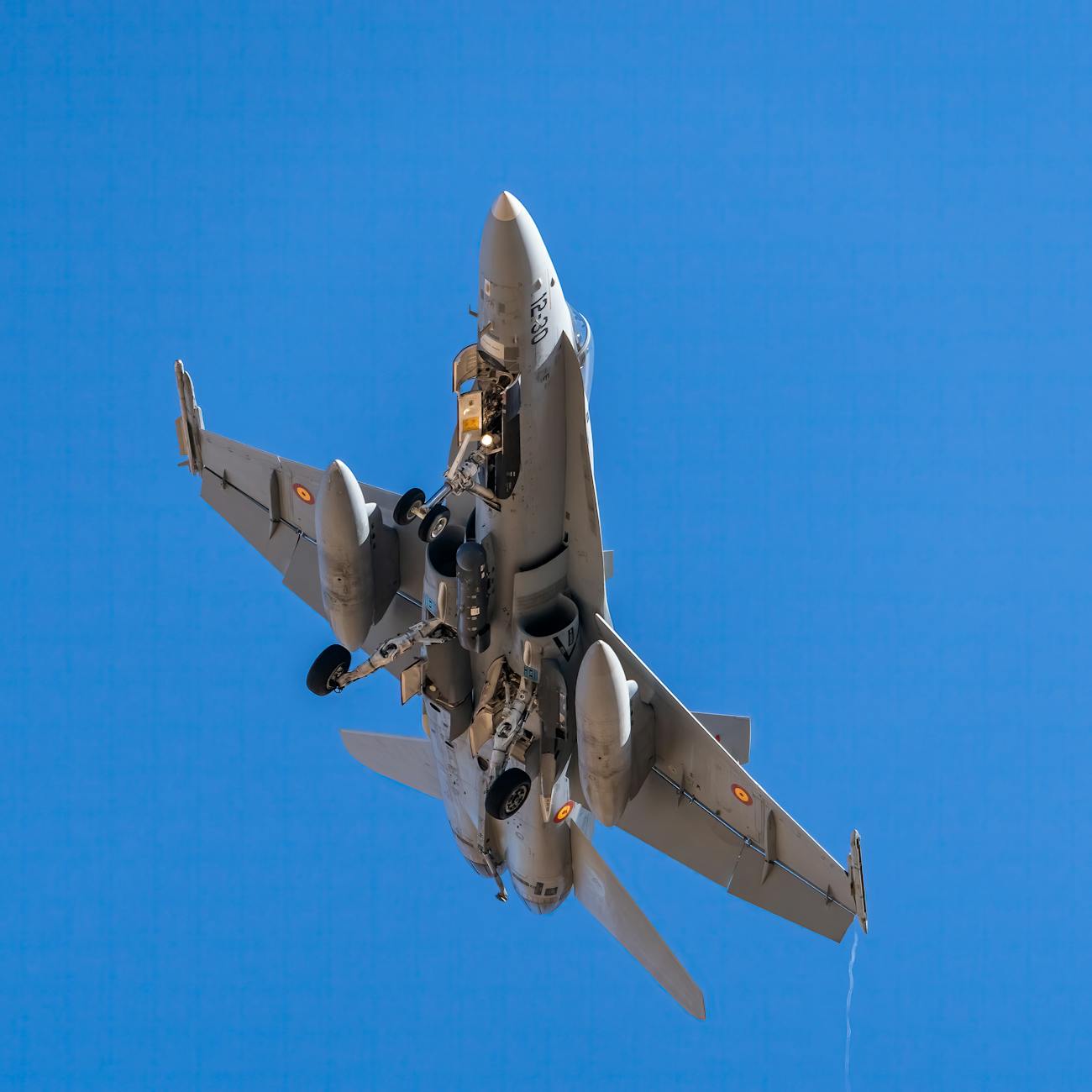
Aerodynamics Principles:
Aerodynamics is a branch of fluid dynamics that deals with the study of the motion of air and other gases, particularly when they interact with solid objects. In the context of aviation, aerodynamics plays a crucial role in the design and performance of aircraft. Understanding key aerodynamic principles is essential for designing efficient and safe electric aircraft. This section will cover the fundamental concepts and terms related to aerodynamics that are essential for the Executive Certificate in Electric Aircraft Aerodynamics and Propulsion.
1. Airfoil:
An airfoil is the cross-sectional shape of a wing, blade, or propeller. It is designed to generate lift when air flows over it. Airfoils are carefully designed to produce the desired lift and minimize drag. The shape of an airfoil is critical in determining the aircraft's performance characteristics, such as lift-to-drag ratio and stall behavior. Airfoils can be categorized into various types based on their shape, such as symmetrical, cambered, and reflexed airfoils.
2. Lift:
Lift is the upward force generated by an airfoil as it moves through the air. It is essential for counteracting the force of gravity and keeping an aircraft airborne. Lift is produced by the pressure difference between the upper and lower surfaces of the airfoil. The Bernoulli's principle explains how the faster-moving air over the top surface of the airfoil creates lower pressure, resulting in lift. Lift is influenced by various factors, including airspeed, airfoil shape, angle of attack, and air density.
3. Drag:
Drag is the aerodynamic force that opposes the motion of an aircraft through the air. It is caused by the friction and pressure difference between the aircraft and the surrounding air. Drag can be categorized into two main types: parasite drag and induced drag. Parasite drag is caused by the aircraft's shape, surface roughness, and other non-lifting components. Induced drag is generated as a byproduct of lift production and is directly related to the aircraft's lift generation.
4. Angle of Attack:
The angle of attack is the angle between the chord line of an airfoil and the direction of the relative wind. It is a crucial parameter that determines the lift and drag characteristics of an airfoil. The angle of attack affects the airflow over the airfoil and influences the lift and drag forces. Pilots adjust the angle of attack to control the aircraft's lift and speed. Operating an aircraft at an excessively high angle of attack can lead to a stall, where the airflow over the airfoil becomes separated, resulting in a loss of lift.
5. Stall:
A stall occurs when the airflow over an airfoil becomes separated due to exceeding the critical angle of attack. When an aircraft stalls, the lift generated by the wings decreases significantly, causing the aircraft to lose altitude or enter a descent. Stalls can be dangerous if not managed properly, as they can lead to loss of control and potential crashes. Pilots must be trained to recognize and recover from stalls to ensure safe flight operations.
6. Boundary Layer:
The boundary layer is the thin layer of air adjacent to the surface of an aircraft where the airflow is affected by viscosity. The boundary layer slows down as it moves along the surface, creating friction and drag. Understanding the boundary layer is essential for optimizing the aerodynamic performance of an aircraft. Techniques such as boundary layer control and laminar flow control are used to minimize drag and improve efficiency.
7. Reynolds Number:
The Reynolds number is a dimensionless quantity that characterizes the flow regime of a fluid around an object. It is defined as the ratio of inertial forces to viscous forces and determines whether the flow is laminar or turbulent. The Reynolds number plays a critical role in aerodynamics, as it influences the boundary layer behavior, drag, and overall aerodynamic performance of an aircraft. Designing aircraft with the appropriate Reynolds number regime is essential for achieving optimal performance.
8. Aspect Ratio:
The aspect ratio is the ratio of the wingspan to the average chord length of an aircraft wing. It is a key parameter that influences the aerodynamic efficiency and performance of an aircraft. Wings with a higher aspect ratio tend to have lower induced drag and better lift-to-drag ratios. Aspect ratio affects the lift distribution, stall behavior, and maneuverability of an aircraft. Designers must carefully consider the aspect ratio when designing aircraft wings to achieve the desired performance characteristics.
9. Wing Loading:
Wing loading is the weight of an aircraft divided by the wing area. It is a measure of how much weight is supported by the wings and affects the aircraft's lift capabilities. High wing loading results in higher stall speeds and reduced maneuverability, while low wing loading allows for slower stall speeds and better agility. Wing loading is a critical parameter in determining the performance envelope of an aircraft, including takeoff and landing distances, climb rates, and maximum speed.
10. Thrust:
Thrust is the force produced by an aircraft's propulsion system to overcome drag and propel the aircraft forward. It is generated by engines, propellers, or electric motors and is essential for maintaining flight and achieving the desired speed. Thrust-to-weight ratio is a key parameter that determines an aircraft's acceleration, climb rate, and overall performance. Pilots use thrust control to adjust the aircraft's speed and altitude during flight.
11. Center of Pressure:
The center of pressure is the point along the chord line of an airfoil where the lift force acts. It varies with the angle of attack and determines the stability and control characteristics of an aircraft. The center of pressure shifts with changes in airflow conditions and can affect the aircraft's pitching moment and trim. Designers must consider the center of pressure location when designing aircraft to ensure proper aerodynamic stability and control.
12. Ground Effect:
Ground effect is the aerodynamic phenomenon that occurs when an aircraft flies close to the ground. The ground creates a cushion of air that reduces induced drag and increases lift, allowing the aircraft to fly more efficiently. Pilots must be aware of ground effect when taking off or landing to avoid sudden changes in lift and drag. Ground effect can affect the aircraft's performance, particularly during low-altitude maneuvers.
13. Supersonic Aerodynamics:
Supersonic aerodynamics deals with the study of airflow at speeds greater than the speed of sound. In supersonic flight, shock waves and compressibility effects become significant, affecting the aerodynamic behavior of the aircraft. Supersonic aircraft must be designed to minimize drag, control shock waves, and manage high temperatures generated by air compression. Supersonic aerodynamics present unique challenges in aircraft design and require specialized engineering solutions.
14. Transonic Aerodynamics:
Transonic aerodynamics refers to the study of airflow around an aircraft near the speed of sound. Transonic flight introduces complex flow phenomena, including shock waves, drag divergence, and wave drag. Designing aircraft to operate efficiently in the transonic regime requires careful consideration of aerodynamic shaping, control surfaces, and engine performance. Transonic aerodynamics play a crucial role in optimizing aircraft performance across a wide range of speeds.
15. Hypersonic Aerodynamics:
Hypersonic aerodynamics deals with airflow at speeds much greater than the speed of sound. Hypersonic flight introduces extreme temperatures, high-speed shock waves, and intense aerodynamic heating. Designing aircraft for hypersonic speeds requires advanced materials, thermal protection systems, and aerodynamic shaping to withstand the harsh operating conditions. Hypersonic aerodynamics present significant technical challenges but offer the potential for ultra-fast travel and space exploration.
In conclusion, understanding key aerodynamics principles is essential for designing efficient and safe electric aircraft. By mastering the fundamental concepts and terms discussed in this section, students of the Executive Certificate in Electric Aircraft Aerodynamics and Propulsion will be well-equipped to analyze and optimize the aerodynamic performance of electric aircraft. Aerodynamics plays a critical role in shaping the future of aviation, and a strong foundation in aerodynamic principles is essential for developing innovative and sustainable aircraft designs.
Key takeaways
- This section will cover the fundamental concepts and terms related to aerodynamics that are essential for the Executive Certificate in Electric Aircraft Aerodynamics and Propulsion.
- The shape of an airfoil is critical in determining the aircraft's performance characteristics, such as lift-to-drag ratio and stall behavior.
- The Bernoulli's principle explains how the faster-moving air over the top surface of the airfoil creates lower pressure, resulting in lift.
- Induced drag is generated as a byproduct of lift production and is directly related to the aircraft's lift generation.
- Operating an aircraft at an excessively high angle of attack can lead to a stall, where the airflow over the airfoil becomes separated, resulting in a loss of lift.
- When an aircraft stalls, the lift generated by the wings decreases significantly, causing the aircraft to lose altitude or enter a descent.
- The boundary layer is the thin layer of air adjacent to the surface of an aircraft where the airflow is affected by viscosity.