
Flight Dynamics
Flight Dynamics: Flight dynamics is the study of the motion of an aircraft through the air and the forces and moments acting on it. It involves the analysis of how aircraft respond to control inputs and external disturbances. Understanding …
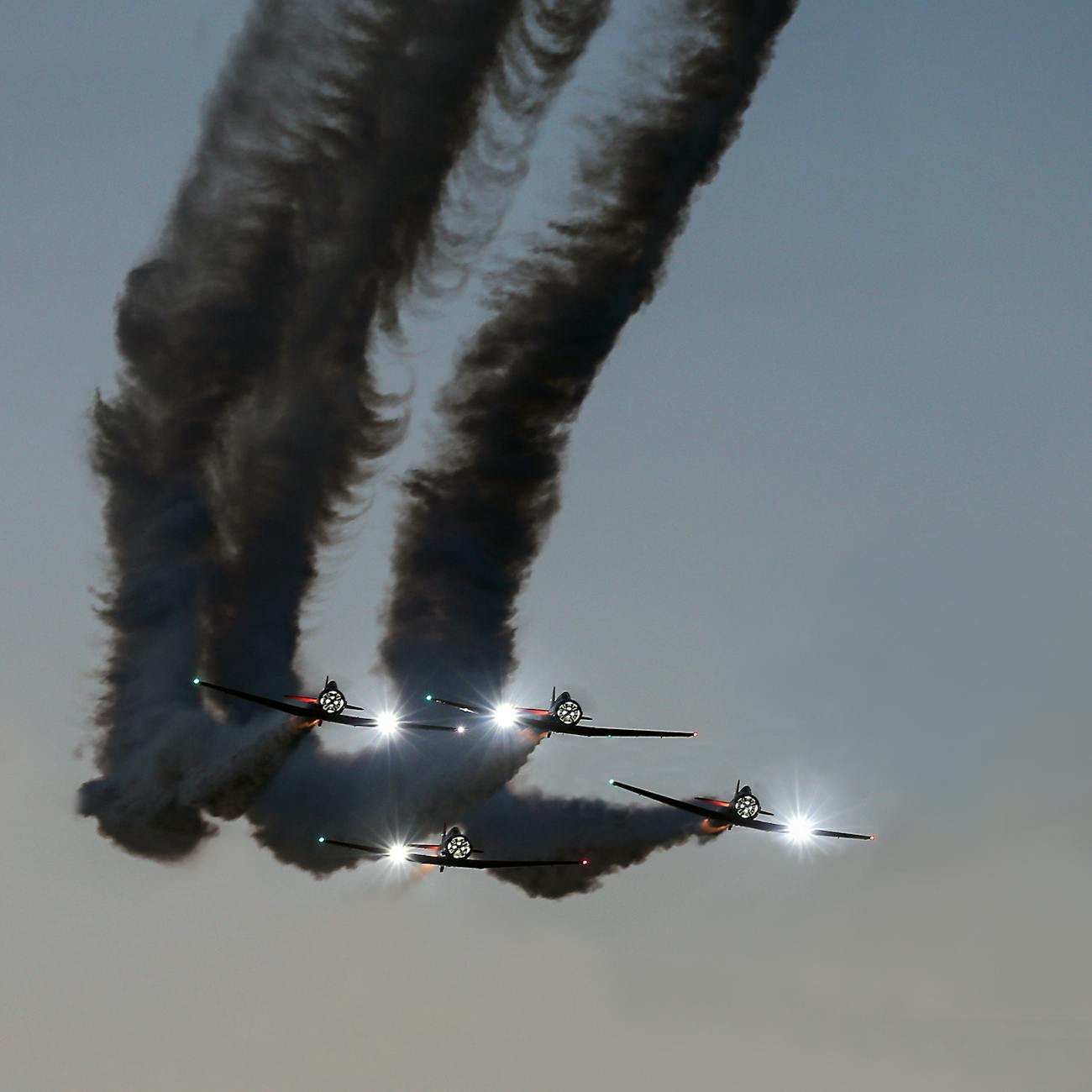
Flight Dynamics: Flight dynamics is the study of the motion of an aircraft through the air and the forces and moments acting on it. It involves the analysis of how aircraft respond to control inputs and external disturbances. Understanding flight dynamics is crucial for designing aircraft that are stable, maneuverable, and efficient.
Aerodynamics: Aerodynamics is the study of how air flows around objects, such as aircraft. It is essential for understanding lift, drag, and other forces acting on an aircraft in flight. Aerodynamics plays a significant role in determining the performance and efficiency of an aircraft.
Propulsion: Propulsion refers to the system that generates thrust to propel an aircraft forward. In electric aircraft, propulsion systems typically include electric motors, batteries, and propellers. Efficient propulsion is essential for achieving high performance and range in electric aircraft.
Electric Aircraft: Electric aircraft are aircraft that are powered by electric motors rather than traditional combustion engines. Electric aircraft offer advantages such as lower operating costs, reduced emissions, and quieter operation. However, they also face challenges such as limited battery energy density and charging infrastructure.
Stability: Stability refers to the ability of an aircraft to return to equilibrium after being disturbed. Aircraft stability is crucial for safe and predictable flight. There are two main types of stability: static stability, which deals with the initial response to disturbances, and dynamic stability, which deals with the long-term response.
Maneuverability: Maneuverability refers to the ability of an aircraft to change direction and perform maneuvers. High maneuverability is essential for military aircraft, aerobatic aircraft, and other applications where agility is required. Maneuverability is influenced by factors such as control surfaces, engine power, and aircraft design.
Lift: Lift is the force that opposes the weight of an aircraft and enables it to fly. Lift is generated by the wings as air flows over them at a higher speed than underneath. Understanding lift is essential for designing wings that provide the necessary lift for an aircraft to stay aloft.
Drag: Drag is the force that opposes the motion of an aircraft through the air. There are two main types of drag: parasite drag, which is caused by the aircraft's shape and surface friction, and induced drag, which is caused by lift production. Minimizing drag is essential for achieving high speeds and efficiency.
Thrust: Thrust is the force that propels an aircraft forward. In electric aircraft, thrust is typically generated by electric motors driving propellers or fans. Thrust must overcome drag to propel the aircraft through the air. Efficient thrust production is essential for achieving high performance and range.
Weight: Weight is the force of gravity acting on an aircraft. The weight of an aircraft must be balanced by lift to maintain level flight. Weight affects the aircraft's performance, stability, and maneuverability. Managing weight is crucial for designing aircraft that meet performance requirements.
Center of Gravity: The center of gravity is the point at which the weight of an aircraft is concentrated. The location of the center of gravity affects the aircraft's stability and control characteristics. Maintaining the center of gravity within a specified range is essential for safe and stable flight.
Control Surfaces: Control surfaces are movable surfaces on an aircraft that are used to control its attitude and flight path. Examples of control surfaces include ailerons, elevators, and rudders. By deflecting control surfaces, pilots can roll, pitch, and yaw the aircraft. Proper control surface design is essential for precise control and maneuverability.
Stall: A stall occurs when an aircraft's wing exceeds its critical angle of attack, causing a loss of lift. Stalls can lead to a loss of control and a potential crash if not managed correctly. Pilots must be trained to recognize and recover from stalls to ensure safe flight.
Angle of Attack: The angle of attack is the angle between the chord line of a wing and the direction of the oncoming airflow. The angle of attack affects the lift and drag produced by the wing. Pilots must carefully manage the angle of attack to optimize aircraft performance and prevent stalls.
Thrust-to-Weight Ratio: The thrust-to-weight ratio is the ratio of the thrust generated by an aircraft's engines to its weight. A high thrust-to-weight ratio indicates a powerful and agile aircraft, while a low ratio may result in sluggish performance. The thrust-to-weight ratio is a crucial factor in determining an aircraft's acceleration and climb performance.
Aspect Ratio: Aspect ratio is the ratio of an aircraft's wingspan to its mean chord. High aspect ratio wings have lower induced drag and better lift-to-drag ratios, making them more efficient for long-range cruising. Aspect ratio affects an aircraft's lift distribution and aerodynamic performance.
Reynolds Number: The Reynolds number is a dimensionless parameter that characterizes the flow regime around an object. It is calculated based on the object's size, speed, and fluid properties. The Reynolds number helps determine whether the flow around an aircraft is laminar or turbulent, affecting aerodynamic performance.
Boundary Layer: The boundary layer is the thin layer of air that flows over the surface of an aircraft. The boundary layer is important for understanding skin friction drag and heat transfer. Managing the boundary layer is crucial for minimizing drag and optimizing aerodynamic performance.
Ground Effect: Ground effect is the phenomenon where the presence of the ground alters the airflow around an aircraft, leading to increased lift and reduced drag. Ground effect can improve takeoff and landing performance but may also cause stability issues. Pilots must be aware of ground effect when operating close to the ground.
Flutter: Flutter is a dangerous phenomenon that occurs when aerodynamic forces cause a structure to vibrate uncontrollably. Flutter can lead to structural failure if not addressed promptly. Flutter analysis and testing are essential for ensuring the structural integrity of an aircraft.
Dynamic Pressure: Dynamic pressure is the pressure exerted by a fluid in motion. In aerodynamics, dynamic pressure is used to characterize the energy of the airflow around an aircraft. Dynamic pressure affects lift, drag, and other aerodynamic forces. Understanding dynamic pressure is essential for analyzing aircraft performance.
Center of Pressure: The center of pressure is the point on a wing where the lift force acts. The center of pressure changes with the angle of attack and can affect an aircraft's stability and control characteristics. Pilots must be aware of the center of pressure to maintain control during flight.
Controlled Flight: Controlled flight refers to a state where an aircraft is stable and responds predictably to pilot inputs. Maintaining controlled flight is crucial for safe and efficient operation. Pilots must be trained to handle various flight conditions and emergencies to ensure controlled flight.
Uncontrolled Flight: Uncontrolled flight occurs when an aircraft is no longer responding to pilot inputs and is in danger of crashing. Uncontrolled flight can result from factors such as stalls, spins, or mechanical failures. Pilots must be prepared to recover from uncontrolled flight to prevent accidents.
Ground Operations: Ground operations refer to the activities involved in preparing an aircraft for flight, such as fueling, loading passengers, and taxiing. Ground operations also include maintenance, inspections, and other tasks to ensure the aircraft's airworthiness. Efficient ground operations are essential for on-time departures and safe operations.
Takeoff: Takeoff is the phase of flight where an aircraft transitions from the ground to the air. Takeoff performance is influenced by factors such as runway length, weight, and thrust. Pilots must carefully manage takeoff procedures to ensure a safe and smooth departure.
Climb: Climb is the phase of flight where an aircraft gains altitude after takeoff. Climb performance is influenced by factors such as thrust, weight, and drag. Pilots must establish a safe climb rate and altitude to reach their destination efficiently.
Cruise: Cruise is the phase of flight where an aircraft maintains a constant altitude and speed en route to its destination. Cruise performance is influenced by factors such as altitude, airspeed, and fuel consumption. Pilots must optimize cruise settings to conserve fuel and reach their destination on time.
Descent: Descent is the phase of flight where an aircraft descends from cruise altitude to prepare for landing. Descent performance is influenced by factors such as airspeed, altitude, and descent rate. Pilots must plan and execute a safe descent to approach the landing runway.
Landing: Landing is the phase of flight where an aircraft touches down on the runway and comes to a stop. Landing performance is influenced by factors such as approach speed, glide path, and runway conditions. Pilots must execute a smooth landing to ensure a safe and comfortable arrival.
Emergency Procedures: Emergency procedures are the protocols pilots follow to handle unexpected situations in flight. Emergency procedures cover a wide range of scenarios, such as engine failures, fires, and system malfunctions. Pilots must be trained to respond quickly and effectively to emergencies to ensure the safety of the aircraft and passengers.
Human Factors: Human factors refer to the psychological, social, and physiological aspects of human performance in aviation. Human factors play a crucial role in pilot decision-making, communication, and workload management. Understanding human factors is essential for optimizing safety and efficiency in aviation operations.
Flight Envelope: The flight envelope is the range of flight conditions within which an aircraft can operate safely and efficiently. The flight envelope includes limits for factors such as airspeed, altitude, and load. Pilots must stay within the flight envelope to avoid exceeding the aircraft's capabilities.
Flight Testing: Flight testing is the process of evaluating an aircraft's performance, handling qualities, and systems in flight. Flight testing involves collecting data on various aspects of the aircraft's behavior to validate design assumptions and ensure airworthiness. Flight testing is essential for certifying new aircraft designs and modifications.
Flight Simulation: Flight simulation is the use of simulators to replicate the experience of flying an aircraft. Flight simulators allow pilots to practice maneuvers, emergency procedures, and other flight scenarios in a realistic environment. Flight simulation is a valuable training tool for pilots to improve their skills and decision-making.
Regulatory Compliance: Regulatory compliance refers to the adherence to aviation regulations and standards set by regulatory authorities. Aviation regulations cover areas such as aircraft design, maintenance, operations, and pilot licensing. Ensuring regulatory compliance is essential for safe and legal aviation operations.
Environmental Impact: Environmental impact refers to the effects of aviation on the environment, such as emissions, noise, and land use. Electric aircraft offer potential benefits for reducing environmental impact compared to traditional combustion aircraft. However, electric aircraft also face challenges such as battery disposal and energy source sustainability.
Challenges and Opportunities: Electric aircraft present both challenges and opportunities for the aviation industry. Challenges include limited battery energy density, charging infrastructure, and regulatory hurdles. Opportunities include reduced emissions, lower operating costs, and quieter operation. Overcoming these challenges and seizing opportunities will be crucial for the widespread adoption of electric aircraft.
Conclusion: Flight dynamics, aerodynamics, and propulsion are essential concepts for understanding the behavior of aircraft in flight. By mastering these key terms and vocabulary, aviation professionals can design, operate, and maintain electric aircraft more effectively. Whether analyzing stability, optimizing lift and drag, or managing emergencies, a solid understanding of flight dynamics is crucial for safe and efficient flight operations.
Key takeaways
- Flight Dynamics: Flight dynamics is the study of the motion of an aircraft through the air and the forces and moments acting on it.
- Aerodynamics plays a significant role in determining the performance and efficiency of an aircraft.
- Propulsion: Propulsion refers to the system that generates thrust to propel an aircraft forward.
- Electric Aircraft: Electric aircraft are aircraft that are powered by electric motors rather than traditional combustion engines.
- There are two main types of stability: static stability, which deals with the initial response to disturbances, and dynamic stability, which deals with the long-term response.
- High maneuverability is essential for military aircraft, aerobatic aircraft, and other applications where agility is required.
- Understanding lift is essential for designing wings that provide the necessary lift for an aircraft to stay aloft.