
Aircraft Performance Analysis
Aircraft Performance Analysis:
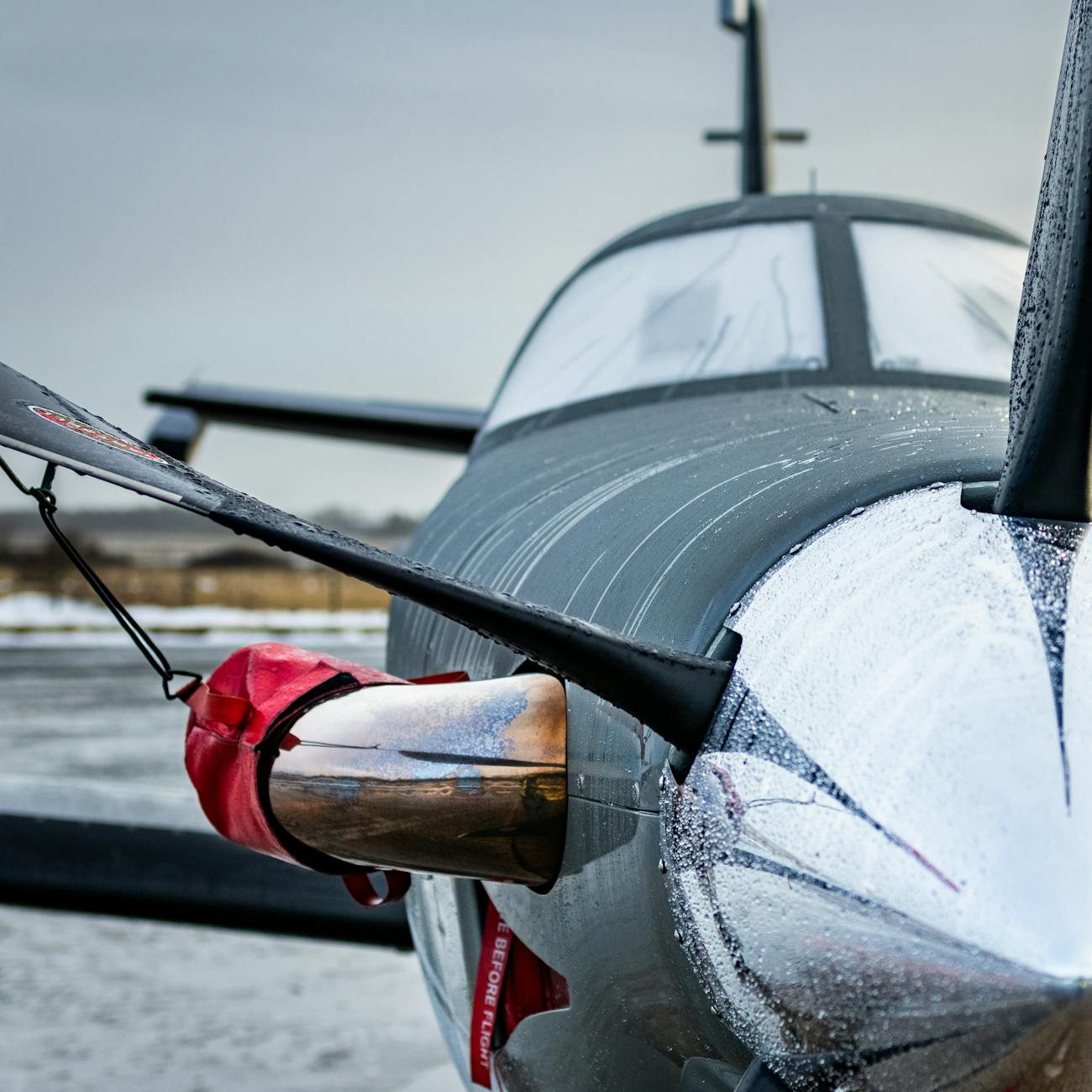
Aircraft Performance Analysis:
Aircraft Performance Analysis is a crucial aspect of aviation that involves the study and evaluation of various parameters to determine the capabilities and limitations of an aircraft in different flight conditions. It is essential for designing, operating, and optimizing aircraft performance to ensure safe and efficient operations.
Aerodynamics:
Aerodynamics is the study of the motion of air around objects, such as aircraft, and the forces and moments generated as a result of this motion. Understanding aerodynamics is vital for designing efficient aircraft shapes, wings, and control surfaces to achieve desired performance characteristics.
Propulsion:
Propulsion refers to the system or mechanism responsible for generating thrust to propel an aircraft through the air. It can be achieved through various means such as jet engines, propellers, or electric motors. Propulsion systems play a critical role in determining an aircraft's performance capabilities.
Electric Aircraft:
Electric aircraft are aircraft powered by electric propulsion systems, which can include electric motors, batteries, and power electronics. Electric aircraft offer the potential for reduced emissions, lower operating costs, and quieter operations compared to traditional combustion engine aircraft.
Performance Parameters:
Performance parameters are the key metrics used to evaluate an aircraft's capabilities and efficiency. These parameters include speed, altitude, range, endurance, climb rate, payload capacity, fuel efficiency, and maneuverability. Analyzing these parameters helps in assessing an aircraft's overall performance.
Drag:
Drag is the aerodynamic force that opposes an aircraft's motion through the air. It is caused by the interaction between the aircraft and the surrounding air and is a significant factor in determining an aircraft's performance. Minimizing drag is essential for improving fuel efficiency and overall performance.
Lift:
Lift is the aerodynamic force that allows an aircraft to overcome gravity and stay airborne. It is generated by the wings as a result of the airflow over and under them. Lift is crucial for supporting the aircraft's weight and enabling controlled flight.
Thrust:
Thrust is the force produced by an aircraft's propulsion system to propel it forward. It is essential for overcoming drag and achieving the desired speed and climb rate. The amount of thrust generated directly impacts an aircraft's acceleration and overall performance.
Weight:
Weight is the force acting on an aircraft due to gravity. It includes the aircraft's structural weight, fuel, payload, and passengers. Managing weight is crucial for maintaining the aircraft's structural integrity, fuel efficiency, and performance characteristics.
Range:
Range is the maximum distance an aircraft can fly on a given amount of fuel. It is a critical performance parameter for determining the aircraft's operational capabilities and mission flexibility. Range calculations consider factors such as fuel consumption, speed, and payload.
Endurance:
Endurance is the amount of time an aircraft can remain airborne on a full tank of fuel. It is essential for missions that require extended loitering or surveillance capabilities. Endurance is influenced by factors such as fuel efficiency, speed, and aircraft configuration.
Climb Rate:
Climb rate is the rate at which an aircraft can ascend vertically. It is crucial for achieving altitude quickly and efficiently. A higher climb rate allows the aircraft to reach cruising altitude faster, saving time and fuel. Climb rate is influenced by factors such as thrust-to-weight ratio and aerodynamic efficiency.
Stall Speed:
Stall speed is the minimum speed at which an aircraft can maintain controlled flight. It occurs when the airflow over the wings becomes too slow to generate enough lift. Stall speed is a critical parameter for determining the aircraft's safe operating limits and maneuvering capabilities.
Service Ceiling:
Service ceiling is the maximum altitude at which an aircraft can maintain a specified rate of climb. It represents the operational limit of the aircraft in terms of altitude. Service ceiling is influenced by factors such as engine power, weight, aerodynamic efficiency, and environmental conditions.
Turn Rate:
Turn rate is the rate at which an aircraft can change its direction in flight. It is essential for maneuvering, evasive actions, and combat scenarios. Turn rate is influenced by factors such as airspeed, bank angle, thrust, drag, and weight distribution.
Specific Range:
Specific range is a performance parameter that measures the distance an aircraft can fly per unit of fuel consumed. It is a key indicator of fuel efficiency and operational costs. Improving specific range allows for longer missions and reduced fuel consumption.
Specific Endurance:
Specific endurance is the amount of time an aircraft can remain airborne per unit of fuel consumed. It is a measure of fuel efficiency and mission endurance. Enhancing specific endurance enables longer loitering capabilities and extended mission durations.
Takeoff Distance:
Takeoff distance is the distance required for an aircraft to accelerate from a standstill to takeoff speed and become airborne. It is influenced by factors such as aircraft weight, runway length, thrust, drag, and lift. Managing takeoff distance is crucial for safe and efficient operations.
Landing Distance:
Landing distance is the distance required for an aircraft to decelerate from landing speed to a complete stop on the runway. It is influenced by factors such as aircraft weight, runway length, drag, and braking efficiency. Controlling landing distance is essential for safe and precise landings.
Rate of Climb:
Rate of climb is the rate at which an aircraft can ascend vertically after takeoff. It is crucial for achieving altitude quickly and efficiently. Rate of climb is influenced by factors such as thrust, weight, drag, lift, and environmental conditions.
Load Factor:
Load factor is the ratio of the lift force acting on an aircraft to its weight. It represents the additional force experienced by the aircraft in maneuvering or turbulent conditions. Load factor is essential for determining structural limits, stability, and maneuvering capabilities.
Wing Loading:
Wing loading is the amount of weight supported by a unit area of an aircraft's wing. It is a critical parameter for assessing an aircraft's lift performance and maneuverability. Lower wing loading allows for better low-speed handling and maneuvering capabilities.
Power Loading:
Power loading is the amount of weight supported by a unit of engine power. It is a key indicator of an aircraft's power-to-weight ratio and performance capabilities. Lower power loading allows for better climb rates, acceleration, and overall performance.
Efficiency:
Efficiency is the ratio of useful work output to energy input. In the context of aircraft performance analysis, efficiency refers to how effectively an aircraft converts fuel into propulsion and lift. Improving efficiency leads to reduced fuel consumption, emissions, and operating costs.
Optimization:
Optimization is the process of maximizing or minimizing a specific parameter to achieve the best possible performance. In aircraft performance analysis, optimization involves adjusting various design parameters, such as wing shape, engine thrust, and weight distribution, to enhance overall performance.
Constraints:
Constraints are limitations or restrictions that must be considered during aircraft performance analysis. These constraints can include regulatory requirements, safety factors, operational limitations, and design specifications. Managing constraints is crucial for ensuring safe and efficient aircraft operations.
Trade-offs:
Trade-offs are the compromises or sacrifices made between conflicting performance parameters. For example, increasing speed may result in higher fuel consumption, while improving range may reduce payload capacity. Understanding and managing trade-offs is essential for optimizing aircraft performance.
Simulation:
Simulation is the use of mathematical models and computer algorithms to predict and analyze aircraft performance in various scenarios. Simulation allows for testing different design configurations, flight conditions, and operating parameters to optimize performance without physical prototyping.
Challenges:
Aircraft performance analysis faces several challenges, including balancing conflicting performance parameters, managing complex interactions between aerodynamics and propulsion, optimizing efficiency while maintaining safety, and adapting to changing environmental and operational conditions.
Data Analysis:
Data analysis involves collecting, processing, and interpreting performance data to evaluate an aircraft's capabilities and limitations. Data analysis helps in identifying trends, anomalies, and optimization opportunities to enhance overall aircraft performance and operational efficiency.
Validation:
Validation is the process of confirming the accuracy and reliability of performance analysis results through testing and verification. Validation ensures that the predicted performance parameters align with real-world observations and that the aircraft meets its design requirements and operational goals.
Regulatory Compliance:
Regulatory compliance refers to adhering to legal and safety standards set by aviation authorities when designing, operating, and certifying aircraft. Compliance with regulations is essential for ensuring the safety, airworthiness, and operational integrity of aircraft.
Performance Monitoring:
Performance monitoring involves tracking and analyzing real-time performance data during flight operations. It allows operators to assess efficiency, detect anomalies, and optimize performance in real-time. Performance monitoring is crucial for maintaining safe and efficient aircraft operations.
Decision Support:
Decision support systems provide operators with data-driven insights and recommendations to make informed decisions regarding aircraft performance, maintenance, and operational planning. Decision support tools help in optimizing efficiency, safety, and cost-effectiveness in aircraft operations.
Continuous Improvement:
Continuous improvement is the process of iteratively enhancing aircraft performance through data analysis, simulation, testing, and optimization. It involves identifying areas for improvement, implementing changes, and evaluating the impact on performance to achieve ongoing enhancements.
Human Factors:
Human factors refer to the psychological, social, and physical factors that influence human performance and behavior in aviation. Understanding human factors is essential for designing aircraft systems, procedures, and training programs that support safe and efficient operations.
Reliability:
Reliability is the ability of an aircraft to perform its intended functions consistently and predictably over time. Reliability is crucial for ensuring the safety and operational integrity of aircraft. Improving reliability involves robust design, maintenance practices, and operational procedures.
Maintainability:
Maintainability is the ease and efficiency with which an aircraft can be maintained, repaired, and serviced. Maintainability is essential for minimizing downtime, reducing operational costs, and ensuring the long-term airworthiness of aircraft. Improving maintainability involves designing for accessibility, modularity, and ease of maintenance.
Availability:
Availability is the percentage of time an aircraft is operational and ready for flight. High availability is essential for meeting operational requirements, schedules, and mission demands. Improving availability involves optimizing maintenance practices, logistics, and support systems to minimize downtime and maximize readiness.
Sustainability:
Sustainability refers to designing and operating aircraft in a way that minimizes environmental impact, resource consumption, and carbon footprint. Sustainable aviation practices aim to reduce emissions, noise pollution, and waste while promoting energy efficiency and renewable energy sources.
Integration:
Integration involves combining aerodynamics, propulsion, structures, systems, and operations to optimize aircraft performance holistically. Integrated design and analysis approaches consider the interactions and dependencies between different components to achieve synergistic performance improvements.
Electric Propulsion:
Electric propulsion is the use of electric motors, batteries, and power electronics to generate thrust for aircraft propulsion. Electric propulsion systems offer advantages such as lower emissions, reduced noise, and increased efficiency compared to traditional combustion engines.
Challenges in Electric Aircraft Performance:
Electric aircraft face challenges such as limited battery energy density, weight constraints, thermal management, charging infrastructure, range limitations, and cost considerations. Overcoming these challenges requires innovation in battery technology, power electronics, aerodynamics, and system integration.
Case Studies:
Case studies provide real-world examples of aircraft performance analysis, design decisions, operational challenges, and optimization strategies. Analyzing case studies helps in understanding best practices, lessons learned, and innovative solutions in aircraft performance analysis and electric propulsion.
Future Trends:
Future trends in aircraft performance analysis include advancements in electric propulsion technology, sustainable aviation practices, autonomous systems, artificial intelligence, data analytics, and additive manufacturing. These trends are shaping the future of aviation towards more efficient, environmentally friendly, and connected aircraft operations.
In conclusion, Aircraft Performance Analysis is a multidisciplinary field that encompasses aerodynamics, propulsion, efficiency, optimization, human factors, sustainability, and integration. Understanding key performance parameters, challenges, solutions, and future trends is essential for designing, operating, and optimizing aircraft performance in the context of electric aircraft aerodynamics and propulsion.
Key takeaways
- Aircraft Performance Analysis is a crucial aspect of aviation that involves the study and evaluation of various parameters to determine the capabilities and limitations of an aircraft in different flight conditions.
- Understanding aerodynamics is vital for designing efficient aircraft shapes, wings, and control surfaces to achieve desired performance characteristics.
- Propulsion refers to the system or mechanism responsible for generating thrust to propel an aircraft through the air.
- Electric aircraft offer the potential for reduced emissions, lower operating costs, and quieter operations compared to traditional combustion engine aircraft.
- These parameters include speed, altitude, range, endurance, climb rate, payload capacity, fuel efficiency, and maneuverability.
- It is caused by the interaction between the aircraft and the surrounding air and is a significant factor in determining an aircraft's performance.
- Lift is the aerodynamic force that allows an aircraft to overcome gravity and stay airborne.