
Electric Power Systems
Electric Power Systems in the context of electric aircraft aerodynamics and propulsion refer to the complex network of components and devices that generate, transmit, distribute, and control electrical power within an aircraft. These system…
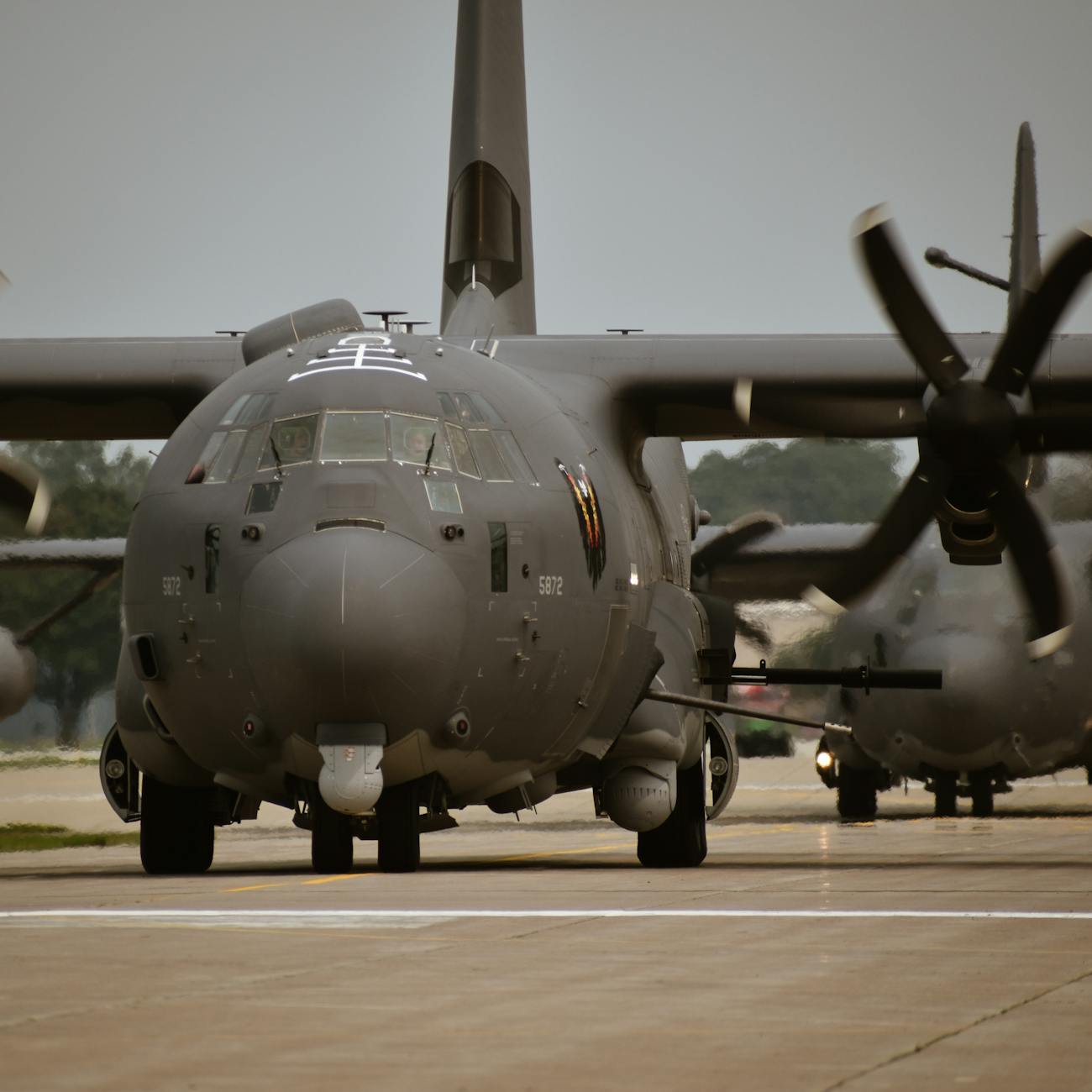
Electric Power Systems in the context of electric aircraft aerodynamics and propulsion refer to the complex network of components and devices that generate, transmit, distribute, and control electrical power within an aircraft. These systems play a crucial role in the overall performance, efficiency, and safety of electric aircraft. Understanding key terms and vocabulary related to electric power systems is essential for engineers and professionals working in the field of electric aircraft design and operation.
1. **Electric Power Generation**: - Electric power generation refers to the process of converting mechanical energy into electrical energy. In electric aircraft, this is typically achieved through the use of generators or alternators driven by the aircraft's engines or auxiliary power units (APUs). The generated electrical power is used to operate various systems onboard the aircraft, including propulsion, avionics, lighting, and environmental control.
2. **Power Distribution**: - Power distribution involves the transmission of electrical power from the generators to different systems and components within the aircraft. This is achieved through a network of cables, busbars, and distribution panels. Proper power distribution is essential to ensure that all systems receive the required amount of electrical power without overloading the system.
3. **Power Conversion**: - Power conversion is the process of converting electrical power from one form to another, such as AC to DC or vice versa. In electric aircraft, power converters are used to regulate voltage levels, frequency, and waveform to match the requirements of specific systems. This ensures compatibility and efficient operation of various electrical components onboard.
4. **Battery Systems**: - Battery systems play a critical role in electric aircraft by providing energy storage for electric propulsion systems, emergency power backup, and auxiliary power. Lithium-ion batteries are commonly used in electric aircraft due to their high energy density and lightweight properties. Proper management of battery systems is crucial to ensure safe and reliable operation of the aircraft.
5. **Electric Propulsion**: - Electric propulsion refers to the use of electric motors or engines to generate thrust for propulsion. Electric propulsion systems offer several advantages over traditional gas turbine engines, including higher efficiency, lower emissions, and reduced noise levels. Key components of electric propulsion systems include electric motors, power electronics, and propellers or fans.
6. **Power Electronics**: - Power electronics are devices that control and regulate the flow of electrical power within an electric aircraft. These devices include inverters, rectifiers, converters, and controllers that manage voltage, current, and frequency levels to optimize the performance of electrical systems. Power electronics play a critical role in converting and conditioning electrical power for various applications onboard.
7. **Electric Motor**: - An electric motor is a device that converts electrical energy into mechanical energy to drive propellers, fans, or other rotating components in electric aircraft. Electric motors come in various types, such as brushless DC motors, induction motors, and synchronous motors, each offering different performance characteristics. The selection of the right electric motor is crucial for achieving efficient and reliable propulsion in electric aircraft.
8. **Smart Grid**: - A smart grid is an advanced electrical power system that uses digital communication and control technologies to monitor and manage the flow of electricity efficiently. In the context of electric aircraft, a smart grid can optimize power distribution, improve energy management, and enhance overall system performance. Implementing smart grid technologies can lead to increased efficiency and reliability in electric aircraft operations.
9. **Energy Management System (EMS)**: - An energy management system is a software-based solution that monitors, controls, and optimizes the use of energy within an electric aircraft. The EMS coordinates the operation of different power sources, such as generators, batteries, and fuel cells, to ensure optimal energy efficiency and performance. By dynamically adjusting power flow and distribution, an EMS can enhance the overall efficiency and range of electric aircraft.
10. **Fault Tolerance**: - Fault tolerance refers to the ability of an electric power system to continue operating in the event of a component failure or malfunction. Electric aircraft systems are designed with redundancy and fault-tolerant features to ensure continued operation and safety in case of unexpected failures. Implementing fault-tolerant designs is essential to mitigate risks and ensure the reliability of electric power systems in aircraft.
11. **Regenerative Braking**: - Regenerative braking is a technique used in electric aircraft to recover energy during deceleration or landing. When the aircraft's electric motors act as generators, converting kinetic energy back into electrical energy, which can be stored in batteries or used to power other systems onboard. Regenerative braking improves energy efficiency and extends the range of electric aircraft by harnessing energy that would otherwise be wasted.
12. **Thermal Management**: - Thermal management is a critical aspect of electric power systems in aircraft, as electrical components generate heat during operation. Effective thermal management involves cooling systems, heat sinks, and insulation to maintain optimal operating temperatures and prevent overheating. Proper thermal management is essential for ensuring the reliability and longevity of electrical components in electric aircraft.
13. **Power Density**: - Power density refers to the amount of power that can be generated or stored per unit volume or weight of a component or system. In electric aircraft, high power density is desirable to maximize performance while minimizing weight and space requirements. Components such as batteries, electric motors, and power electronics with high power density are essential for achieving efficient and lightweight electric propulsion systems.
14. **Voltage Regulation**: - Voltage regulation is the process of maintaining a stable voltage level within an electric power system to ensure proper operation of electrical components. Voltage regulators and control systems are used to adjust voltage levels and compensate for fluctuations in load or input voltage. Stable voltage regulation is essential for protecting sensitive electronics and ensuring the reliability of electric power systems in aircraft.
15. **Electromagnetic Interference (EMI)**: - Electromagnetic interference refers to the disturbance caused by electromagnetic radiation on electronic devices and systems. In electric aircraft, EMI can affect the performance of avionics, communication systems, and other sensitive equipment. Shielding, filtering, and grounding techniques are used to mitigate EMI and ensure the proper operation of electrical systems in the presence of electromagnetic interference.
16. **Integration Challenges**: - Integrating electric power systems into aircraft design presents several challenges related to weight, space, thermal management, and safety. Designing efficient power distribution networks, optimizing energy storage solutions, and ensuring compatibility with existing aircraft systems are key considerations in the integration of electric power systems. Addressing these challenges requires interdisciplinary collaboration and innovative solutions to achieve successful implementation of electric power systems in aircraft.
17. **Sustainable Aviation**: - Electric power systems play a vital role in advancing sustainable aviation by reducing carbon emissions, noise pollution, and dependence on fossil fuels. Electric aircraft powered by renewable energy sources offer a more environmentally friendly alternative to traditional combustion engines. Sustainable aviation initiatives aim to promote the adoption of electric propulsion technologies and improve the overall environmental impact of aviation industry.
18. **System Efficiency**: - System efficiency is a key performance metric for electric power systems in aircraft, measuring the ratio of useful output power to input power. Improving system efficiency involves minimizing energy losses, optimizing power conversion processes, and reducing parasitic loads. High system efficiency is essential for maximizing the range, endurance, and performance of electric aircraft while minimizing energy consumption and operational costs.
19. **Safety Standards**: - Safety standards for electric power systems in aircraft are established to ensure the reliability, integrity, and safety of electrical components and systems. Compliance with industry regulations, certification requirements, and best practices is essential to mitigate risks and prevent electrical failures that could compromise flight safety. Adhering to safety standards and conducting rigorous testing and validation are crucial for the successful implementation of electric power systems in aircraft.
20. **Future Trends**: - The future of electric power systems in aircraft is characterized by advancements in battery technology, electric propulsion systems, and energy management solutions. Ongoing research and development efforts aim to improve the efficiency, performance, and sustainability of electric aircraft. Emerging trends such as hydrogen fuel cells, supercapacitors, and advanced power electronics are shaping the evolution of electric power systems and driving innovation in the aerospace industry.
In conclusion, electric power systems play a critical role in the design, operation, and performance of electric aircraft. By understanding key terms and vocabulary related to electric power systems, engineers and professionals can effectively navigate the complexities of electric propulsion technologies, optimize system efficiency, and address challenges in integrating electric power systems into aircraft design. Embracing sustainable aviation initiatives, ensuring safety compliance, and staying abreast of future trends are essential for driving innovation and advancing the adoption of electric power systems in the aerospace industry.
Key takeaways
- Electric Power Systems in the context of electric aircraft aerodynamics and propulsion refer to the complex network of components and devices that generate, transmit, distribute, and control electrical power within an aircraft.
- In electric aircraft, this is typically achieved through the use of generators or alternators driven by the aircraft's engines or auxiliary power units (APUs).
- **Power Distribution**: - Power distribution involves the transmission of electrical power from the generators to different systems and components within the aircraft.
- **Power Conversion**: - Power conversion is the process of converting electrical power from one form to another, such as AC to DC or vice versa.
- **Battery Systems**: - Battery systems play a critical role in electric aircraft by providing energy storage for electric propulsion systems, emergency power backup, and auxiliary power.
- Electric propulsion systems offer several advantages over traditional gas turbine engines, including higher efficiency, lower emissions, and reduced noise levels.
- These devices include inverters, rectifiers, converters, and controllers that manage voltage, current, and frequency levels to optimize the performance of electrical systems.