
Big Data Analytics for Railway Performance
Big Data Analytics for Railway Performance is a crucial aspect of modern railway engineering that leverages advanced technologies to harness and analyze massive amounts of data for improving operational efficiency, safety, and passenger exp…
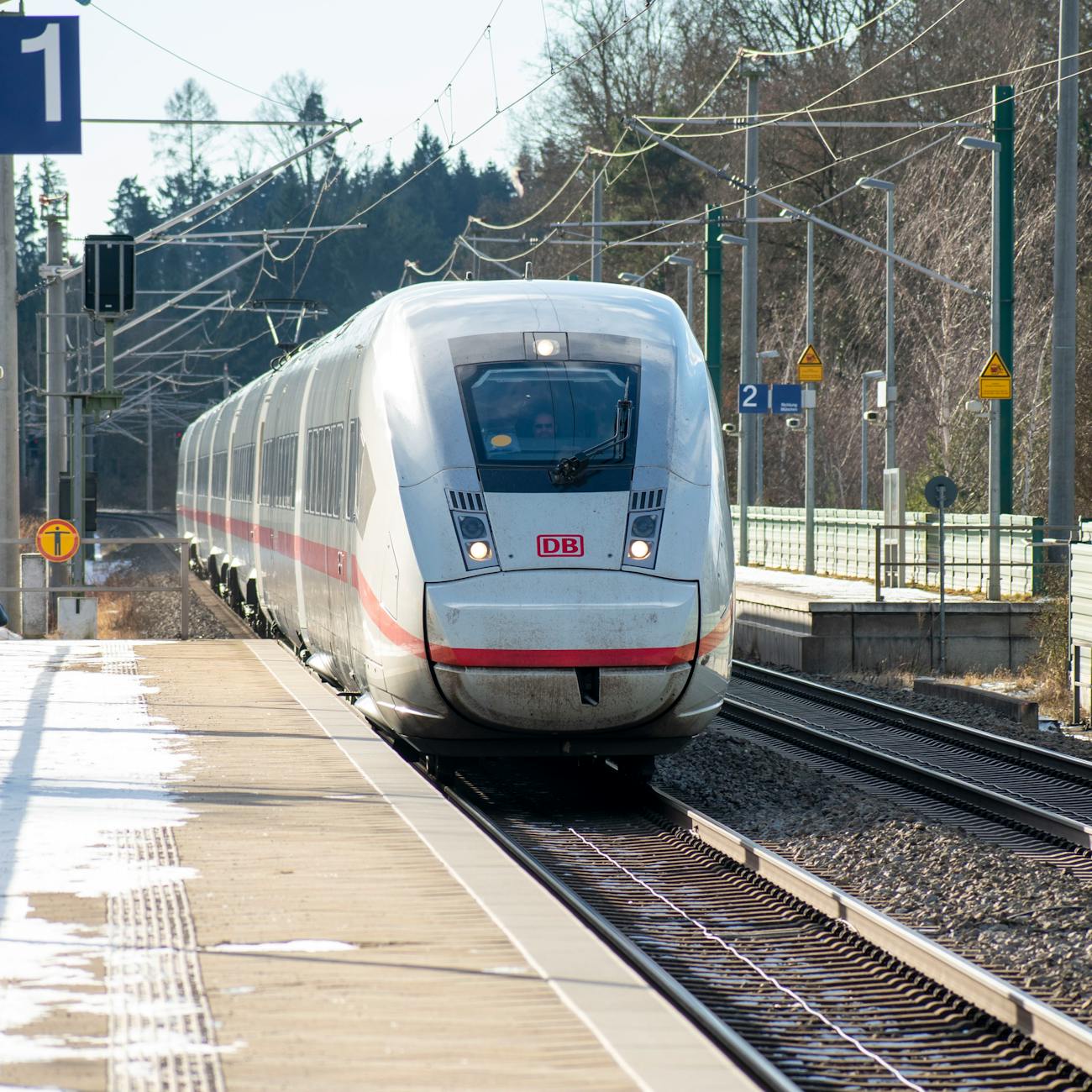
Big Data Analytics for Railway Performance is a crucial aspect of modern railway engineering that leverages advanced technologies to harness and analyze massive amounts of data for improving operational efficiency, safety, and passenger experience. In this course, we will explore key terms and vocabulary related to Big Data Analytics in the context of railway performance to equip you with the necessary knowledge and skills to excel in this field.
**Big Data Analytics**: Big Data Analytics refers to the process of examining large and complex data sets to uncover hidden patterns, correlations, and insights. It involves the use of advanced analytical techniques and technologies to extract valuable information from vast amounts of structured and unstructured data. In the railway industry, Big Data Analytics plays a vital role in optimizing operations, predicting maintenance needs, and enhancing overall performance.
**Railway Performance**: Railway Performance encompasses various metrics and indicators that measure the efficiency, reliability, and safety of railway systems. It includes factors such as on-time performance, train speeds, passenger satisfaction, maintenance costs, and energy consumption. Analyzing and improving railway performance is essential for ensuring smooth operations and meeting customer expectations.
**Artificial Intelligence**: Artificial Intelligence (AI) refers to the simulation of human intelligence processes by machines, particularly computer systems. AI technologies enable computers to perform tasks that typically require human intelligence, such as learning, reasoning, problem-solving, and decision-making. In the context of railway engineering, AI is used to optimize scheduling, predict equipment failures, and enhance safety measures.
**Machine Learning**: Machine Learning is a subset of AI that focuses on developing algorithms and statistical models that enable computers to learn from and make predictions or decisions based on data. Machine Learning algorithms can analyze large datasets to identify patterns and trends, which are then used to make accurate predictions. In railway performance, Machine Learning is applied to predict delays, optimize maintenance schedules, and improve route planning.
**Predictive Maintenance**: Predictive Maintenance is a proactive maintenance strategy that uses data analysis and Machine Learning algorithms to predict equipment failures before they occur. By monitoring the condition of railway assets in real time and analyzing historical data, predictive maintenance can help prevent costly breakdowns, minimize downtime, and extend the lifespan of critical components.
**Internet of Things (IoT)**: The Internet of Things (IoT) refers to a network of interconnected devices, sensors, and systems that communicate with each other and exchange data over the internet. In the railway industry, IoT devices are used to collect real-time data on train operations, track conditions, passenger flow, and equipment health. This data is then processed and analyzed to optimize performance and enhance safety.
**Data Visualization**: Data Visualization is the graphical representation of data to convey complex information clearly and intuitively. By using charts, graphs, maps, and dashboards, data visualization helps stakeholders understand trends, patterns, and insights hidden within large datasets. In the context of railway performance, data visualization tools are used to monitor key performance indicators, track operational efficiency, and identify areas for improvement.
**Data Mining**: Data Mining is the process of discovering patterns, trends, and insights from large datasets using statistical algorithms, machine learning techniques, and artificial intelligence. By analyzing historical data, data mining can uncover hidden relationships and correlations that can be used to make informed decisions and predictions. In railway performance, data mining is applied to optimize schedules, improve asset management, and enhance safety protocols.
**Challenges in Big Data Analytics for Railway Performance**: While Big Data Analytics offers numerous benefits for improving railway performance, there are several challenges that must be addressed to harness its full potential. Some of the key challenges include:
1. **Data Quality**: Ensuring the accuracy, completeness, and reliability of data is crucial for meaningful analysis. Poor data quality can lead to inaccurate insights and flawed decision-making.
2. **Data Integration**: Railway systems generate data from various sources, such as trains, tracks, signaling systems, and passenger information systems. Integrating disparate data sources and formats can be complex and time-consuming.
3. **Data Security**: Safeguarding sensitive railway data from cyber threats, unauthorized access, and data breaches is a critical concern in the age of digitalization.
4. **Scalability**: As railway systems continue to generate vast amounts of data, scalability becomes a challenge in terms of storage, processing power, and analytical capabilities.
5. **Interoperability**: Ensuring that different railway systems, devices, and technologies can communicate and share data seamlessly is essential for effective data analytics and decision-making.
By addressing these challenges and leveraging advanced technologies and analytical tools, railway operators can unlock the full potential of Big Data Analytics to enhance performance, efficiency, and safety in railway operations.
In this course, you will delve into the intricacies of Big Data Analytics for Railway Performance, exploring real-world case studies, practical applications, and cutting-edge technologies that are revolutionizing the railway industry. By mastering the key terms and concepts covered in this course, you will be well-equipped to navigate the complex landscape of railway analytics and drive innovation in this dynamic field.
Key takeaways
- In this course, we will explore key terms and vocabulary related to Big Data Analytics in the context of railway performance to equip you with the necessary knowledge and skills to excel in this field.
- **Big Data Analytics**: Big Data Analytics refers to the process of examining large and complex data sets to uncover hidden patterns, correlations, and insights.
- **Railway Performance**: Railway Performance encompasses various metrics and indicators that measure the efficiency, reliability, and safety of railway systems.
- AI technologies enable computers to perform tasks that typically require human intelligence, such as learning, reasoning, problem-solving, and decision-making.
- **Machine Learning**: Machine Learning is a subset of AI that focuses on developing algorithms and statistical models that enable computers to learn from and make predictions or decisions based on data.
- By monitoring the condition of railway assets in real time and analyzing historical data, predictive maintenance can help prevent costly breakdowns, minimize downtime, and extend the lifespan of critical components.
- **Internet of Things (IoT)**: The Internet of Things (IoT) refers to a network of interconnected devices, sensors, and systems that communicate with each other and exchange data over the internet.