
Optical Coherence Tomography in AI
Optical Coherence Tomography (OCT) is a non-invasive imaging technique that provides high-resolution cross-sectional images of biological tissues. It is widely used in ophthalmology for the diagnosis and monitoring of various eye conditions…
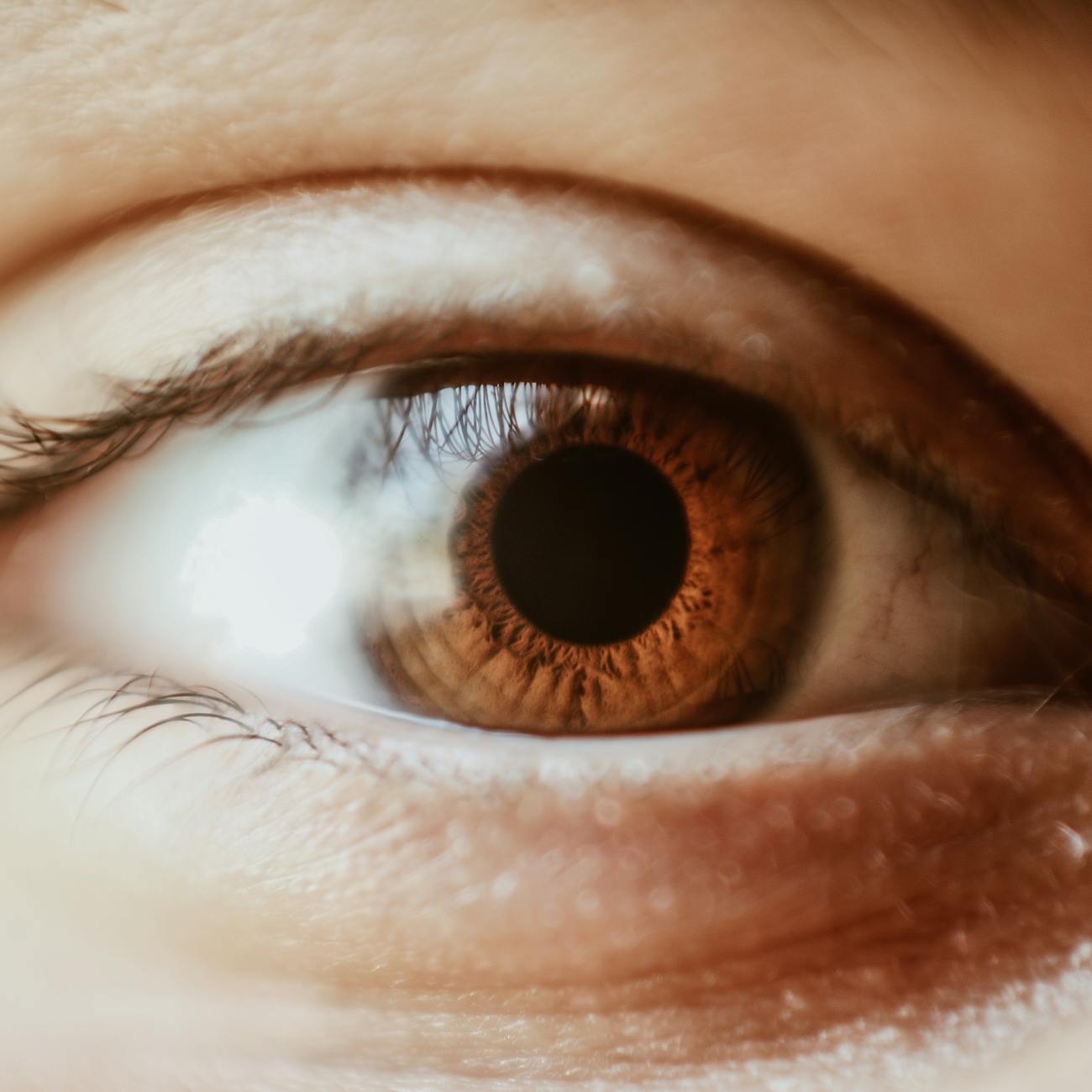
Optical Coherence Tomography (OCT) is a non-invasive imaging technique that provides high-resolution cross-sectional images of biological tissues. It is widely used in ophthalmology for the diagnosis and monitoring of various eye conditions. OCT works by measuring the echo time delay and magnitude of backscattered light to generate detailed images of tissue structure.
Artificial Intelligence (AI) refers to the simulation of human intelligence processes by computer systems, including learning, reasoning, and self-correction. In the field of ophthalmology, AI is being used to analyze OCT images for the early detection of eye diseases, treatment planning, and personalized medicine.
Postgraduate Certificate in AI in Ophthalmology is a specialized program designed to equip healthcare professionals with the knowledge and skills to apply AI techniques in the diagnosis and management of eye conditions. This certificate program focuses on the integration of advanced technologies with ophthalmic practice.
Key Terms and Vocabulary
1. Retina: The light-sensitive layer of tissue at the back of the eye that converts light into electrical signals, which are sent to the brain for visual recognition.
2. Macula: The central part of the retina responsible for central vision and fine detail. It contains a high concentration of cone cells for color vision.
3. Optic Nerve: The bundle of nerve fibers that carry visual information from the retina to the brain for processing.
4. Choroid: The vascular layer of the eye located between the retina and the sclera. It supplies oxygen and nutrients to the outer layers of the retina.
5. Epiretinal Membrane: A thin layer of fibrous tissue that forms on the surface of the retina, causing distortion of vision.
6. Diabetic Retinopathy: A common complication of diabetes that affects the blood vessels in the retina, leading to vision loss if left untreated.
7. Macular Edema: Swelling of the macula due to fluid leakage, leading to distorted central vision.
8. Glaucoma: A group of eye conditions that damage the optic nerve, often associated with elevated intraocular pressure.
9. Neovascularization: The formation of abnormal blood vessels in the retina, often seen in conditions like wet age-related macular degeneration.
10. Segmentation: The process of dividing an image into meaningful regions for analysis, such as separating different layers of the retina in OCT images.
11. Feature Extraction: The process of identifying and quantifying relevant information from raw data, such as extracting texture or shape features from OCT images.
12. Classification: The process of assigning a label or category to a given input based on its features, such as classifying OCT images as normal or diseased.
13. Deep Learning: A subset of machine learning that uses artificial neural networks to learn complex patterns from data, commonly used in image analysis tasks.
14. Convolutional Neural Network (CNN): A type of deep neural network designed for processing structured grid-like data, such as images. CNNs are commonly used for image recognition tasks.
15. Transfer Learning: A machine learning technique where a pre-trained model is used as a starting point for a new task, reducing the need for large amounts of labeled data.
16. Autoencoders: Neural networks designed to learn efficient representations of input data by encoding and decoding it, often used for dimensionality reduction in image analysis.
17. Generative Adversarial Networks (GANs): A type of neural network architecture that consists of two networks, a generator and a discriminator, which are trained together to generate realistic data.
18. Augmentation: The process of artificially increasing the diversity of training data by applying transformations such as rotation, scaling, or flipping to improve model generalization.
19. Overfitting: A common problem in machine learning where a model performs well on training data but poorly on unseen data due to capturing noise or irrelevant patterns.
20. Validation: The process of assessing the generalization performance of a model on unseen data to ensure it can make accurate predictions on new samples.
21. Hyperparameters: Parameters that are set before the training process and control the learning process of a model, such as learning rate, batch size, and network architecture.
22. Optimization: The process of adjusting model parameters to minimize a loss function, typically achieved through algorithms like stochastic gradient descent.
23. ROC Curve (Receiver Operating Characteristic Curve): A graphical plot that illustrates the diagnostic ability of a binary classifier system as its discrimination threshold is varied.
24. AUC (Area Under the Curve): A metric that quantifies the overall performance of a binary classifier system across all possible classification thresholds in the ROC curve.
25. Interpretability: The ability to explain and understand the decisions made by a machine learning model, crucial for building trust in AI systems used in healthcare.
26. Ethical Considerations: The moral and social implications of using AI in healthcare, including patient privacy, data security, and potential biases in algorithms.
27. Regulatory Approval: The process of obtaining official authorization from regulatory bodies for the use of AI-based technologies in clinical practice, ensuring safety and efficacy.
28. Clinical Integration: The incorporation of AI algorithms into existing clinical workflows to assist healthcare professionals in decision-making and improve patient outcomes.
29. Teleophthalmology: The practice of providing eye care services remotely using telecommunications technology, enabling access to specialist care in underserved areas.
30. Challenges: The obstacles faced in implementing AI in ophthalmology, including data quality, model interpretability, regulatory compliance, and the need for specialized training.
By understanding these key terms and vocabulary related to Optical Coherence Tomography in AI in the context of the Postgraduate Certificate in AI in Ophthalmology, healthcare professionals can effectively apply advanced technologies to enhance the diagnosis and management of eye diseases, ultimately improving patient care and outcomes.
Key takeaways
- Optical Coherence Tomography (OCT) is a non-invasive imaging technique that provides high-resolution cross-sectional images of biological tissues.
- Artificial Intelligence (AI) refers to the simulation of human intelligence processes by computer systems, including learning, reasoning, and self-correction.
- Postgraduate Certificate in AI in Ophthalmology is a specialized program designed to equip healthcare professionals with the knowledge and skills to apply AI techniques in the diagnosis and management of eye conditions.
- Retina: The light-sensitive layer of tissue at the back of the eye that converts light into electrical signals, which are sent to the brain for visual recognition.
- Macula: The central part of the retina responsible for central vision and fine detail.
- Optic Nerve: The bundle of nerve fibers that carry visual information from the retina to the brain for processing.
- Choroid: The vascular layer of the eye located between the retina and the sclera.