
Who We Are
Who We Are
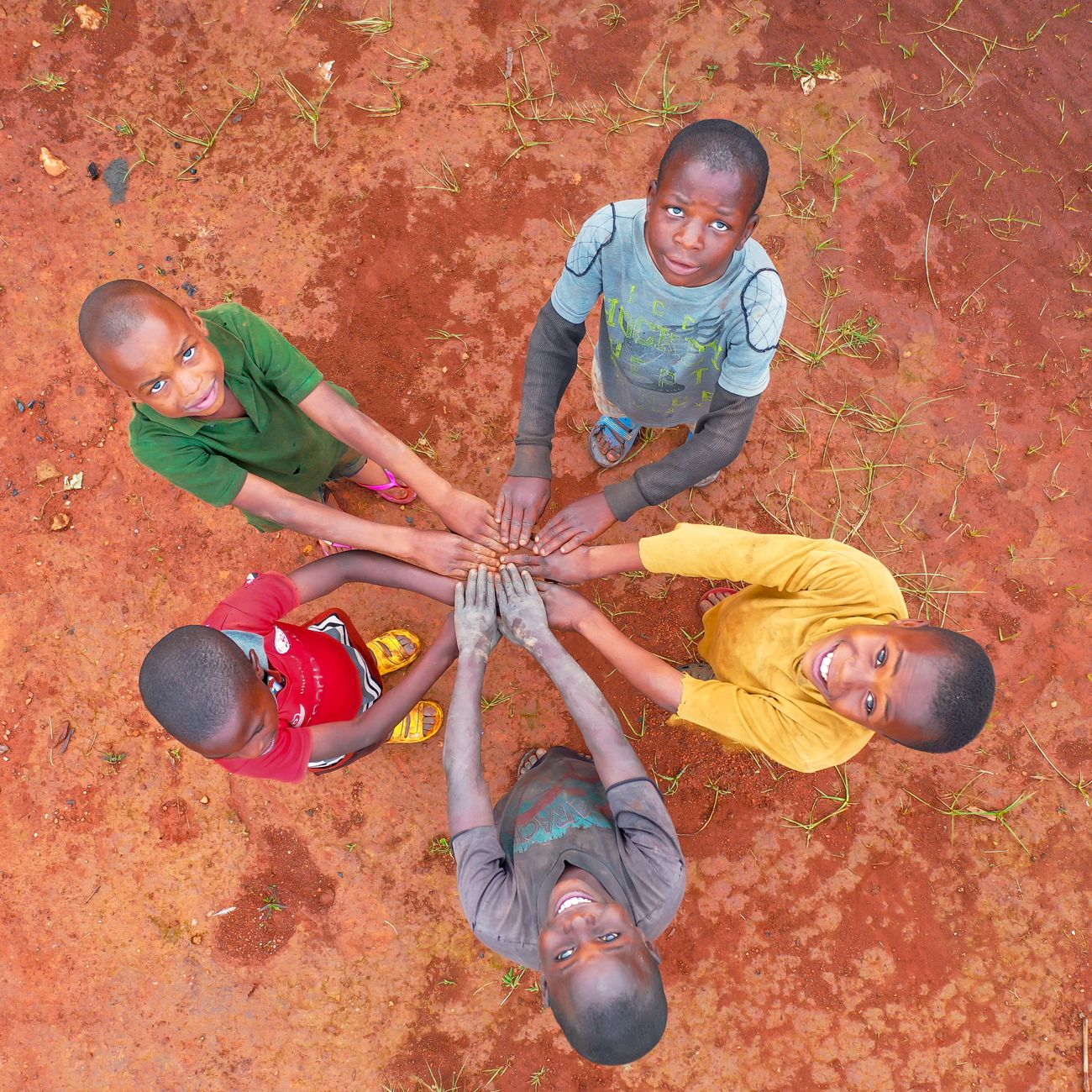
Who We Are
In the International Baccalaureate Primary Years Programme (PYP), the concept of "Who We Are" is a central part of the curriculum. It focuses on helping students develop an understanding of themselves, their relationships with others, and their place in the world. This key concept encourages students to explore their own identities, values, beliefs, and cultures while also recognizing and respecting the diversity of others.
Key Terms
1. Identity: Identity refers to the qualities, beliefs, personality, looks, and/or expressions that make a person or group unique. It includes individual characteristics such as gender, ethnicity, nationality, culture, interests, and values.
2. Culture: Culture encompasses the beliefs, behaviors, language, traditions, rituals, arts, and social institutions of a particular group of people. It shapes how individuals perceive the world around them and influences their values and actions.
3. Diversity: Diversity refers to the variety of differences among people, including but not limited to race, ethnicity, gender, sexual orientation, religion, socio-economic status, abilities, and beliefs. Embracing diversity promotes inclusivity and understanding among individuals.
4. Values: Values are the principles or beliefs that guide a person's actions, decisions, and behaviors. They are deeply held convictions that influence how individuals interact with others and make choices in various situations.
5. Beliefs: Beliefs are ideas or convictions that individuals hold to be true. They can be based on personal experiences, cultural teachings, religious teachings, or other sources of influence.
6. Community: A community is a group of people who share common interests, characteristics, or goals. It can be a local, national, or global group that provides support, connection, and a sense of belonging to its members.
7. Responsibility: Responsibility involves taking ownership of one's actions, decisions, and obligations. It includes being accountable for the consequences of one's choices and behaviors and fulfilling commitments to oneself and others.
8. Global Citizenship: Global citizenship refers to the idea of recognizing oneself as a member of a worldwide community and taking action to promote positive change on a global scale. It involves understanding and respecting diverse cultures, advocating for human rights, and addressing global challenges.
Vocabulary
1. Identity: Understanding one's own identity is an essential part of developing self-awareness and self-acceptance. By exploring their identity, students can recognize their strengths, weaknesses, and unique qualities that shape who they are.
2. Cultural Awareness: Cultural awareness involves being open-minded and respectful towards different cultural practices, beliefs, and traditions. It helps students appreciate the diversity of the world and develop empathy for people from various backgrounds.
3. Empathy: Empathy is the ability to understand and share the feelings of others. It enables students to connect with people on a deeper level, showing compassion, kindness, and understanding towards their experiences and emotions.
4. Self-Reflection: Self-reflection is the process of examining one's thoughts, feelings, and actions to gain insight into oneself. It allows students to assess their strengths and areas for growth, set goals, and make positive changes in their behavior.
5. Conflict Resolution: Conflict resolution involves finding peaceful solutions to disagreements or disputes. It requires effective communication, active listening, empathy, and negotiation skills to reach a compromise that satisfies all parties involved.
6. Intercultural Understanding: Intercultural understanding involves recognizing and appreciating the similarities and differences between cultures. It promotes respect, tolerance, and open-mindedness towards diverse perspectives, traditions, and values.
7. Collaboration: Collaboration is the act of working together towards a common goal. It involves sharing ideas, resources, and responsibilities, communicating effectively, and respecting the contributions of each team member.
8. Stewardship: Stewardship refers to the responsible management and care of resources, both natural and human-made. It involves protecting the environment, promoting sustainability, and advocating for the well-being of present and future generations.
Practical Applications
1. Identity Journals: Students can keep identity journals where they reflect on their personal experiences, values, beliefs, and cultural backgrounds. This activity encourages self-exploration and helps students become more self-aware.
2. Cultural Exchange Programs: Schools can organize cultural exchange programs where students interact with peers from different cultural backgrounds. This experience fosters intercultural understanding, empathy, and appreciation for diversity.
3. Community Service Projects: Engaging in community service projects allows students to take on roles of responsibility and contribute positively to their local communities. It helps them develop empathy, compassion, and a sense of social responsibility.
4. Model United Nations: Participating in Model United Nations simulations exposes students to global issues and challenges, encouraging them to think critically, collaborate with others, and propose solutions to complex problems on an international scale.
5. Debates on Ethical Dilemmas: Debating ethical dilemmas promotes critical thinking, moral reasoning, and respectful dialogue among students. It helps them understand different perspectives, make informed decisions, and develop their values and beliefs.
Challenges
1. Overcoming Prejudice: Addressing prejudice and stereotypes can be challenging, as students may hold biases based on limited exposure or misinformation. Educators must create a safe and inclusive learning environment where students can challenge their assumptions and embrace diversity.
2. Managing Conflicts: Resolving conflicts peacefully requires strong communication, negotiation, and problem-solving skills. Teachers can help students develop these skills through role-playing, mediation, and conflict resolution strategies.
3. Promoting Global Awareness: Fostering global awareness and a sense of global citizenship can be challenging in a world that is increasingly interconnected yet divided. Educators can use technology, cross-cultural exchanges, and real-world examples to help students understand their role in a global society.
4. Encouraging Self-Reflection: Encouraging self-reflection and introspection requires creating opportunities for students to pause, think critically, and examine their beliefs and behaviors. Teachers can use reflection prompts, journaling, and group discussions to facilitate this process.
5. Building Inclusive Communities: Creating inclusive communities that celebrate diversity and promote equity requires ongoing effort and commitment. Schools can implement policies, programs, and initiatives that foster a sense of belonging and respect for all students, staff, and families.
In conclusion, the concept of "Who We Are" in the International Baccalaureate Primary Years Programme encourages students to explore their identities, values, beliefs, and relationships with others. By promoting self-awareness, cultural understanding, empathy, and global citizenship, educators can help students develop into compassionate, responsible, and inclusive individuals who make positive contributions to their communities and the world.
Key takeaways
- This key concept encourages students to explore their own identities, values, beliefs, and cultures while also recognizing and respecting the diversity of others.
- Identity: Identity refers to the qualities, beliefs, personality, looks, and/or expressions that make a person or group unique.
- Culture: Culture encompasses the beliefs, behaviors, language, traditions, rituals, arts, and social institutions of a particular group of people.
- Diversity: Diversity refers to the variety of differences among people, including but not limited to race, ethnicity, gender, sexual orientation, religion, socio-economic status, abilities, and beliefs.
- They are deeply held convictions that influence how individuals interact with others and make choices in various situations.
- They can be based on personal experiences, cultural teachings, religious teachings, or other sources of influence.
- It can be a local, national, or global group that provides support, connection, and a sense of belonging to its members.