
Making Connections
Making Connections Making connections is a crucial aspect of learning in the International Baccalaureate Primary Years Programme (PYP). It involves students linking new information to what they already know, thereby deepening their understa…
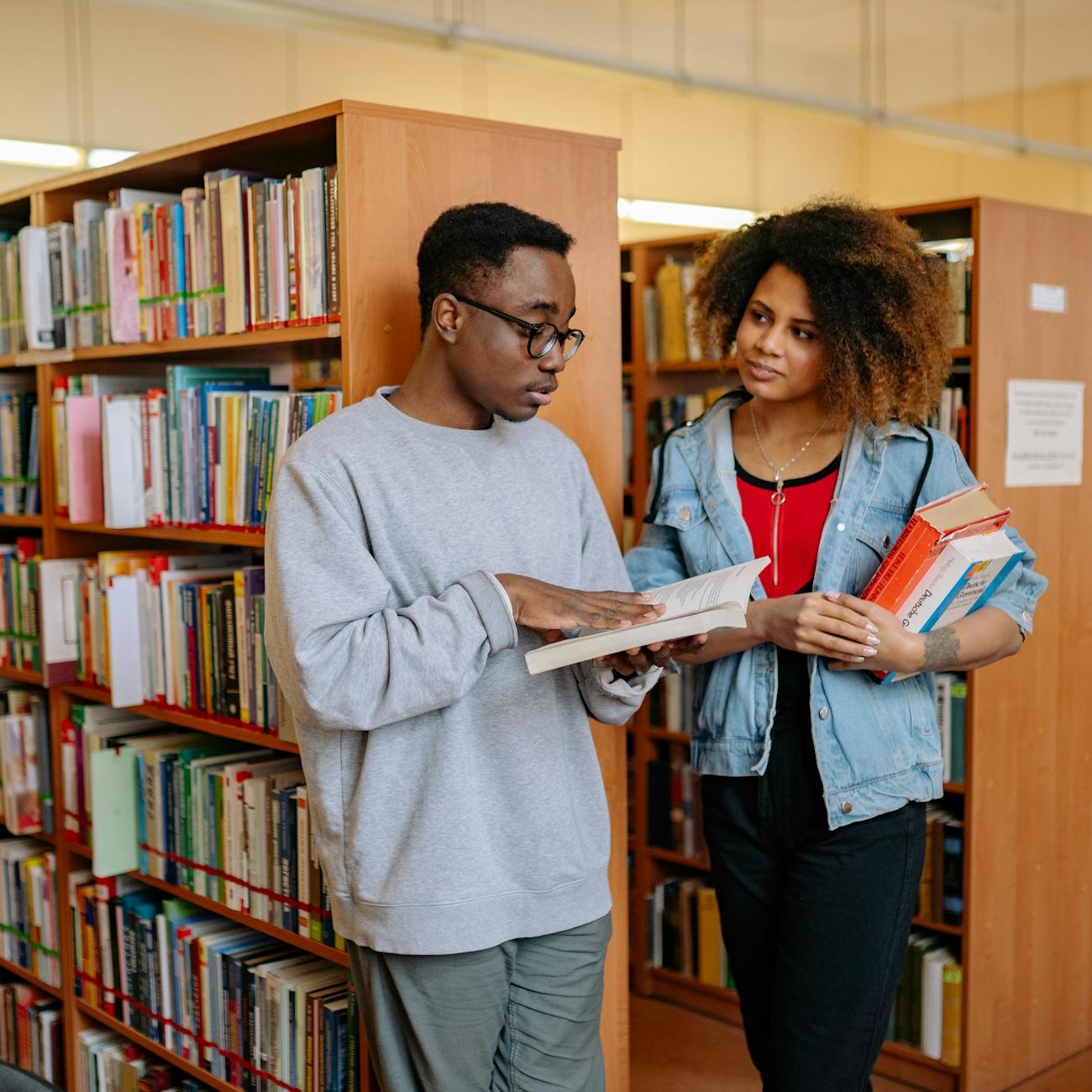
Making Connections Making connections is a crucial aspect of learning in the International Baccalaureate Primary Years Programme (PYP). It involves students linking new information to what they already know, thereby deepening their understanding and creating a more meaningful learning experience. When students make connections, they are able to see the relevance of the content they are learning and apply it to real-life situations. This process helps them develop a more holistic view of the world and fosters critical thinking skills.
Key Terms and Vocabulary
1. Inquiry Inquiry is a key component of the PYP curriculum and involves students exploring concepts, issues, and questions to construct meaning and understanding. It is a process of investigation that encourages curiosity, critical thinking, and reflection. Through inquiry, students develop a deeper understanding of the world around them and become more engaged in their learning.
2. Transdisciplinary In the PYP, learning is organized into transdisciplinary themes that cut across subject areas and encourage students to make connections between different disciplines. These themes help students see the interconnectedness of knowledge and develop a more holistic understanding of concepts. By studying transdisciplinary themes, students are able to apply their learning in meaningful ways and see the relevance of what they are studying.
3. Concept-Based Learning Concept-based learning is a key approach in the PYP that focuses on teaching students big ideas or enduring understandings rather than just facts or information. By exploring concepts such as change, causation, or form, students are able to make connections between different topics and develop a deeper understanding of the world. This approach helps students see the bigger picture and apply their learning in a variety of contexts.
4. Reflection Reflection is a critical part of the learning process in the PYP. It involves students thinking about their learning experiences, evaluating their progress, and considering how they can improve. Through reflection, students are able to make connections between what they have learned and their own experiences, leading to deeper understanding and personal growth. Reflection also helps students develop metacognitive skills and become more independent learners.
5. Action Action is a key outcome of learning in the PYP and involves students applying their knowledge and understanding to make a positive difference in the world. Through action, students are able to take what they have learned and use it to solve real-world problems, advocate for change, or contribute to their communities. By taking action, students are able to make connections between their learning and the world around them, leading to a more meaningful and impactful learning experience.
6. Global Contexts Global contexts are key concepts in the PYP that help students make connections between their learning and the world beyond the classroom. These contexts include concepts such as identities and relationships, orientation in space and time, and globalization and sustainability. By exploring global contexts, students are able to see the relevance of their learning to real-world issues and develop a more global perspective.
7. Approaches to Learning Approaches to learning are the skills and strategies that students use to make connections, inquire, reflect, and take action in the PYP. These approaches include thinking skills, social skills, communication skills, research skills, and self-management skills. By developing these approaches to learning, students are able to become more effective learners and take ownership of their learning journey.
8. Formative Assessment Formative assessment is an integral part of the PYP and involves assessing students' understanding and progress throughout the learning process. This type of assessment helps teachers understand what students know and can do, identify areas for growth, and provide feedback to support student learning. By using formative assessment, teachers can help students make connections between their learning and their goals, leading to deeper understanding and continuous improvement.
9. Summative Assessment Summative assessment is another key aspect of the PYP and involves assessing students' understanding and learning at the end of a unit or inquiry. This type of assessment helps teachers evaluate students' overall achievement and understanding of key concepts. By using summative assessment, teachers can help students see the connections between their learning experiences and their growth over time, leading to a more comprehensive understanding of their progress.
10. Learner Profile The Learner Profile is a set of attributes that the PYP aims to develop in students to help them become responsible global citizens. These attributes include being inquirers, knowledgeable, thinkers, communicators, principled, open-minded, caring, risk-takers, balanced, and reflective. By developing these attributes, students are able to make connections between their learning and their personal growth, leading to a more holistic and impactful learning experience.
Practical Applications
Making connections in the PYP can be applied in a variety of ways to enhance student learning. For example, teachers can encourage students to make connections between different subjects by integrating concepts and skills across disciplines. By exploring how math concepts relate to real-world problems in science or how historical events have influenced literature, students can see the interconnectedness of knowledge and develop a deeper understanding of the world.
Furthermore, teachers can help students make connections between their learning and their own experiences by incorporating real-life examples and applications into their lessons. By relating concepts to students' lives, interests, and cultural backgrounds, teachers can make learning more relevant and engaging. For example, students can explore how environmental issues impact their local community or how historical events have shaped their own identities.
Challenges
While making connections is a valuable aspect of learning in the PYP, there are some challenges that teachers may face when implementing this approach. One challenge is ensuring that students are able to see the relevance of the connections they are making and understand how they can apply their learning in different contexts. Teachers may need to provide explicit guidance and support to help students make meaningful connections and see the bigger picture.
Another challenge is helping students develop the skills and strategies needed to make connections effectively. Students may struggle to see the relationships between different concepts or may have difficulty applying their learning in new situations. Teachers can address this challenge by providing scaffolding, modeling, and opportunities for practice to help students develop their critical thinking skills and make connections more independently.
Overall, making connections is a fundamental aspect of learning in the PYP that helps students develop a deeper understanding of the world and become more engaged and reflective learners. By encouraging students to make connections between different concepts, subjects, and real-world issues, teachers can help students see the relevance of their learning and develop the skills they need to make a positive impact on the world.
Key takeaways
- It involves students linking new information to what they already know, thereby deepening their understanding and creating a more meaningful learning experience.
- Inquiry Inquiry is a key component of the PYP curriculum and involves students exploring concepts, issues, and questions to construct meaning and understanding.
- Transdisciplinary In the PYP, learning is organized into transdisciplinary themes that cut across subject areas and encourage students to make connections between different disciplines.
- Concept-Based Learning Concept-based learning is a key approach in the PYP that focuses on teaching students big ideas or enduring understandings rather than just facts or information.
- Through reflection, students are able to make connections between what they have learned and their own experiences, leading to deeper understanding and personal growth.
- By taking action, students are able to make connections between their learning and the world around them, leading to a more meaningful and impactful learning experience.
- Global Contexts Global contexts are key concepts in the PYP that help students make connections between their learning and the world beyond the classroom.