
Approaches to Learning
Approaches to Learning (ATL) are a key component of the International Baccalaureate (IB) Primary Years Programme (PYP). These approaches encompass the skills necessary for students to become independent learners, preparing them for success …
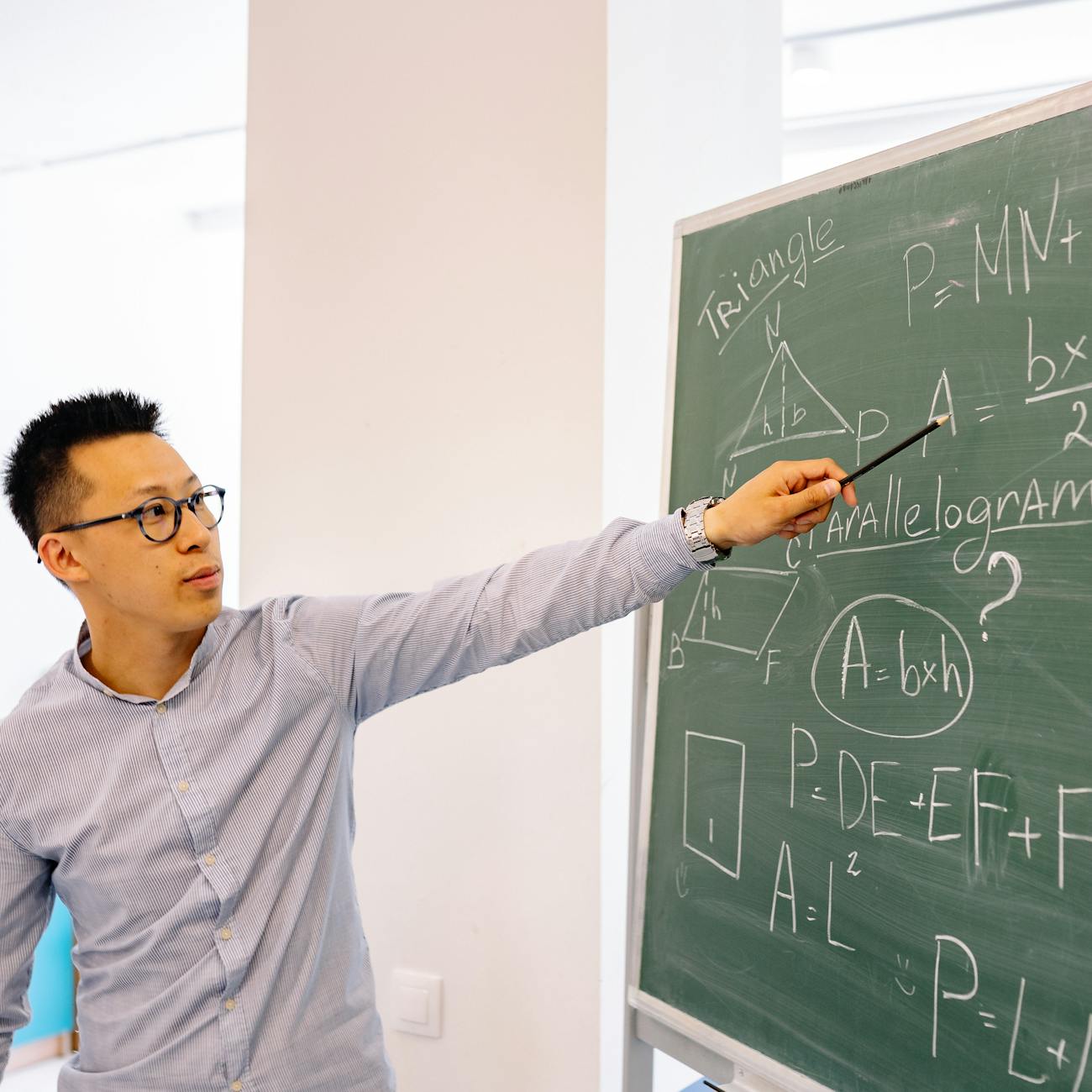
Approaches to Learning (ATL) are a key component of the International Baccalaureate (IB) Primary Years Programme (PYP). These approaches encompass the skills necessary for students to become independent learners, preparing them for success in the classroom and beyond. ATL are divided into five categories: thinking skills, social skills, communication skills, self-management skills, and research skills. Each category plays a crucial role in shaping students into well-rounded individuals who can adapt to various challenges and excel in diverse environments.
Thinking Skills are essential for students to analyze information critically, make decisions, and solve problems effectively. This category includes skills such as creativity, critical thinking, and metacognition. Students develop these skills by engaging in activities that require them to think deeply, evaluate different perspectives, and reflect on their own thought processes. For example, students may participate in debates, engage in project-based learning, or analyze complex texts to enhance their critical thinking skills.
Social Skills are crucial for students to interact effectively with others and collaborate successfully in group settings. This category includes skills such as cooperation, empathy, and respect. Students develop these skills by working on group projects, participating in discussions, and engaging in activities that require them to consider the perspectives of others. For example, students may collaborate on a science experiment, participate in a role-playing activity, or engage in a service-learning project to enhance their social skills.
Communication Skills are vital for students to express themselves clearly, listen actively, and engage in meaningful dialogue. This category includes skills such as listening, speaking, and presenting. Students develop these skills by participating in class discussions, giving presentations, and engaging in activities that require them to communicate effectively with their peers and teachers. For example, students may deliver a speech, participate in a debate, or engage in a Socratic seminar to enhance their communication skills.
Self-Management Skills are essential for students to organize their time effectively, set goals, and take responsibility for their own learning. This category includes skills such as organization, time management, and perseverance. Students develop these skills by creating study schedules, setting academic goals, and engaging in activities that require them to manage their time efficiently. For example, students may create a study plan, set SMART goals, or engage in self-assessment to enhance their self-management skills.
Research Skills are crucial for students to gather information, evaluate sources, and present findings effectively. This category includes skills such as information literacy, inquiry, and data analysis. Students develop these skills by conducting research projects, analyzing data, and engaging in activities that require them to evaluate the credibility of sources. For example, students may conduct a science experiment, write a research paper, or present their findings to their classmates to enhance their research skills.
In the PYP, ATL are integrated into the curriculum to ensure that students develop these essential skills in a holistic and interconnected manner. Teachers design learning experiences that allow students to practice and apply ATL across different subject areas, fostering their development as lifelong learners. By focusing on ATL, the PYP aims to equip students with the skills they need to thrive in an ever-changing world, where adaptability, creativity, and critical thinking are essential for success.
One of the key benefits of incorporating ATL into the curriculum is that it helps students become more independent and self-directed learners. By developing skills such as organization, time management, and critical thinking, students are better equipped to take ownership of their learning and make meaningful connections between different areas of knowledge. This not only enhances their academic performance but also prepares them for future challenges in higher education and the workforce.
Another benefit of ATL is that it promotes a culture of collaboration and mutual respect among students. By emphasizing social skills such as empathy, cooperation, and communication, the PYP encourages students to work together, share ideas, and support each other in their learning journey. This not only fosters a sense of community and belonging but also prepares students to navigate diverse social settings and engage with people from different backgrounds.
Furthermore, ATL help students develop a growth mindset, which is essential for overcoming challenges and persisting in the face of adversity. By fostering skills such as perseverance, resilience, and reflection, the PYP encourages students to embrace setbacks as opportunities for growth and learning. This mindset empowers students to approach difficult tasks with confidence and resilience, knowing that they have the skills and resources to overcome obstacles and achieve their goals.
Despite the numerous benefits of ATL, there are also challenges associated with implementing these approaches effectively. One of the main challenges is ensuring that teachers have the necessary training and support to integrate ATL into their teaching practice. Teachers need to be familiar with the different categories of ATL, understand how to promote these skills in the classroom, and provide students with opportunities to practice and apply them in meaningful ways. This requires ongoing professional development and collaboration among teachers to ensure that ATL are embedded in the curriculum effectively.
Another challenge is assessing and evaluating students' progress in developing ATL. Since these skills are often more complex and nuanced than traditional academic skills, it can be challenging to measure and assess them accurately. Teachers need to use a variety of assessment methods, such as observation, self-assessment, and peer evaluation, to gauge students' proficiency in different ATL categories. This requires a shift in mindset from focusing solely on academic achievement to valuing and recognizing the development of essential skills for lifelong learning.
Additionally, there may be challenges in engaging students who are resistant to developing ATL or who struggle with certain skills. Some students may find it challenging to work in groups, communicate effectively, or manage their time efficiently. Teachers need to provide differentiated support and scaffolding to help these students build their confidence and develop the necessary skills gradually. This may involve providing additional resources, offering individualized feedback, or creating opportunities for students to practice and improve in a supportive environment.
In conclusion, Approaches to Learning are a fundamental component of the International Baccalaureate Primary Years Programme, providing students with the essential skills they need to become independent, lifelong learners. By focusing on thinking skills, social skills, communication skills, self-management skills, and research skills, the PYP aims to foster students' holistic development and prepare them for success in an increasingly complex and interconnected world. While there are challenges associated with implementing ATL effectively, the benefits of promoting these skills in the classroom far outweigh the difficulties, equipping students with the tools they need to thrive academically, socially, and emotionally.
Key takeaways
- Each category plays a crucial role in shaping students into well-rounded individuals who can adapt to various challenges and excel in diverse environments.
- Students develop these skills by engaging in activities that require them to think deeply, evaluate different perspectives, and reflect on their own thought processes.
- Students develop these skills by working on group projects, participating in discussions, and engaging in activities that require them to consider the perspectives of others.
- Students develop these skills by participating in class discussions, giving presentations, and engaging in activities that require them to communicate effectively with their peers and teachers.
- Students develop these skills by creating study schedules, setting academic goals, and engaging in activities that require them to manage their time efficiently.
- Students develop these skills by conducting research projects, analyzing data, and engaging in activities that require them to evaluate the credibility of sources.
- By focusing on ATL, the PYP aims to equip students with the skills they need to thrive in an ever-changing world, where adaptability, creativity, and critical thinking are essential for success.