
Introduction to Artificial Intelligence in Dentistry
Artificial Intelligence in Dentistry is a rapidly evolving field that combines the latest advancements in technology with dental care to improve patient outcomes, streamline processes, and enhance the overall dental experience. In this cour…
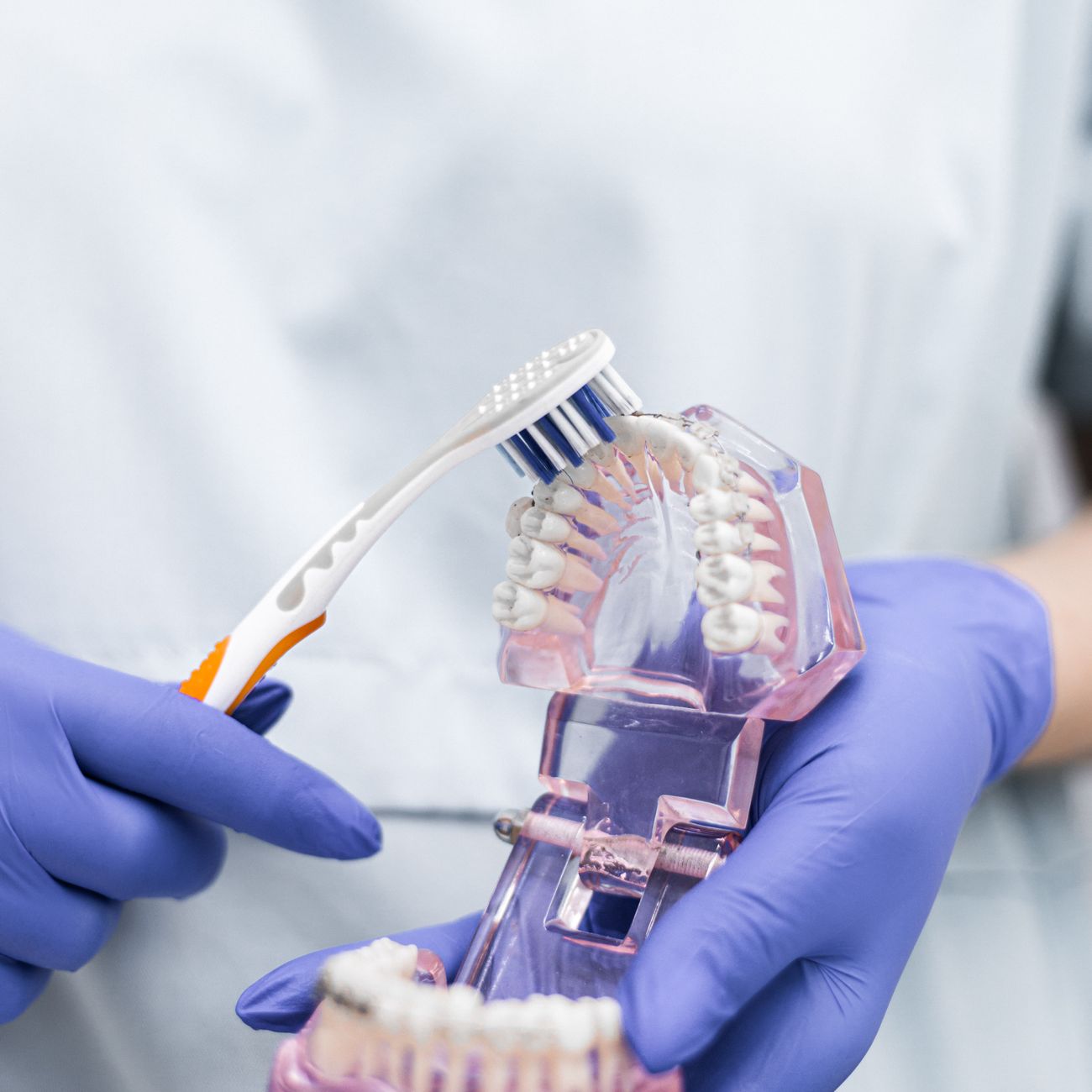
Artificial Intelligence in Dentistry is a rapidly evolving field that combines the latest advancements in technology with dental care to improve patient outcomes, streamline processes, and enhance the overall dental experience. In this course, we will explore the key terms and vocabulary essential to understanding AI in personalized dental care.
1. **Artificial Intelligence (AI)**: Artificial Intelligence refers to the simulation of human intelligence processes by machines, particularly computer systems. AI in dentistry involves using algorithms and machine learning techniques to analyze complex data, make predictions, and assist in decision-making processes.
2. **Machine Learning (ML)**: Machine Learning is a subset of AI that focuses on developing algorithms and models that allow computers to learn from data and make predictions without being explicitly programmed. In dentistry, ML can be used to analyze patient data, predict treatment outcomes, and personalize treatment plans.
3. **Deep Learning**: Deep Learning is a type of ML that uses artificial neural networks to learn from large amounts of data. Deep Learning algorithms can automatically discover patterns and features in data, making them well-suited for tasks such as image recognition and natural language processing in dentistry.
4. **Neural Networks**: Neural Networks are a computational model inspired by the structure and function of the human brain. They consist of interconnected nodes (neurons) organized in layers, allowing them to process complex information and make decisions. Neural Networks are commonly used in AI applications for tasks like image analysis and classification.
5. **Supervised Learning**: Supervised Learning is a type of ML where the model is trained on labeled data, meaning the input data is paired with the correct output. The model learns to map inputs to outputs based on the provided examples, allowing it to make predictions on unseen data. Supervised Learning is used in dentistry for tasks like diagnosing oral diseases and predicting treatment outcomes.
6. **Unsupervised Learning**: Unsupervised Learning is a type of ML where the model is trained on unlabeled data, meaning the input data does not have corresponding output labels. The model learns to find patterns and relationships in the data without explicit guidance, making it useful for tasks like clustering similar patient profiles or identifying anomalies in dental images.
7. **Reinforcement Learning**: Reinforcement Learning is a type of ML where an agent learns to make decisions by interacting with an environment and receiving feedback in the form of rewards or penalties. The agent learns to maximize its cumulative reward over time by exploring different actions and strategies. Reinforcement Learning can be applied in dentistry to optimize treatment planning and scheduling.
8. **Natural Language Processing (NLP)**: Natural Language Processing is a branch of AI that focuses on enabling computers to understand, interpret, and generate human language. In dentistry, NLP can be used to analyze patient records, extract relevant information, and assist in clinical documentation.
9. **Computer Vision**: Computer Vision is a field of AI that enables computers to interpret and analyze visual information from the real world. In dentistry, Computer Vision can be used to process dental images, detect abnormalities, and assist in diagnostic tasks like detecting cavities or fractures.
10. **Big Data**: Big Data refers to large and complex datasets that cannot be processed using traditional data processing techniques. In dentistry, Big Data may include patient records, imaging data, and clinical notes. AI techniques like ML and Deep Learning are used to analyze Big Data and extract valuable insights for personalized dental care.
11. **Predictive Analytics**: Predictive Analytics is the practice of using data, statistical algorithms, and ML techniques to predict future outcomes based on historical data. In dentistry, predictive analytics can be used to forecast patient treatment outcomes, identify at-risk patients, and optimize treatment plans for better clinical outcomes.
12. **Personalized Medicine**: Personalized Medicine is an approach to healthcare that customizes medical decisions and treatments to individual patients based on their unique characteristics, including genetic makeup, lifestyle factors, and medical history. In dentistry, AI techniques can be used to tailor treatment plans and preventive care strategies to each patient's specific needs.
13. **Clinical Decision Support (CDS)**: Clinical Decision Support systems use AI algorithms to provide healthcare professionals with actionable information and insights at the point of care. In dentistry, CDS systems can assist dentists in diagnosing conditions, selecting treatment options, and improving patient outcomes by leveraging AI technologies.
14. **Telemedicine**: Telemedicine refers to the remote delivery of healthcare services using telecommunications technology. AI in personalized dental care can enable telemedicine applications by providing virtual consultations, remote monitoring of patients, and real-time analysis of dental data for timely interventions.
15. **Ethical Considerations**: As AI technologies are increasingly integrated into healthcare, including dentistry, it is essential to consider ethical implications such as patient privacy, data security, algorithm bias, and transparency. Healthcare providers must ensure that AI systems are used responsibly and ethically to benefit patients while minimizing potential risks.
16. **Regulatory Compliance**: Healthcare regulations and standards play a crucial role in governing the use of AI in dentistry to ensure patient safety, data privacy, and quality of care. Dentists and healthcare organizations must comply with regulatory requirements when implementing AI technologies in personalized dental care to maintain legal and ethical standards.
17. **Interoperability**: Interoperability refers to the ability of different systems and devices to exchange and interpret data seamlessly. In dentistry, interoperable AI systems enable the integration of patient data from electronic health records, imaging devices, and other sources to support collaborative decision-making and personalized treatment approaches.
18. **Challenges and Limitations**: Despite the potential benefits of AI in personalized dental care, there are several challenges and limitations to consider, such as data quality issues, algorithm interpretability, regulatory constraints, and the need for ongoing training and validation of AI models. Overcoming these challenges is essential to harnessing the full potential of AI in dentistry.
19. **Future Directions**: The future of AI in dentistry holds great promise for revolutionizing personalized dental care through advanced technologies like AI, ML, and Deep Learning. Continued research, innovation, and collaboration across the dental and AI communities will drive the development of cutting-edge solutions to improve patient outcomes and enhance the practice of dentistry.
20. **Conclusion**: AI in personalized dental care represents a transformative approach to delivering tailored treatments, improving clinical decision-making, and enhancing patient experiences in dentistry. By leveraging AI technologies effectively and responsibly, dental professionals can optimize care delivery, achieve better outcomes, and empower patients to take control of their oral health journey.
Key takeaways
- Artificial Intelligence in Dentistry is a rapidly evolving field that combines the latest advancements in technology with dental care to improve patient outcomes, streamline processes, and enhance the overall dental experience.
- **Artificial Intelligence (AI)**: Artificial Intelligence refers to the simulation of human intelligence processes by machines, particularly computer systems.
- **Machine Learning (ML)**: Machine Learning is a subset of AI that focuses on developing algorithms and models that allow computers to learn from data and make predictions without being explicitly programmed.
- Deep Learning algorithms can automatically discover patterns and features in data, making them well-suited for tasks such as image recognition and natural language processing in dentistry.
- They consist of interconnected nodes (neurons) organized in layers, allowing them to process complex information and make decisions.
- **Supervised Learning**: Supervised Learning is a type of ML where the model is trained on labeled data, meaning the input data is paired with the correct output.
- The model learns to find patterns and relationships in the data without explicit guidance, making it useful for tasks like clustering similar patient profiles or identifying anomalies in dental images.